
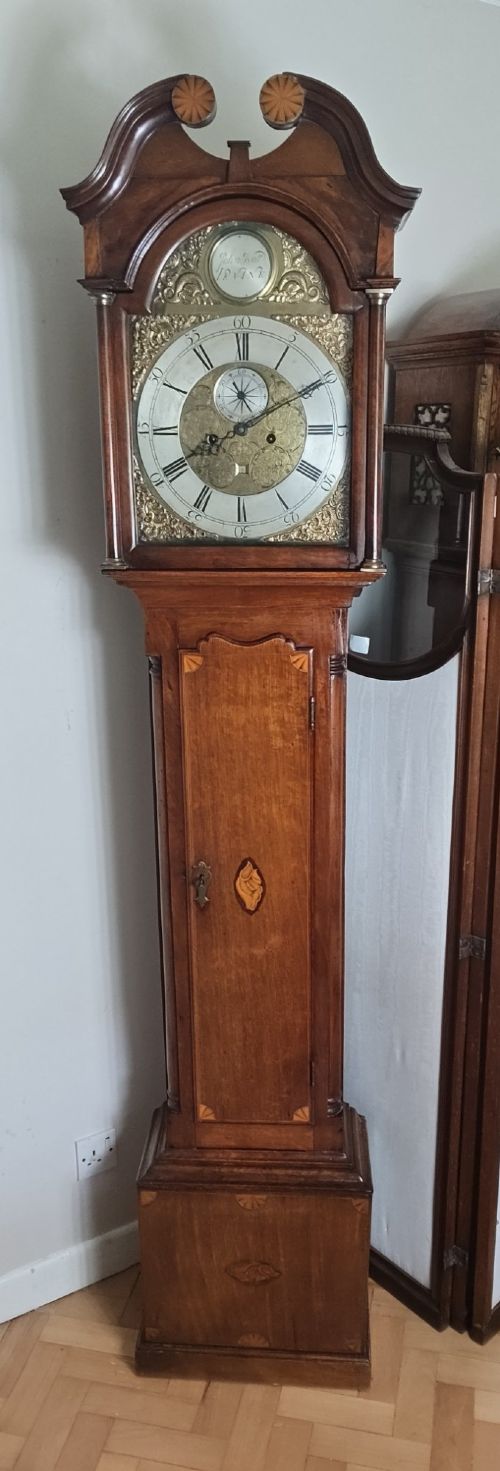
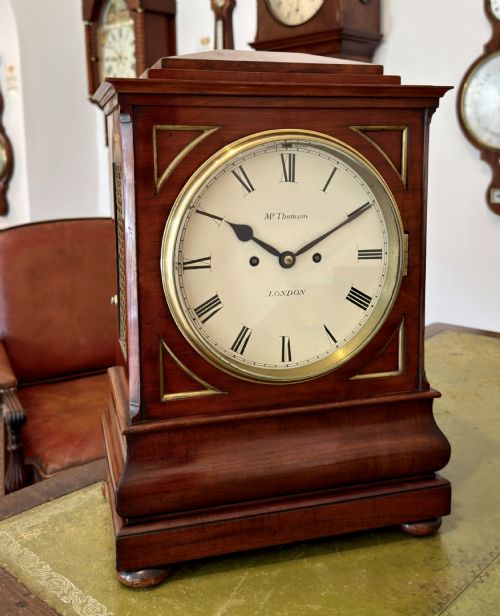
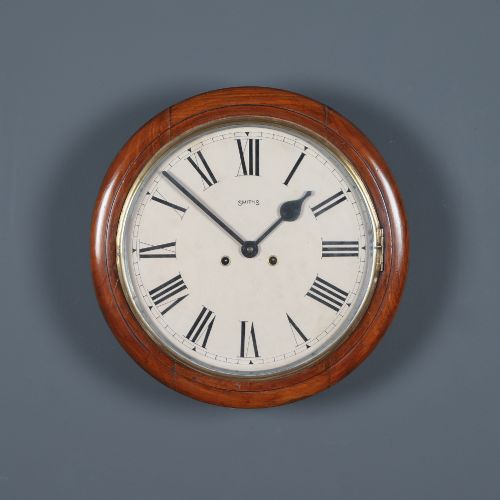
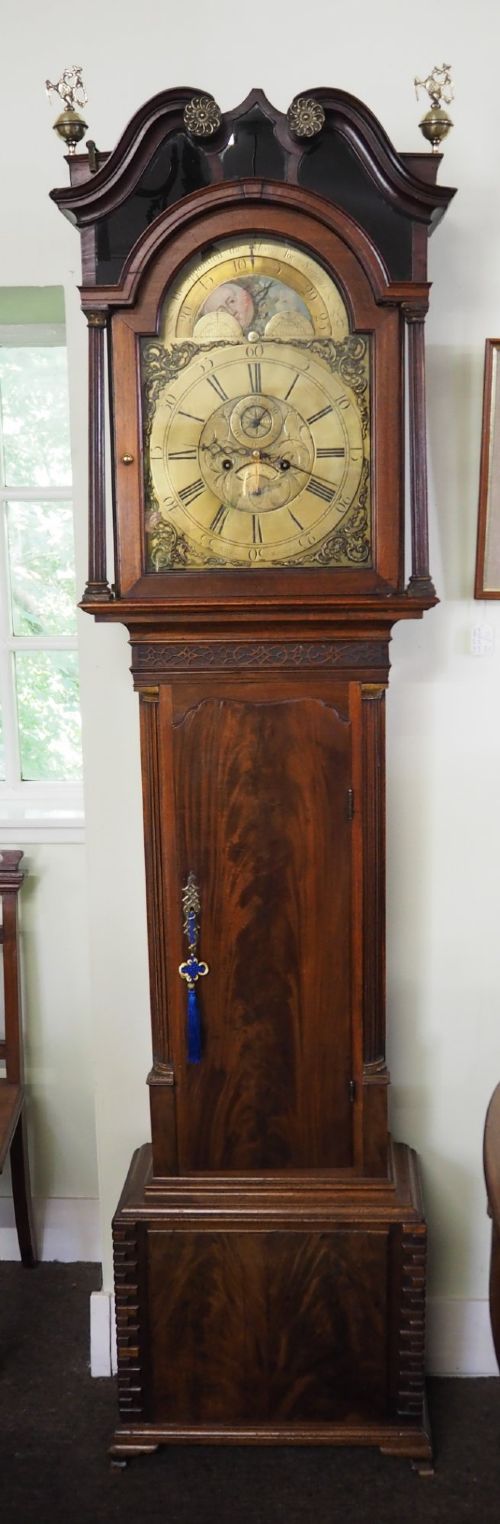
Traditional Mahogany Clock
A traditional mahogany clock brings warmth and mechanical precision to a room, spanning grand longcases and compact mantel pieces.
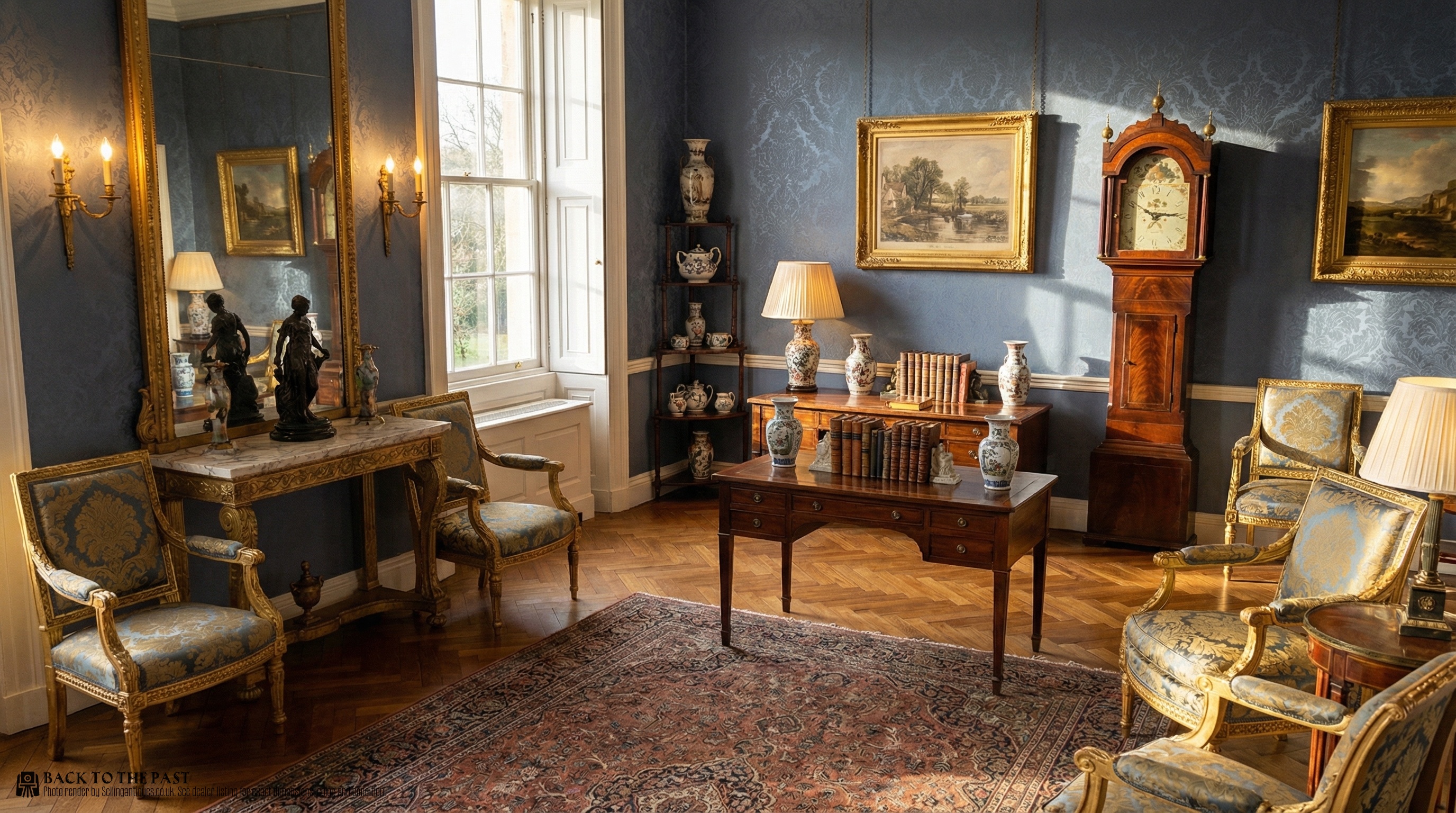
Traditional Mahogany Clock
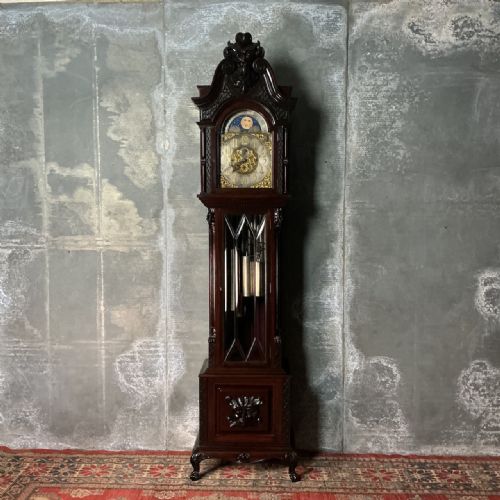
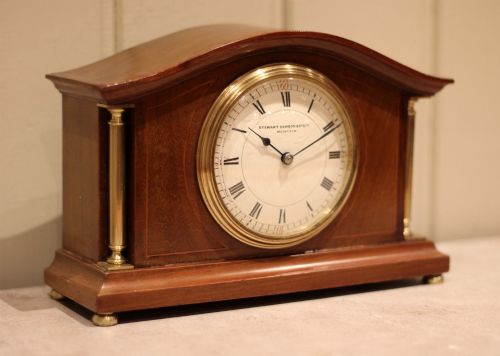
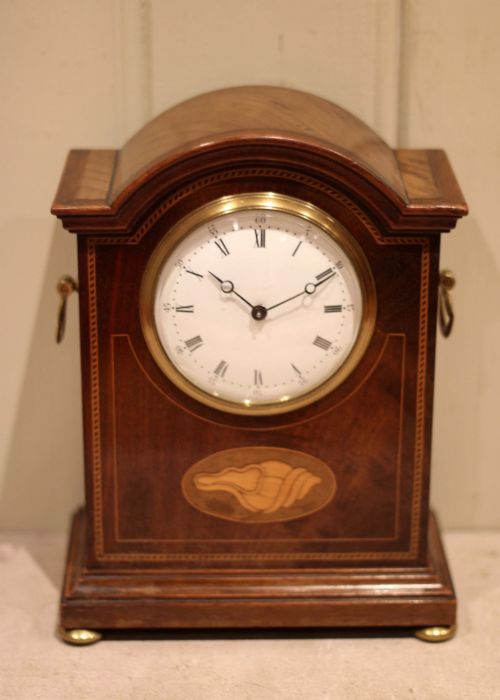
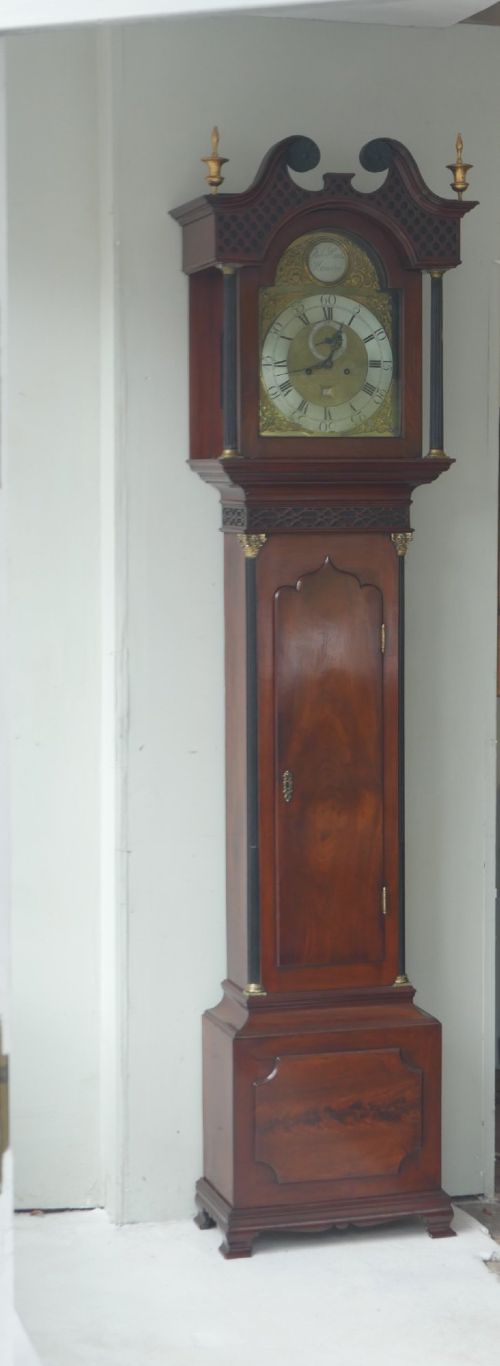
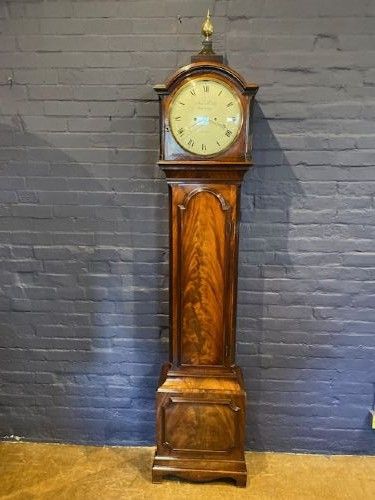
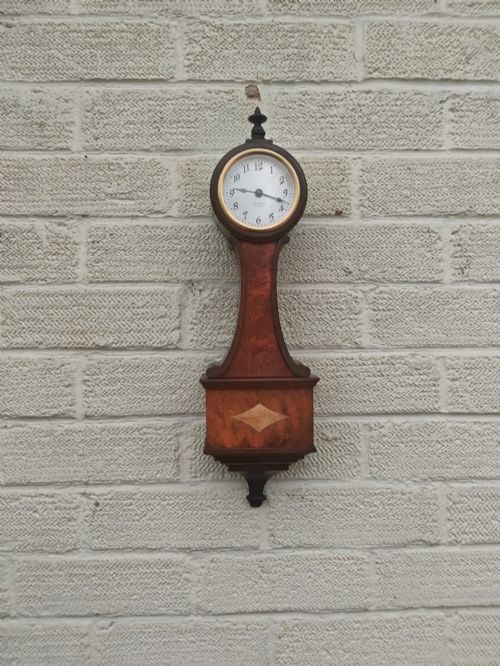
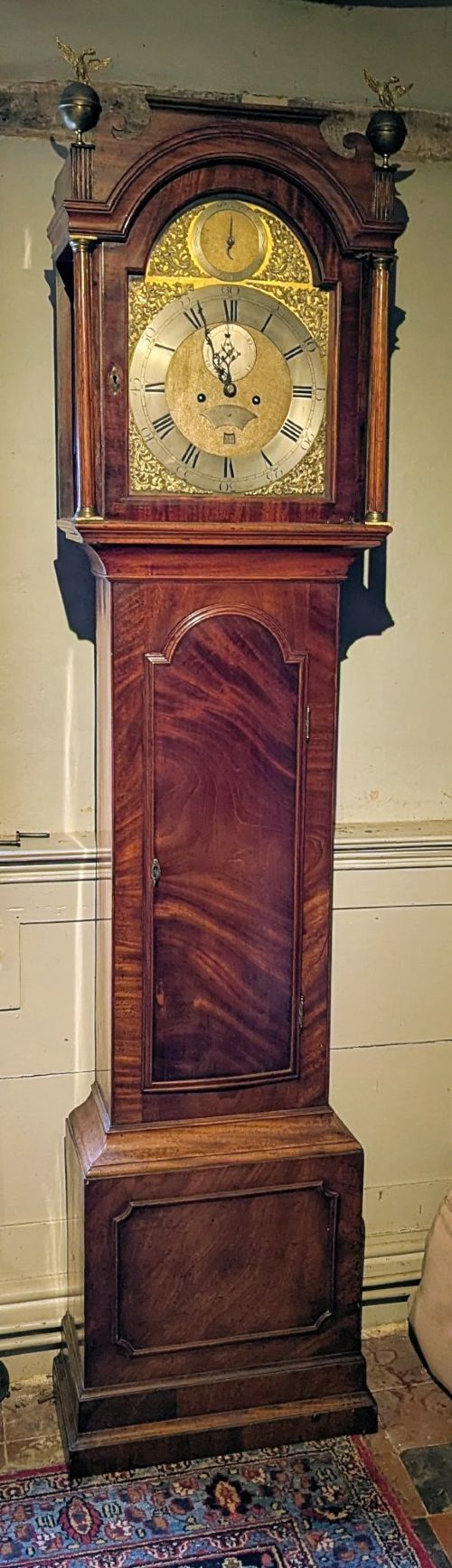
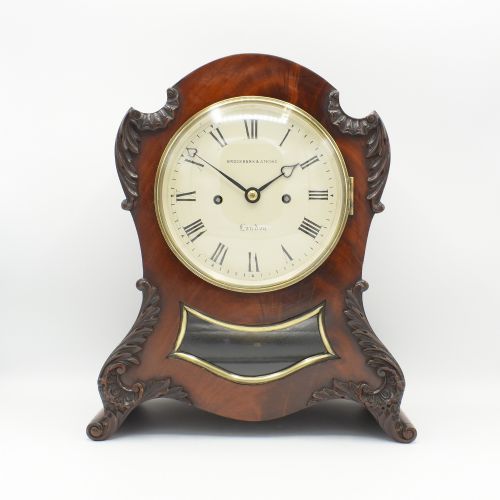
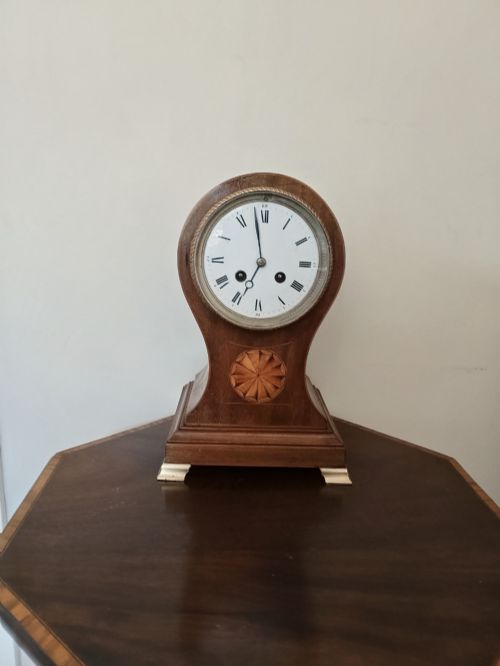
When searching for a traditional mahogany clock, buyers encounter several distinct formats ranging from towering longcase and grandfather clocks to wall dials, bracket clocks, and mantel pieces. These items appear across the Georgian, Victorian, Edwardian, and early twentieth-century periods, showcasing the enduring popularity of dense timber and brass work.
The most common examples on this page are longcase and grandfather clocks alongside smaller wall and bracket clocks. These timepieces stem from various eras, including the eighteenth and nineteenth centuries, often housing mechanical movements that require winding and care.
Evaluating craftsmanship and movement
Quality rests in the precision of the clockmaker's movement and the crispness of the cabinet work. Finer examples feature signed dials by notable makers, complex moonphase or musical complications, and well-figured mahogany timber.
Simpler timepieces offer standard dial faces and basic eight-day or thirty-hour movements without extra chimes. The integration of brass detailing, inlay, and secondary woods further distinguishes standard production items from high-end workshop creations.
Traditional Mahogany Clock Retail Price Guide 2026
Typical asking prices for traditional mahogany clock among the pieces listed under this phrase on Sellingantiques today, from the lower quarter to the upper quarter. They describe what is for sale here now, not the wider market.
Listings feature mahogany timepieces spanning the Georgian, Victorian, and Edwardian periods, utilising brass dials and iron movements.
Thomson of London·James McCabe·Brockbanks and Atkins·Samuel Kellett of Bredbury·Parkinson Bros Batley·Mappin and Webb·Henry Harris of Monythusloyn
The Traditional Mahogany Clock Glossary
- Longcase clock
- A tall pendulum clock enclosed in a wooden case resting on the floor. These items are frequently referred to as grandfather clocks.
- Fusee
- A conical pulley used in clock movements to maintain even tension on the gear train as the mainspring unwinds. This mechanism improves timekeeping accuracy across the duration of the wind.
- Bracket clock
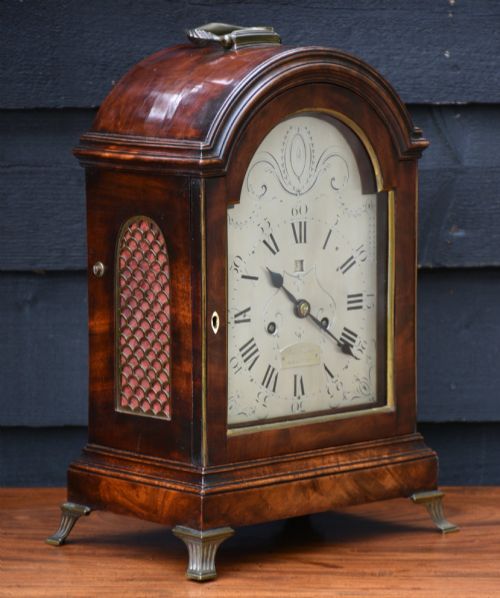
- A portable table or shelf clock historically designed to sit on a wall bracket. Many examples feature carrying handles on top.
- Verge movement
- An early type of escapement mechanism utilising a crown wheel and pallet leaves. It provides the regulating motion for antique timepieces dating back to the eighteenth century.
- Dial clock
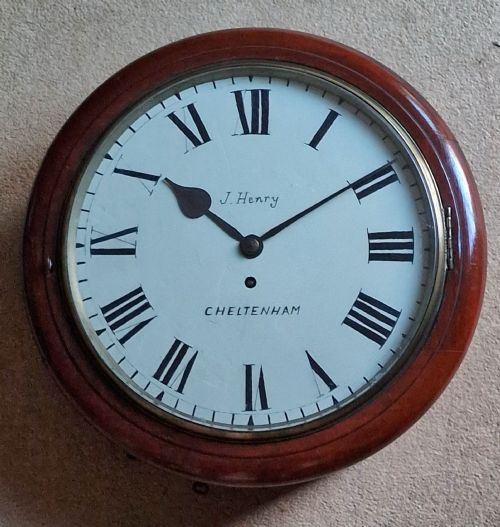
- A round wall clock featuring a clear face protected by a glass bezel. These pieces were commonly utilised in railway stations, schools, and offices during the Victorian era.
Traditional Mahogany Clock: Frequently Asked Questions
How do I wind a traditional clock?
Winding requires a dedicated key inserted into the winding holes on the dial face. Turn the key gently until resistance signals the spring is fully wound.
Take care not to overwind the mechanism, and consult the specific movement type to determine whether the clock strikes or chimes on the hour.
Where should I place a longcase clock?
Position a longcase clock against a sturdy interior wall away from direct sunlight, central heating vents, and damp areas. A stable floor ensures the pendulum swings evenly without catching.
Ensure the case is plumb and level using adjustable feet or shims where necessary to maintain accurate timekeeping.
How do I tell an 18th-century clock from a Victorian one?
Eighteenth-century examples often display simpler brass dials with hand-engraved maker signatures and restrained mahogany cases. Victorian pieces frequently incorporate richer timber figures, painted iron dials, and more industrialised movement parts.
Examine the construction joints, screws, and backplate signatures for clues regarding the period of manufacture.
What is a fusee movement?
A fusee movement uses a spiral-grooved cone connected to the mainspring by a fine chain or cord. This clever device counteracts the decreasing power of the spring as it unwinds.
Clocks equipped with fusee movements generally deliver more consistent timekeeping performance than standard spring-driven alternatives.