

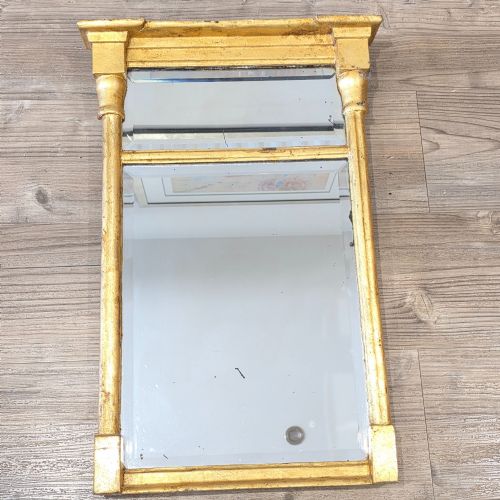
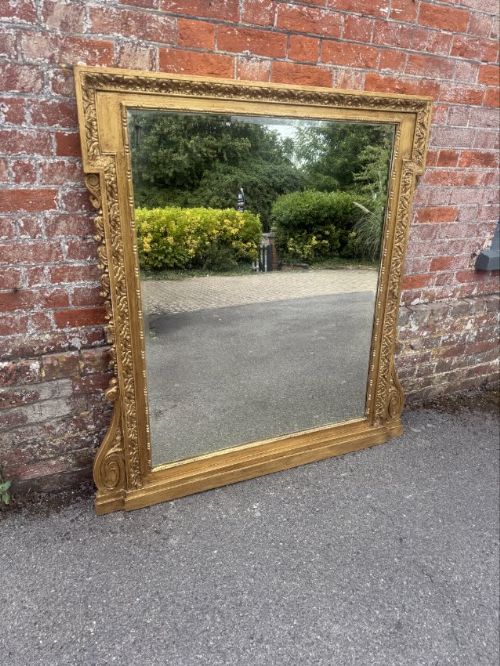
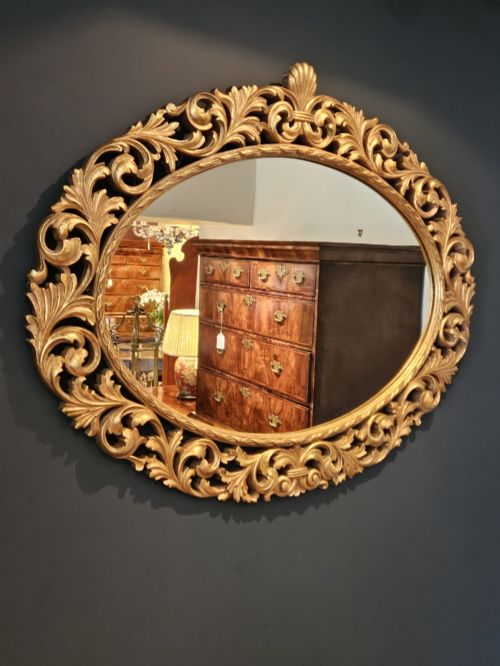
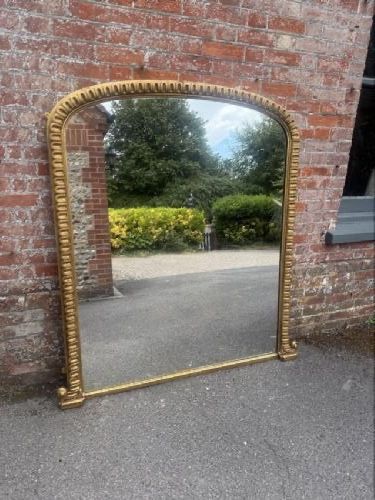
Traditional Gilt Wall Mirror
A traditional gilt wall mirror brings warmth and reflective light to a room through centuries of craftsmanship.
Traditional Gilt Wall Mirror
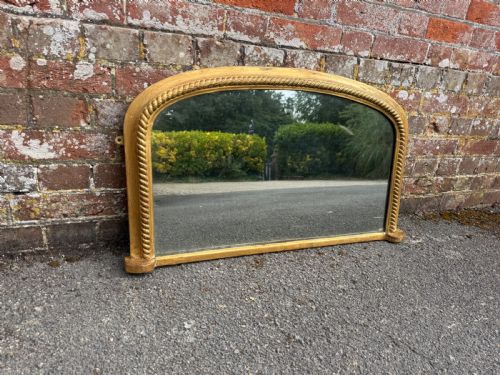
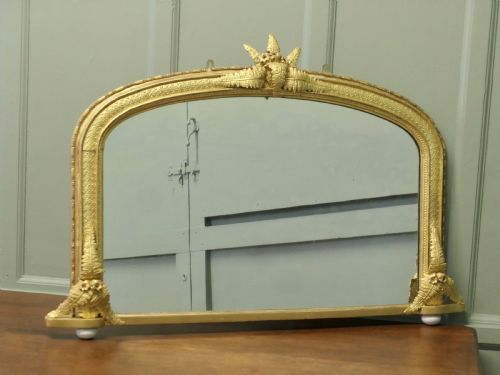
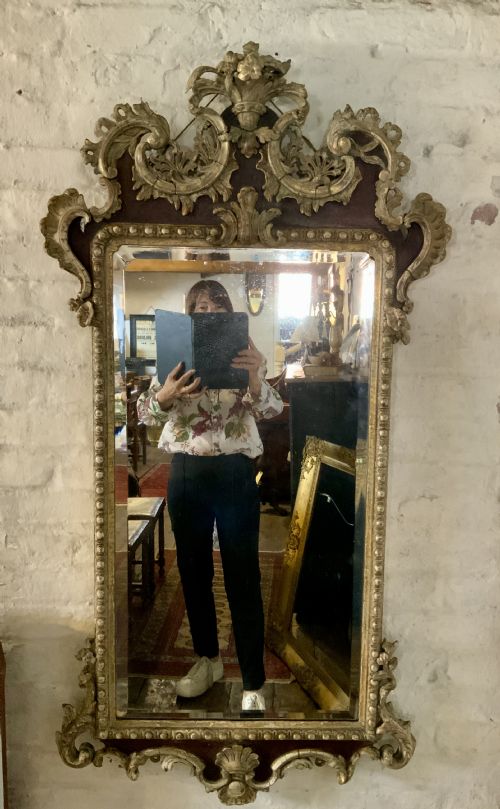
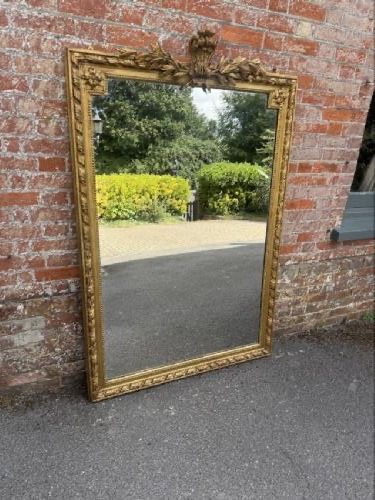
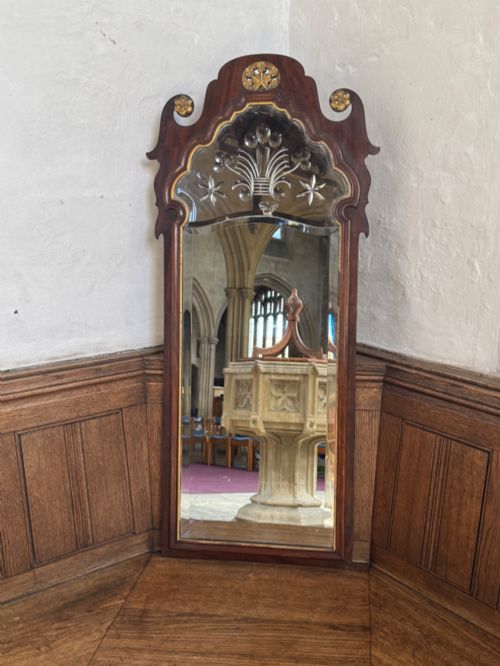
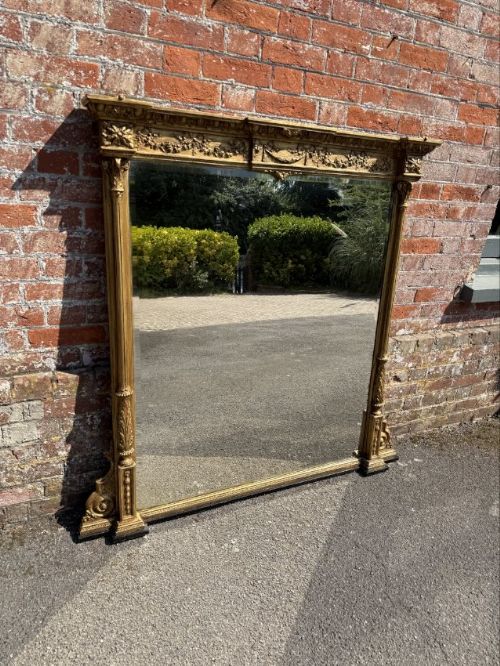
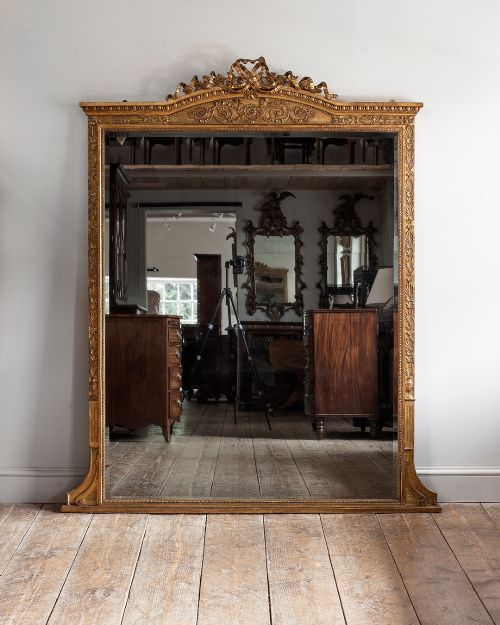
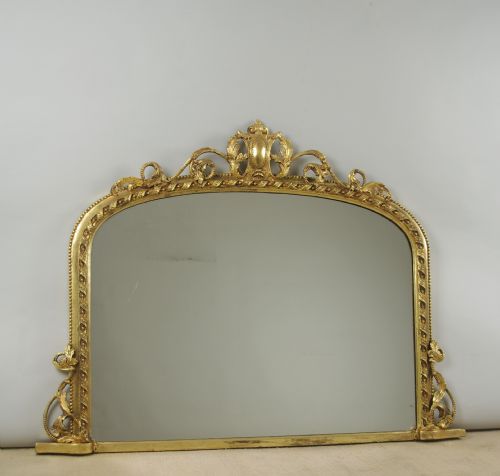
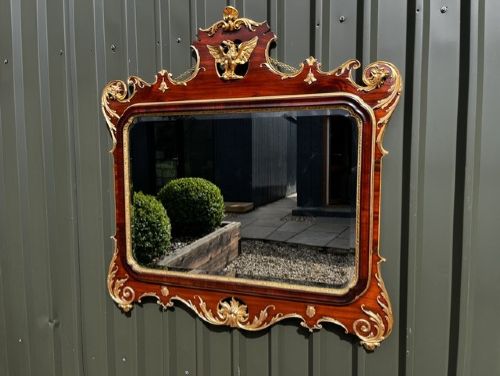
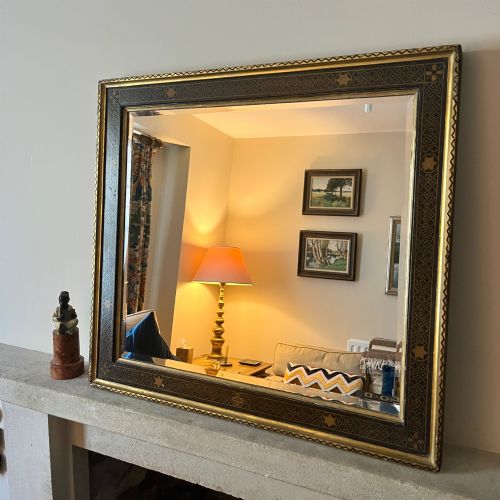
A traditional gilt wall mirror is a reflective glass plate set inside a decorative frame finished in gold leaf, giltwood, or composition. When searching for a traditional gilt wall mirror, buyers encounter numerous large overmantel mirrors alongside pier mirrors and smaller wall-hung pieces.
The selections span from the Regency and Victorian eras through to the early twentieth century, taking in English and French provincial and revival styles. Arched tops, rectangular formats, and carved timber constructions dominate the surviving examples on offer.
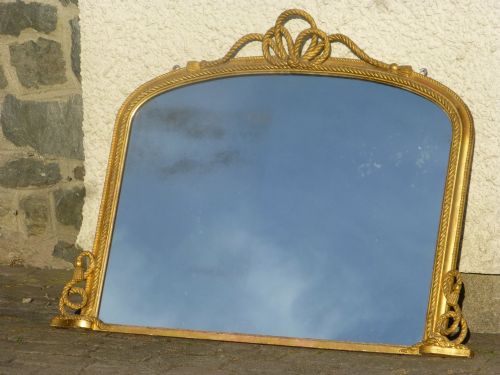
Overmantel mirrors designed to sit above a fireplace form a substantial portion of these listings, often featuring detailed gesso ornamentation and rope twist or column mouldings. Wall mirrors and picture frames similarly adapted for reflection provide alternative scales for domestic spaces.
How They Were Made
Carved wood and gesso provide the structural base for the intricate relief work found on these frames. Artisans applied thin layers of gesso over timber before tooling the surface to accept gold leaf or gilding.
Glass plates within these frames often display period characteristics such as foxing, where age causes the silvering behind the glass to deteriorate gracefully. Frames combine solid woods like mahogany and walnut with applied composition ornaments moulded from paste.
Traditional Gilt Wall Mirror Retail Price Guide 2026
Typical asking prices for traditional gilt wall mirror among the pieces listed under this phrase on Sellingantiques today, from the lower quarter to the upper quarter. They describe what is for sale here now, not the wider market.
The listings encompass nineteenth-century Victorian and Regency periods, utilising materials such as gesso, giltwood, and gold leaf.
What Varies in Quality
The depth and crispness of the carved wood and gesso ornamentation dictate the visual strength of the piece. Crisp, hand-carved details separate superior frames from heavier, moulded composition versions.
The condition of the original gilding and the presence of untouched, foxed mirror plates distinguish pieces that retain their authentic historical character from those with later restorations or replaced glass.
The Traditional Gilt Wall Mirror Glossary
- Gesso
- A plaster-like mixture applied to wood frames as a base for gilding. It allows artisans to carve intricate relief details before applying gold leaf.
- Overmantel
- A large mirror specifically proportioned to hang on the wall directly above a fireplace mantelpiece. These often feature arched or shaped tops.
- Pier mirror
- A tall, narrow mirror designed to hang on the wall space between two windows. They frequently incorporate parcel gilt details and reverse cut plates.
- Foxing
- Natural ageing spots and discoloration within the mirror plate caused by the breakdown of the silver backing over decades. Collectors value this as a sign of genuine antiquity.
- Giltwood
- Timber that has been coated with gold leaf or gold paint. It provides a luminous surface finish characteristic of traditional decorative frames.
Traditional Gilt Wall Mirror: Frequently Asked Questions
Where should I hang an overmantel mirror?
These large mirrors traditionally anchor the space directly above a fireplace mantelpiece to reflect light around the room. Their scale also suits placement above low sideboards or within principal reception rooms.
Ensure the wall construction safely supports the substantial weight of carved wood and gesso frames before mounting them securely.
How do I identify a Victorian gilt mirror?
Victorian examples frequently employ arched tops, heavy gesso moulding, and column or rope twist framing. They often present substantial proportions designed for nineteenth-century domestic interiors.
Checking the construction of the timber backing and the presence of original foxed glass helps confirm the period.
What is the difference between gesso and carved wood?
Carved wood involves shaping the actual timber frame by hand with chisels and gouges. Gesso is a chalk and glue mixture applied over the wood base and moulded to create raised ornamental details.
Many antique frames combine both techniques, using carved wooden foundations embellished with detailed gesso reliefs.
Should I clean foxed glass?
Original foxed glass displays natural age spots where the reflective backing has softened over time. Cleaning should be limited to gentle dusting to preserve this historic patina.
Attempting to restore or resilver the glass removes the authentic character that defines an antique mirror.