

Traditional Fireplace Irons
Traditional fireplace irons are the heavy, utilitarian metal implements used to tend an open hearth, bringing functional hearthside history directly into a room.
Traditional Fireplace Irons
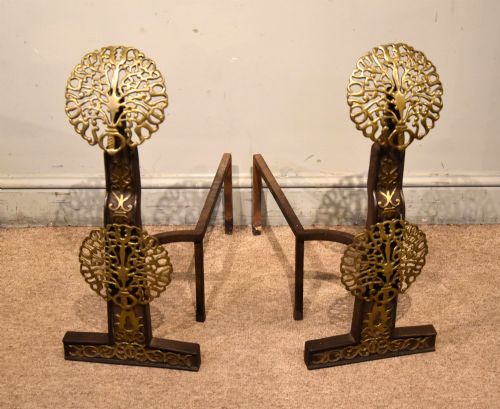
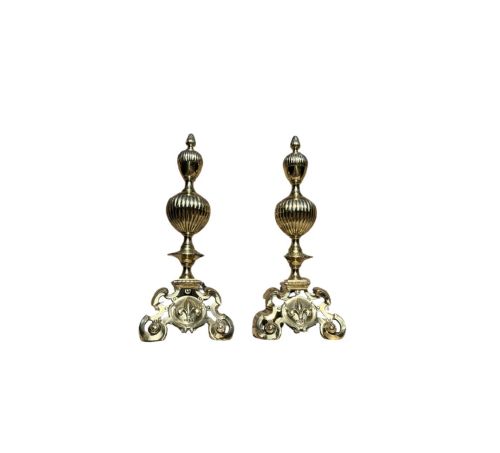
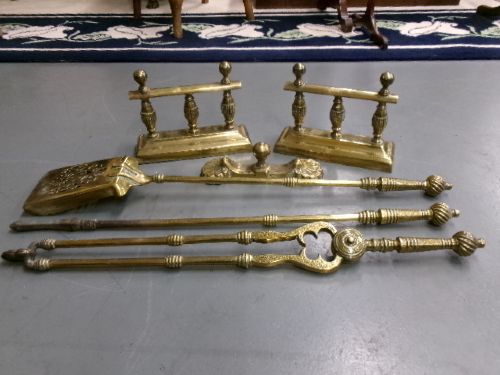
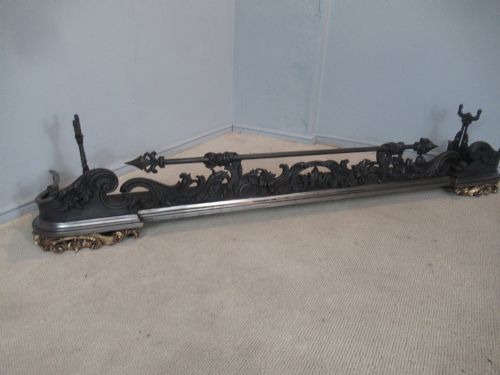
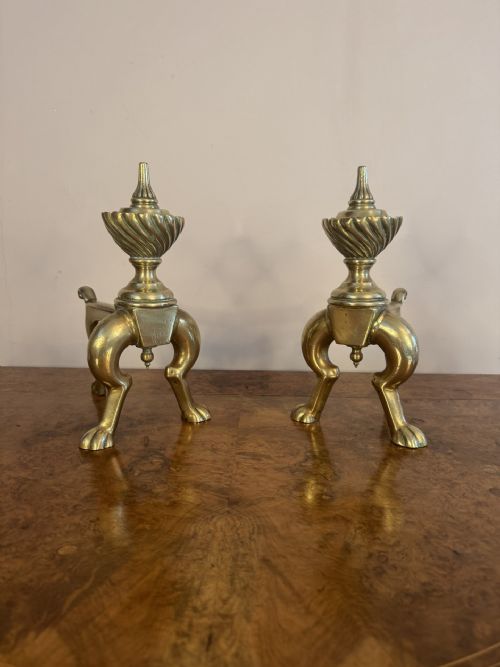
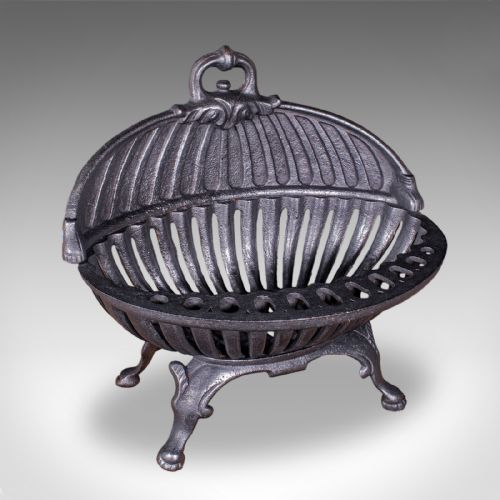
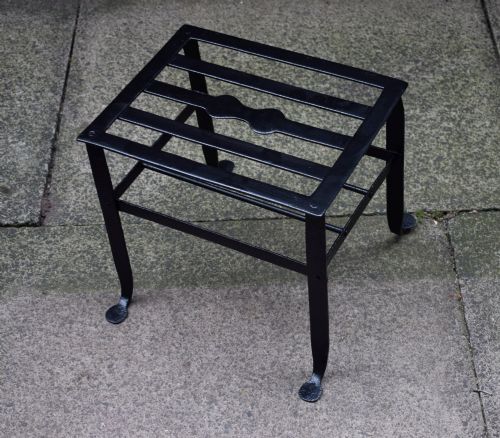
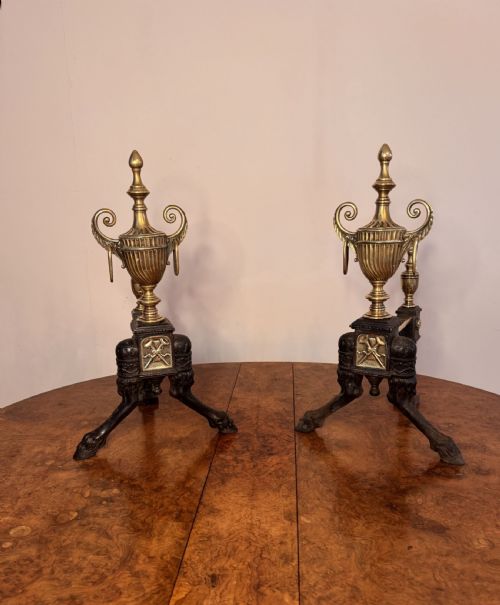
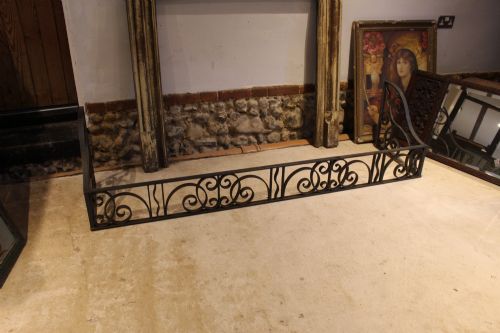
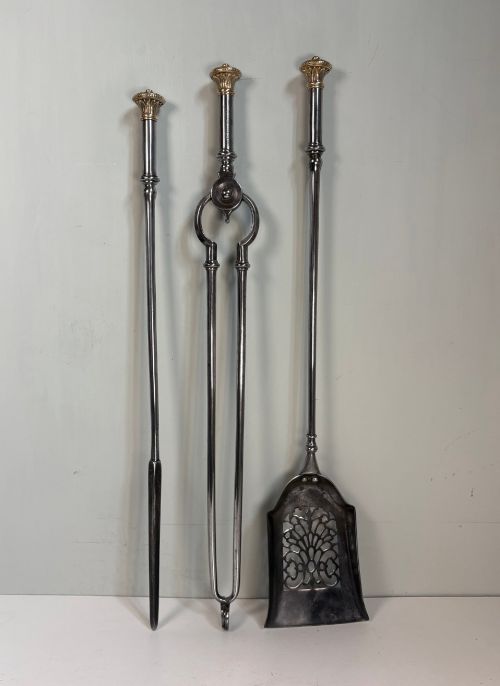
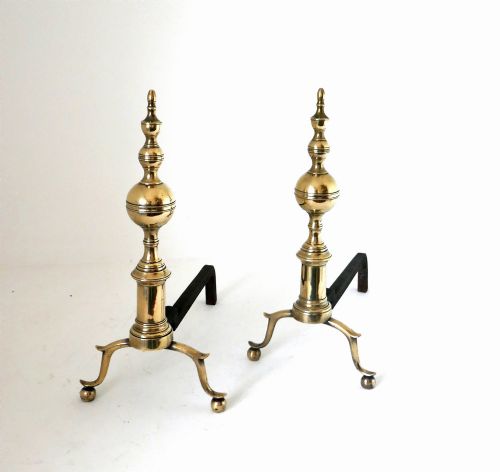
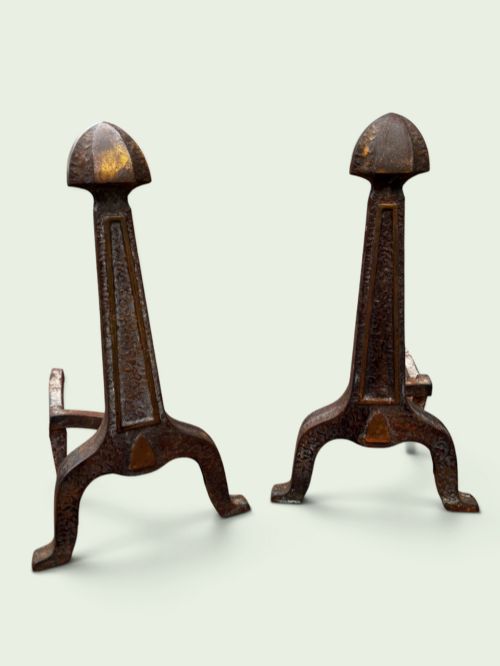
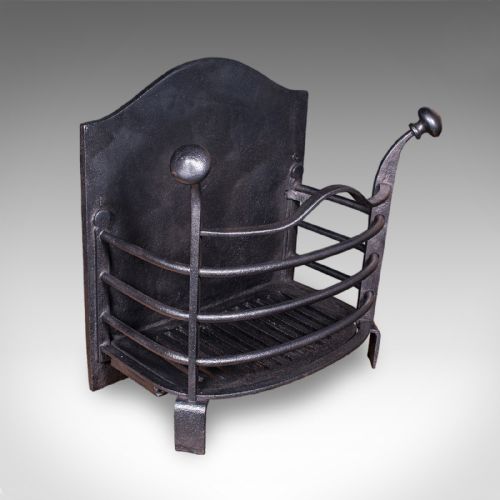
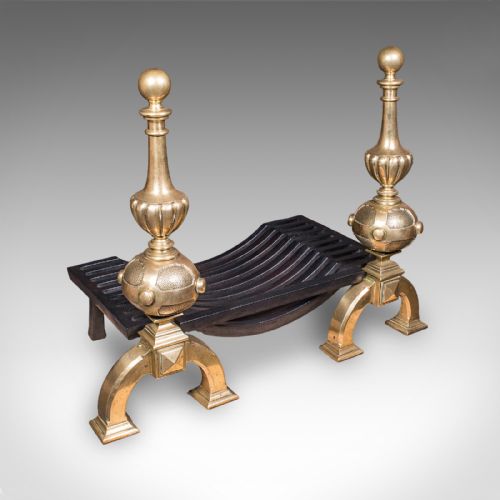
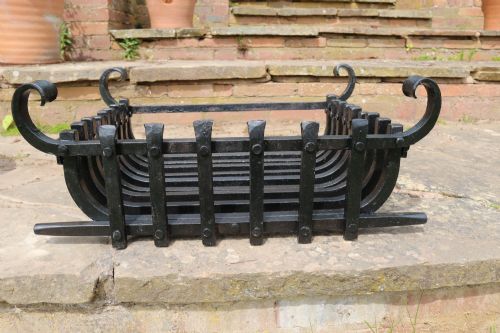
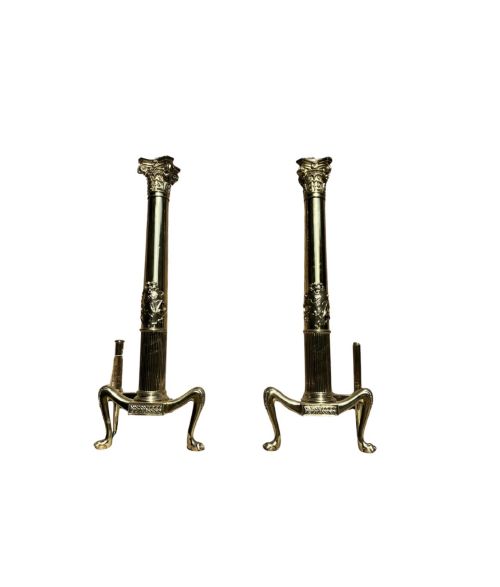
Traditional fireplace irons encompass a range of hearth implements including companion sets, fire tools, and pokers designed for managing solid fuel fires. Buyers encounter matching sets of tools alongside individual andirons, fire dogs, and grates originating from periods spanning the eighteenth, nineteenth, and early twentieth centuries.
The selection on this page leans heavily towards Victorian and Georgian examples, alongside French country pieces and later twentieth century reproductions in historic styles. Forms range from utilitarian wrought iron implements to polished steel and brass sets intended for formal drawing rooms.
Materials and Construction
Smiths and foundry workers utilised cast iron, wrought iron, and steel to forge the structural components and durable working ends of hearth tools. Wrought iron pieces show the hammer marks of hand-forging, while cast iron allowed for intricate ornamentation on fire backs and grates.
Brass elements, particularly finials and handles, were cast separately and combined with iron or steel shafts to introduce brighter metallic tones. Polished steel provided a brilliant finish for finer nineteenth century sets, requiring careful smoothing of the metal surface.
Traditional Fireplace Irons Retail Price Guide 2026
Typical asking prices for traditional fireplace irons among the pieces listed under this phrase on Sellingantiques today, from the lower quarter to the upper quarter. They describe what is for sale here now, not the wider market.
Dragon motifs occasionally peer out from the hearth, reminding everyone that even a humble fire basket appreciated a mythical guardian.
Assessing Quality and Execution
Superior examples demonstrate substantial weight and careful balance in the hand, reflecting the practical demands of daily hearth use rather than purely decorative intent. The refinement of the metalwork, from crisp casting details on brass mounts to clean forging lines on iron tools, distinguishes finer pieces.
Material selection plays a defining role, as solid brass and polished steel command greater craftsmanship than simpler cast variants. The integrity of assembly, where handles join shafts securely without modern fasteners, marks the distinction between standard utilitarian production and superior workshop output.
The Traditional Fireplace Irons Glossary
- Andiron
- A horizontal iron support raised on legs, used to hold logs in an open fireplace. Also known as fire dogs, they often feature decorative brass fronts.
- Fire Grate
- A metal basket or framework holding fuel above the hearth floor to improve air circulation. These appear in Georgian and Victorian designs.
- Companion Set
- A matching collection of fireside tools usually housed together on a stand or resting against a fender. Sets typically include pokers, tongs, and shovels.
- Trammel Hook
- An adjustable metal hook suspended in a chimney to hang pots over the fire at varying heights. Hand-forged examples date back to earlier centuries.
- Fire Back
- A heavy iron plate placed at the back of an open hearth to protect the masonry and reflect heat into the room. Many display relief moulded designs.
Traditional Fireplace Irons: Frequently Asked Questions
How do I clean old fireplace irons?
Maintenance depends entirely on the specific metal involved, requiring different approaches for iron, brass, or polished steel surfaces.
Light oil helps protect wrought iron from atmospheric moisture, while brass and steel often benefit from gentle cleaning without abrasive compounds that remove historic patination.
Are these tools safe to use with a modern fire?
Most traditional pieces were forged for active service in hearths burning wood or coal.
Solid iron and steel implements remain robust enough for regular use, though delicate nineteenth century brass sets are better suited for display alongside working grates.
What is the difference between andirons and fire dogs?
The terms are frequently used interchangeably to describe the structural metal supports placed within an open hearth.
Historically, fire dogs often implied a simpler utilitarian form, while andirons frequently incorporated more elaborate decorative fronts visible at the hearth opening.
How do I date a set of fire irons?
Dating relies upon observing manufacturing techniques, material combinations, and stylistic motifs present across the pieces.
Georgian and Regency examples tend towards classical restraint, whereas Victorian sets often showcase heavier brass work or Gothic Revival ornamentation.