

Traditional Brass Table Clock
A traditional brass table clock brings mechanical precision and rich cabinet timbers into a room, spanning centuries of British and continental clockmaking.
Traditional Brass Table Clock
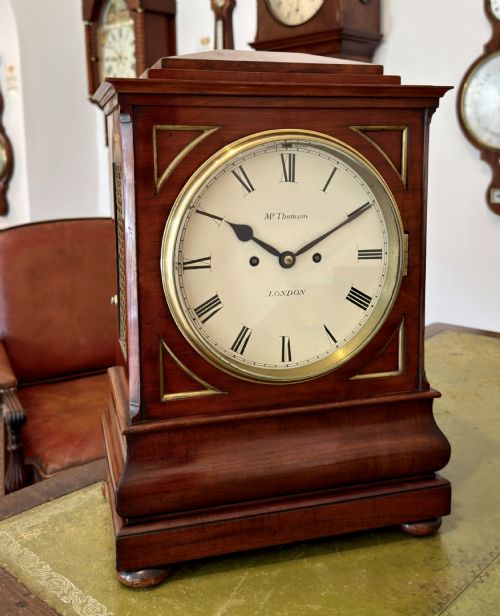
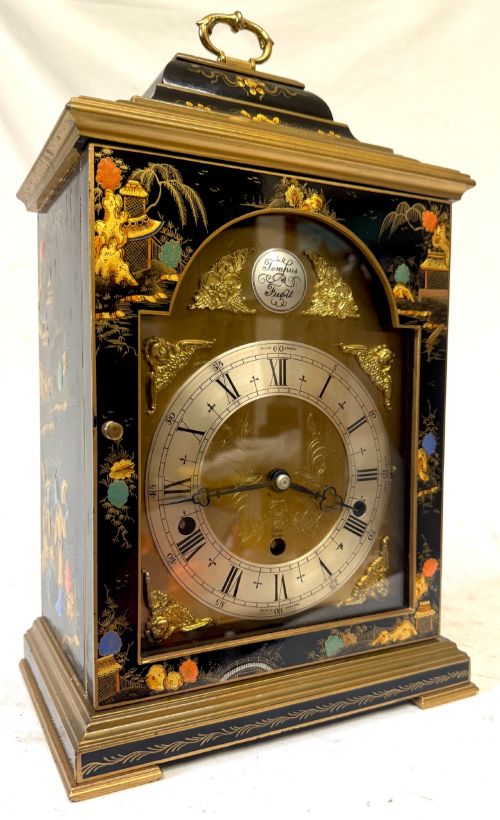
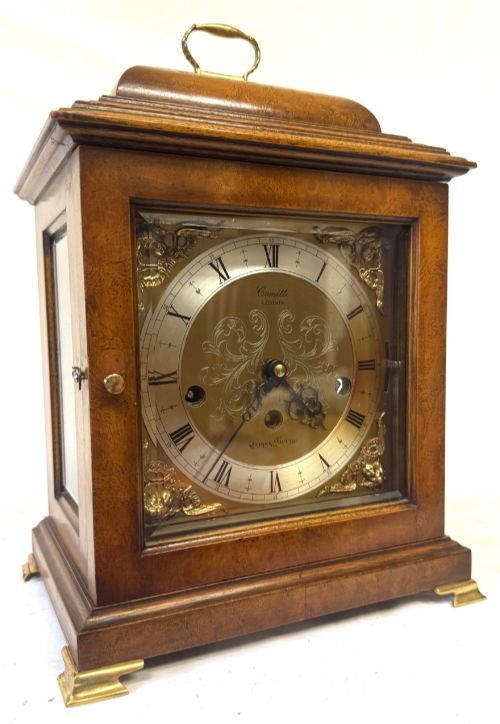
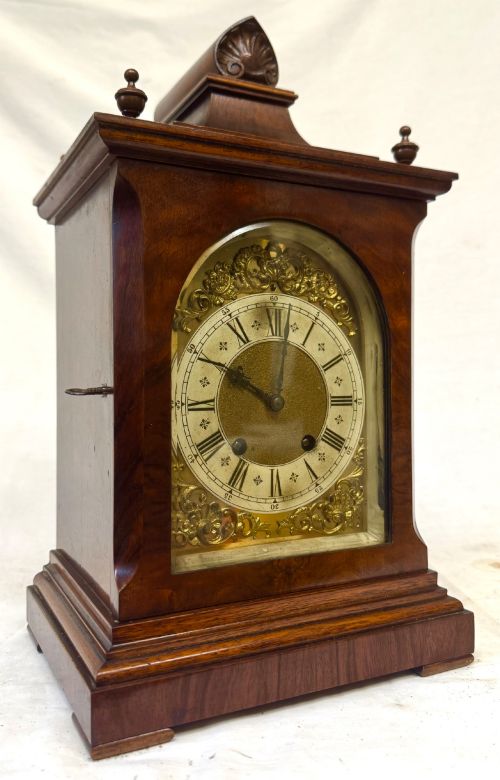
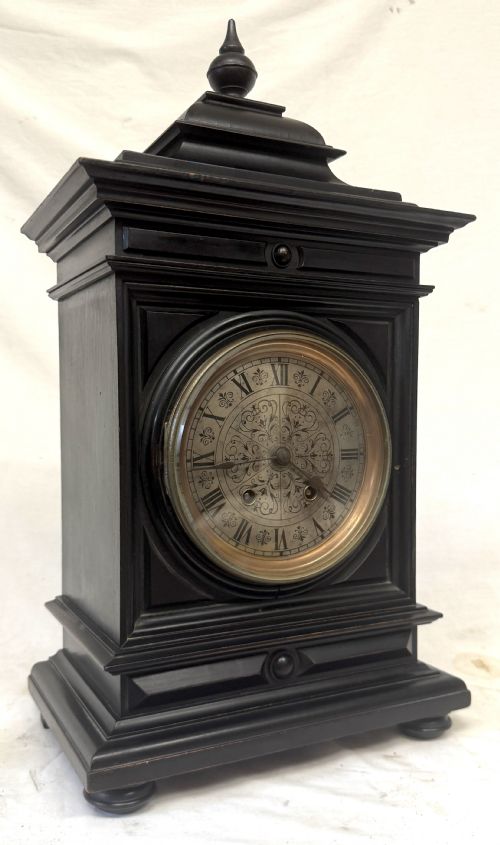
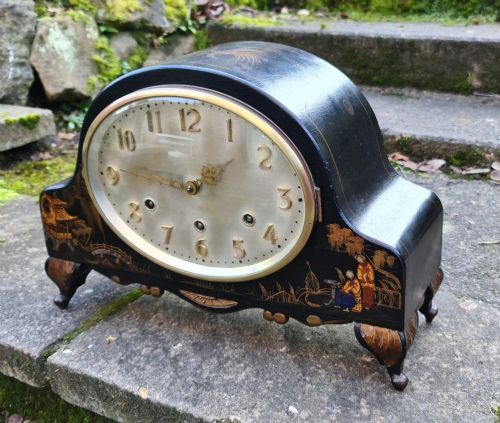
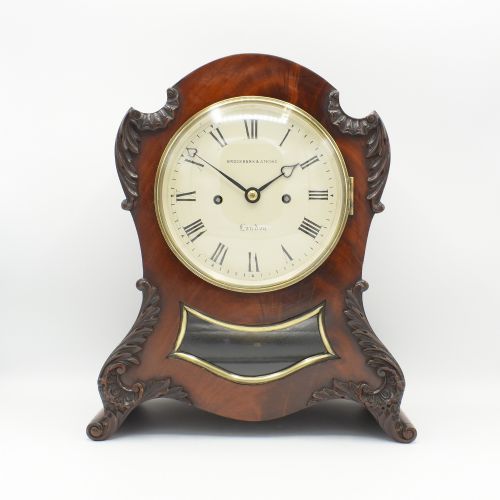
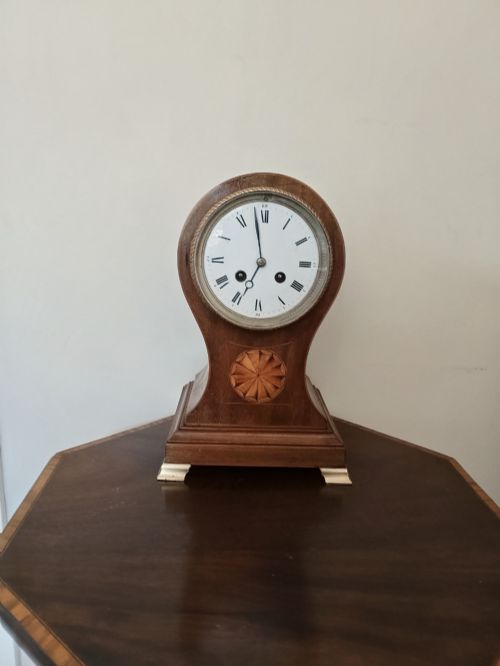
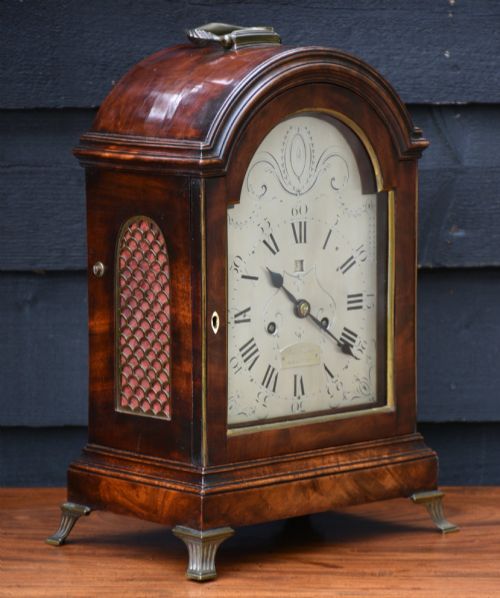
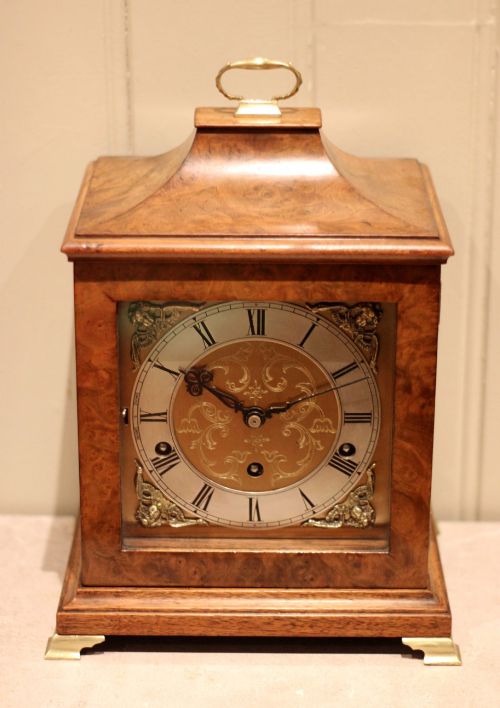
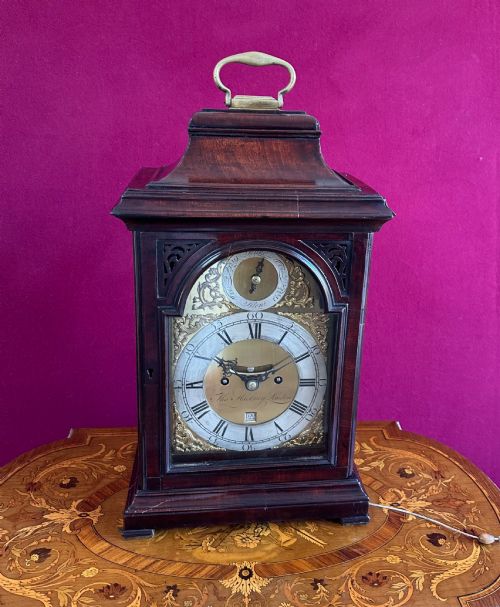
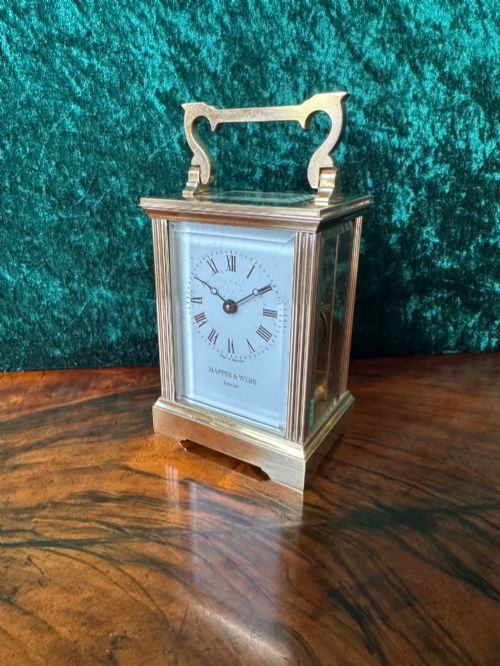
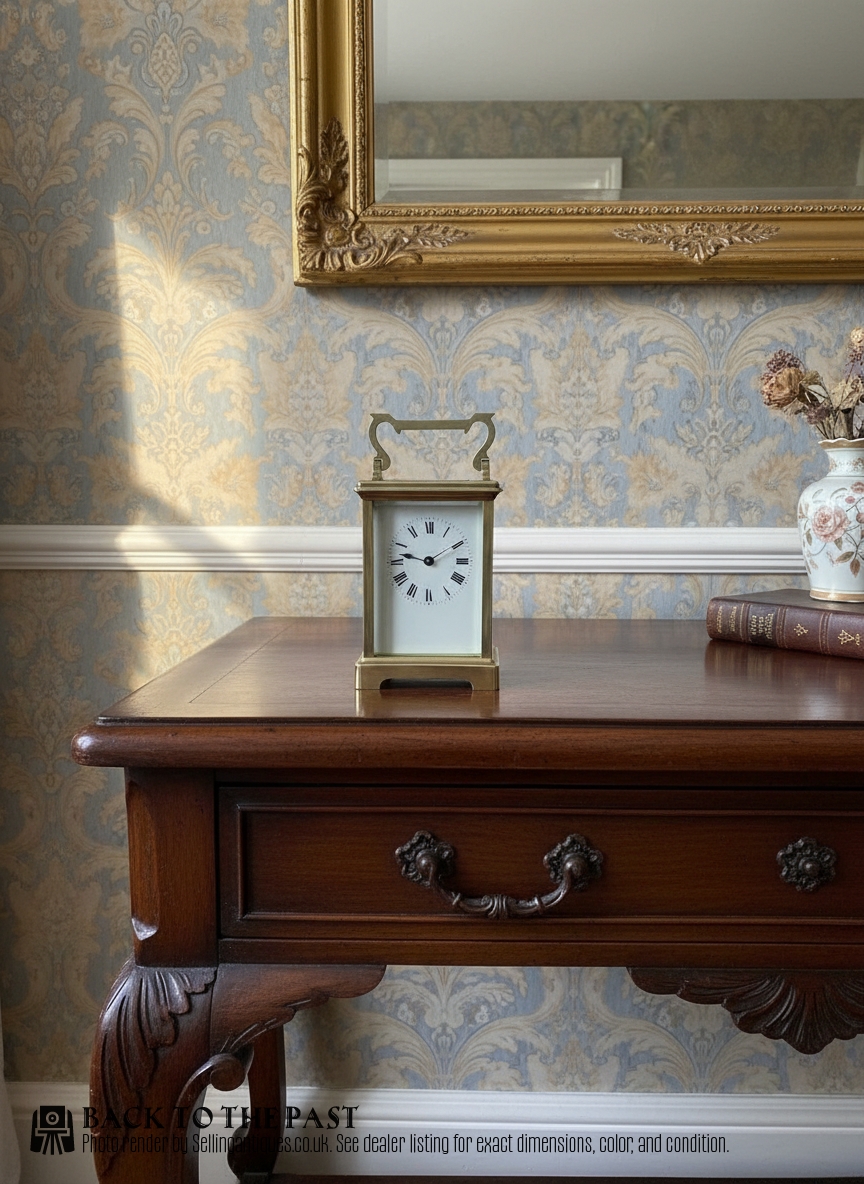
When searching for a traditional brass table clock, collectors encounter several distinct formats ranging from pocket carriage clocks to substantial bracket clocks designed for mantelpieces. These timepieces house mechanical movements inside architectural wooden or lacquered cases, often featuring exposed brass dials and decorative cast mounts.
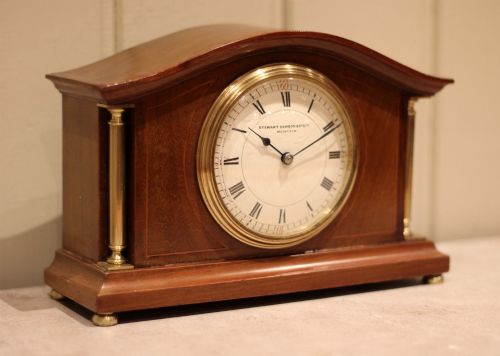
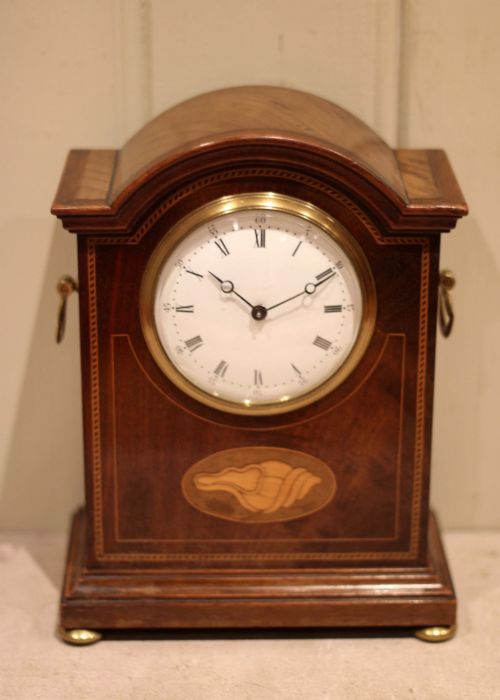
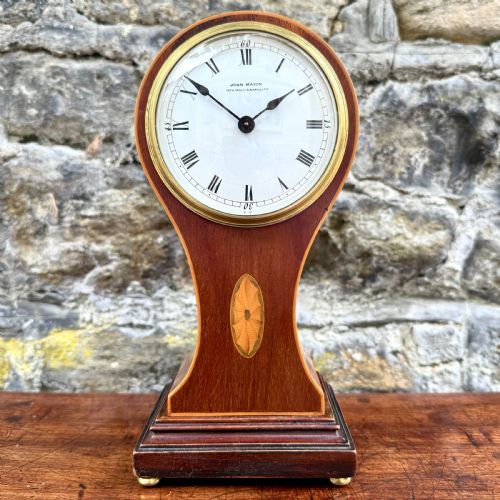
The pieces listed here appear across multiple periods, including the Georgian, Victorian, and Edwardian eras, alongside early twentieth-century examples. Mahogany, walnut, and oak frequently form the primary housing, complemented by brass bezels, silvered chapter rings, and bevelled glass panels.
Bracket clocks and mantel clocks dominate the selection, showing stylistic influences from French Belle Epoque designs to traditional English craftsmanship. Simpler timepiece movements exist alongside musical and striking mechanisms that chime on the quarter hour.
Materials and construction
Clockmakers constructed these housings using dense cabinet timbers such as mahogany, walnut, and oak, occasionally applying ebonised finishes, burr veneers, or faux tortoiseshell. Brass provides the structural framework for dials, bezels, carrying handles, and delicate movement plates.
Interior mechanisms rely on brass gear trains, spring-driven or fusee movements, and escapements controlled by pendulums or balance wheels. Enamel, silvered metal, and engraved brass form the visible dial faces, protected behind heavy glass doors or bezels.
Several carriage clocks include their original travel cases, suggesting their previous owners took precise timekeeping very seriously on bumpy journeys.
Evaluating craftsmanship
Quality reveals itself in the crispness of brass casting, the depth of cabinet polish, and the complexity of the movement within. Maker signatures inscribed on dials or movement backplates often indicate higher standards of workshop production.
Thomson of London·Lenzkirch·Brockbanks and Atkins·Mappin and Webb·Winterhalder·Turner of London·John Witherston·Tiffany
The Traditional Brass Table Clock Glossary
- Fusee
- A conical pulley used in mechanical clocks to maintain an even pull as the mainspring unwinds.
- Bracket clock
- A portable mechanical clock originally designed to sit upon a dedicated wall bracket or furniture surface.
- Carriage clock
- A small, spring-driven clock featuring a glass-panelled brass case and a folding handle, made for travel.
- Chapter ring
- The circular ring on a clock dial that displays the hour numerals.
- Verge movement
- An early form of mechanical clock escapement that controls the speed of the gear train using a crown wheel.
Traditional Brass Table Clock: Frequently Asked Questions
How do I wind a mechanical table clock?
Most mechanical clocks require a specialised key inserted into the winding holes on the dial face to tension the internal springs.
Care must be taken not to overwind the mechanism, stopping as soon as resistance is felt.
Where should I place a bracket clock?
These clocks perform best on stable, level surfaces away from direct sunlight, drafts, and excessive temperature changes that affect the wood and movement.
Traditional bracket clocks look equally appropriate on mantelpieces, heavy sideboards, or dedicated wooden wall shelves.
How do fusee movements work?
A fusee movement uses a spiral-grooved cone connected to the mainspring by a fine chain or cord.
This clever mechanical device ensures even power delivery to the gear train whether the spring is fully wound or nearly spent.
What is the difference between a timepiece and a clock?
In horological terms, a timepiece is a mechanical clock that tells the time of day but lacks any striking or chiming mechanism.
A standard clock includes additional gear trains designed to sound bells, gongs, or musical tunes on the hour or quarters.