
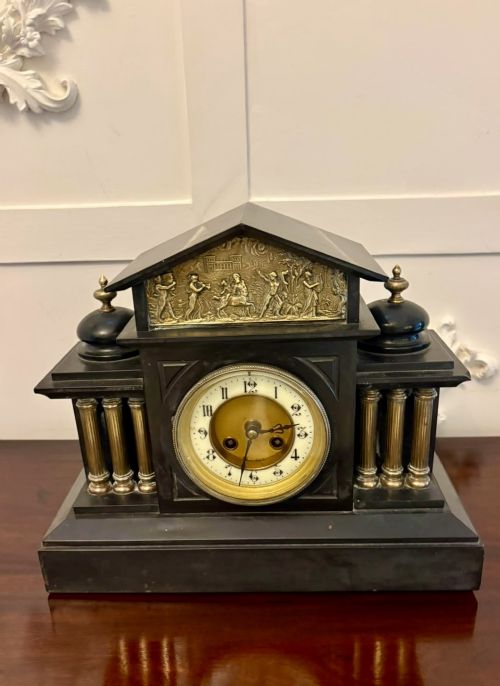
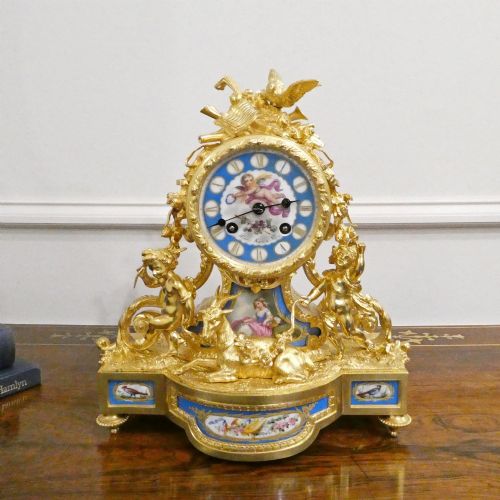
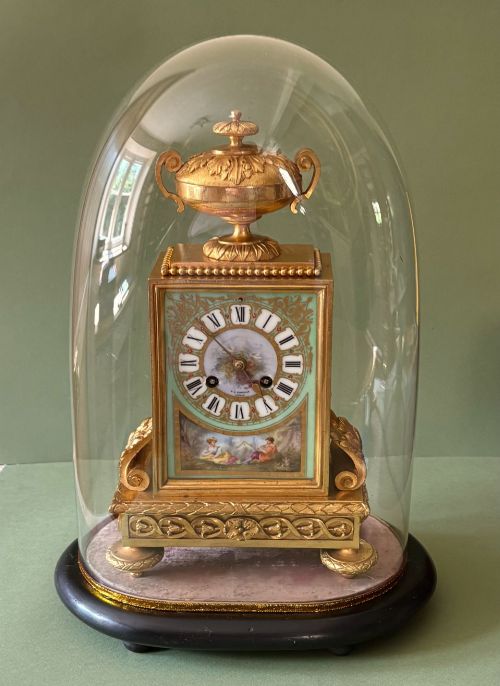
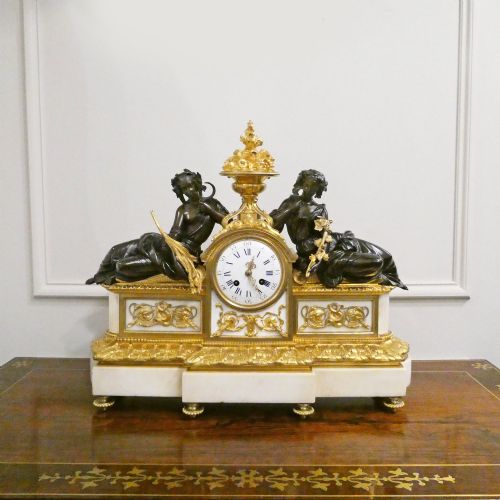
French Style Mantel Clock
A french style mantel clock brings continental flair and reliable timekeeping to a room, drawing the eye with elaborate metalwork and polished surfaces.
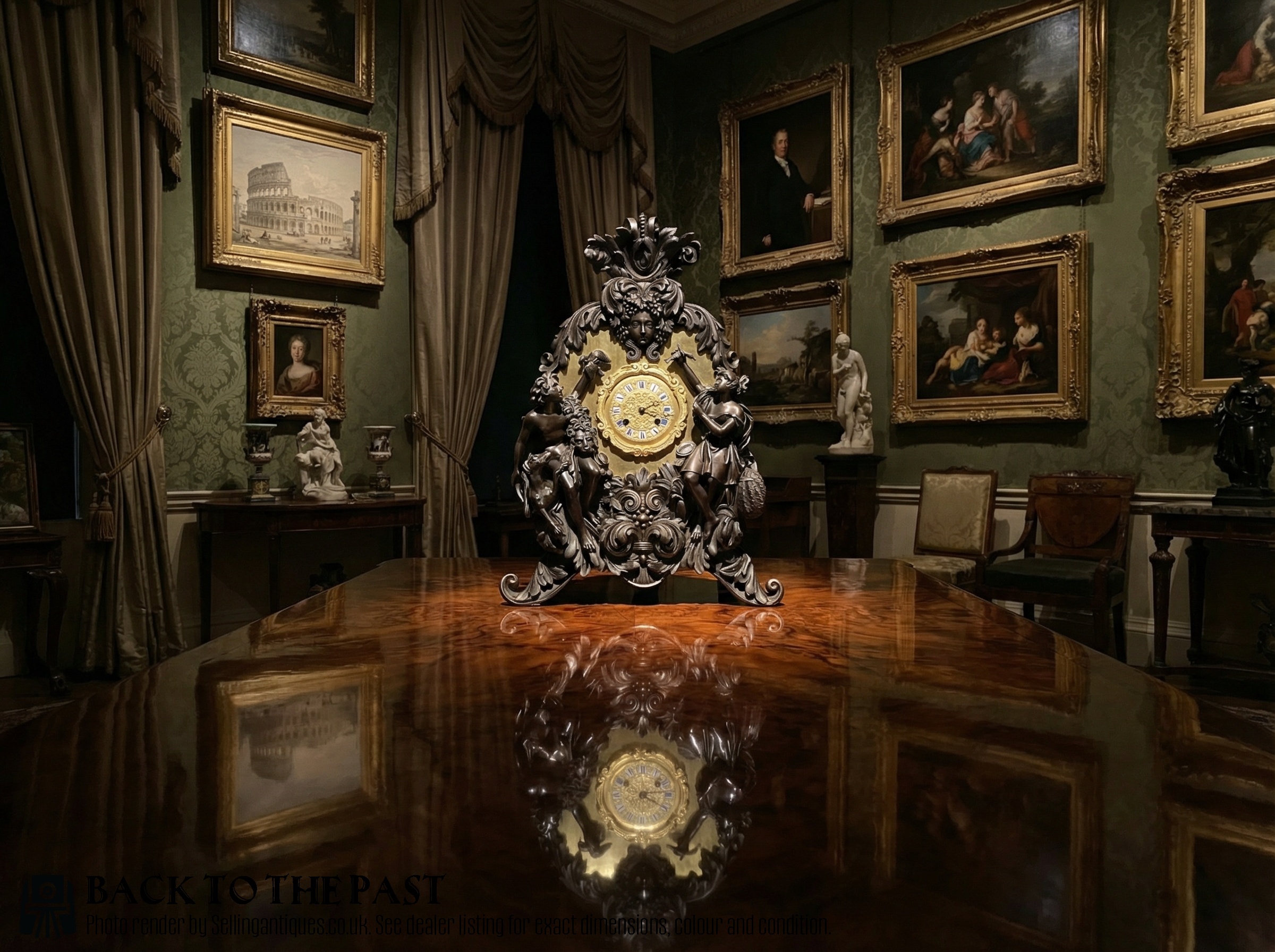
Identifying french style mantel clock pieces
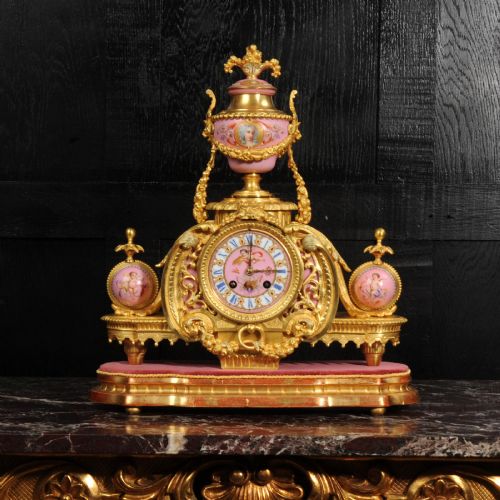
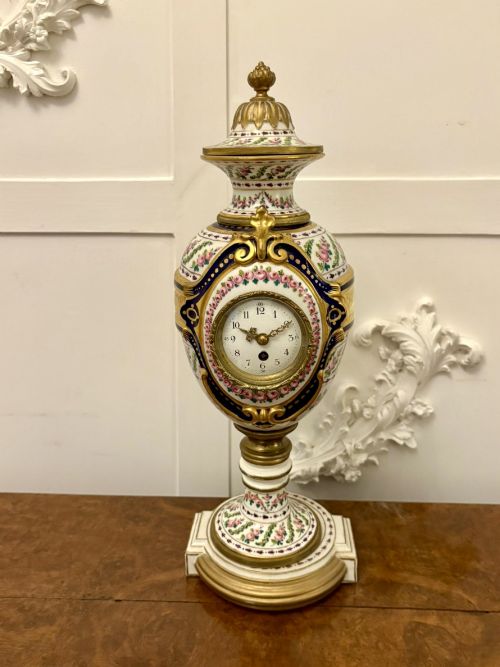
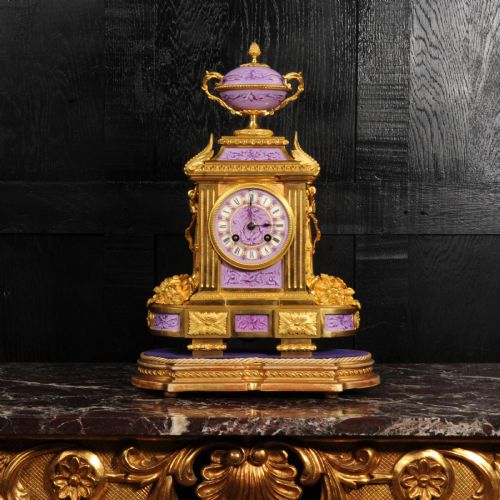
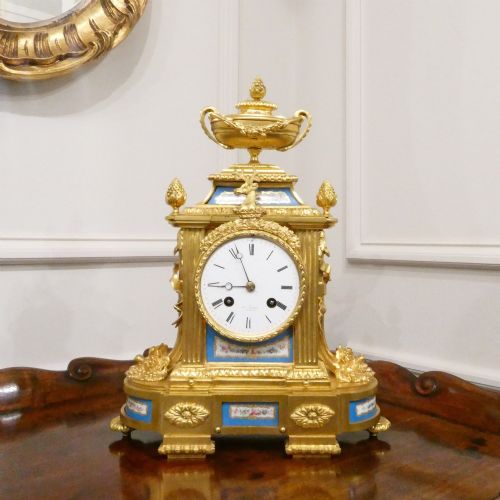
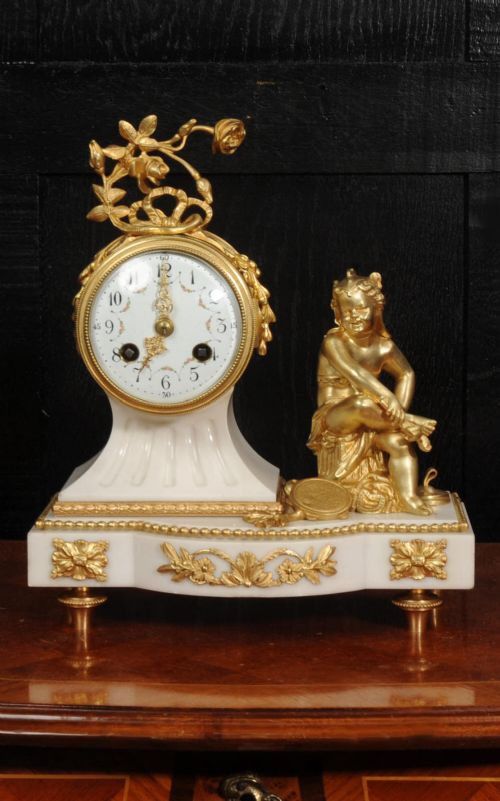
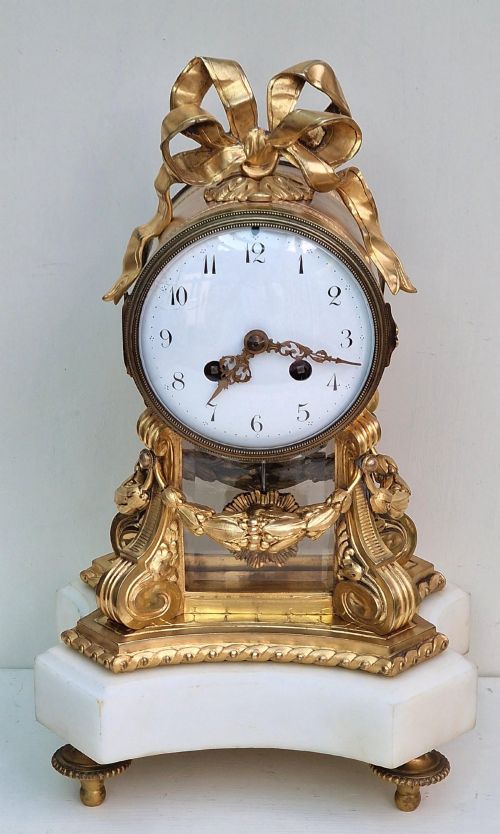
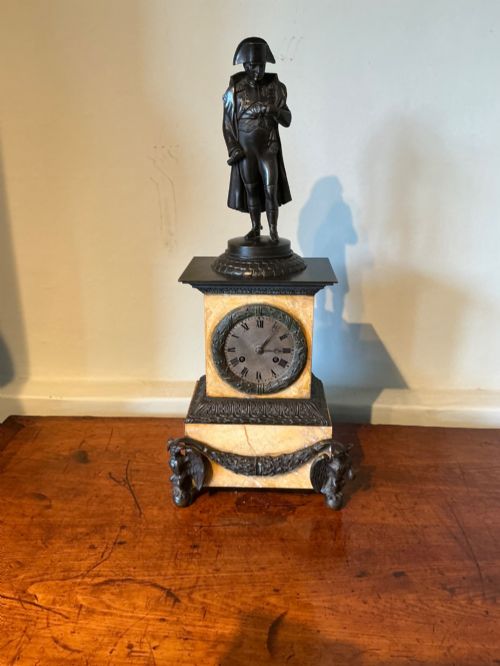
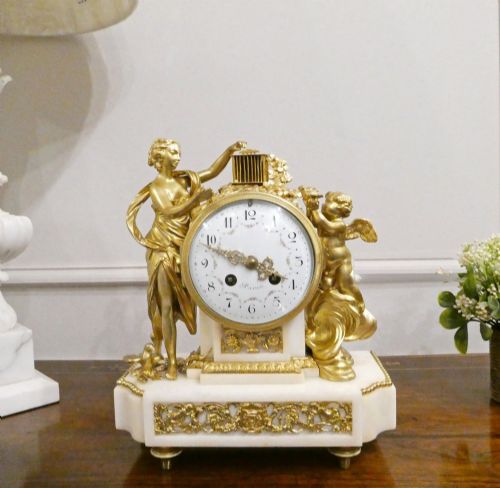
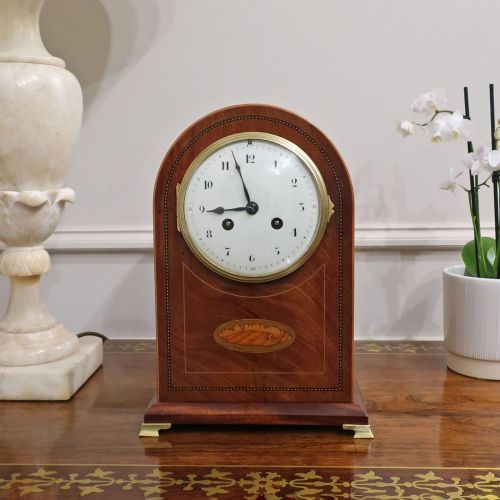
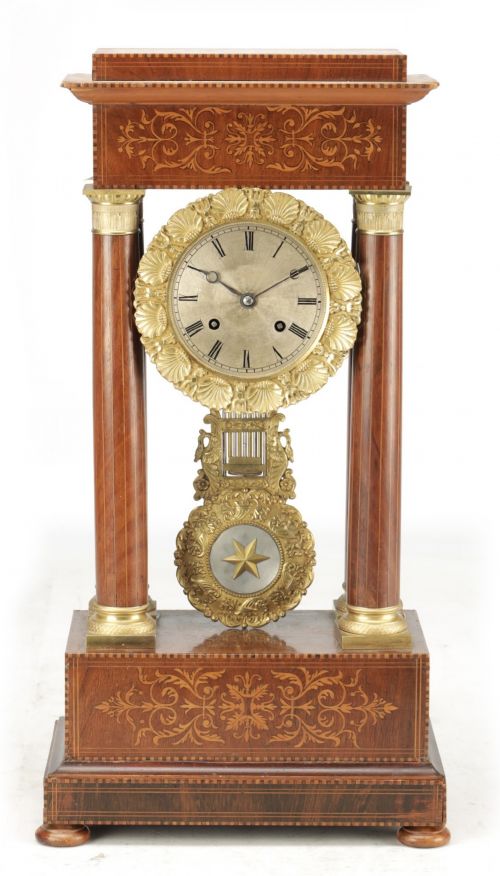
A french style mantel clock encompasses ornate timepieces designed for domestic interiors, heavily influenced by continental decorative movements.
The pieces appearing on this page draw from the nineteenth century, including the Regency and Victorian eras.
Makers and designers channel specific historical aesthetics such as the Rococo Revival, Louis XIV, Louis XV, Louis XVI, Empire, and Neoclassical styles.
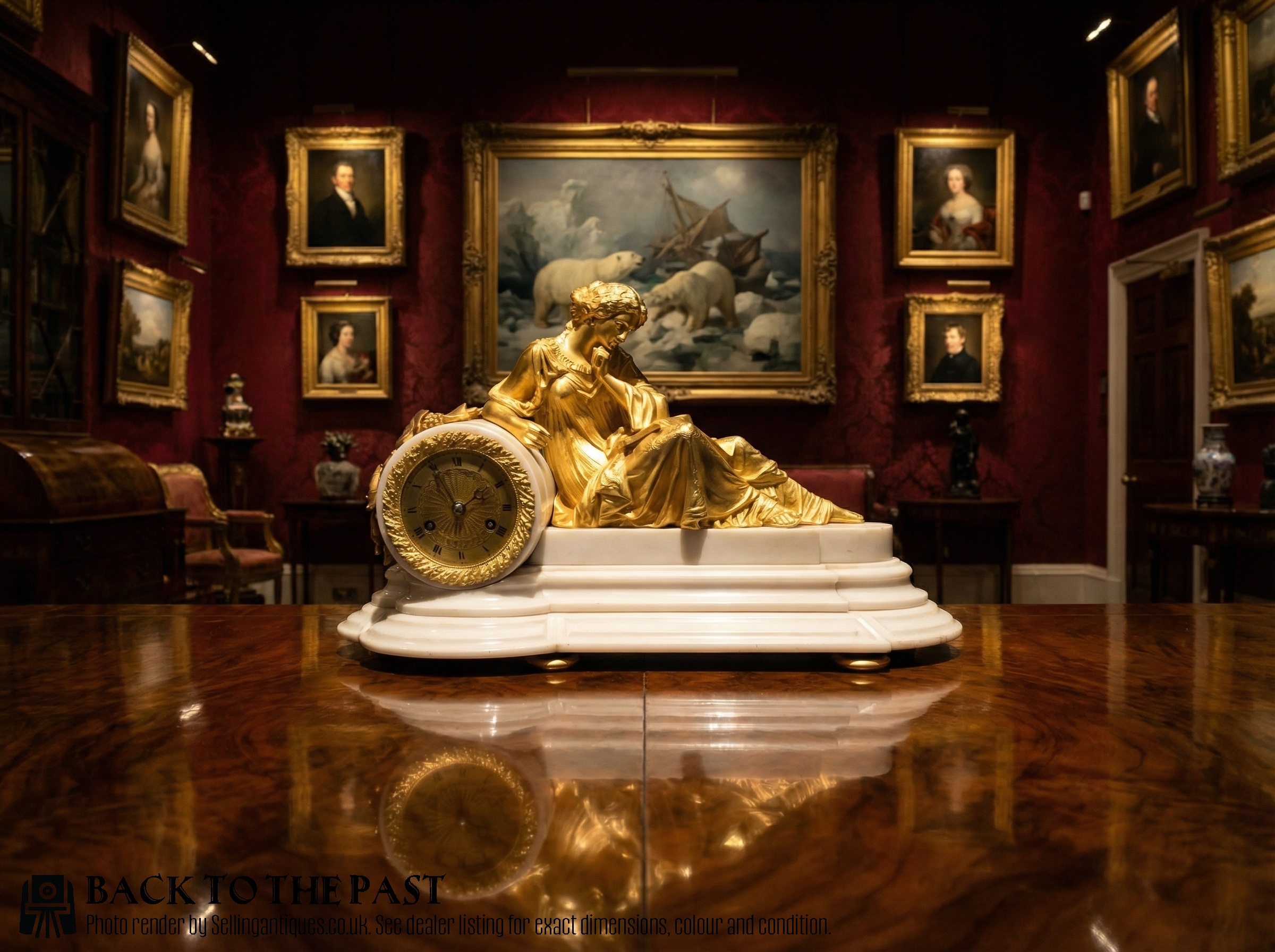
Assessing quality and craftsmanship
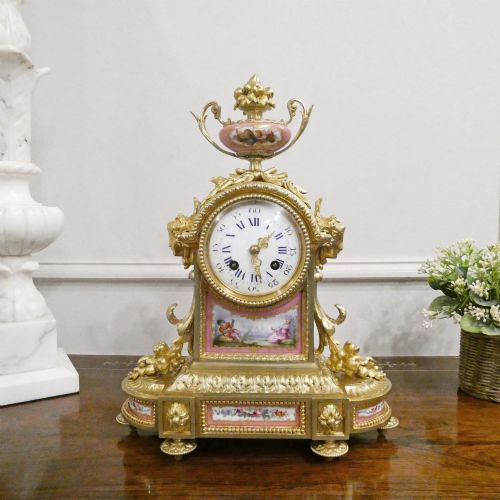
Superior examples display crisp casting and chasing in the bronze and ormolu mounts, where intricate foliage and figures retain sharp definition.
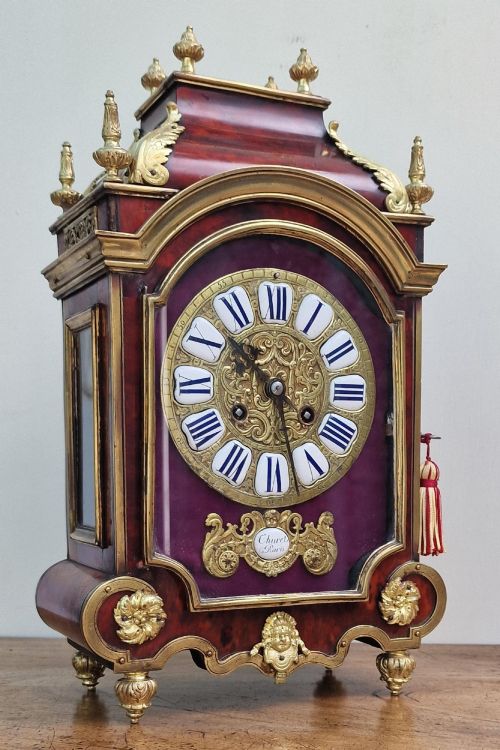
The integration of delicate materials such as porcelain plaques, hand-painted enamel dials, and tortoiseshell veneer elevates the sophistication of the piece.
Retail Price Guide 2026
Typical UK retail prices for french style mantel clock, calculated from the Sellingantiques database of over a million retail prices indexed since 2003. This retail price guide relies exclusively on Sellingantiques data; no external sources or auction records are used, so the figures do not describe the wider market.
Japy Freres·Vincenti·Charles Hour·Samuel Marti·Leroy·Hausburg·Viner London·John Bennett Cheapside London·Payne London·Payne and Co London·KPM Berlin
The French Style Mantel Clock Glossary
- Ormolu
- Gilt bronze created by applying a mercury and gold amalgam to bronze, then heating to drive off the mercury. This technique produces a rich golden finish characteristic of many decorative timepieces.
- Boulle
- A form of marquetry employing brass and tortoiseshell inlaid in intricate patterns. Named after a master cabinetmaker, it decorates the cases of elaborate clocks.
- Fusee
- A conical pulley used inside clock movements to maintain an even pull on the gear train as the mainspring unwinds. It ensures consistent timekeeping accuracy.
- Rococo Revival
- A nineteenth-century design movement favouring asymmetrical scrolls, C-curves, and naturalistic shell motifs. It dominates the ornamentation of many continental style clock cases.
- Neoclassical
- A style rooted in classical antiquity featuring symmetrical lines, urns, and architectural motifs. It provides a restrained counterpoint to exuberant rococo designs.
Frequently Asked Questions
What periods do these clocks date from?
The selections span the nineteenth century, encompassing Regency and Victorian periods alongside specific decades like the eighteen sixties and eighties.
Maker signatures and stylistic traits help anchor individual examples within these historical windows.
How do I wind an eight day clock?
An eight day movement requires winding via the dial holes using a matching key every week to keep the pendulum swinging steadily.
Careful handling ensures the internal fusee or spring mechanism remains undamaged during the routine.
What is Boulle work?
Boulle work is a marquetry technique combining cut brass and dark tortoiseshell in alternating counter-part patterns across the clock case.
This painstaking craft creates a shimmering tortoiseshell and golden surface effect.
Where were these clocks displayed?
Domestic interiors used these timepieces as prominent decorative focal points on drawing room mantelpieces and console tables.
Their striking combination of gilt bronze and porcelain made them status objects for prosperous households.