
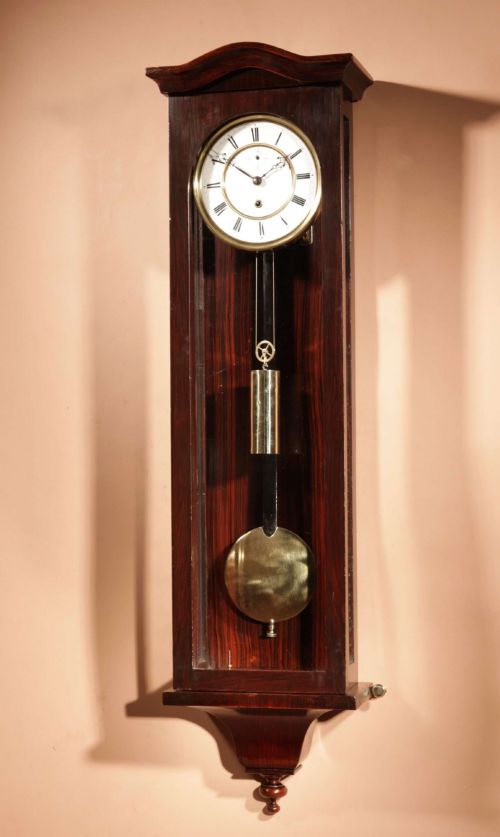
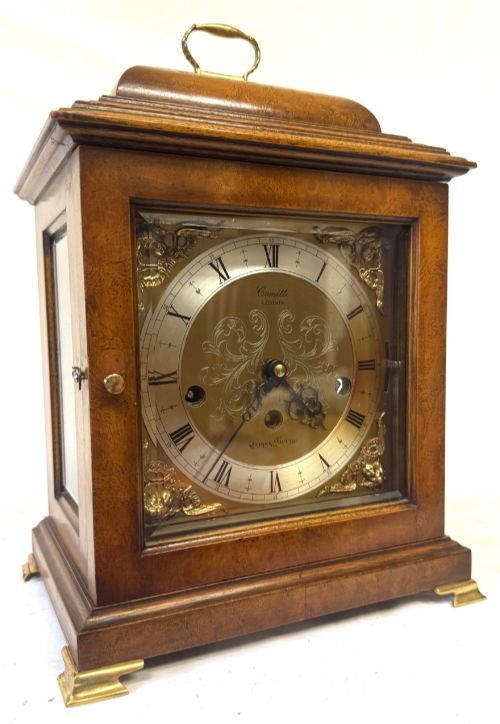
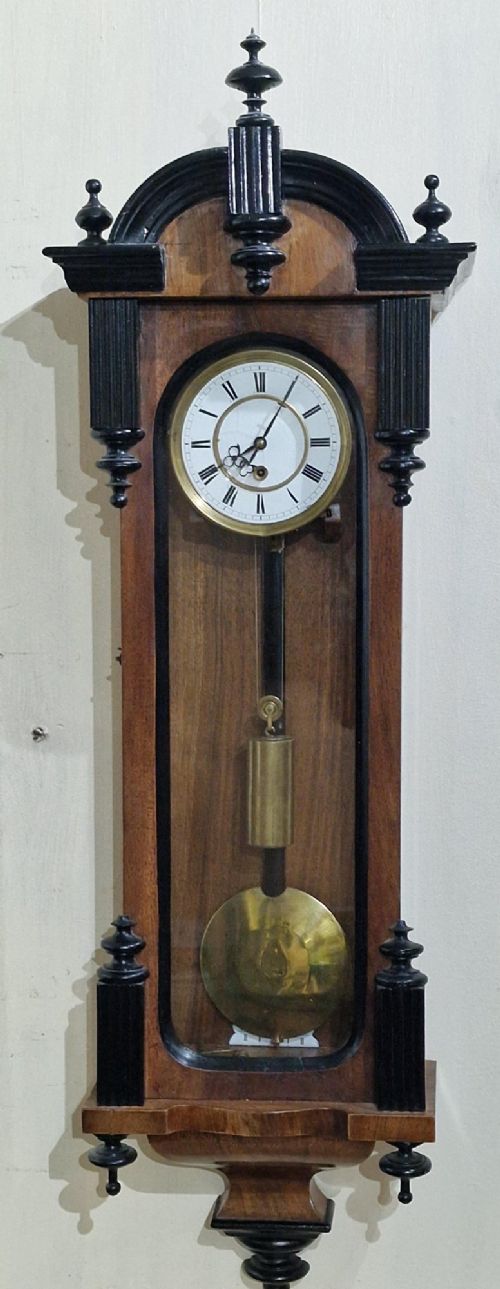
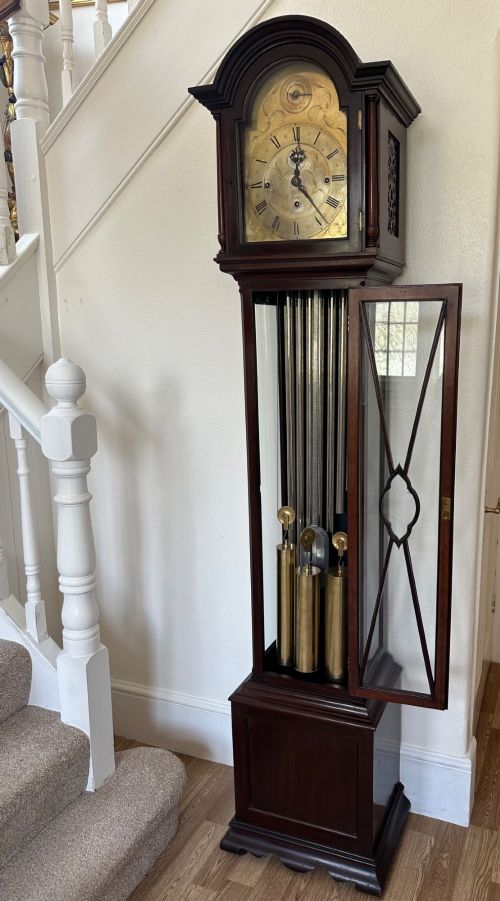
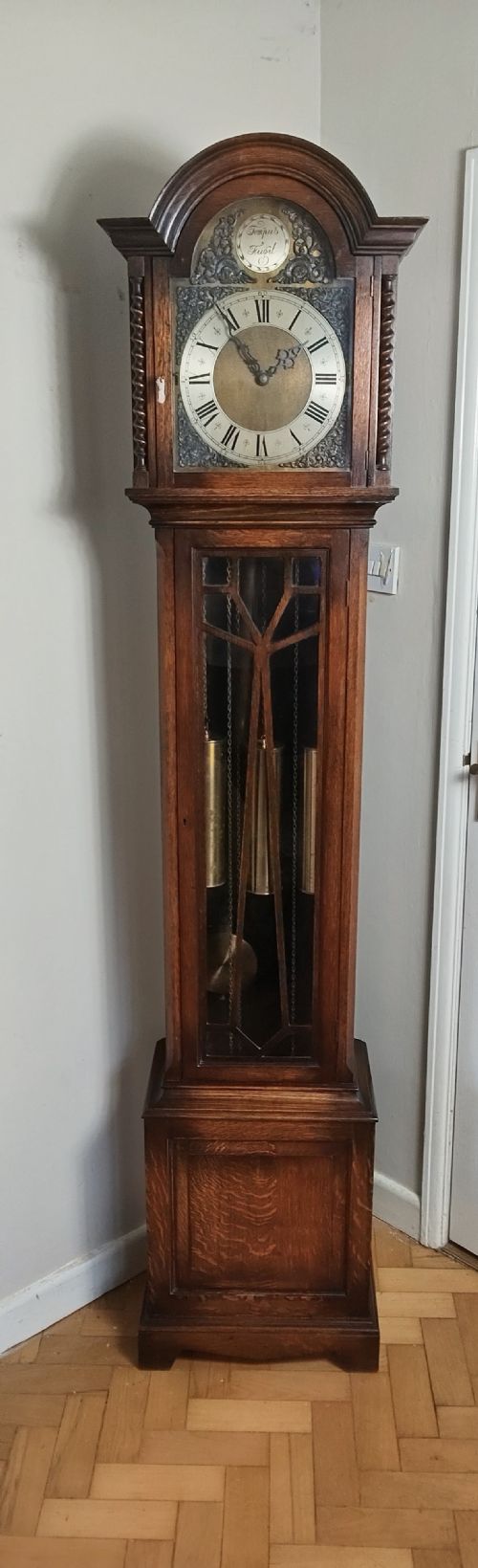
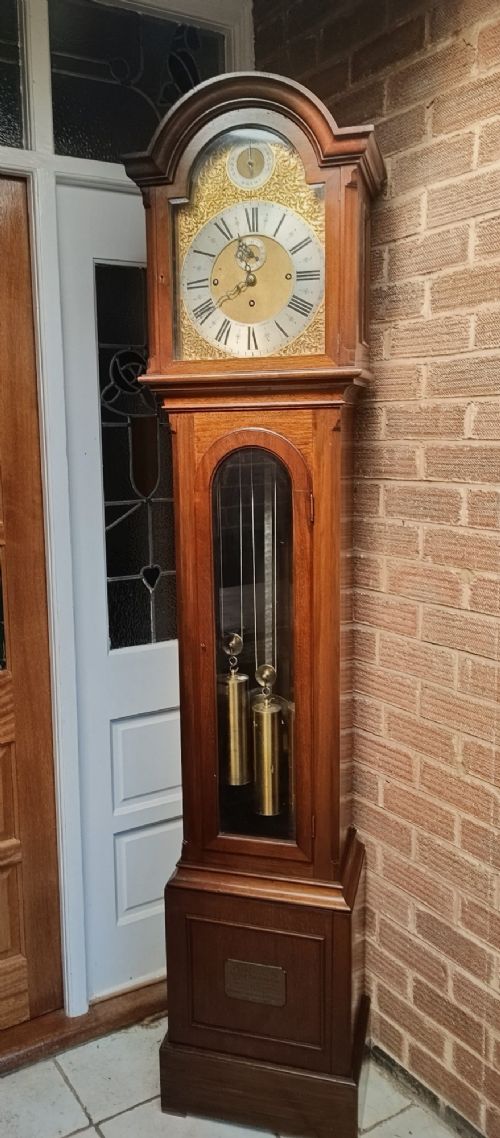
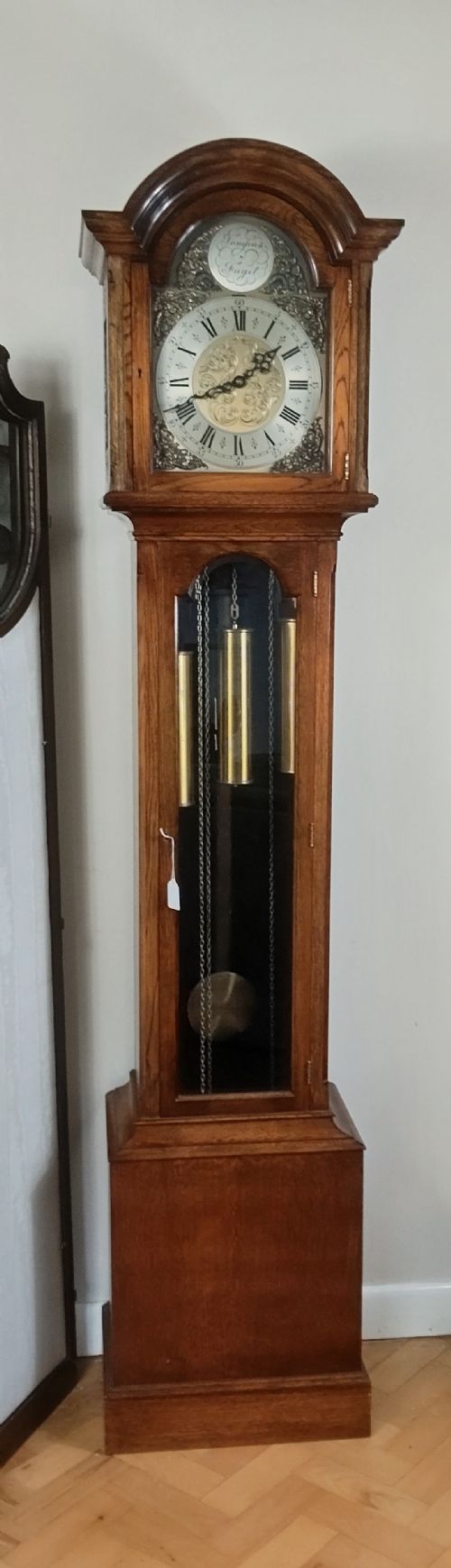


Glazed Brass Clock
These glazed brass clock examples combine precision engineering with heavy metalwork, offering a striking functional centrepiece for any mantel.
What They Are
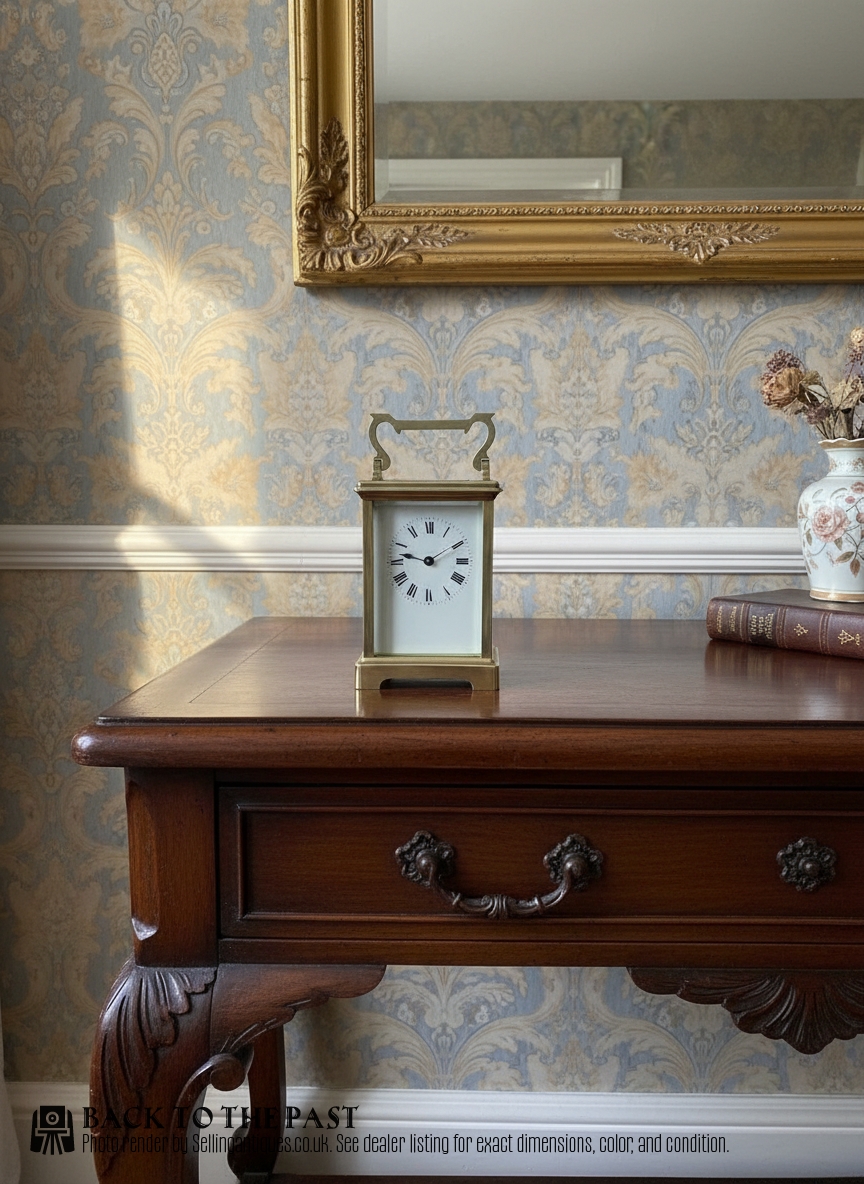
A glazed brass clock typically takes the form of a carriage clock or a mantel clock, designed to be portable yet substantial. These pieces merge visible mechanical movements with protective glass panels housed within brass frames.
The versions most likely to appear here span the Victorian and Mid-Century Modern periods, including traditional French designs and Atmos mechanisms. They reflect varied manufacturing eras from 1880 to 1960, showing diverse aesthetic approaches across the decades.
Collectors search for these items to secure working timepieces that display intricate inner gears alongside polished metal cases. Each object records a specific historical period of clockmaking and domestic utility.
How They Were Made
The engineering relies on specialised French and Swiss production methods, integrating striking complications and specialised movements such as the Atmos system. Metal casting, polishing, and delicate gear assembly define the fabrication of each piece.
Retail Price Guide 2026
Typical UK retail prices for glazed brass clock, calculated from the Sellingantiques database of over a million retail prices indexed since 2003. This retail price guide relies exclusively on Sellingantiques data; no external sources or auction records are used, so the figures do not describe the wider market.
Current listings span the Victorian, traditional French, and Mid-Century Modern styles, utilising brass, glass, and enamel.
What Varies in Quality
Quality rests upon the heft of the brass casing and the complexity of the internal movement, distinguishing massive workshop stock from standard domestic timepieces. Superior examples feature heavier metal construction and prestigious maker signatures on the dial or movement.
The clarity and thickness of the glass panels, alongside the preservation of the enamel dial, further separate standard productions from high-end items. Master horologists achieved greater precision and durability in their gear trains, ensuring long-term mechanical reliability.
Latshea and Sons Edinburgh·L Epee·Jaeger Le Coultre
The Glazed Brass Clock Glossary
- Carriage clock
- A small, portable spring-driven timepiece designed for travellers during the nineteenth century. These clocks usually feature a rectangular brass case with glass sides and a swinging handle on top.
- Atmos clock
- A mechanical timepiece manufactured by Jaeger-LeCoultre that is powered by subtle temperature fluctuations in the environment. It requires no manual winding and represents a pinnacle of clever engineering.
- Enamel dial
- A clock face created by fusing powdered glass to a metal substrate at high temperatures. This technique produces a smooth, glossy, and remarkably durable surface that resists fading.
- Striking movement
- A mechanism within a clock that sounds the hours or half-hours using an internal bell or gong. It adds an auditory dimension to the visual appeal of the piece.
Frequently Asked Questions
How do I wind a carriage clock?
Most carriage clocks require a dedicated key inserted into the winding arbor at the back of the movement. Turn the key gently until you feel resistance, taking care not to over-wind the mainspring.
Keep the clock upright during this process to avoid disturbing the delicate balance wheel inside the brass housing.
What is an Atmos clock?
An Atmos clock operates without a key or battery by using a hermetically sealed capsule containing a gas and liquid mixture. Changes in room temperature cause this mixture to expand and contract, winding the mainspring continuously.
This ingenious mechanism allows the clock to run indefinitely with virtually no human intervention.
How should I clean the brass case?
Dust the brass exterior regularly with a soft, dry cloth to prevent the accumulation of grime in the intricate corners. Avoid using harsh chemical polishes that can strip away the original aged patina and damage adjacent glass panels.
If deeper cleaning is necessary, consult a professional horologist to prevent disturbing the delicate internal mechanism.
Where should I place a heavy brass clock?
Position the clock on a stable, level surface such as a mantelpiece or a sturdy sideboard to ensure accurate timekeeping. A level base is essential for the escapement to beat evenly and maintain correct rhythm.
Keep the piece away from direct sunlight and excessive moisture to protect the enamel dial and brass finish.