


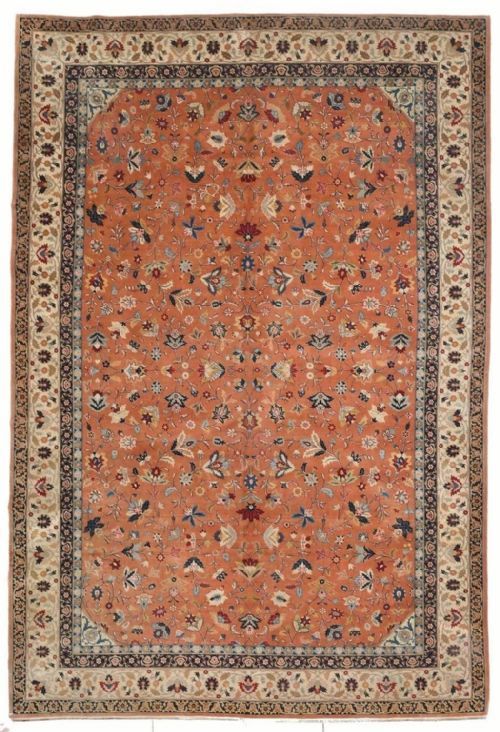
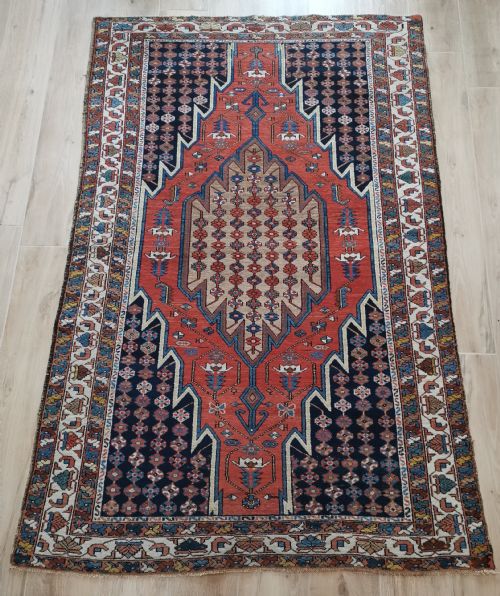
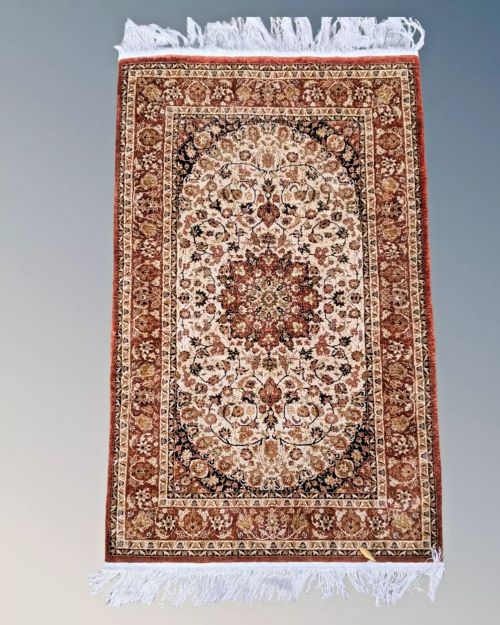
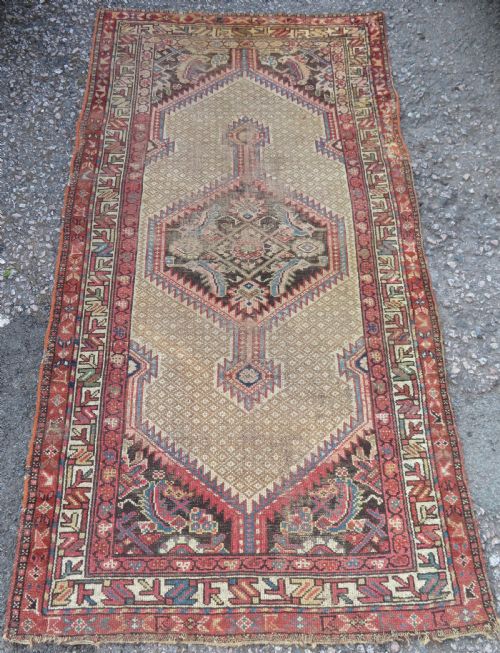

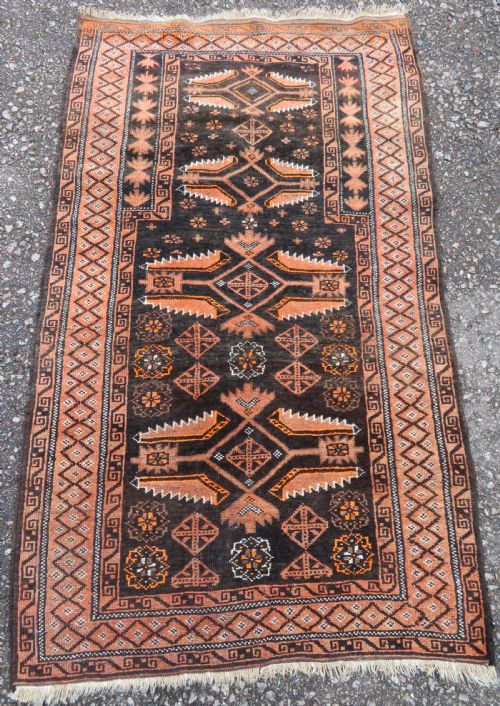
Terracotta Persian Runner Rug
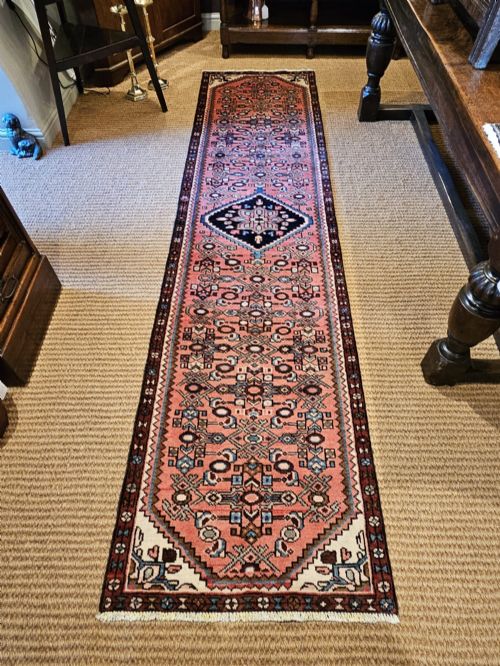
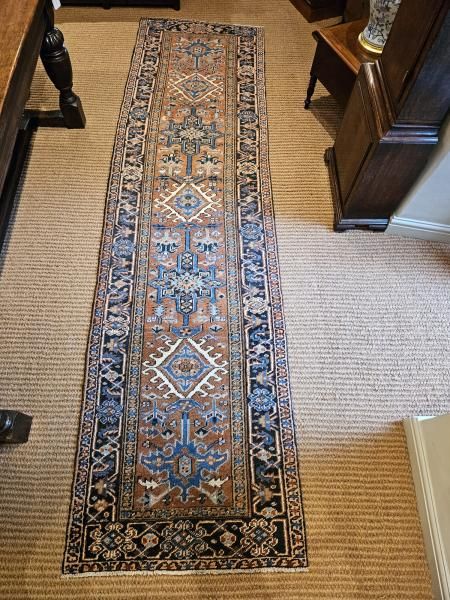
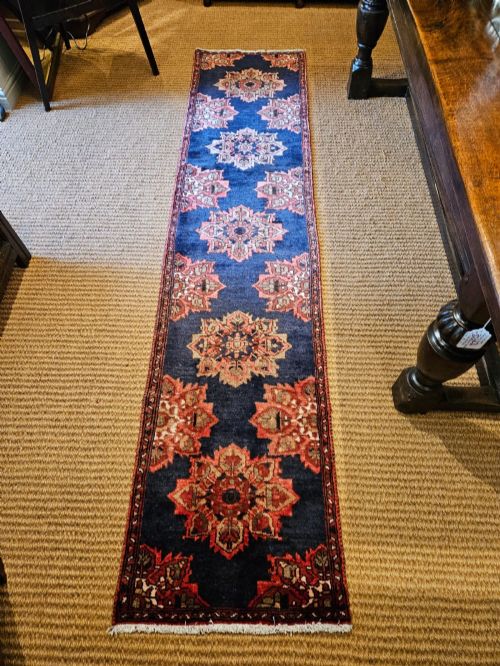
A terracotta persian runner rug brings rich warmth and linear structure to a narrow hallway or corridor.
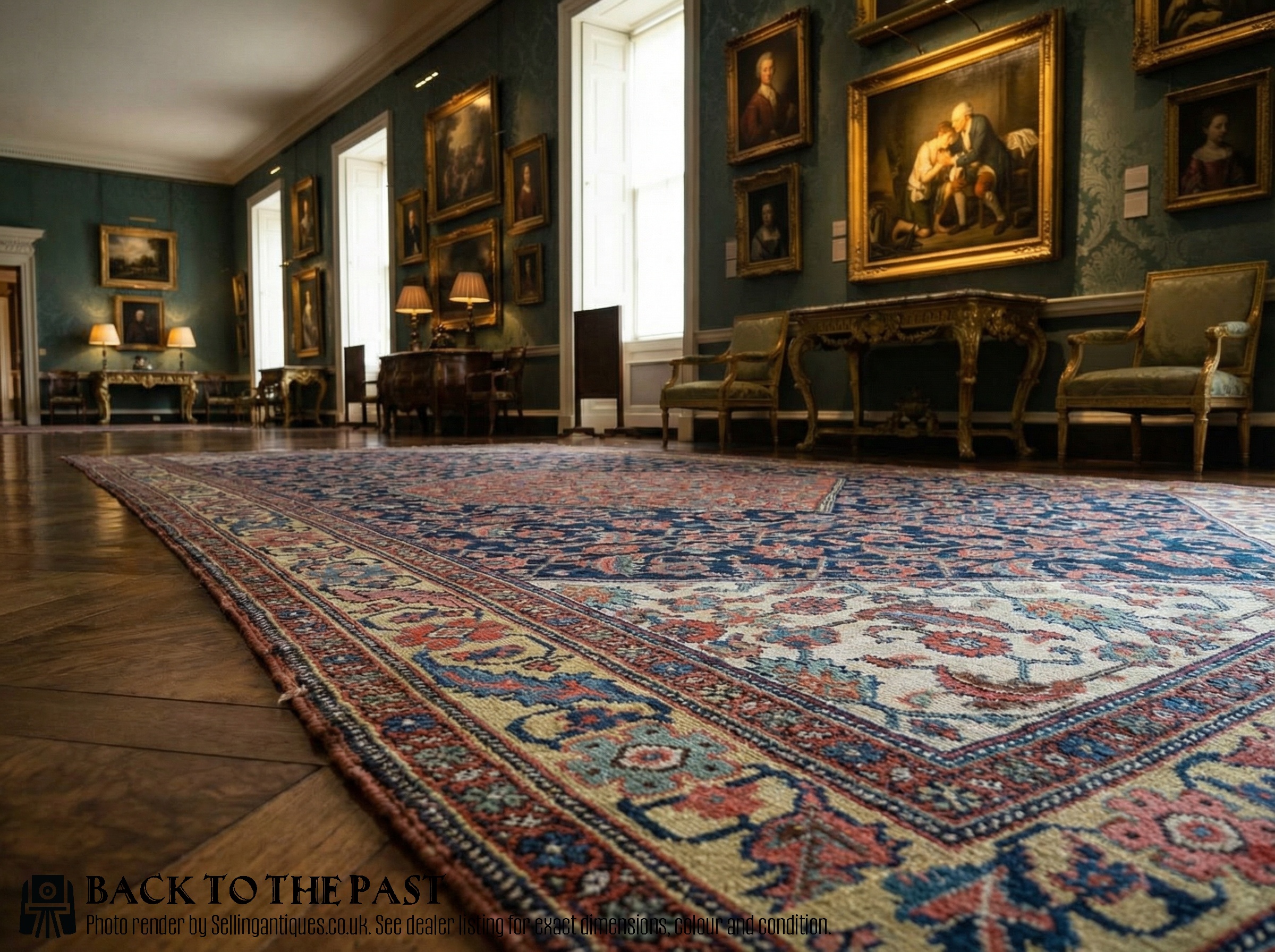
Terracotta Persian Runner Rug
A terracotta persian runner rug bridges domestic utility and regional weaving traditions, offering elongated formats suited to corridors and hallways. When searching this phrase, buyers encounter hand-knotted pieces originating from Persian tribal and village workshops across the nineteenth and early twentieth centuries.
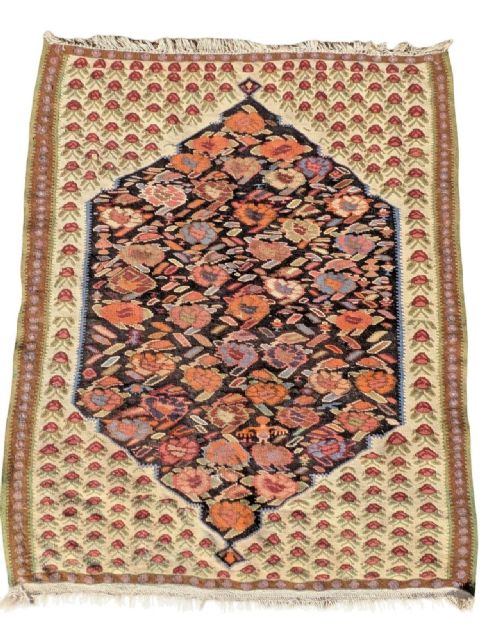
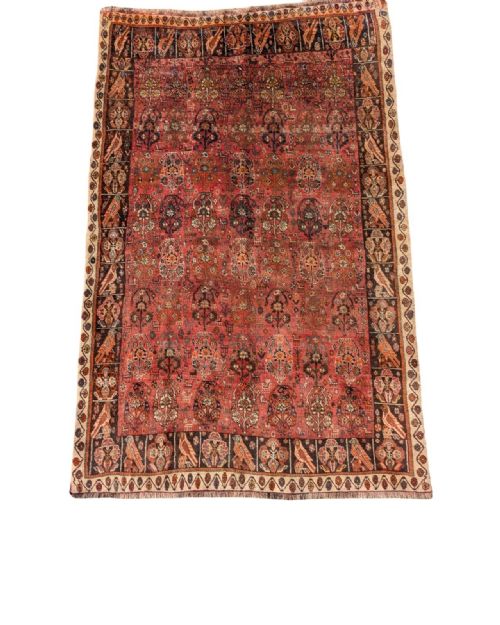
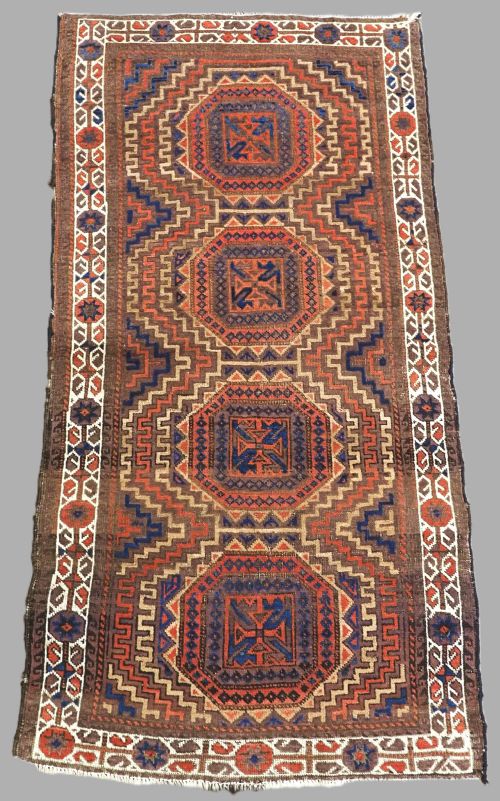
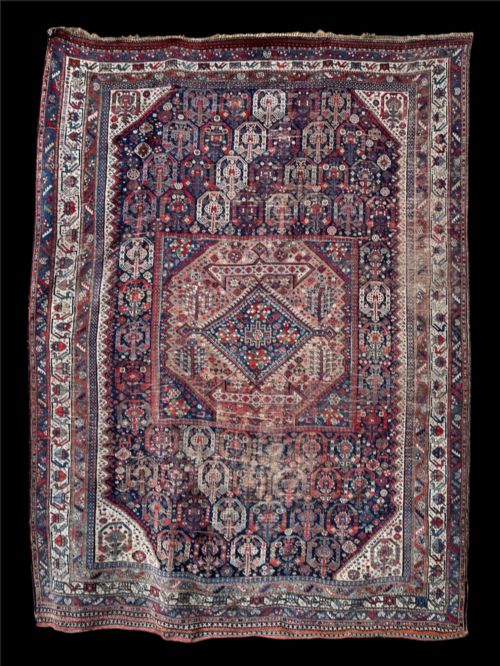
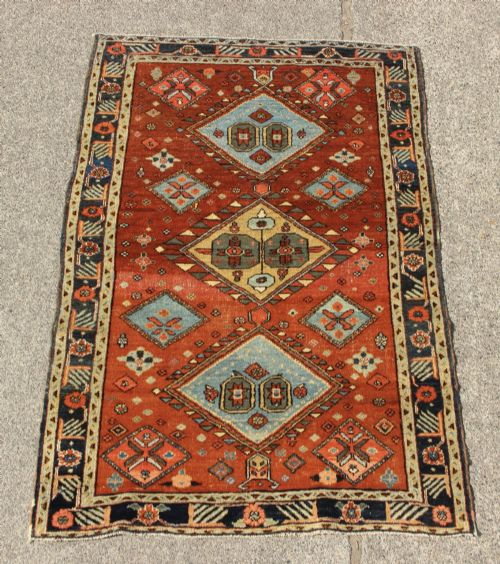
The evidence on this page shows runner rugs and long carpets spanning periods from the 1870s through the 1930s. Pieces emerge from specific regional weaving traditions such as Heriz, Bakshaish, Kurdish, and Hamadan, reflecting distinct local patterns and proportions.
Traditional formats vary from narrow long runners to broader kelleh carpets. These floor coverings combine durable wool foundations with intricate geometric or medallion layouts suited to high-traffic domestic spaces.
How they were made
Weavers utilised hand-spun wool and cotton foundations, occasionally incorporating camel hair or silk for specific structural or decorative effects. Natural dyes provided the foundational terracotta and earthy palette seen across these traditional carpets.
The construction relies on hand-knotting techniques executed on upright looms, binding pile yarns securely to warp and weft threads. This dense knotting method accounts for the structural longevity found in nineteenth-century and early twentieth-century village pieces.
Listings feature runner rugs and carpets originating from the 1870s through the 1930s, utilising wool, cotton, and natural dyes.
What varies in quality
Knot density and wool quality distinguish finer village and tribal works from standard utility carpets. Tighter knotting allows for crisper geometric definition and greater resilience under foot traffic.
The depth and consistency of natural dyes influence visual coherence as the pile ages. Subtle variations in tone indicate skilled dye extraction, separating standard commercial output from exceptional regional weaving.
The Terracotta Persian Runner Rug Glossary
- Runner
- A long, narrow carpet format designed specifically for corridors, hallways, and staircases. These pieces typically measure significantly greater in length than in width.
- Knot
- An individual loop of wool, silk, or cotton tied around warp threads to form the pile of a rug. Hand-knotted density largely determines the durability and detail of the pattern.
- Warp
- The vertical threads stretched lengthwise on a loom that form the structural foundation of a rug. Weft threads are inserted across these warp elements to secure the knots.
- Boteh
- A traditional almond-shaped or paisley motif representing a floral spray or cypress tree. This ancient symbol appears frequently in Persian and tribal textile designs.
- Kelleh
- A large rectangular carpet format, longer than it is wide, traditionally used in Persian domestic interiors. These grand pieces occupy substantial floor areas compared to narrow runners.
Terracotta Persian Runner Rug: Frequently Asked Questions
Where should I place a runner rug?
These elongated carpets fit naturally in long hallways, narrow corridors, and entryways where floor coverings soften foot traffic and add linear colour. They also function effectively alongside galley kitchens or beside bedroom furniture.
Because these textiles were constructed for daily domestic endurance, wool piles handle transitional spaces well while protecting underlying flooring.
How do I care for antique wool runners?
Regular gentle vacuuming without a rotating brush roll helps remove embedded dust and grit from the wool pile. Professional cleaning suited for antique textiles preserves natural fibres and dye stability.
Keeping rugs out of direct, harsh sunlight prevents uneven fading of natural terracotta and indigo tones over decades of use.
What is the difference between tribal and city rugs?
Tribal and village pieces generally display bolder geometric motifs, asymmetrical details, and locally sourced materials reflecting nomadic or regional traditions. City workshop carpets tend to exhibit more formal, symmetrical floral medallions and highly refined curvilinear designs.
Both categories utilise traditional hand-knotting, but the aesthetic vocabulary differs according to whether the makers worked independently or within structured urban ateliers.
How can I date an older Persian runner?
Dating relies on examining structural characteristics, palette composition, wool texture, and regional design evolution across the nineteenth and early twentieth centuries. Natural dye variations and hand-spun yarn irregularities frequently point towards production before synthetic aniline dyes became widespread.
Comparative analysis with documented regional formats from periods like the 1880s or 1910s helps narrow down the likely decade of manufacture.