


Red Wool Hall Runner
A red wool hall runner brings warmth and linear rhythm to a long interior space using traditional regional weaving methods.
Red Wool Hall Runner
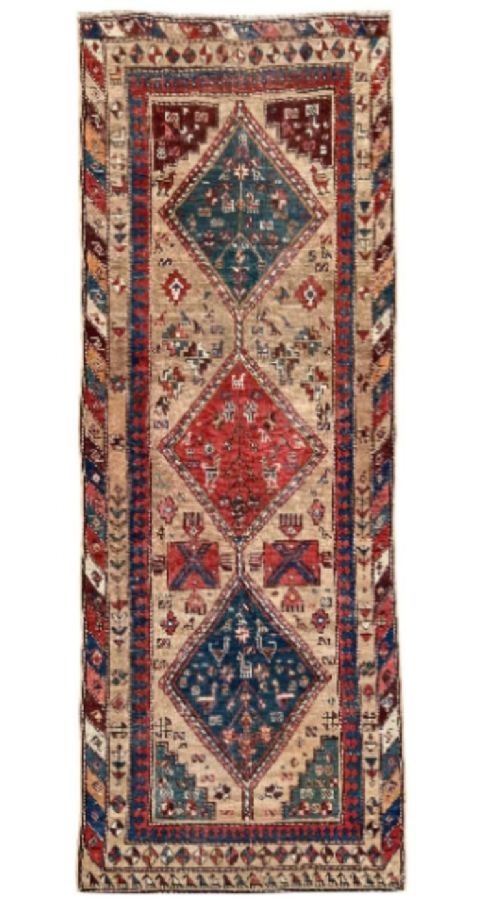
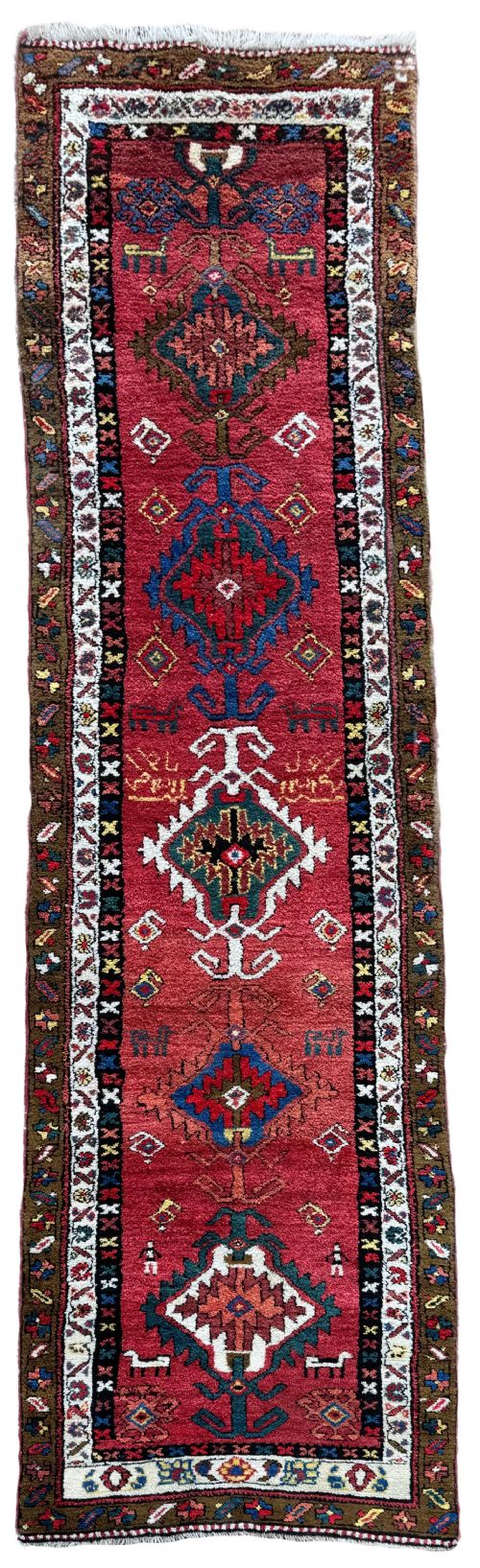
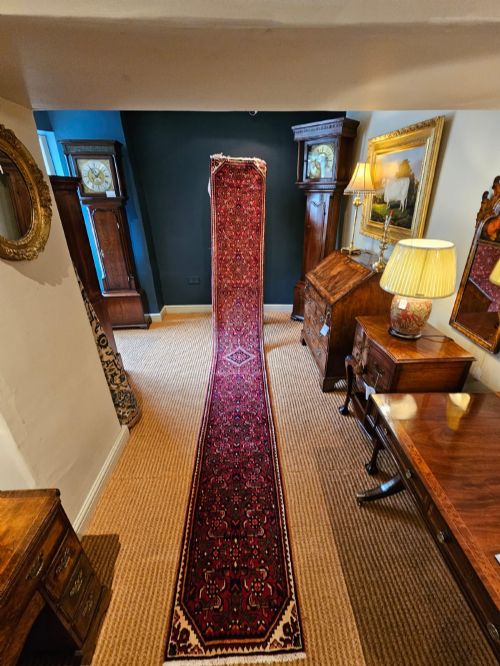
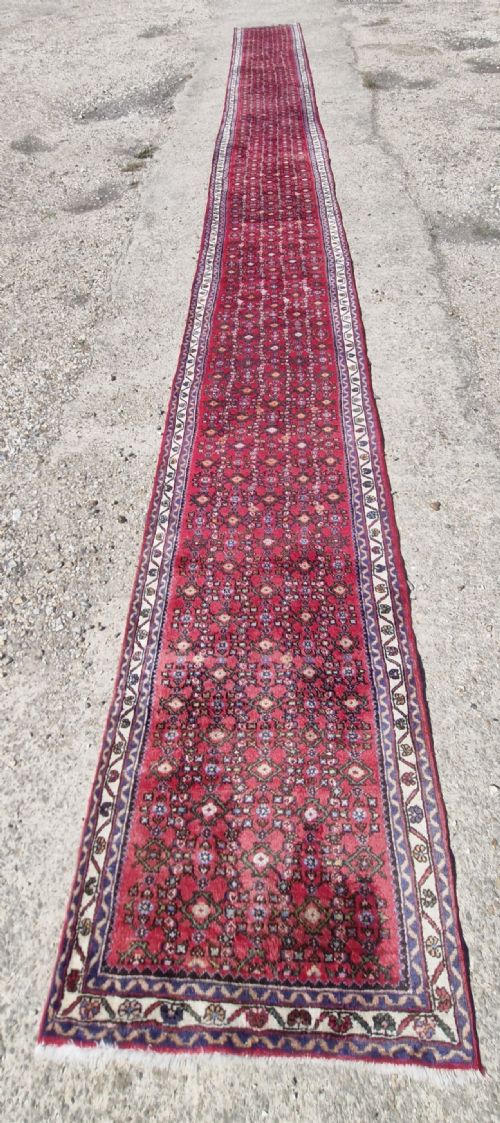
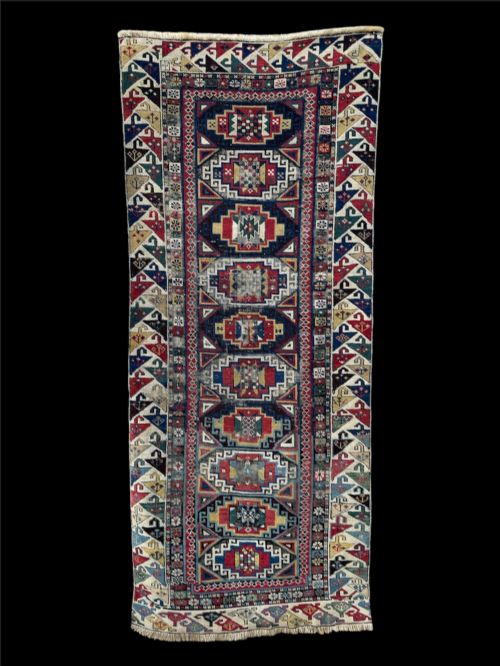
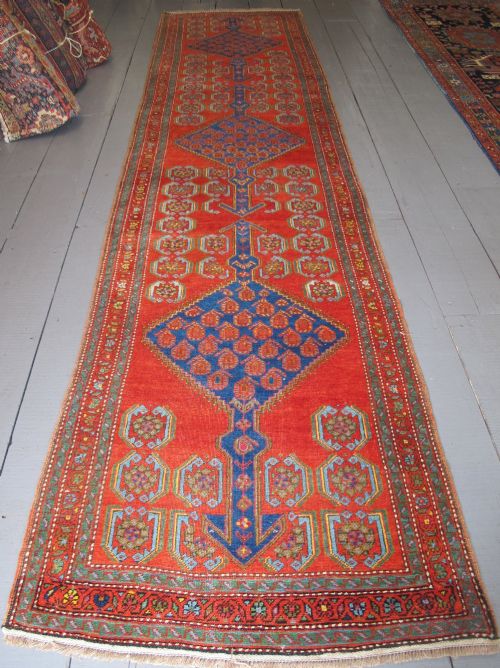
A red wool hall runner is a long, narrow carpet designed specifically for corridors, hallways, and landings. These pieces span origins from Persian workshops to Caucasian and Anatolian tribal regions.
The selections encountered here include nineteenth-century corridor rugs alongside early twentieth-century examples. Common forms range from Heriz and Kurdish runners to Caucasian Kazak and Shirvan types.
How they were made
The construction relies primarily on wool and hand-spun wool fibres, occasionally paired with cotton foundations. Natural dyes provide the enduring palette seen across these traditional floor coverings.
Weavers knotted and wove these pieces by hand in workshops and tribal camps. The techniques produce durable narrow formats suited to heavy foot traffic in domestic hallways.
Red Wool Hall Runner Retail Price Guide 2026
Typical asking prices for red wool hall runner among the pieces listed under this phrase on Sellingantiques today, from the lower quarter to the upper quarter. They describe what is for sale here now, not the wider market.
Some nineteenth-century tribal weavers included small human figures alongside traditional geometric motifs.
What varies in quality
The distinction lies in the precision of the weave and the depth of the natural dyes. Finely spun wool and tight knotting separate standard utility rugs from exceptional tribal and workshop specimens.
Proportions also dictate the character of the piece, with exceptionally long narrow formats requiring rigorous structural integrity along the borders.
The Red Wool Hall Runner Glossary
- Runner
- A long, narrow carpet format intended for corridors, stairs, and hallways. These pieces balance length with constrained width.
- Knot
- The individual loops of wool tied to the warp threads that form the pile of the rug. Density often indicates the origin and workshop skill.
- Natural Dyes
- Colourants derived from plants, insects, and minerals rather than synthetic compounds. They yield harmonious tones that age gracefully over decades.
- Warp
- The vertical threads stretched on the loom that carry the structural load of the rug. Visible fringe ends usually comprise these parallel foundation strands.
- Medallion
- A central ornamental design motif placed in the field of the rug. Tribal weavers frequently used geometric or hooked medallion variants.
Red Wool Hall Runner: Frequently Asked Questions
How do I measure for a hall runner?
Measure the clear length of your hallway while leaving a uniform margin of bare floorboards or stone visible around the perimeter. Account for door clearances so the rug does not obstruct the swing path.
Keep in mind that very long runners may need to navigate architectural turns or radiator clearances. Planning the exact pathway ensures the rug centres properly within the space.
Where should I place a long runner?
These narrow formats belong in high-traffic transit zones such as entrance halls, long corridors, and stair landings. They protect wooden flooring while adding a strong linear anchor to narrow interior architecture.
Avoid placing them where dampness occurs regularly, as traditional wool fibres require dry indoor conditions. Proper underlay keeps the rug flat and prevents slipping on smooth floors.
How do I care for antique wool runners?
Vacuum the surface gently using suction only, avoiding the rotating brush bars that can pull at antique wool piles. Lift and shake the rug occasionally to release embedded grit from the foundation.
Address accidental spills immediately by blotting with a clean, dry cloth rather than rubbing. Professional cleaning is recommended every few years to preserve the natural dyes.
How do I distinguish regional rug styles?
Caucasian pieces tend to feature sharp geometric motifs and hooked medallions with contrasting primary colours. Persian workshop pieces like Heriz or Sarouk often display more curvilinear floral patterns and balanced field arrangements.
Tribal Kurdish or Bakhtiari runners display spontaneous layouts with varied motifs woven from memory. Examining the knotting style and wool texture helps confirm these regional distinctions.