


Hand Woven Accent Rug
A hand woven accent rug brings character and texture to a room, offering genuine regional designs from centuries past.
Hand Woven Accent Rug
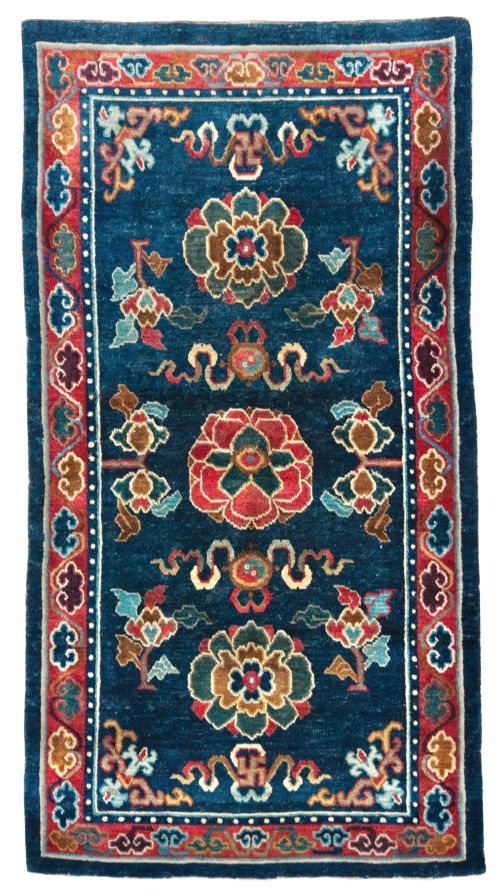
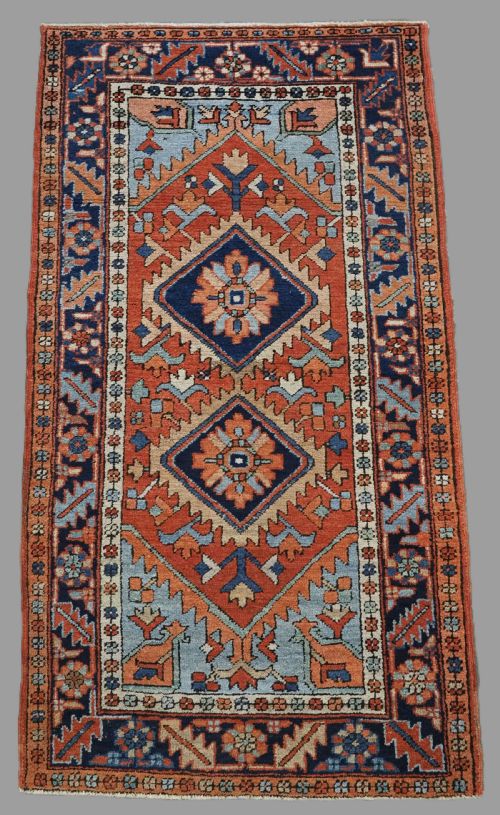
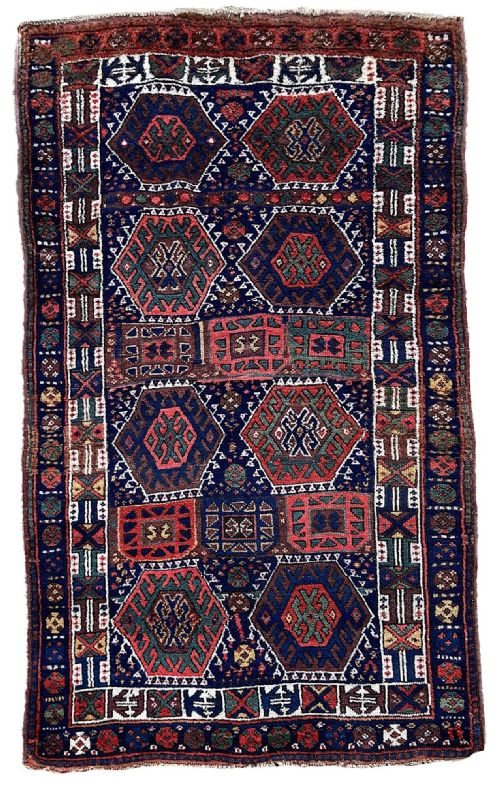
A hand woven accent rug is a floor covering or textile created by traditional makers, often found in smaller formats suited for specific areas of a room. These pieces originate from regions such as Persia, Anatolia, and Tibet, spanning periods from the nineteenth century into the early twentieth century.
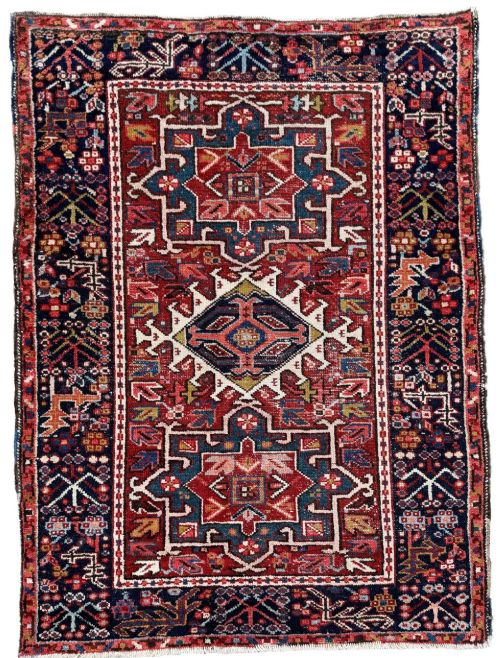
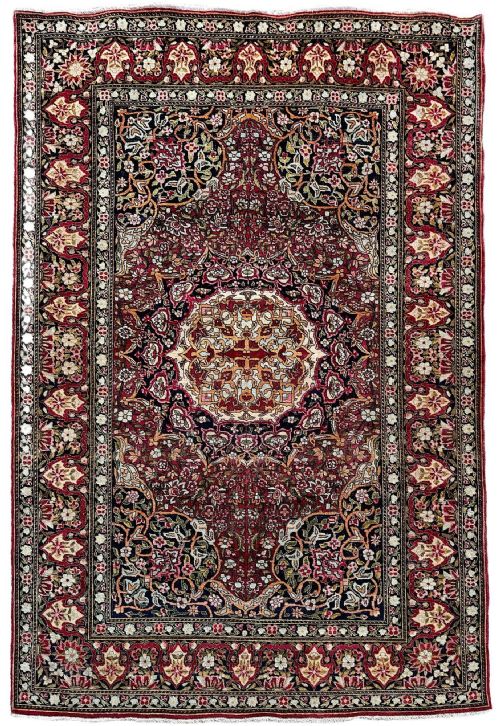
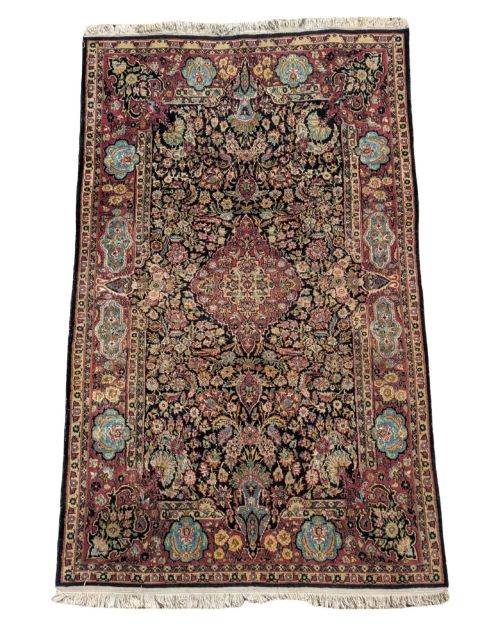
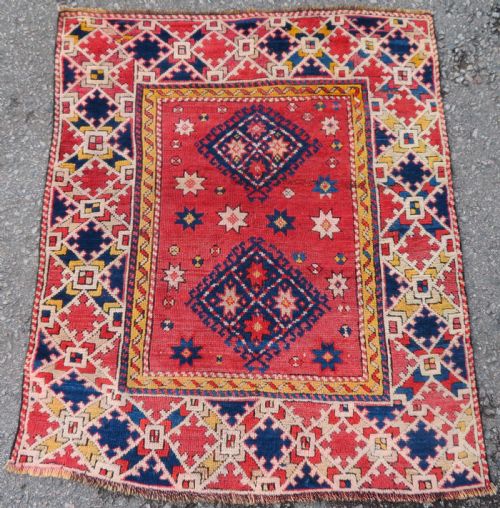
The selection here encompasses various regional styles, including Heriz, Malayer, Kurdish, and Baluch designs. Forms range from area rugs and runners to cushions and prayer rugs, reflecting the domestic output of diverse weaving communities.
How they were made
These textiles rely on natural materials such as wool, cotton, and silk, often utilising hand-spun wool for the pile and foundation yarns. Natural dyes provide the underlying palette, producing rich colour variation across the surface of each piece.
Weavers constructed these rugs by hand on traditional looms, employing regional knots and weaving techniques passed down through generations. Silk highlights occasionally appear alongside wool to accentuate specific details within the design.
Some tribal bag faces found a second life as cushions, repurposed after their nomadic journeys ended.
What varies in quality
Quality in these textiles depends upon the fineness of the weave and the precision of the knotting executed by the maker. Tighter structures and more complex regional patterns generally distinguish the finer examples from simpler village or tribal output.
The choice of materials also alters the character of the piece, with silk highlights and superior hand-spun wool adding depth. The consistency of natural dyes and the balance of the overall composition further separate standard productions from exceptional works.
The Hand Woven Accent Rug Glossary
- Pile
- The upright yarn loops that form the usable surface of a rug. It is created by knotting yarn onto the warp threads.
- Warp
- The vertical foundation threads stretched lengthwise on the loom. Weft threads are interlaced across them to hold the structure firm.
- Weft
- The horizontal threads passed through the warp threads to secure the knots in place. Together with the warp, it forms the foundation grid.
- Natural Dyes
- Colourants derived from plants, insects, and minerals rather than synthetic chemicals. They age with subtle tonal variations over decades.
- Medallion
- A central ornamental design motif placed in the middle of the rug field. It is a common focal point in Persian and Anatolian weaving traditions.
Hand Woven Accent Rug: Frequently Asked Questions
Where were these rugs made?
These rugs were produced across distinct weaving regions including Persia, Anatolia, and Tibet. Local communities and nomadic tribes each developed characteristic patterns and colour palettes.
Individual areas such as Heriz, Malayer, and Kurdish lands generated distinct regional styles that remain identifiable through their specific motifs and structural formats.
How do I care for an old rug?
Protect the textile by placing it in low-traffic areas and using an appropriate underlay to prevent sliding. Regular gentle vacuuming without a beater bar keeps dust from settling into the pile.
Professional cleaning suited for handmade wool and silk textiles preserves the natural fibres and dyes over time. Avoid direct exposure to harsh sunlight to prevent fading.
What is a prayer rug?
A prayer rug is a smaller format textile featuring a distinctive mihrab or arch design at one end. This architectural motif indicates the direction of prayer for the user.
Weavers across Anatolia and other regions produced these specialised rugs for personal devotion, incorporating symbolic borders and geometric fillers.
How do I identify tribal designs?
Tribal designs often display geometric motifs, repeating medallions, and stylised animal or plant forms rather than formal floral curves. These patterns reflect the nomadic heritage and local surroundings of the weavers.
Analysing the wool quality, dye variations, and knot structure helps connect a rug to specific groups such as the Baluch, Afshar, or Kurdish populations.