



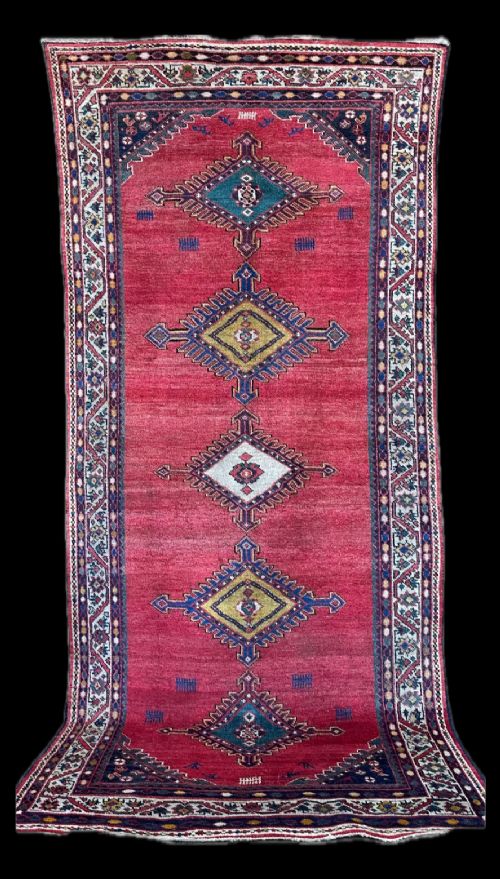

North West Persian Runner
A north west persian runner brings centuries of village weaving tradition directly into hallways and long corridors.
North West Persian Runner
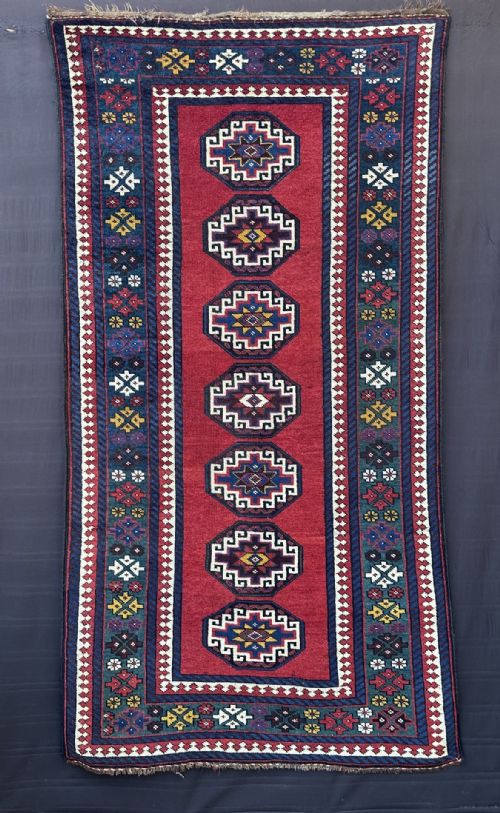
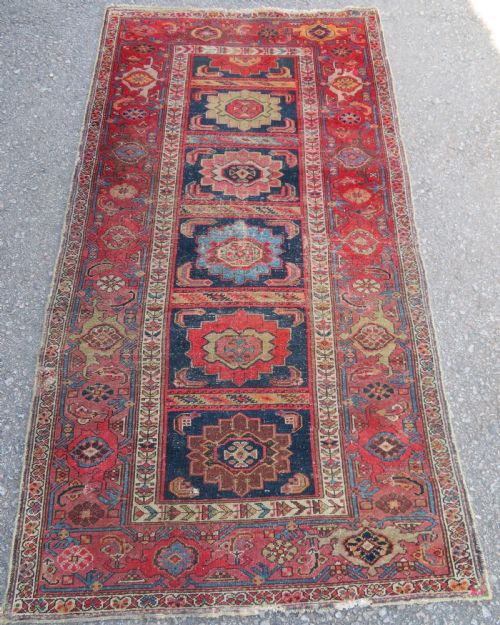
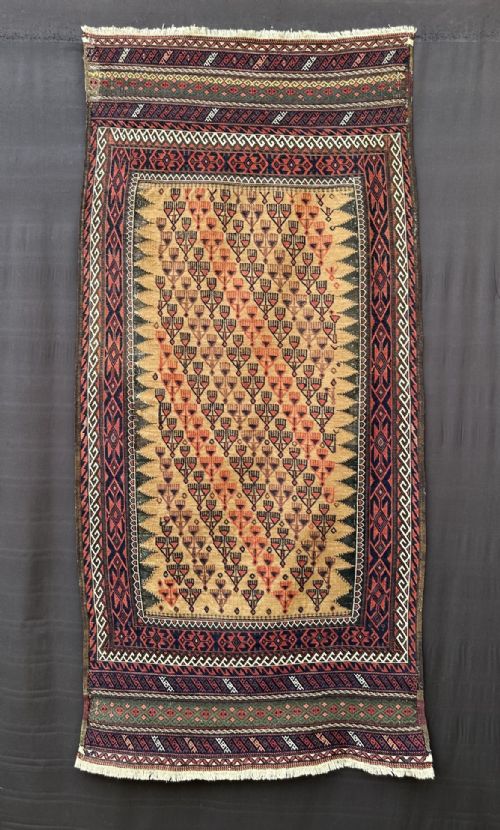
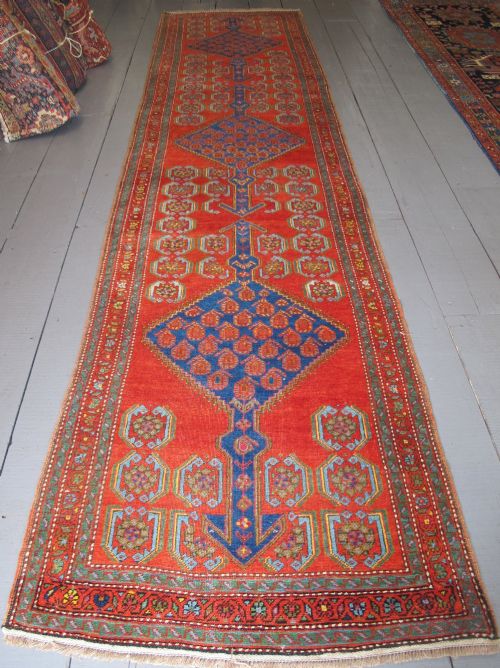
A north west persian runner is a long, narrow carpet woven in the towns, villages, and tribal regions of north-west Persia. These pieces span from the mid-nineteenth century through to the early decades of the twentieth century, reflecting the distinct handiwork of regional weavers. Forms include narrow hallway runners, corridor carpets, and long rugs designed for linear spaces.
Examples on this page draw from specific local traditions such as Kurdish, Heriz, Feraghan, Bakshaish, Karaja, and Sarab weaving. Village makers produced these rugs using geometric medallions, all-over boteh patterns, and stylized animal motifs rather than formal court designs. Each piece serves as a functional textile created for domestic floors by generational makers.
How They Were Made
Weavers constructed these long carpets using natural wool for the pile and cotton for the structural foundations, providing a dense and durable textile. Local dyestuffs yielded deep terracotta reds, camel grounds, and varied rich tones that mellow gracefully over decades of use.
The hand-knotting technique varies in density between fine town workshop carpets and coarser tribal village productions. Warp and weft threads maintain traditional tension, resulting in flat, stable formats capable of enduring heavy foot traffic in narrow spaces.
North West Persian Runner Retail Price Guide 2026
Typical asking prices for north west persian runner among the pieces listed under this phrase on Sellingantiques today, from the lower quarter to the upper quarter. They describe what is for sale here now, not the wider market.
Listings feature wool and cotton materials across nineteenth and twentieth-century periods, including specific examples from the 1850s and 1880s.
What Varies in Quality
Quality in these long carpets rests upon the precision of the wool preparation and the consistency of the hand-knotting across the foundation. Finer knot counts allow for crisper geometric outlines in motifs like the harshang border or botanical elements.
The integrity of the original dyes and the balance of the wool pile also distinguish superior examples from standard village rugs. Well-balanced proportions in narrow formats indicate an experienced weaver working within an established regional tradition.
The North West Persian Runner Glossary
- Runner
- A long, narrow carpet format traditionally used in corridors, hallways, and along narrow architectural pathways. These pieces measure significantly longer than they are wide.
- Warp
- The vertical foundation threads stretched tightly on the loom before knotting begins. Cotton is the standard material used for these structural elements.
- Weft
- The horizontal threads passed across the warp strands after each row of knots to secure the pile. Proper beating of the weft creates a firm and enduring structure.
- Boteh
- A Paisley or almond-shaped motif representing a stylized floral spray or cypress tree. It appears frequently in repeating rows across village carpets.
- Harshang
- A classic Herati-style geometric crab pattern featuring central rosettes flanked by serrated leaves. This repeating design often frames the central field of town and village rugs.
- Kelleh
- A large format rug that is longer than a standard scatter rug but broader than a narrow corridor runner. These room-size carpets anchor wider seating areas.
North West Persian Runner: Frequently Asked Questions
Where were these runners used?
Weavers produced these long carpets for domestic interiors, placing them in long hallways, narrow corridors, and transitional spaces within homes. Their linear proportions suited high-traffic walkways where warmth and floor protection were necessary.
Nomadic and village households also utilised them in tent settings or multi-purpose rooms for daily living. Today, they serve the exact same architectural purpose in modern hallways.
How do I care for a wool runner?
Maintenance requires regular, gentle vacuuming without using a rotating beater bar that can catch hand-knotted pile ends. Professional cleaning by specialists in antique textiles ensures the natural wool and dyes remain preserved.
Placing a breathable rug underlay beneath the piece prevents slipping and reduces friction against hard flooring. Keeping the runner out of direct, harsh sunlight protects the natural dyes from fading unevenly.
How can I tell different village types apart?
Distinguishing between regional types involves examining the specific colour palette, border motifs, and knotting structure. Heriz and Karaja pieces often display bold geometric medallions, while Kurdish runners frequently incorporate animal figures and tribal symbols.
Sarab carpets typically feature camel wool grounds and understated village patterns. Comparing the secondary borders and overall weave density clarifies the specific origin.
Why are these runners so narrow?
The narrow width results from the practical constraints of portable horizontal village looms used by nomadic and sedentary weavers. These portable looms had limited breadth, making long, narrow formats efficient to set up and weave within domestic spaces.
Architecture in the region also dictated the need for linear floor coverings that could follow the path of hallways. This functional constraint produced the distinctive proportions collectors seek today.