



Tabletop Toilet Mirror
A tabletop toilet mirror sits on a chest or dressing surface, offering a movable glass for personal grooming.

Tabletop Toilet Mirror
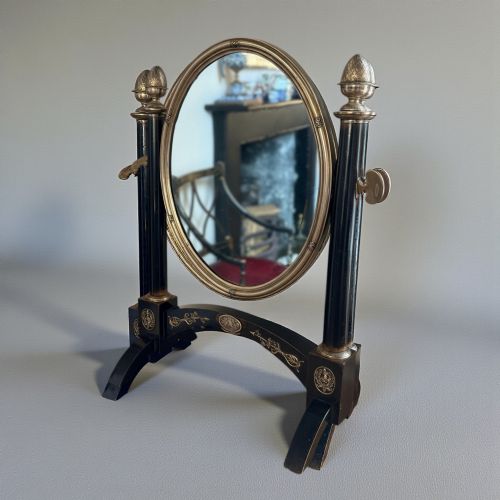
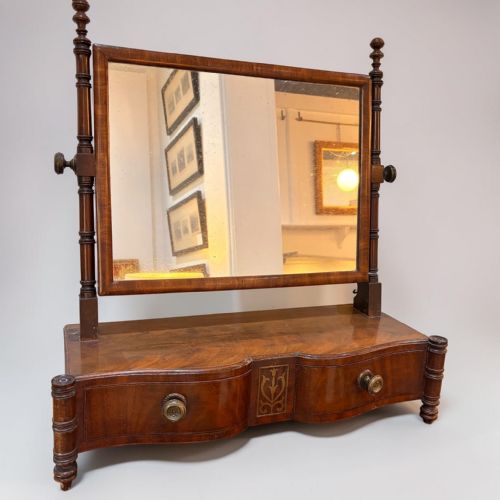
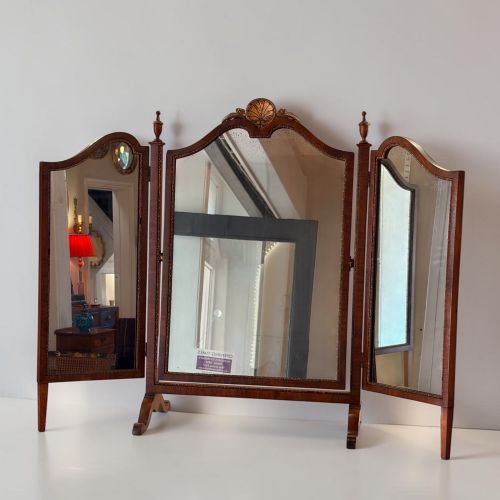
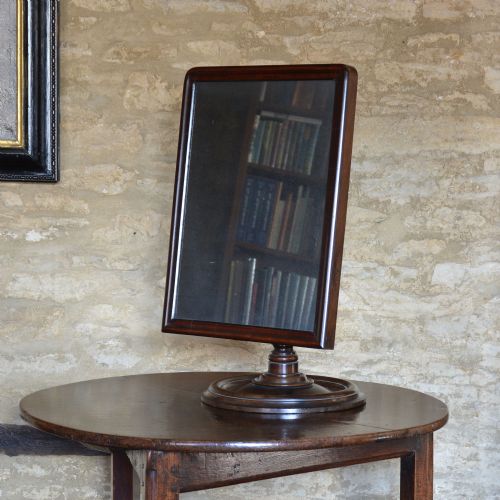
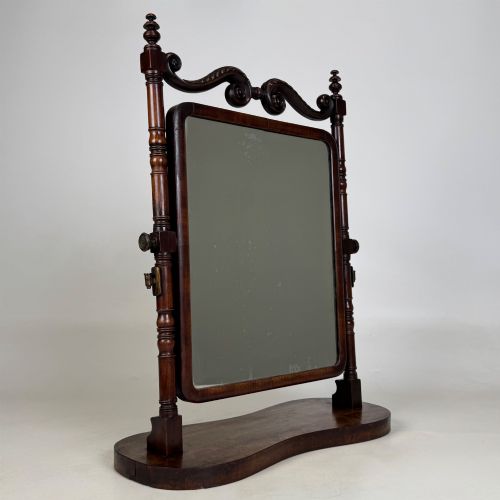
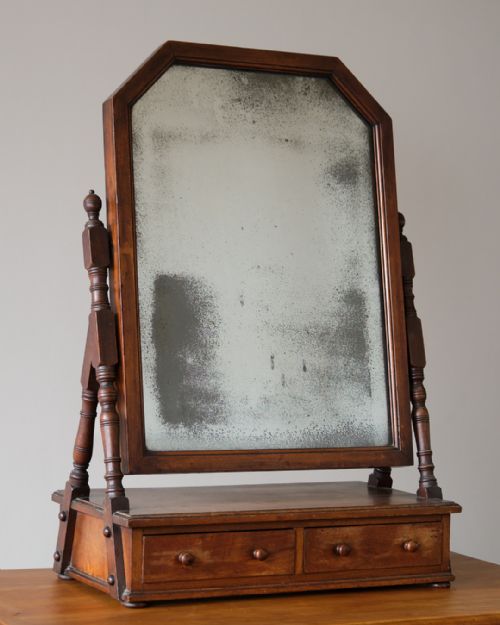
A tabletop toilet mirror provides a movable glass mounted on a frame, designed to sit upon a chest of drawers or dressing table for daily grooming. When you search for a tabletop toilet mirror, you encounter pieces spanning the Georgian, Victorian, and Regency periods, alongside Edwardian and 20th-century examples.
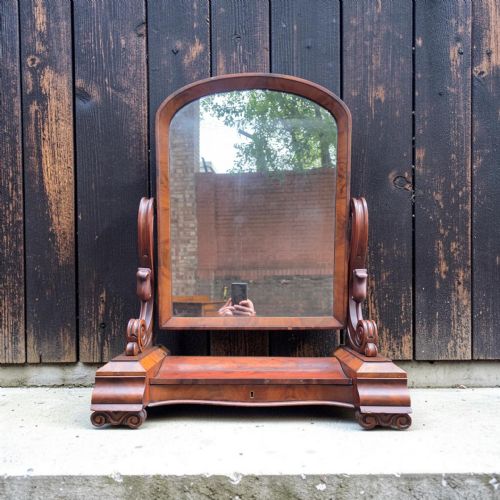
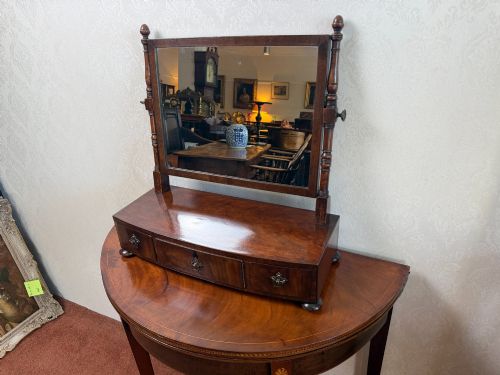
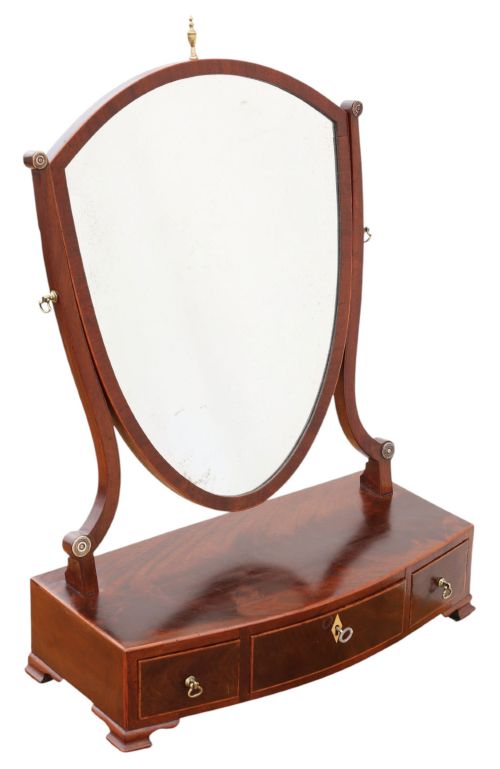
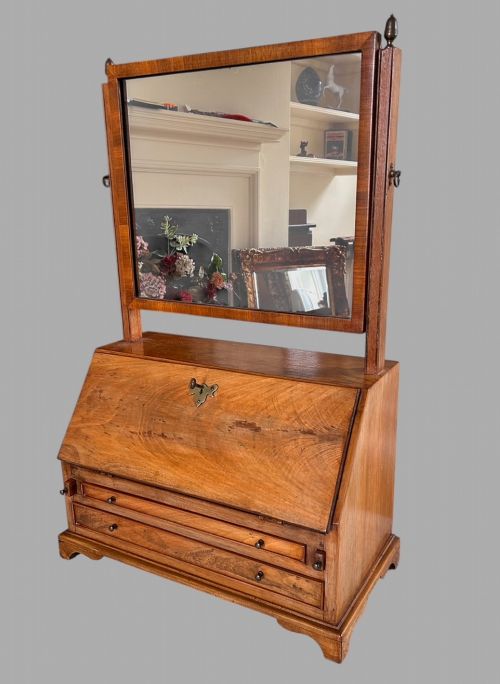
The form typically consists of an upright glass plate held by two side arms, allowing the plate to tilt, set upon a base that often incorporates small drawers for trinkets or shaving gear. Most examples found here are constructed in timber, with mahogany and walnut prevailing across 18th- and 19th-century variants.
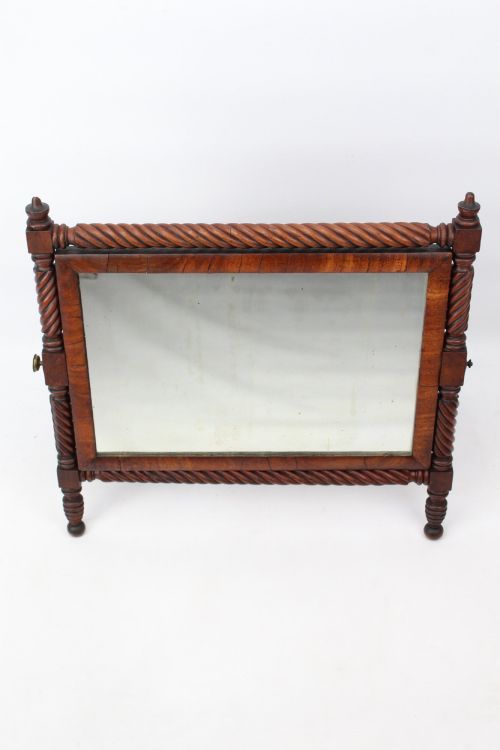
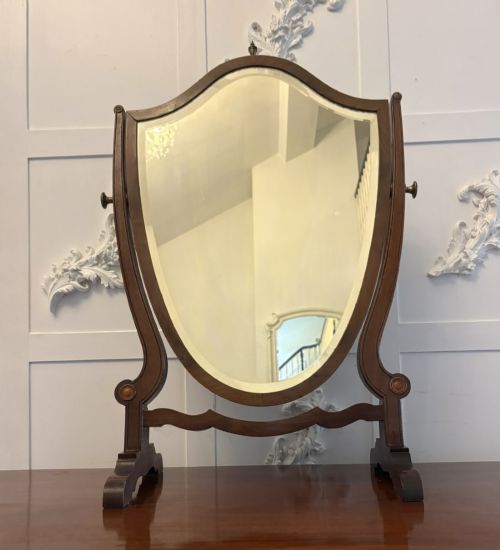
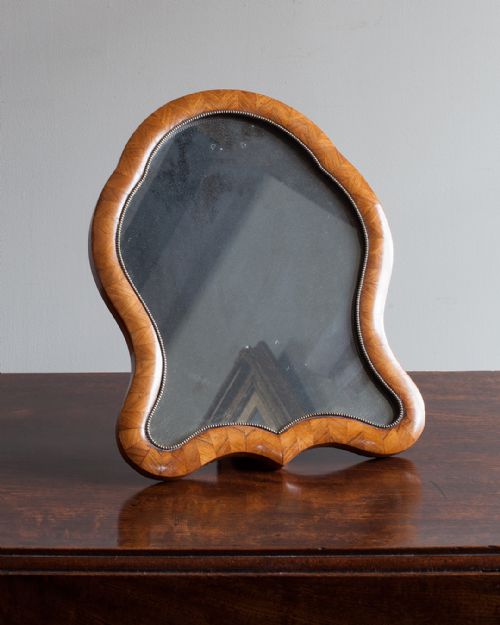
Makers and cabinetmakers produced these in various shapes, including rectangular, shield, and oval glass frames. Some specialised variations combine the mirror base with a small bureau or stationery compartment, demonstrating the dual utility valued in period interiors.
Evaluating craftsmanship and integrity
Quality rests in the crispness of the cabinetwork, the selection of figured wood veneers, and the retention of original brass hardware and mirror plates. Superior pieces exhibit tight joinery in the base drawers and well-proportioned uprights that securely hold the glass frame in place.
The integrity of the glass plate itself and the originality of the backboards contribute significantly to a piece's standing. Finer examples display subtle hand-carved details or precise crossbanding that reflect the high standards of period workshops.
Tabletop Toilet Mirror Retail Price Guide 2026
Typical asking prices for tabletop toilet mirror among the pieces listed under this phrase on Sellingantiques today, from the lower quarter to the upper quarter. They describe what is for sale here now, not the wider market.
Listings feature mahogany, walnut, and satinwood tabletop toilet mirrors spanning the Georgian, Regency, and Victorian eras.
Heal And Sons
The Tabletop Toilet Mirror Glossary
- Shield mirror
- A dressing glass shaped like a heraldic shield, popular during the Georgian period.
- Swing mirror
- A mirror plate mounted on pivots between two upright posts, allowing it to tilt back and forth.
- Crossbanding
- A strip of veneer applied across the grain of the primary wood to form a border on drawer fronts or table tops.
- Cheval mirror
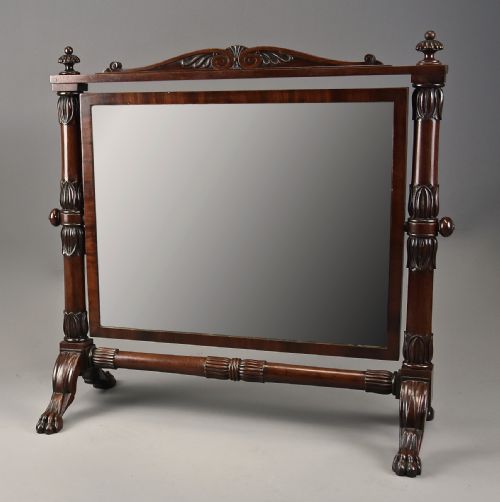
- A full-length or large tabletop mirror supported by a freestanding frame with four legs, though smaller tabletop versions also appear.
- Parcel-gilt
- Woodwork partially decorated with gold leaf or gilt paint to highlight carved motifs.
Tabletop Toilet Mirror: Frequently Asked Questions
Where were these mirrors placed?
These mirrors were traditionally positioned on top of a chest of drawers, dressing table, or lowboy in bedrooms and dressing rooms. They provided a convenient movable glass surface before fitted wall mirrors became standard in domestic interiors.
The portable nature allowed users to catch the best natural light from a nearby window by simply lifting and relocating the mirror to another piece of furniture.
How do I date a toilet mirror?
Dating relies on observing the timber choice, construction methods of the base drawers, and the shape of the mirror frame. Georgian examples often feature mahogany with ogee bracket feet and delicate drawer dovetails, whereas Victorian and Edwardian pieces introduce heavier proportions or inlay.
Examining the bevel of the glass, the backing boards, and the type of brass screws used in the pivot mechanism also helps narrow down the decade of manufacture.
Are the mirror plates original?
Many surviving mirrors retain their original silvered glass, which often displays minor foxing, spotting, or oxidation due to age. Replacement glass is common in pieces of this age, as old mirror plates were fragile and prone to deterioration.
Inspect the back of the glass and the securing pins to determine whether the plate has been replaced or remains contemporary with the wooden frame.
How do I maintain the swivel mechanism?
The swivel mechanism depends on threaded brass pins or side screws that pass through the upright posts into the mirror frame. Over time, these can loosen or stiffen depending on humidity and use.
Gently adjusting the tension nuts or applying a minute amount of lubricant to the metal threads ensures the glass holds its tilt without placing undue stress on the wooden arms.