





Light Wood Vanity Mirror
These light wood vanity mirror pieces bring warm grain and practical reflection to a room, spanning decades of fine cabinet work.
Light Wood Vanity Mirror
A light wood vanity mirror brings together pale timbers and functional glass for daily grooming and reflection. When you search for a light wood vanity mirror, you are looking at items designed to sit upon dressing chests, tables, or washstands.
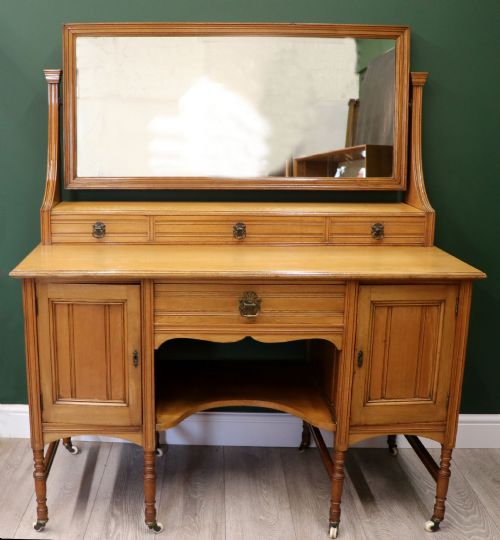
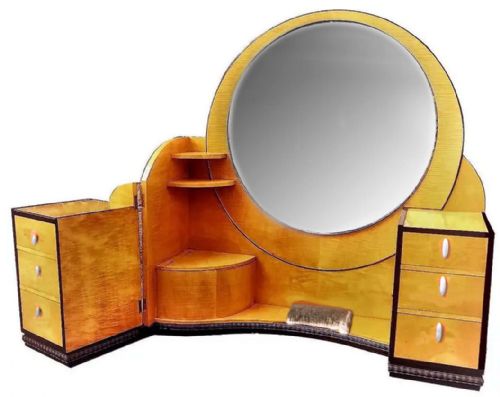
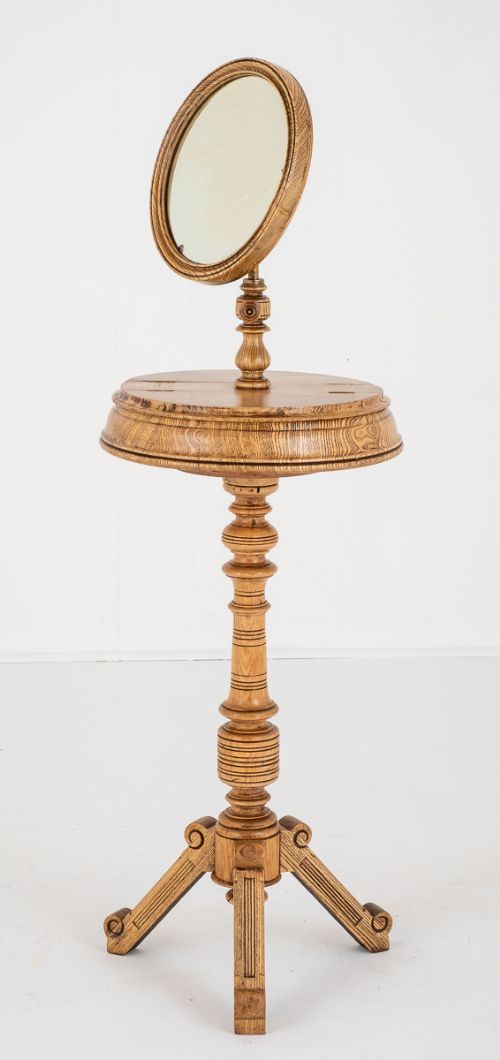
The pieces on this page draw from several periods including the nineteenth century and the Art Deco era. You will encounter forms ranging from vanity mirrors and shaving stands to dressing tables fitted with mirror plates.
Makers utilised various pale timbers to create these objects, reflecting the shifting tastes of Victorian and twentieth-century design. Each piece demonstrates how makers combined timber frames with pivoting or fixed glass plates.
How they were made
Cabinet makers constructed these pieces using distinct timbers such as birch, oak, ash, walnut, and birdseye maple. These woods were chosen for their distinctive grain patterns and warm pale tones.
Glass mirror plates were set securely into wooden frames, often supported by pivoting arms or brackets. Brass elements and ebonised wood details frequently appeared alongside the primary timber to accent the design.
Light Wood Vanity Mirror Retail Price Guide 2026
Typical asking prices for light wood vanity mirror among the pieces listed under this phrase on Sellingantiques today, from the lower quarter to the upper quarter. They describe what is for sale here now, not the wider market.
The selection here spans from eighteen-eighty through the nineteen-thirties, featuring birch, oak, walnut, and birdseye maple.
What varies in quality
Quality in these pieces rests upon the selection of timber and the skill of the cabinet maker in handling grain and joinery. Finer examples show careful attention to the figuring of woods like birdseye maple or birch.
The sophistication of the period style, whether Victorian Rococo Revival or Art Deco, dictates the complexity of the construction. Superior items display harmonious proportions between the mirror frame and its support structure.
Harry and Lou Epstein·Betty Joel
The Light Wood Vanity Mirror Glossary
- Birch
- A pale, fine-grained hardwood often utilised in nineteenth-century Scandinavian cabinet making. It offers a smooth surface that takes polish well.
- Art Deco
- A design style from the nineteen-thirties characterised by streamlined forms and modern geometric lines. It represents a significant departure from Victorian ornamentation.
- Shaving stand
- A specialised furniture form designed for personal grooming, typically incorporating an adjustable mirror and storage space. These items served a practical function in period bedchambers.
- Birdseye maple
- A figured timber showing small, swirling eyes in the grain pattern. It was highly prized by makers for decorative veneer work.
Light Wood Vanity Mirror: Frequently Asked Questions
How do I date a light wood vanity mirror?
Dating relies on observing the timber species, construction techniques, and stylistic clues present in the frame. Victorian pieces often display heavier proportions, while nineteen-thirties examples favour streamlined lines.
Examine the backboards, fixings, and the type of glass used to help determine the period of manufacture.
Were these mirrors originally part of dressing tables?
Many mirrors were manufactured as components of larger dressing chests or tables, while others functioned as independent tabletop items. Shaving stands were typically constructed as standalone pieces with integrated mirrors.
Consider the mounting brackets and base to understand how the mirror originally interacted with furniture.
What maintenance do these wooden frames require?
Care for the timber involves keeping the surface clean with a soft cloth and avoiding excessive moisture. Gentle waxing preserves the finish without building up heavy residues.
Protect the glass and frame by placing the piece away from direct sunlight and fluctuating heat sources.
How do Art Deco mirrors differ from Victorian ones?
Art Deco pieces emphasise geometric forms and clean surfaces, often associated with makers like Betty Joel or Harry and Lou Epstein. Victorian examples lean towards curves, carved details, and traditional revival styles.
Comparing the edge profiles and support brackets reveals the shift in aesthetic priorities across these eras.