

Solid Silver Table Spoons
Solid silver table spoons offer substance at the dining table, with Georgian and Victorian examples appearing most frequently.
Solid Silver Table Spoons
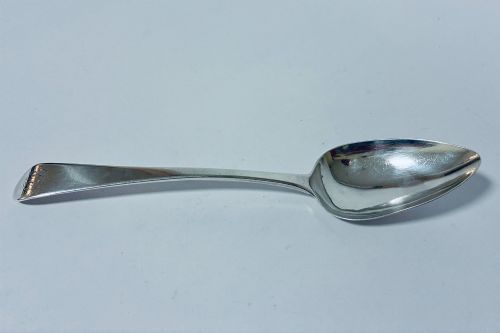
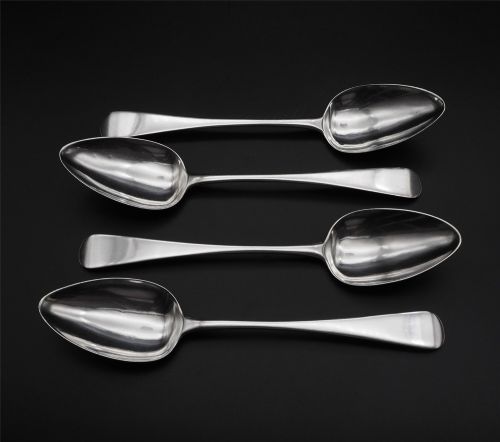
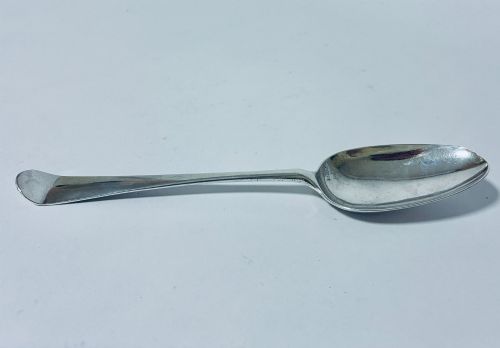
Solid silver table spoons are substantial dining utensils designed for serving or general table use, appearing across various centuries of British and European silversmithing. When searching for solid silver table spoons, buyers encounter robust forms intended for everyday dining or formal service.
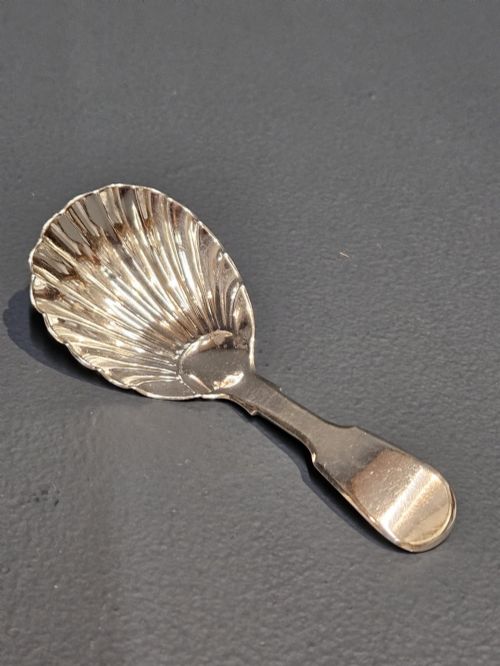
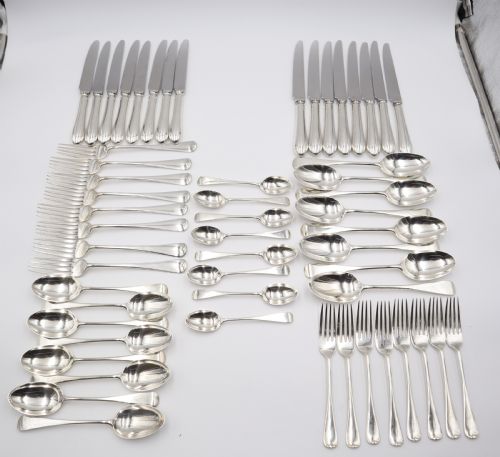
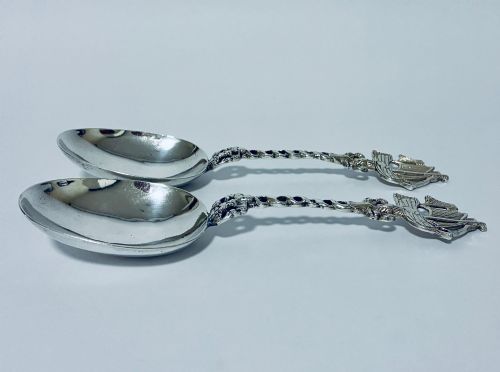
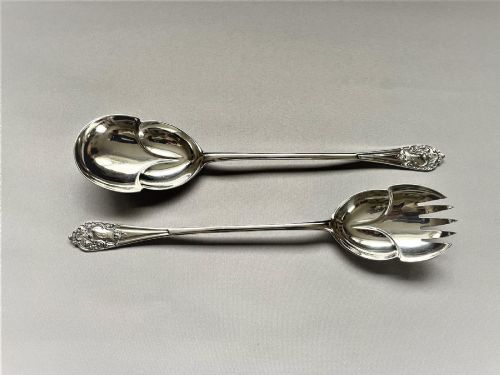
The selections span distinct periods including the Georgian era, Victorian period, and Edwardian years, alongside specific regional pieces such as Scottish and Irish examples. Most items on this page manifest as single spoons, matched pairs, or larger sets intended for practical use.
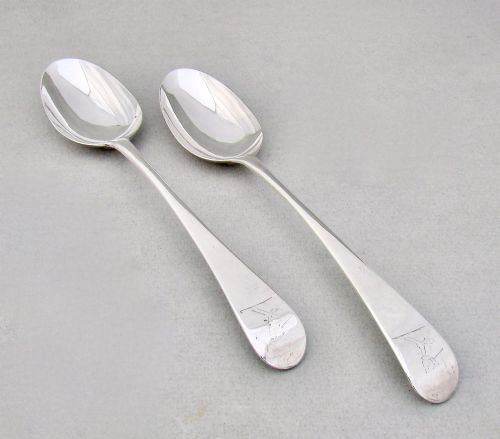
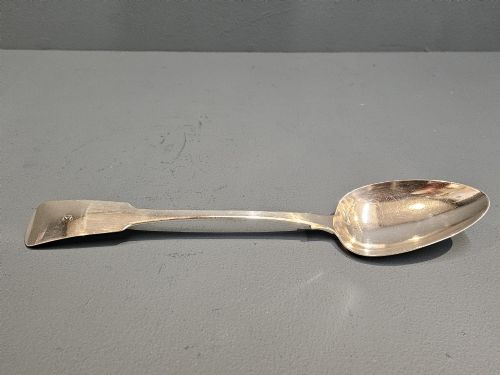
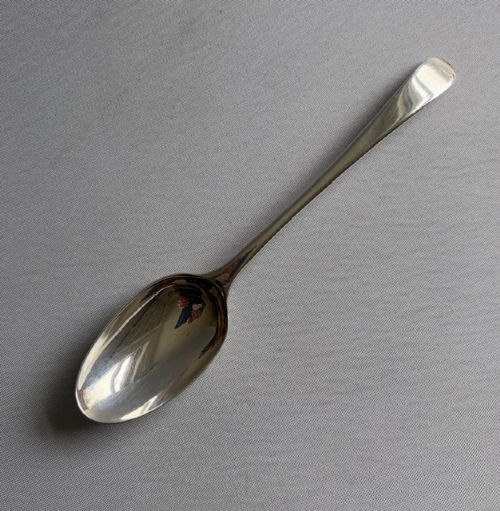
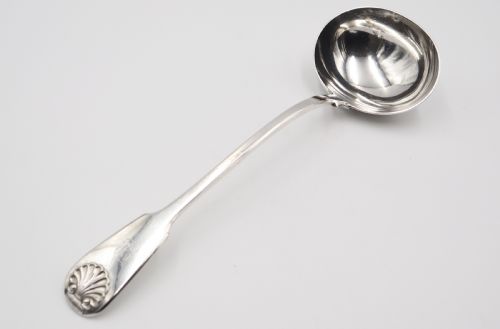
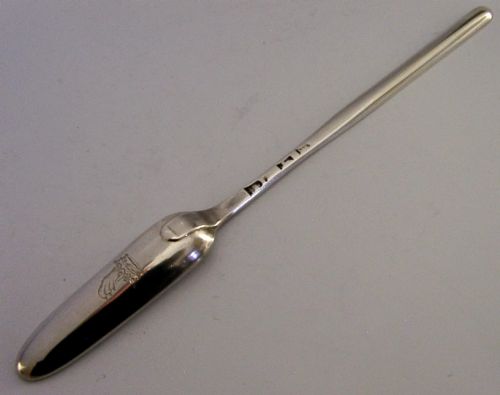
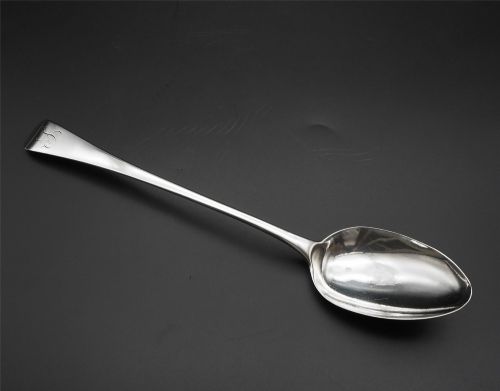
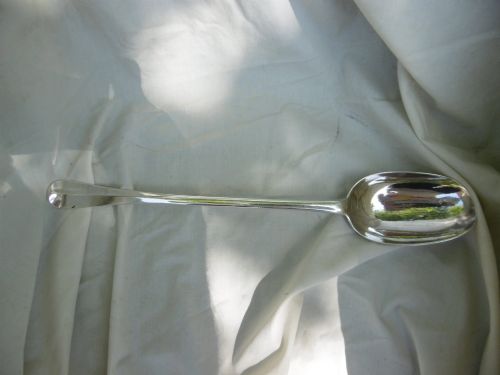
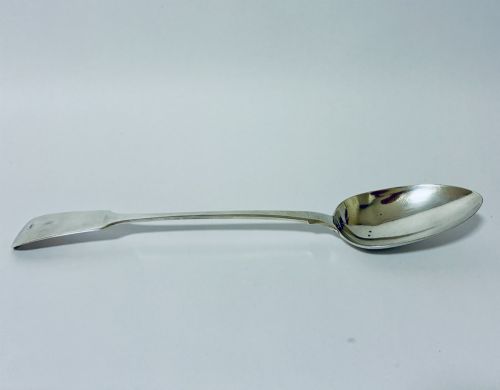
Formations include heavy basting spoons, hash spoons, and traditional table spoons featuring patterns like Old English, Kings, and Hanoverian. These implements frequently display maker marks, town marks, and date letters stamped directly into the metal.
Materials and Techniques
These items are constructed primarily from sterling silver and Britannia standard silver, worked through traditional smithing methods such as hammering, casting, and shaping. Many pieces utilise high-purity silver alloys, reinforced by the structural thickness inherent in large serving and table spoons.
Handles and bowls are shaped from single ingots or joined securely, often incorporating reinforced rat-tail drops or threaded borders for added rigidity. Engraved crests, initials, and decorative patterns like the dognose or trifid style are applied by hand using gravers and punches.
Solid Silver Table Spoons Retail Price Guide 2026
Typical asking prices for solid silver table spoons among the pieces listed under this phrase on Sellingantiques today, from the lower quarter to the upper quarter. They describe what is for sale here now, not the wider market.
Quality Variations
Quality in these implements is determined by the weight of the silver, the crispness of the hallmarks, and the preservation of the original bowl shape against wear. Thicker gauges of silver prevent the bowl from thinning at the tip through decades of use and polishing.
The clarity of engraved family crests, initials, and decorative motifs distinguishes superior execution from standard production. Master silversmiths achieved balanced proportions and precise handle shaping that remain evident in the hand.
Andrew Archer·William Scarlett·John Wilks·Lawrence Coles·Paul Storr·George Adams·William Robertson·William Marshall·Thomas Wallis II·Mappin And Webb·John, Henry And Charles Lias
The Solid Silver Table Spoons Glossary
- Hallmark
- A series of official marks stamped on precious metals to indicate purity, maker, and year of assay.
- Rat-tail
- A tapered tongue of silver extending down the back of the bowl to reinforce the joint with the handle.
- Dognose
- An early form of spoon handle widening at the end with a central notch, popular around the turn of the eighteenth century.
- Trifid
- A terminal style split into three lobes at the end of the handle, characteristic of late seventeenth-century spoons.
- Basting spoon
- A large, elongated spoon originally utilised for basting meats during roasting.
Solid Silver Table Spoons: Frequently Asked Questions
How do I use antique silver spoons today?
These spoons function well for serving side dishes, desserts, or sauces at the modern dining table.
Their sturdy construction permits regular handling, though hand washing preserves the finish and engraved details.
What is the difference between a table spoon and a dessert spoon?
Table spoons measure significantly longer and possess larger bowls intended for serving from bowls and platters.
Dessert spoons are scaled down for individual use during the intermediate courses of a meal.
How do I identify a Georgian silver spoon?
Georgian pieces carry hallmarks indicating production during the reigns of the Georges, typically featuring town marks and date letters.
They frequently display styles like Hanoverian or Old English alongside traditional rat-tail or plain central ridges.
Why do some spoons have engraved crests?
Families commissioned silversmiths to engrave personal crests or initials to signify ownership and lineage.
These additions help historians trace the provenance and previous households associated with specific pieces of flatware.