

English Sterling Silver Cutlery
English sterling silver cutlery encompasses dining implements shaped by centuries of silversmithing, offering collectors functional history in solid silver.
English Sterling Silver Cutlery
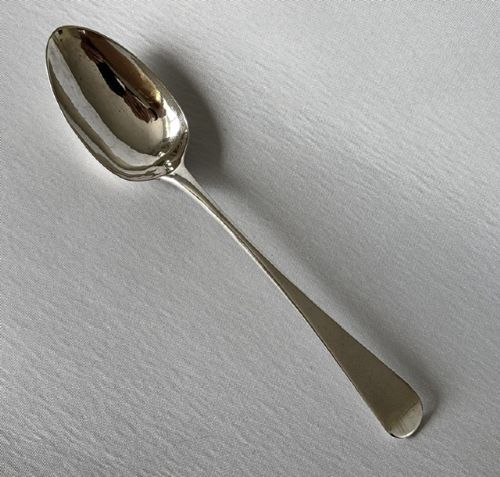
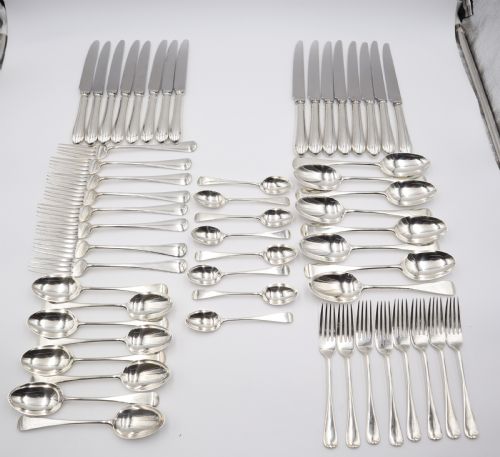
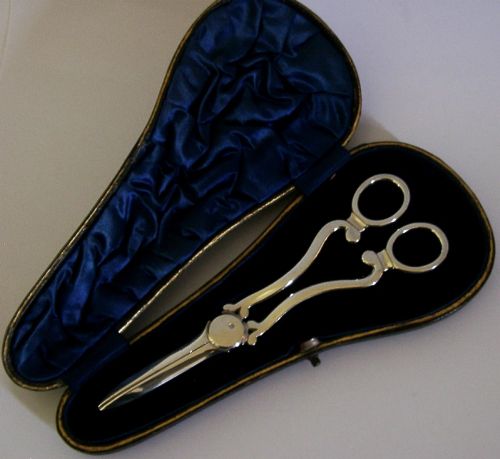
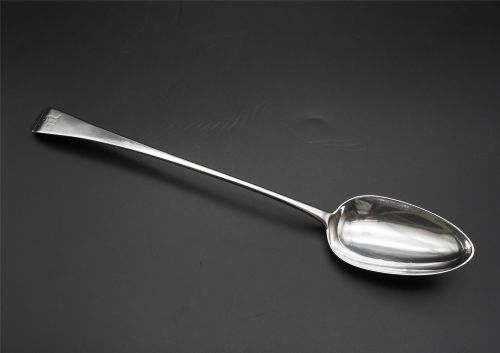
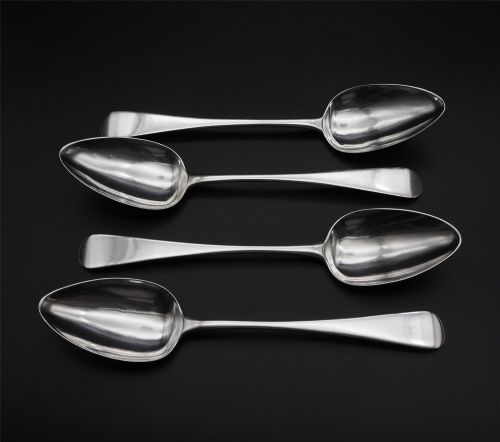
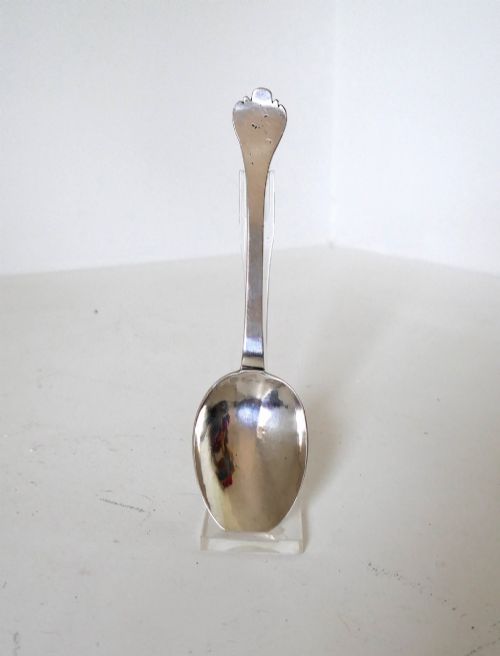
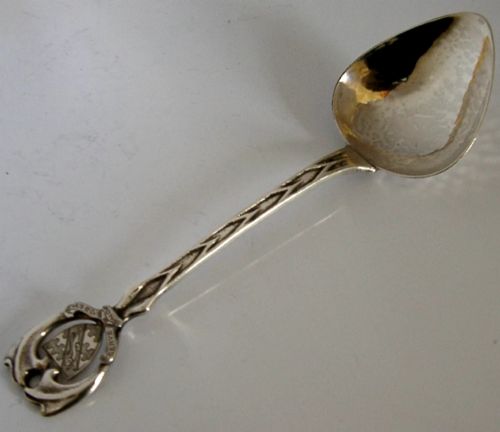
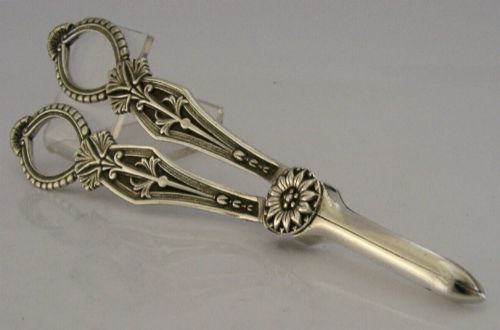
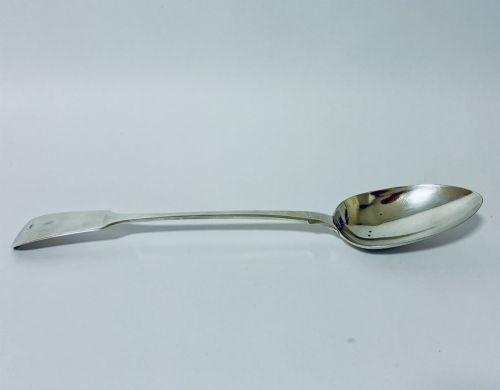
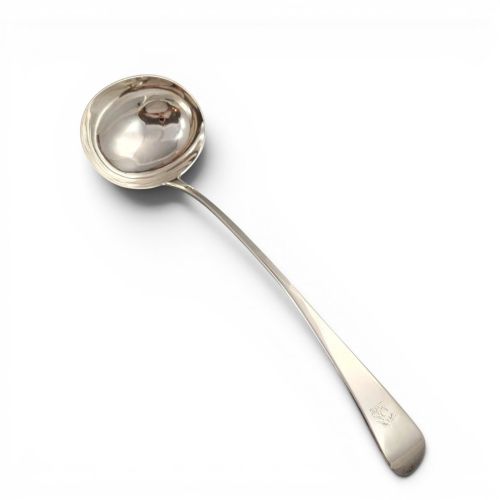
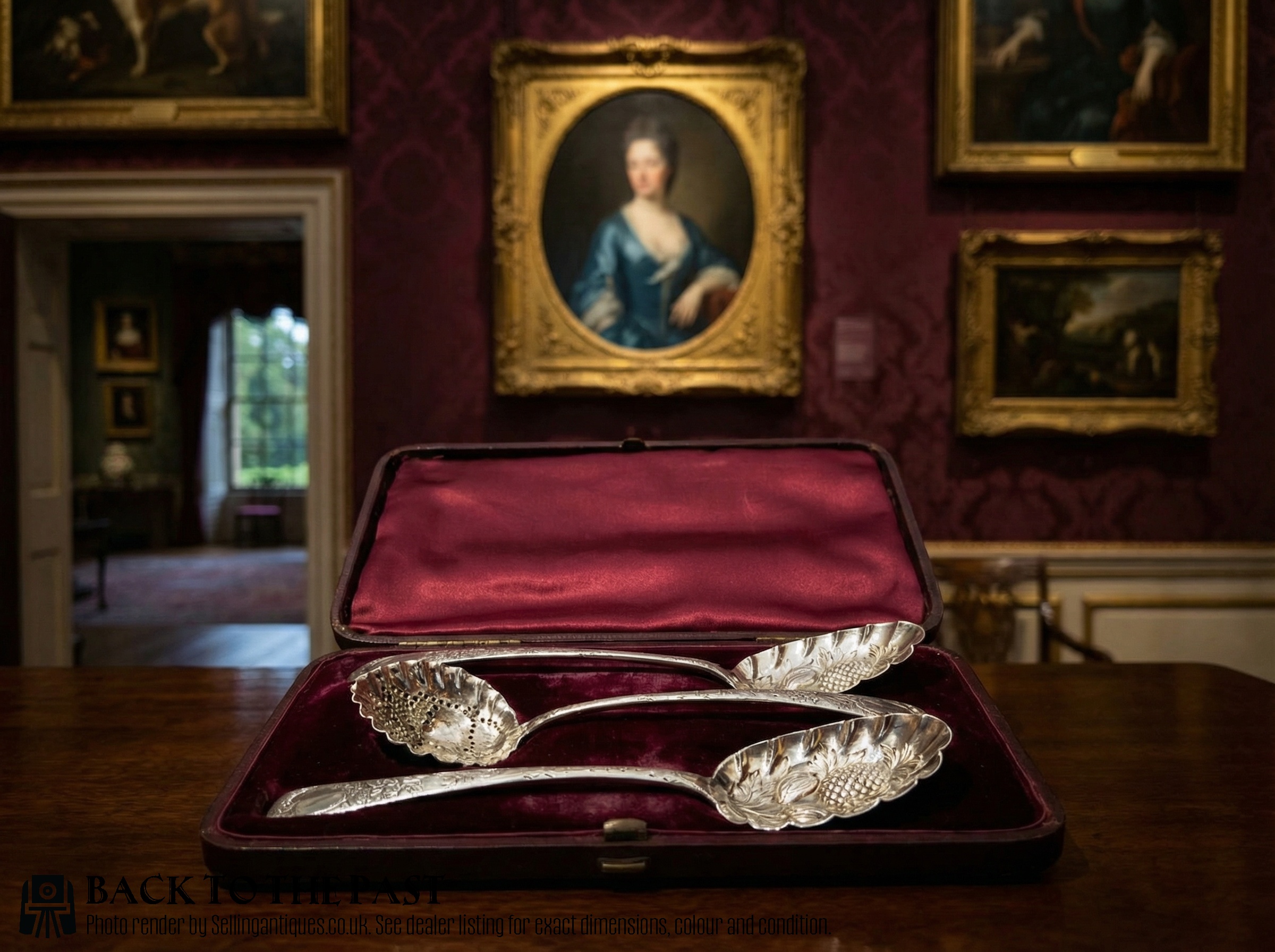
English sterling silver cutlery includes flatware, serving spoons, marrow scoops, and grape shears spanning from the seventeenth century through the twentieth century. Buyers encounter Georgian serving spoons, Victorian cased sets, and early trefid tablespoons alongside specialised pieces like soup ladles and dessert forks.
The selection ranges from provincial seventeenth-century seal top spoons to Edwardian and Art Deco cutlery rests. Pieces appear individually or in matched sets, frequently housed in fitted presentation cases lined with velvet, satin, or silk.
Domestic dining tools dominate the inventory, reflecting changing British table customs from the Restoration period onward. Early spoons showcase hand-wrought characteristics, while later nineteenth and twentieth-century examples demonstrate standardised industrial manufacturing.
Materials and Techniques
Makers shaped English sterling silver cutlery through hammering, casting, and hand-raising metal from sterling silver ingots. Early pieces display hammered surfaces and hand-engraved details, while later Victorian and Edwardian examples utilise die-stamping and machine-rolling for pattern consistency.
Handles frequently incorporate alternative materials such as mother-of-pearl for knives and forks, paired with sterling silver blades and tines. Presentation cases utilise wood foundations covered in leather, leatherette, or fabric, lined with soft textiles to protect the silver.
Listings feature sterling silver and mother-of-pearl combinations housed in velvet or satin-lined leatherette presentation cases.
Assessing Quality
Quality rests upon the crispness of hallmarks, the preservation of original form, and the retention of maker's marks across the silver surface. Heavy gauge silver provides superior tactile weight and structural integrity, preventing handle bending during use.
Artistic execution distinguishes standard utility items from masterwork creations, particularly in chased decoration, engraved crests, and cast finials such as seal tops. Complete cased sets retaining their original fitted interior maintain greater historical cohesion.
Peter & Jonathan Bateman·Jonathan Hayne·Benjamin Watts·Benjamin Prosser·Daniel Cary
The English Sterling Silver Cutlery Glossary
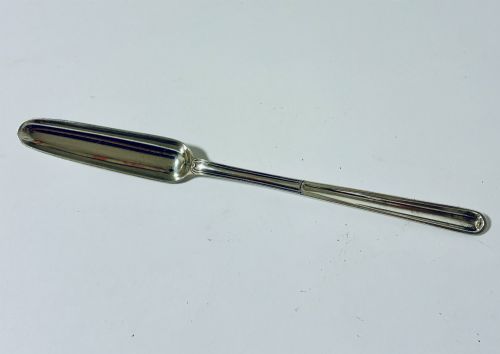
- Marrow scoop
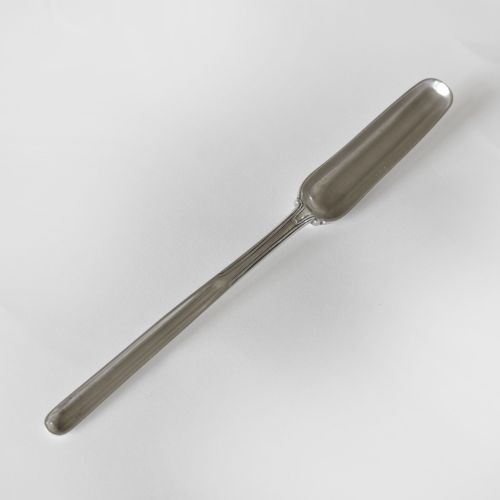
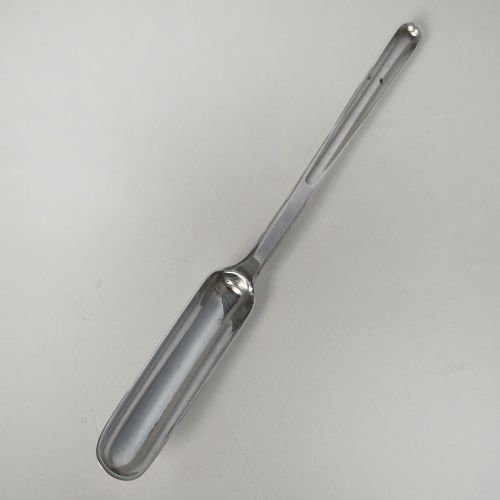
- A narrow, elongated utensil with trough-like ends designed for extracting marrow from animal bones at the dining table. Georgian examples in sterling silver represent common iterations of this form.
- Seal top
- A spoon featuring a cast, solid finial shaped like a signet seal at the end of the stem. These pieces date predominantly from the sixteenth and seventeenth centuries.
- Dognose
- A transitional flatware style featuring an upturned, rounded terminal narrower than the preceding trefid shape. This form bridges the gap between seventeenth-century and eighteenth-century spoon designs.
- Fiddle pattern
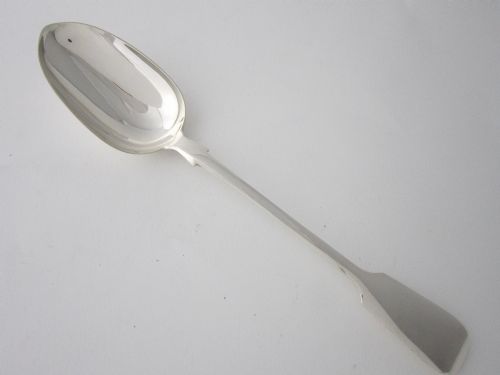
- A nineteenth-century flatware style characterised by a stem expanding into a shoulder shape resembling a fiddle or violin. It became a staple of Victorian dining services.
English Sterling Silver Cutlery: Frequently Asked Questions
What is a trefid spoon?
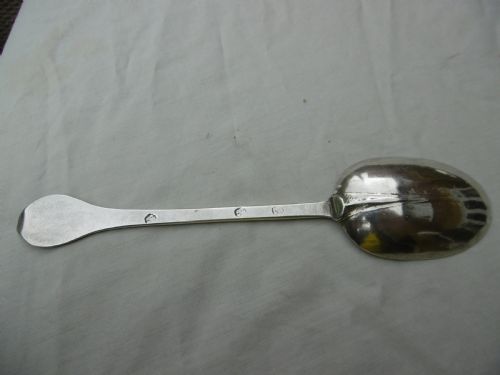
A trefid spoon is an early flatware type featuring a flattened, three-lobed handle terminal. These pieces date primarily to the late seventeenth century and often include rattail drops beneath the bowl.
They represent some of the earliest surviving table spoons collected today, known for their distinct transitional shape between medieval styles and later Georgian designs.
How do I identify a marrow scoop?
A marrow scoop is a specialised double-ended utensil with narrow, trough-like channels of varying widths. They were used during the eighteenth and nineteenth centuries to serve bone marrow at formal meals.
Their slender profiles and dual bowls separate them easily from standard serving spoons and flatware items.
What are cutlery rests used for?
Cutlery rests are small supports placed on the dining table to hold carving knives, forks, or serving implements between courses. They kept resting utensils elevated above the tablecloth.
Victorian and Edwardian examples appear in solid sterling silver, occasionally shaped as animals, antlers, or Art Nouveau floral motifs.
How are silver dates determined?
Silver dates are determined by reading the hallmarks struck directly into the metal by official assay offices. These marks typically include a maker's mark, a sterling standard mark, a city leopard head or anchor, and a date letter.
Comparing these stamps against published assay office records reveals the exact year of manufacture for British pieces.