


Antique British Silver Flatware
Antique british silver flatware brings centuries of domestic dining directly to the table, offering solid sterling service pieces that hold both history and utility.
Antique British Silver Flatware
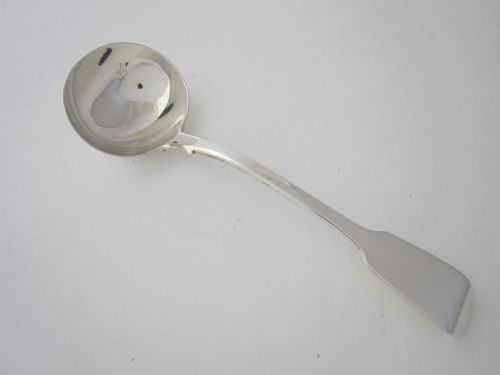
Antique british silver flatware encompasses everything from heavy George III serving spoons to Victorian fiddle pattern ladles and delicate caddy spoons. Buyers searching this phrase meet domestic table silver spanning the reigns of Queen Anne through to George VI.
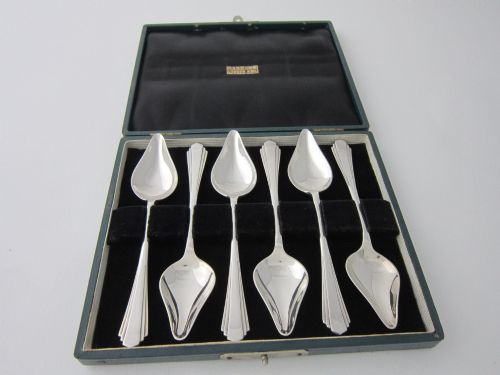
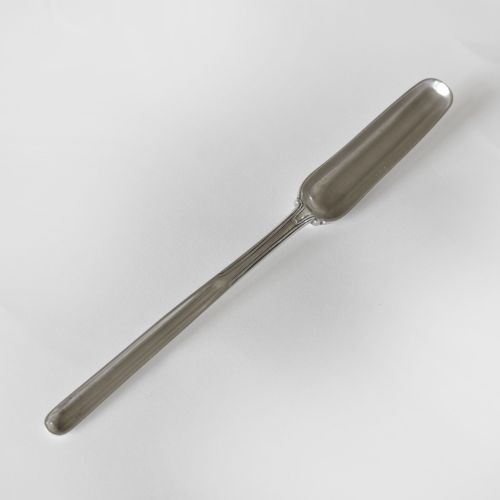
The assortment on this page leans heavily toward sterling silver serving utensils, including marrow scoops, stilton scoops, fish slices, and boxed sets of spoons. Pieces range from formal Georgian table silver to mid twentieth century grapefruit spoons and campaign cutlery sets.
Form follows function closely across these historical dining implements, with specialised items like ice cream servers and sugar tongs appearing alongside traditional tablespoons. Each period contributes distinct regional hallmarks from assay offices like London and Sheffield.
Materials and Construction
Sterling silver forms the primary substance of these pieces, shaped through traditional silversmithing techniques involving hammering, casting, and piercing. Makers utilised high purity silver alloys that provided durability for daily dining alongside malleability for decorative engraving.
Specialised items integrate secondary materials such as steel for cutlery blades and horn for handles, particularly within campaign sets and serving tools. Presentation boxes employ protective linings of leatherette, fabric, silk, and velvet to house silver sets safely.
Decoration relies on hand engraving, rattail reinforcements, and pierced work executed by skilled silversmiths using gravers and saws. Structural joins are reinforced by solder, whilst hallmarks are stamped directly into the metal to certify purity and origin.
Listings feature sterling silver pieces from the Georgian, Victorian, and Edwardian periods, including specialised serving spoons, ladles, and caddy spoons.
Distinctions in Quality
Quality rests upon the crispness of the original hallmarks, the retention of original form without excessive thinning from polishing, and the clarity of hand engraving. Superior pieces maintain their intended gauge of silver, ensuring proper balance in the hand.
The reputation of the maker influences distinction, with pieces by recorded silversmiths displaying finer proportional balance and more deliberate detailing in patterns like fiddle or rattail. Fitted presentation cases featuring intact velvet or silk linings add contextual value to matched pairs and sets.
Condition involves the preservation of structural integrity across vulnerable areas such as pierced blades on fish slices or the fragile bowls of caddy spoons. The survival of clear maker marks and assay office letters secures the historical record of each piece.
George Unite·Walter and John Barnard·Charles Boyton·Lawrence Coles·Worshipful Company of Harberdashers
The Antique British Silver Flatware Glossary
- Hallmark
- A series of stamped marks indicating the metal purity, assay office, maker, and year of production. These stamps provide the primary documentation for dating British silver.
- Fiddle Pattern
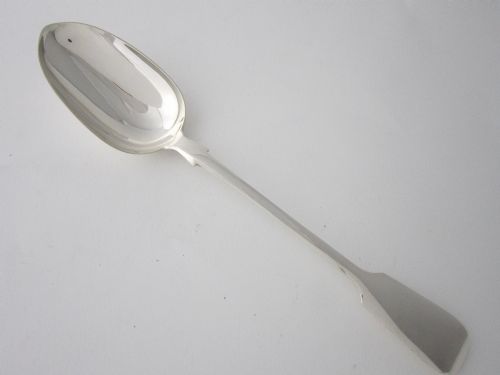
- A nineteenth century handle shape featuring a pronounced shoulder tapering down to a broad, flat end resembling a fiddle. This design dominated Victorian dining tables.
- Marrow Scoop
- A double ended utensil with narrow, trough like bowls designed for extracting marrow from animal bones during formal meals. They appear frequently in eighteenth and nineteenth century dining silver.
- Caddy Spoon
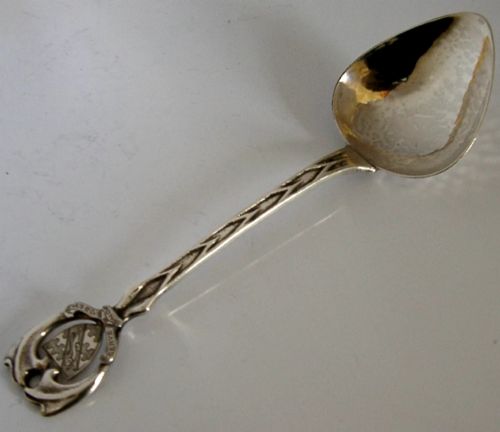
- A short handled spoon specifically designed for measuring loose tea from a caddy into a teapot. Victorian examples often feature highly decorated bowls.
- Rattail
- A dorsal tongue extension of the handle down the reverse of a spoon bowl for structural reinforcement. This feature appears on early pieces like Queen Anne dognose spoons.
Antique British Silver Flatware: Frequently Asked Questions
How do I date antique british silver flatware?
Dating relies on the stamped hallmarks showing the assay office symbol, the standard mark for sterling silver, and a specific date letter corresponding to the working year of the silversmith.
Additional clues include stylistic shifts in handle patterns, such as the transition from early dognose shapes to nineteenth century fiddle patterns.
What is a marrow scoop used for?
A marrow scoop served a specific function at formal dining tables, allowing diners to extract bone marrow from roasted joints using the narrow or wide troughs.
These pieces reflect the elaborate dining customs of the eighteenth and nineteenth centuries before falling out of common household use.
How should I clean antique silver flatware?
Cleaning requires a soft cloth and a gentle, non abrasive silver polish formulated specifically for antique metal surfaces to preserve underlying details and hallmarks.
Harsh chemical dips and mechanical cleaning machines should be avoided entirely to prevent permanent damage to the patinated surface.
Can I use antique silver flatware daily?
Using antique silver for everyday dining is entirely practical provided pieces are washed by hand in warm soapy water and dried immediately with a soft towel.
Care must be taken with delicate items like holloware handles or fragile pierced fish slices to avoid bending the historical metal.