


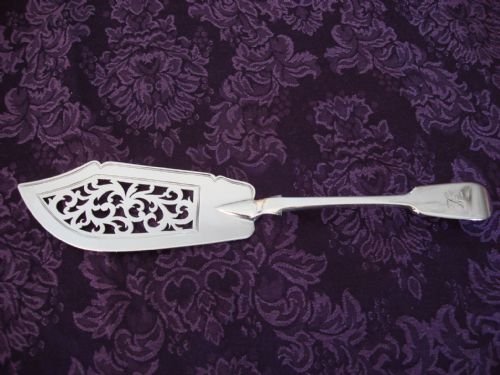
Victorian Silver Serving Utensil
These victorian silver serving utensil pieces are functional table implements built for formal dining, offering a touch of period craftsmanship that elevates any modern sideboard.
Victorian Silver Serving Utensil
When you search for a victorian silver serving utensil, you encounter specialist implements designed for specific courses at the nineteenth-century dining table. The selection spans fish servers, grape scissors, sardine servers, and gravy spoons.
Most examples originate from the Victorian era, alongside pieces from the Edwardian period and the late nineteenth century. These objects include fish slices, salad servers, and stilton scoops created for formal entertaining.
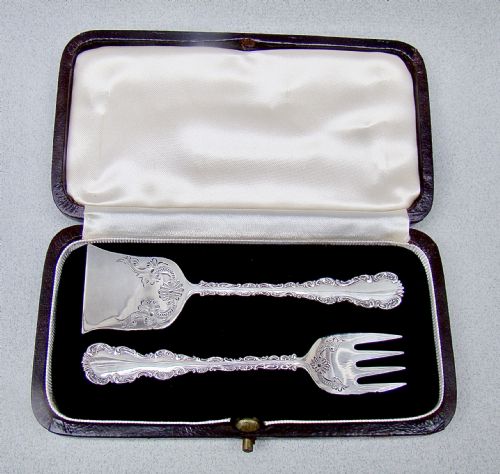
Materials extend beyond solid sterling silver to encompass silver plate, horn, and mother of pearl handles. Fitted cases lined with velvet, silk, satin, or leather occasionally accompany the more specialised cased sets.
Materials and Technique
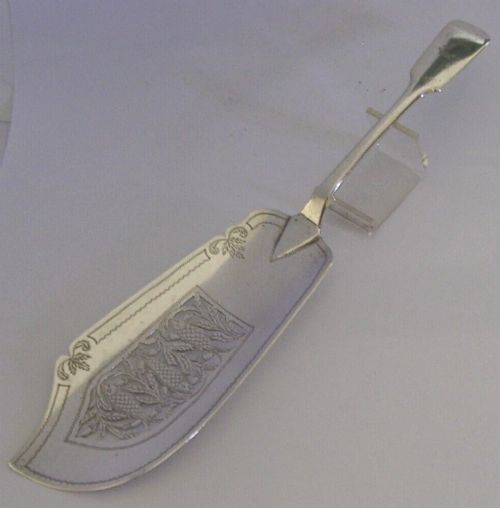
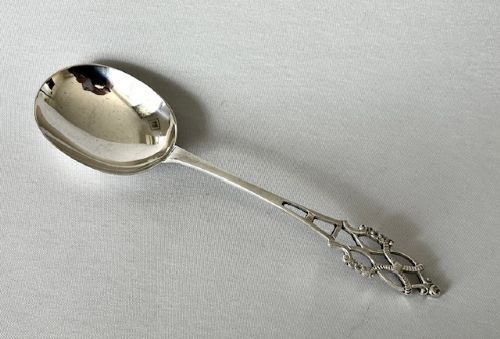
Silversmiths utilised solid sterling silver and silver plate, shaping metal through casting, piercing, and engraving techniques. Blades and bowls frequently feature intricate pierced scrollwork or chased decoration.
Organic elements appear in handles and implements, combining silver with natural horn or mother of pearl. Fitted presentation boxes incorporate interior linings of silk, satin, velvet, and leather to protect the metalwork.
Grape scissors allowed diners to snip individual fruit from the bunch without touching the whole cluster at the formal table.
Judging Quality
Quality rests upon the crispness of the chased decoration and the weight of the sterling silver used in the piece. Well-executed piercing on fish slices and tongs demonstrates superior workshop skill.
The integration of secondary materials such as mother of pearl and horn distinguishes finer examples. Maker marks and clear hallmarking add historical substance to the implement.
Henry Wilkinson·George Adams·Charles Boyton
The Victorian Silver Serving Utensil Glossary
- Sterling silver
- A silver alloy containing 92.5 percent pure silver by mass, standard for quality British tableware. This material provides the primary medium for nineteenth-century servers.
- Fish server
- A matched knife and fork or a broad pierced slice used for serving fish courses. These implements often feature elaborate engravings of marine motifs.
- Gravy spoon
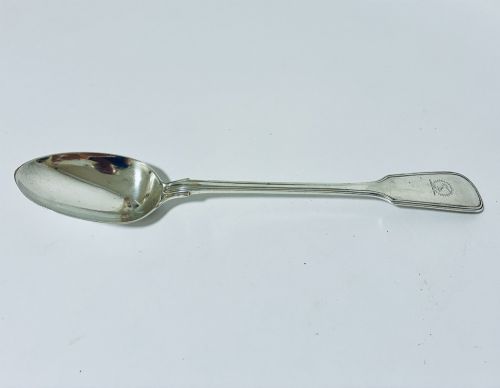
- A large spoon designed for transferring sauces and juices from a boat to the plate. They frequently appear in traditional decorative patterns such as Queens.
- Stilton scoop
- A cylindrical or half-cylinder utensil used for tunneling into hard cheeses. The handle is typically fashioned from mother of pearl or carved bone.
- Silver plate
- A base metal coated with a thin layer of silver through electroplating or older techniques. This provided an accessible alternative to solid sterling silver during the period.
Victorian Silver Serving Utensil: Frequently Asked Questions
What are victorian silver serving utensils used for?
These implements were manufactured to serve specific foods at nineteenth-century dining tables, including fish, grapes, cheese, and sardines. Each utensil was shaped for the particular texture and form of the dish.
Today, collectors utilise them for dinner parties or display them within cabinets. They bring period authenticity to contemporary table settings.
How do I clean silver serving pieces?
Maintenance requires a soft cloth and a reputable silver polish formulated to remove tarnish without abrading the metal. Avoid harsh chemical dips that strip away the aged patina.
Utensils with organic components like horn or mother of pearl require careful handling around the joins. Hand washing in warm soapy water preserves the integrity of these delicate handles.
How can I tell the date of a piece?
British silver bears hallmarks stamped directly into the metal, including city marks, date letters, and maker marks. These punches allow precise identification of the assay office and year of manufacture.
Style also indicates the period, as Victorian designs differ notably from Edwardian or Georgian equivalents. Form and decorative motifs often reflect the prevailing aesthetic of their decade of origin.
Are cased sets rare?
Fitted presentation boxes lined with velvet, silk, or satin are occasionally found with specialised items such as sardine servers. These original cases protected the implements during storage and transport.
Complete surviving sets remain desirable because the box and its contents stayed together over generations. The presence of a fitted leather case generally indicates a high-status commission.