

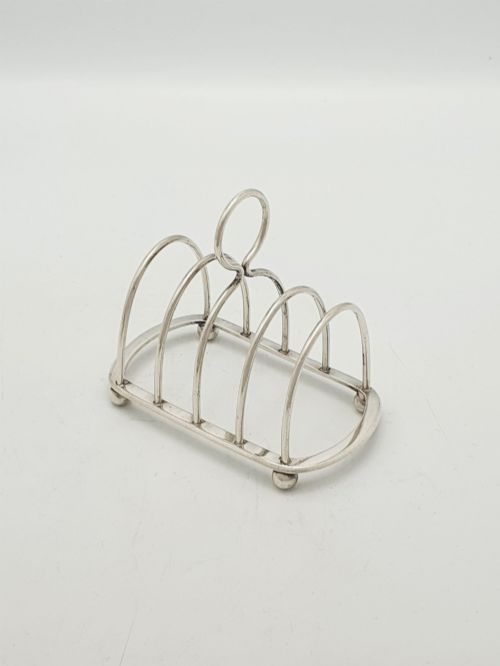
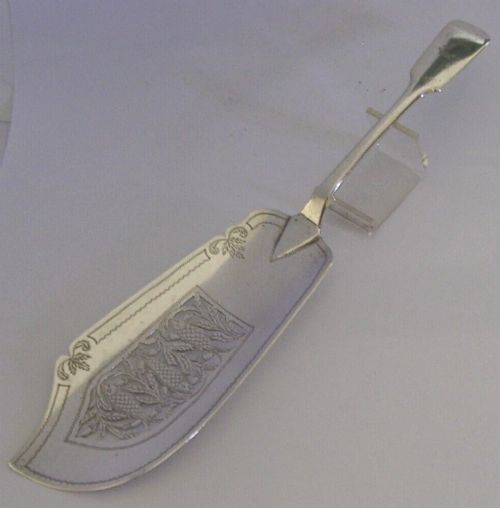
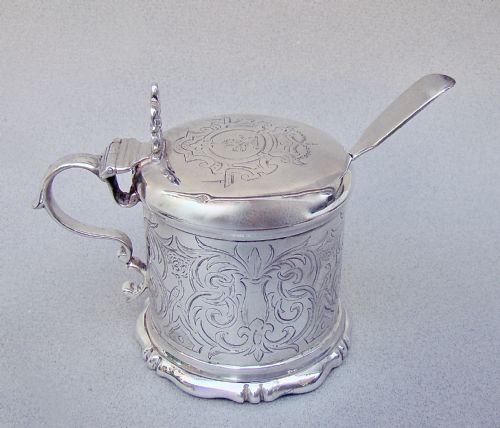

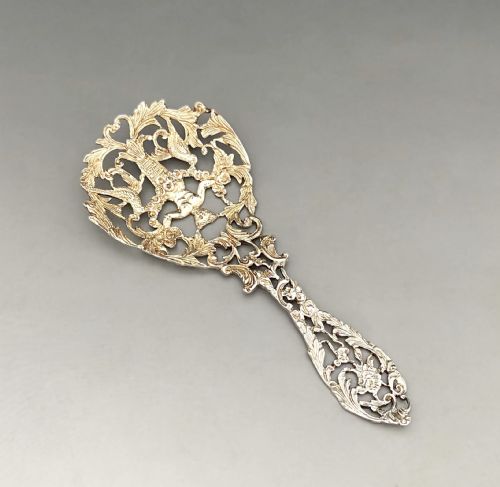



Victorian Sterling Silver Server
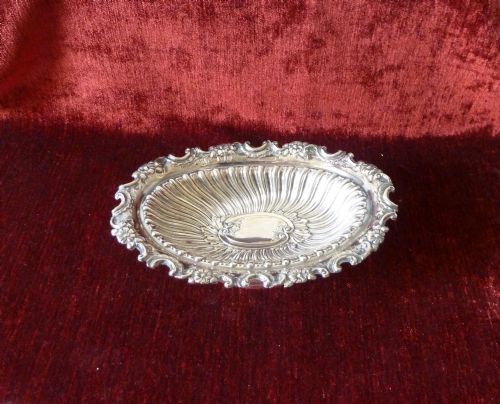
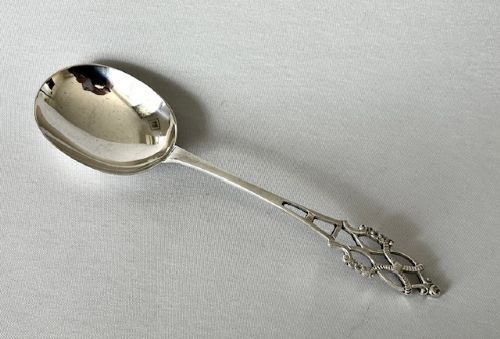
When you handle a victorian sterling silver server, you feel the substantial weight and ornate craftsmanship designed for formal nineteenth-century dining tables.
Victorian Sterling Silver Server
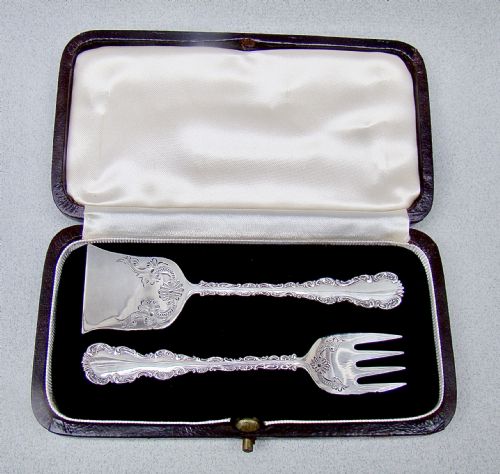
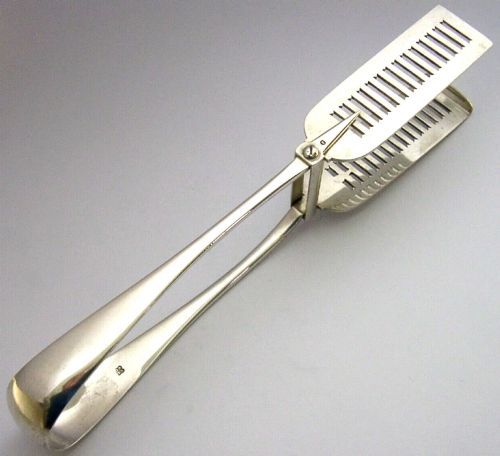
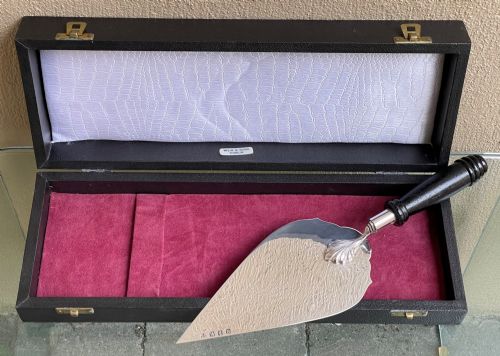
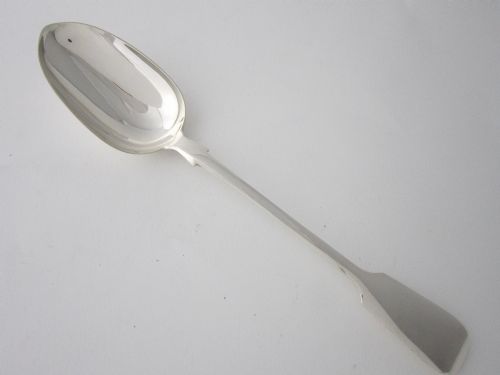
A victorian sterling silver server encompasses functional dining implements from the nineteenth century, including fish slices, serving spoons, tongs, and cased sets.
The pieces appearing on this page range from plain domestic utensils to heavily decorated fish servers and novelty sardine forks.
Many items survive in fitted presentation cases, often lined with velvet or satin, pointing to their original use as gifts or high-status dining accessories.
Materials and construction
Makers utilised solid sterling silver for the blades, bowls, and tines, frequently combining the metal with organic materials such as mother-of-pearl, ivory, or ebony for handles.
Techniques varied between hand-hammered forging, piercing, and cast ornamentation, particularly in styles like Victorian Rococo Revival which favoured deep scrollwork and crests.
Presentation pieces often received a thin application of gold wash, known as silver gilt, to enhance the interior of bowls or the surfaces of serving slices.
Several Victorian makers produced specialised servers shaped precisely like swimming fish and nesting birds.
Evaluating the standard
Quality rests upon the crispness of the chased or pierced decoration and the structural integrity of the joint between handle and blade.
Heavier gauge silver provides a rigid feel in the hand, whereas thinner items bend under pressure during use.
The presence of crisp maker marks and complete hallmarks alongside intact original cases elevates the desirability of a given piece.
Henry Wilkinson·Charles and George Fox·Martin Hall and Co·Horace Woodward and Co·Paul Storr·Elizabeth Eaton·Mappin and Webb·William Comyns
The Victorian Sterling Silver Server Glossary
- Sterling silver
- A silver alloy containing 92.5 percent pure silver by mass, typically stamped with specific town and date hallmarks.
- Fish server
- A large, wide blade utensil designed for portioning fish at the table, often featuring pierced scrollwork.
- Silver gilt
- Sterling silver that has been coated with a thin layer of gold, providing a warm tone often seen on serving slices.
- Fiddle pattern
- A traditional nineteenth-century flatware handle shape widening sharply at the base.
- Hallmark
- Official stamps struck into precious metals indicating the standard of purity, assay office, and year of manufacture.
Victorian Sterling Silver Server: Frequently Asked Questions
What were silver servers used for?
Victorian households utilised these implements to transfer specific foods like fish, meat, sardines, and pastries from central dishes to individual plates during formal meals.
Larger items such as fish slices and serving tongs were essential tools for hosting dinner parties where the host portioned food at the table.
How do I clean antique silver?
You should wash silver gently in warm water with mild soap and dry it immediately with a soft cloth to prevent water spots.
Avoid abrasive dips or harsh commercial polishes that strip away the fine patina built up over decades of careful handling.
Are cased servers original?
Many Victorian servers were retailed inside fitted wooden boxes lined with velvet, satin, or silk, designed specifically to house the matching utensils.
Examining the interior contours usually reveals whether the box was made for that exact set of cutlery.
How do I read silver hallmarks?
British hallmarks typically show a standard mark like a lion passant for sterling, a leopard head or similar symbol for the assay office, and a date letter.
Reference tables help match the specific letter font to the exact year the piece was struck.