
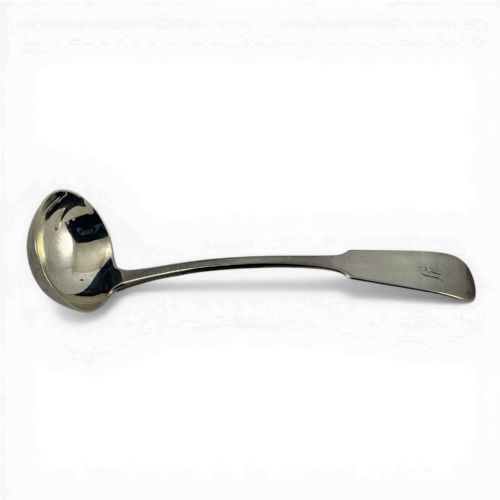


Georgian Silver Soup Spoons
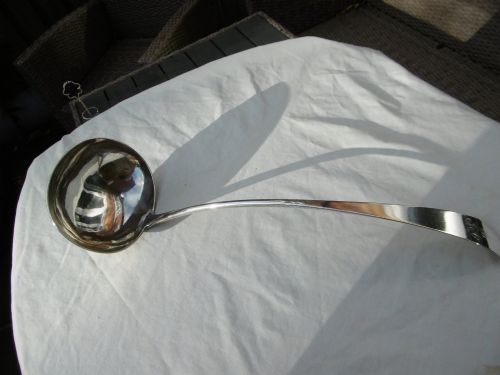
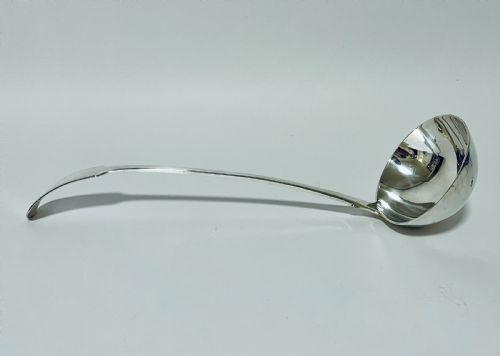
Georgian silver soup spoons are substantial dining silver pieces from the eighteenth and early nineteenth centuries designed to serve broth and punch with elegance.
Georgian Silver Soup Spoons
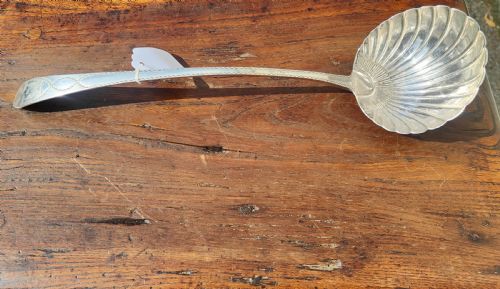
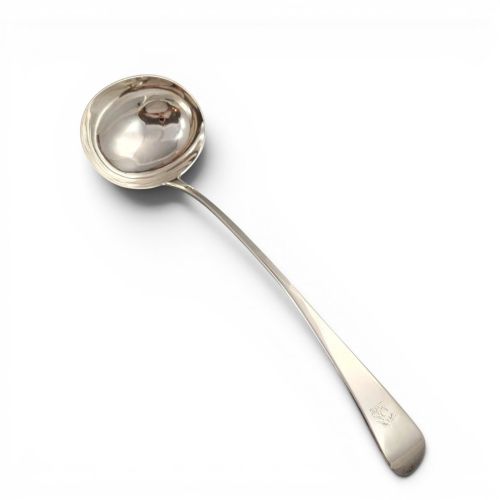
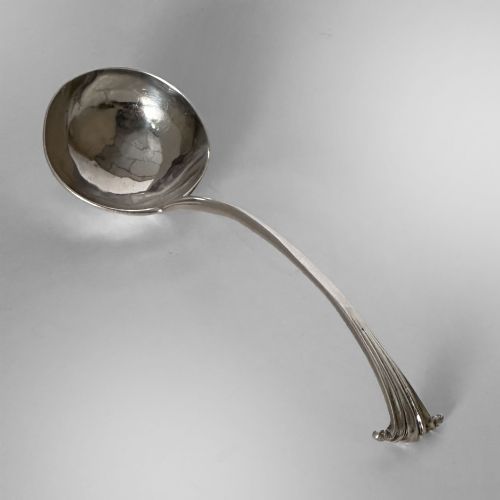
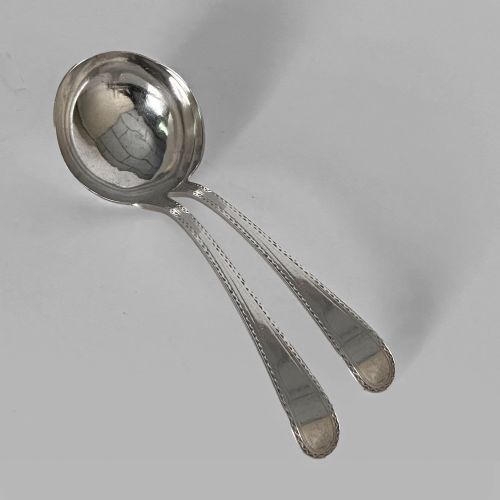
When buyers search for georgian silver soup spoons, they find heavy flatware and large serving ladles originating from Georgian, 18th Century, and Victorian periods. The selection encompasses matching sets of tablespoons alongside large serving ladles and punch ladles.
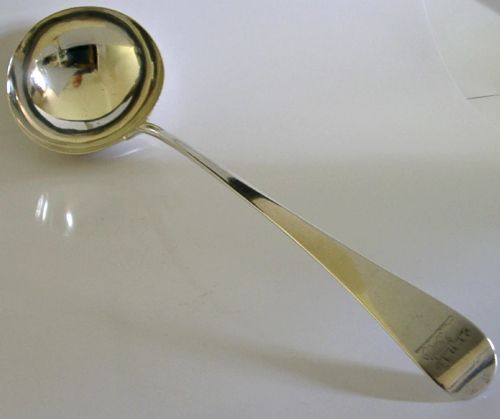
The objects span provincial and metropolitan origins, including London, Irish, Scottish, York, and Glasgow pieces. Makers utilised the Old English pattern and threaded borders to finish the handles.
Most examples function as serving utensils rather than individual eating spoons, often featuring engraved family crests upon the terminal. The forms include deep bowls paired with long stems intended for deep tureens.
How They Were Made
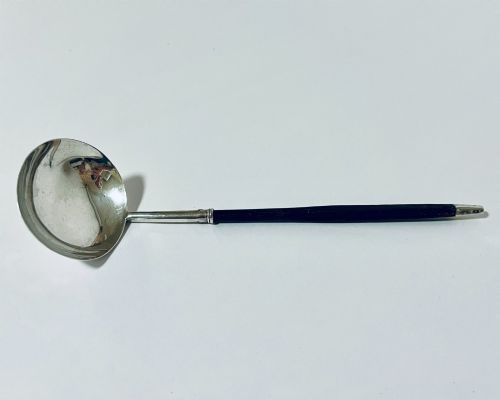
Silversmiths hammered sterling silver and silver into heavy forms, sometimes incorporating wood or horn for handles on punch ladles. Molten metal was shaped, beaten, and hand-finished in workshops across Britain and Ireland.
Hallmarks were stamped directly into the metal to certify the sterling standard, town of assay, and date of manufacture. Engravers then applied family crests and decorative motifs by hand onto the silver surface.
Listings feature sterling silver, silver, wood, and horn materials across the Georgian, 18th Century, and Victorian periods.
What Varies in Quality
The weight of the silver defines the grade of the utensil, with heavier grams indicating superior durability and material substance. Maker attribution also alters standing, as pieces from notable workshops command greater attention.
The clarity of the hallmarks and the crispness of the engraved crests demonstrate the original skill of the silversmith. Provincial marks from Scottish and Irish towns add regional distinction that affects desirability.
Milne and Campbell·Hester Bateman·William Ferguson·Jamieson and Naughton·Michael Smith
The Georgian Silver Soup Spoons Glossary
- Hallmark
- Official stamps struck into silver to indicate the standard of purity, the assay office, and the date letter. These marks allow collectors to trace the exact origin of each piece.
- Old English pattern
- A traditional eighteenth-century flatware design characterised by a tapered handle with a downward-curved end. This style remains a classic feature of Georgian dining silver.
- Sterling silver
- An alloy consisting of pure silver and other metals to increase hardness while maintaining a bright finish. It serves as the primary material for these antique items.
- Provincial silver
- Items manufactured and marked outside the main assay offices such as London. Pieces from Scottish and Irish provincial towns possess distinct regional characteristics.
- Crest
- A heraldic design engraved onto the silver handle to signify the owning family. This personal detail connects the utensil to its historical household.
Georgian Silver Soup Spoons: Frequently Asked Questions
How do I identify a Georgian silver soup spoon?
Examine the silver for official hallmarks that indicate the period of manufacture, usually found on the back of the stem. The shape typically follows the Old English pattern with a heavy, durable gauge of silver.
Look closely for maker's marks and town marks which reveal the specific silversmith and region of origin. These indicators separate genuine Georgian pieces from later reproductions.
Were these spoons used for eating or serving?
Most of these large silver items function as serving utensils and ladles rather than individual place spoons. Their deep bowls and long handles suited the deep soup tureens and punch bowls of the period.
Matching sets of tablespoons also appear alongside the larger ladles to complete dining services. Each piece was built to handle frequent use at formal dining tables.
What is a punch ladle?
A punch ladle is a specialised serving utensil featuring a deep bowl designed for dipping punch from a bowl. Makers sometimes combined silver with wood or horn handles for these specific pieces.
They date primarily from the eighteenth century and often display provincial marks or engraved crests. Their distinctive construction separates them from standard table flatware.
How should I care for antique silver?
Clean the silver gently using specialist polish to preserve the delicate hallmarks and engraved crests. Avoid harsh abrasive materials that can wear down the original surface of the metal.
Store the pieces in a dry environment to prevent tarnishing and protect them from physical damage. Regular handling and gentle maintenance keep the sterling silver bright.