


Irish Sterling Silver Spoon
An irish sterling silver spoon carries the weight of Dublin workshops and Georgian craftsmanship directly to your table.
Irish Sterling Silver Spoon
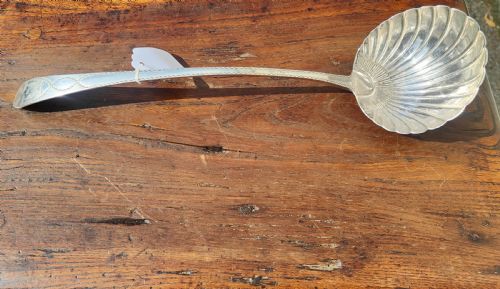
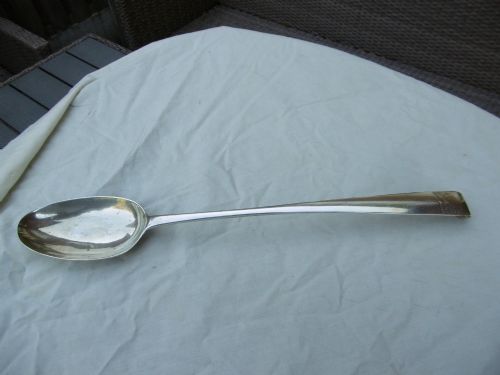
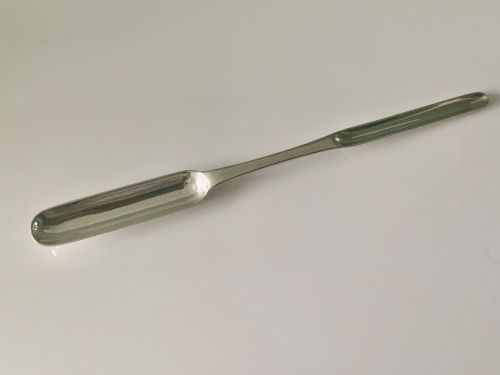
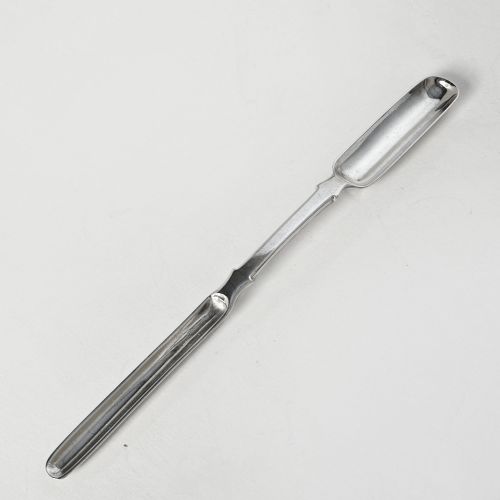
When searching for an irish sterling silver spoon, a buyer encounters a diverse range of cutlery spanning from the eighteenth century into the nineteenth century. The selection encompasses smaller examples such as caddy spoons and marrow scoops alongside large serving utensils, basting spoons, and soup ladles.
Most pieces date from the Georgian era, incorporating distinct regional patterns like Celtic point and Old English. Makers from Dublin dominate the selection, though provincial pieces occasionally appear.
These items served functional dining roles in affluent households, frequently bearing family crests or engraved initials that record their long histories.
Materials and Construction
The primary material across all examples is sterling silver, hammered and shaped by hand in silversmithing workshops. Certain cased sets include linings of velvet or silk to protect the metal.
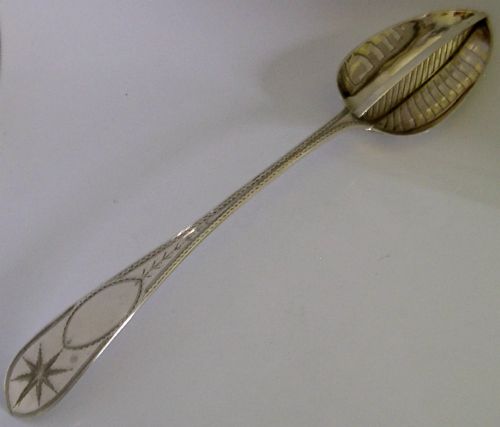
Craftsmen applied techniques such as piercing for strainer spoons and gilding for decorative berry serving spoons. Hallmarks stamped directly into the metal record the assay office, date letter, and maker's mark.
Some nineteenth-century spoons feature embossed fruit designs added decades after their initial manufacture to follow changing dining fashions.
Factors of Distinction
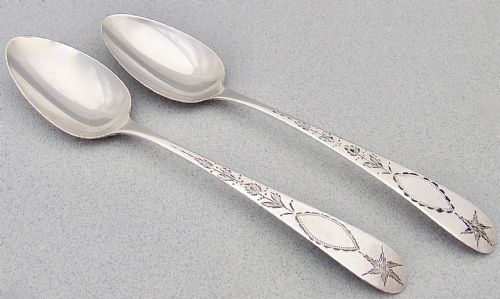
Quality rests upon the crispness of the original hand-engraving, particularly on crests and handles like the Celtic point style. Substantial weight and balanced proportions distinguish robust basting spoons and ladles from lighter domestic items.
The clarity and completeness of the Dublin hallmarks directly influence the standing of a piece. Preservation of the original surface finish without excessive polishing maintains the integrity of the silver.
John Pittar·John Craig·John Locker·Michael Smith·Edward Power
The Irish Sterling Silver Spoon Glossary
- Basting spoon
- A large utensil designed originally for spooning juices over roasting meat. These examples typically measure considerably longer than standard tablespoons.
- Marrow scoop
- A narrow, double-ended implement used to extract marrow from bone at the dining table. One end is usually a small spoon and the other a trough.
- Caddy spoon
- A short spoon specifically sized for measuring loose tea leaves into a caddy. They frequently feature decorative bowls and short handles.
- Celtic point
- A tapered handle shape terminating in a sharp point, popular in Irish silver design during the Georgian period.
- Berry spoon
- A serving spoon, often dating from the Georgian era, later embossed and chased with fruit and foliage motifs.
Irish Sterling Silver Spoon: Frequently Asked Questions
How do I date an Irish silver spoon?
Examine the stamped hallmarks on the reverse of the handle or stem. Dublin pieces typically display a figure of Hibernia alongside a date letter indicating the specific year of assay.
Additional maker's marks and crown symbols help narrow the period of production between the eighteenth and nineteenth centuries.
What is a runcible spoon?
A runcible spoon is a nineteenth-century term historically applied to various fork-spoon hybrids or specialised serving pieces. In this context, it refers to a form with distinct tines or edges adapted for serving specific foods.
These items share the solid sterling silver construction and regional Irish hallmarks of contemporary flatware.
Why do some spoons have family crests?
Affluent Georgian families commissioned silversmiths to engrave personal crests, coats of arms, or initials onto the handles of their silverware. This practice marked ownership and added distinction to matching sets of cutlery.
Today, these crests provide genealogical clues and verify the provenance of individual pieces.
Can I use these spoons daily?
While these items were originally made for dining, their age and historical value mean many owners choose to display or reserve them for special occasions. Sterling silver requires gentle hand washing without harsh abrasives to preserve the antique finish.
Proper storage in lined boxes prevents tarnish and protects the delicate engravings.