
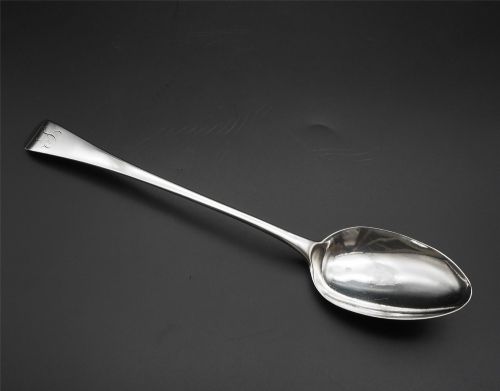
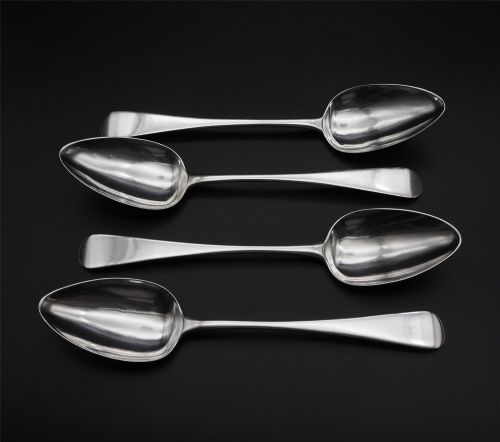
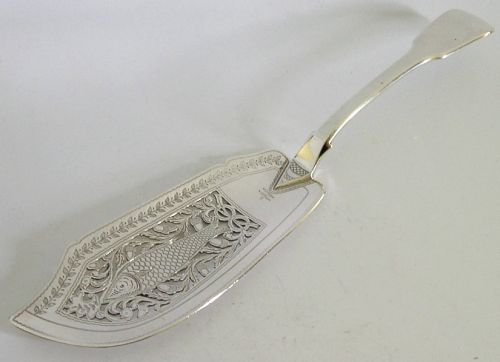
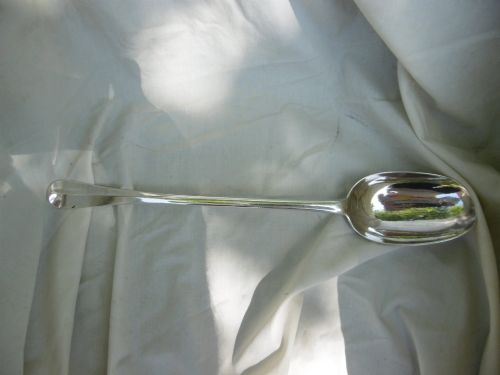




Georgian Silver Serving Utensils
Georgian silver serving utensils are functional implements forged for the dining table, offering robust sterling silver construction and classic period styling.
Georgian Silver Serving Utensils
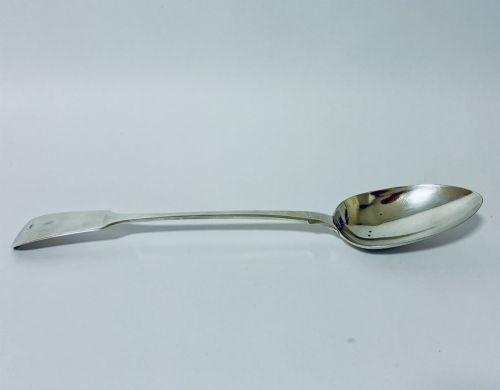
You are most likely to meet serving spoons and fish slices bearing the hallmarks of reign periods such as George III and George IV. These objects reflect the dining habits of their time, when large joints of meat, fish, and cheeses required dedicated serving tools made of sterling silver.
The materials recorded in these listings extend beyond solid metal to include fitted cases lined with silk, velvet, or leatherette, alongside examples with parcel gilt finishes. Origins span English, Scottish, and Irish workshops, showing distinct regional patterns like the Irish Celtic point and Fiddle pattern.
What Varies in Quality
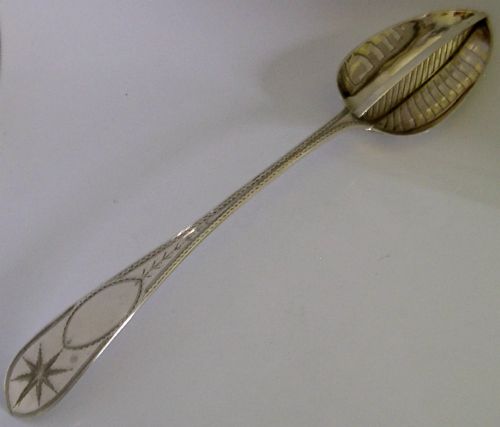
The distinction between standard examples and the finest pieces rests on the weight of the silver, the clarity of the maker marks, and the crispness of any engraved decoration. Heavier items, such as large basting spoons and substantial fish slices, demonstrate greater durability and material substance.
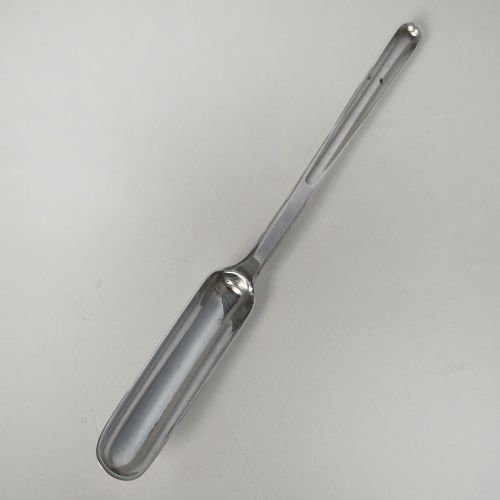
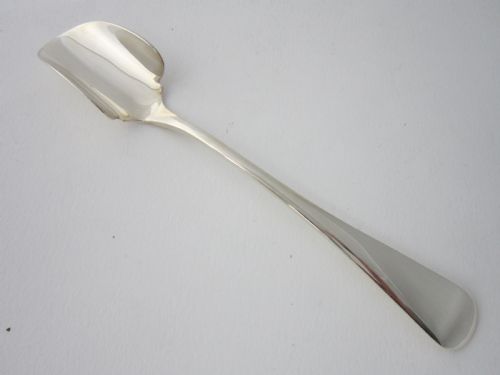
Preservation of original fitted presentation cases and the legibility of Dublin, Edinburgh, or London hallmarks add significantly to an item's documentary integrity. The presence of detailed crests and specialised forms like marrow scoops or cheese scoops also elevates the character of a piece.
Some nineteenth century diners required dedicated scoops just to extract marrow from bones, proving that historical dining habits were remarkably thorough.
Andrew Archer·Jonathan Hayne·Hester Bateman·Wilkes Booth
The Georgian Silver Serving Utensils Glossary
- Sterling silver
- A silver alloy containing 92.5 percent pure silver and 7.5 percent other metals, typically copper, chosen for strength and durability.
- Parcel gilt
- Silver objects that have portions highlighted with a thin layer of gold applied to the surface, often inside spoon bowls.
- Marrow scoop
- A narrow, double-ended utensil designed originally for extracting marrow from animal bones during dining.
- Hallmark
- Official stamps struck into precious metals to indicate the standard of purity, the assay office, and the year of manufacture.
- Old English pattern
- A traditional flatware design featuring a rounded end turned downward at the terminal.
Georgian Silver Serving Utensils: Frequently Asked Questions
What are georgian silver serving utensils used for?
These implements served specific functions at elite dining tables, ranging from ladling soup and basting roasted meats to serving fish and handling sugar.
Larger spoons and slices were engineered to portion substantial quantities of food efficiently before individual plating.
How do I identify a period piece?
Examination of the stamped hallmarks provides definitive evidence of the manufacturing date, assay office, and silversmith.
Stylistic indicators such as fiddle handles and regional motifs like Celtic points also help determine the era of origin.
Can I use these utensils today?
Sterling silver serving pieces remain fully functional for modern dining, provided they receive appropriate manual care and gentle cleaning.
Many collectors prefer to integrate these historic implements into contemporary meals rather than keeping them solely on display.