
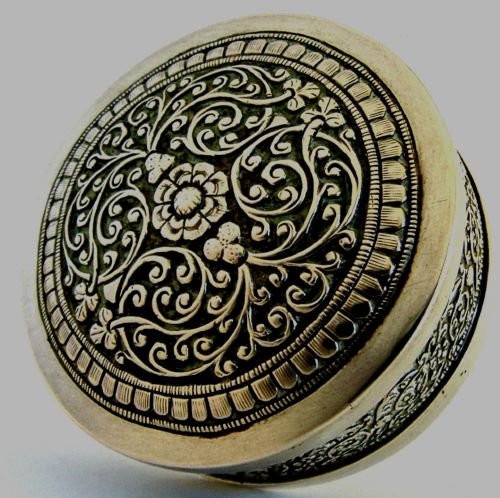
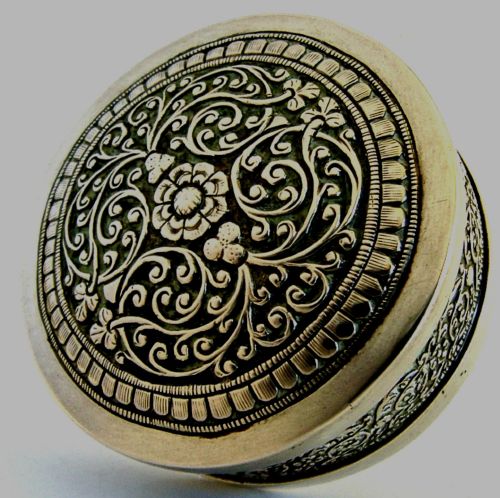
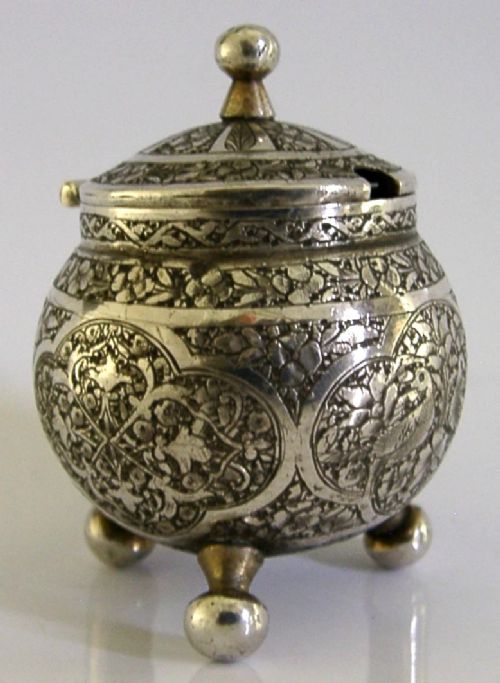
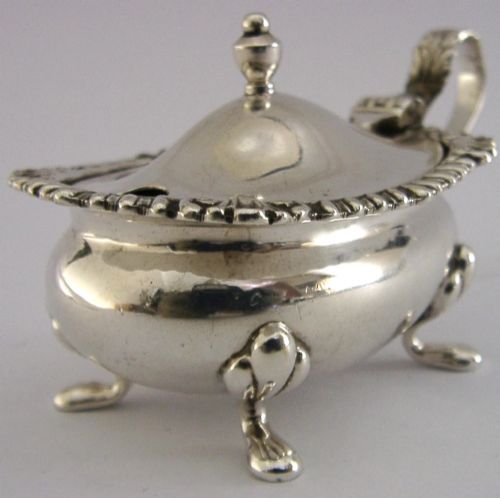

Solid Silver Pots
Solid silver pots span centuries of form and function, offering tangible weight and lasting utility across tea sets, condiment servers, and desk accessories.
Solid Silver Pots
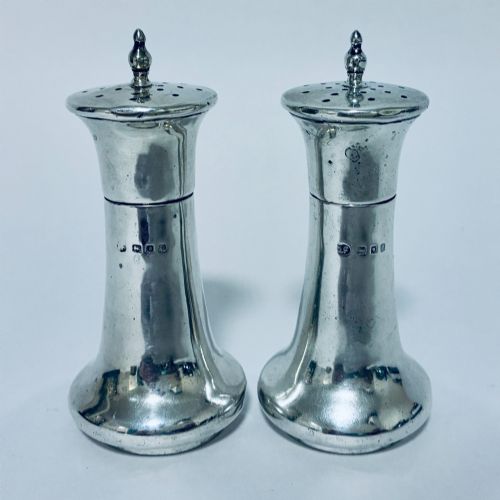
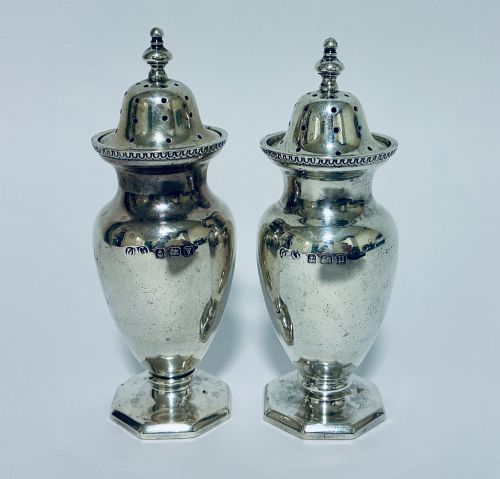
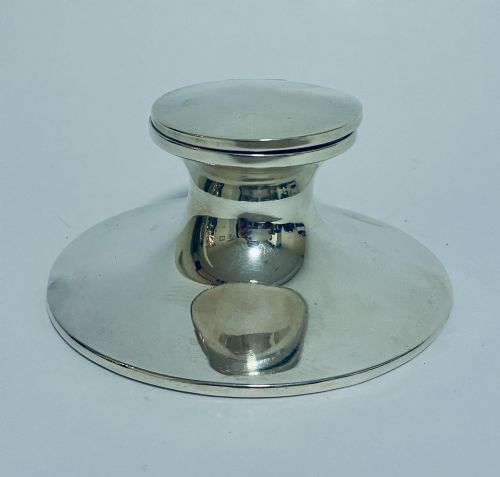
Solid silver pots encompass a broad category of domestic vessels designed for tea, coffee, mustard, pepper, and ink, originating from Georgian, Victorian, Edwardian, and mid-century periods. When searching for solid silver pots, buyers encounter everything from large tea and coffee services to small novelty cruets, mustard pots, and inkwells.
The selection ranges from early provincial Georgian teapots and ornate Victorian vanity pieces to Edwardian novelties and later Art Deco designs. British sterling silver appears frequently alongside continental 800 silver and export pieces from various regions.
How they were made
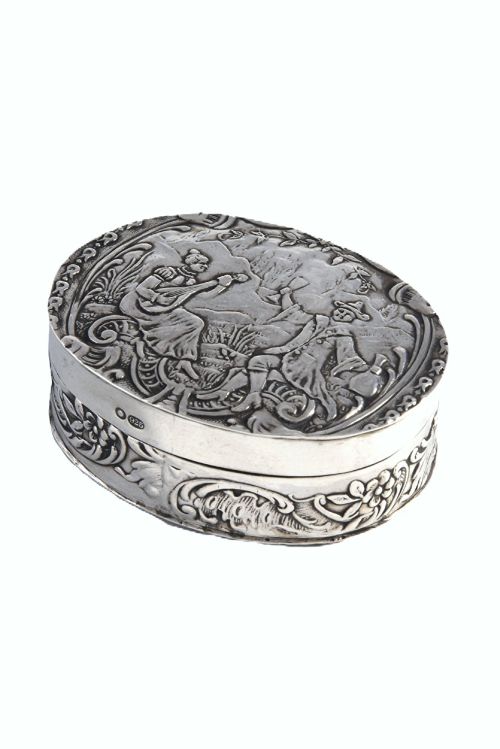
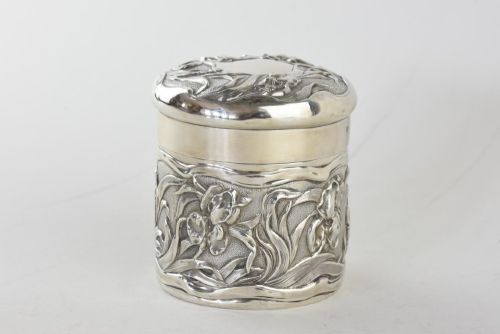
Silversmiths formed these vessels using traditional techniques such as raising from a flat sheet of metal, casting, and repoussé decoration, frequently incorporating wooden handles, glass liners, and ebony fittings. Sterling silver and standard solid silver served as the primary metals, sometimes complemented by interior gilt washes or contrasting materials like wood and glass.
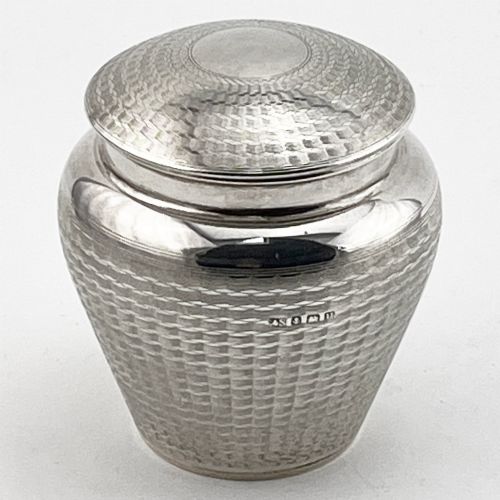
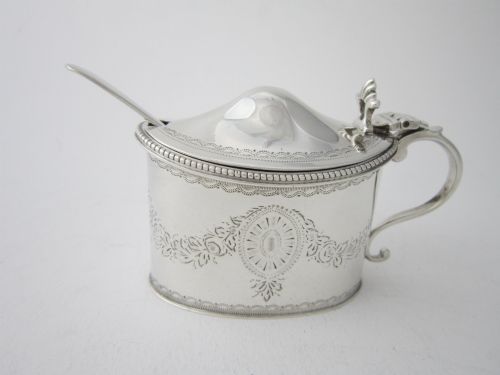
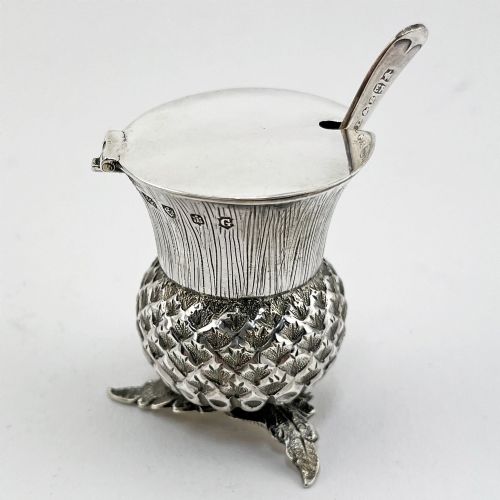
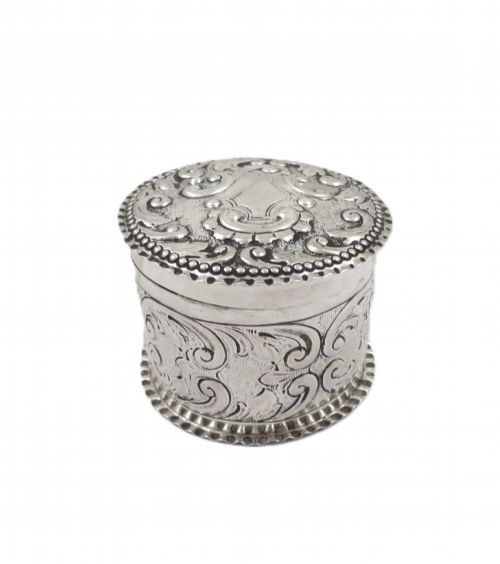
Makers applied hand-chased detailing, engraving, and embossed motifs to surfaces, while fitted components like hinged lids and mustard pot liners required precise metalwork and glass-cutting skills.
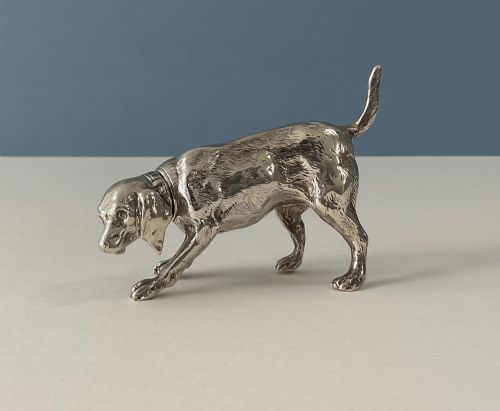
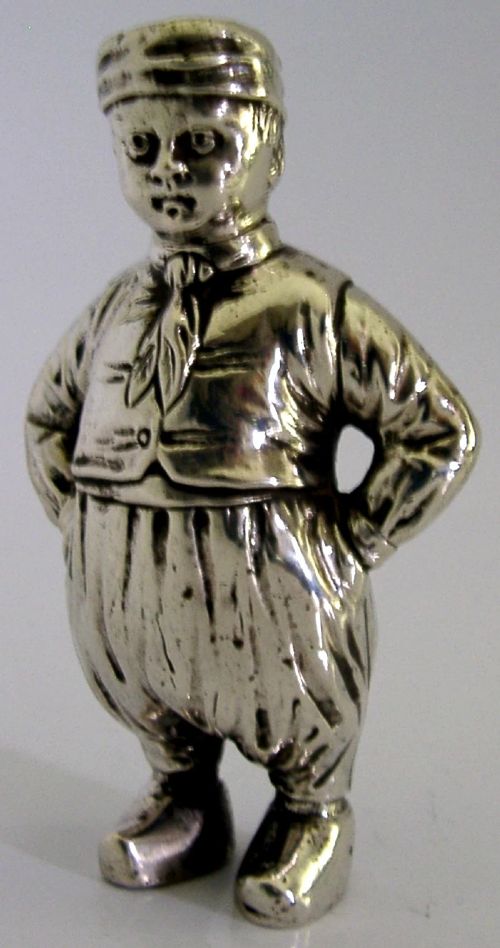
Several silver pots take the shape of watering cans, owls, and dogs.
What varies in quality
Quality rests in the crispness of chased decoration, the balance of cast handles and spouts, and the integrity of the original construction without excessive thinning of the metal through polish over time. Superior examples display clear hallmarks, substantial weight, and well-fitted components like snug hinged lids and matching liners.
The distinction between standard domestic wares and exceptional pieces often lies in the depth of hand-engraving, the complexity of novelty forms, and the reputation of the silversmith or workshop responsible for the piece.
Goldsmiths and Silversmiths Company·Richard Gurney·Edward Power·Matthew Boulton·Joseph Craddock
The Solid Silver Pots Glossary
- Sterling silver
- A silver alloy containing 92.5 percent pure silver and 7.5 percent other metals, usually copper, ensuring durability for domestic vessels.
- Repoussé
- A metalworking technique where the silversmith hammers the design from the reverse side to create a raised relief pattern on the exterior.
- Cruet set
- A matched group of small pots and bottles for holding condiments, typically including mustard pots, pepper casters, and salt cellars.
- Hallmark
- A series of official marks stamped on precious metals indicating the standard of purity, the assay office, and the year of manufacture.
- Pounce pot
- A small shaker container used to sprinkle powder over handwritten documents to dry ink before the invention of blotting paper.
Solid Silver Pots: Frequently Asked Questions
How do I clean solid silver pots?
Use a soft cloth and a specialised silver polish designed to remove tarnish without abrading the metal surface. Avoid harsh chemical dips that strip away the natural dark patina in recessed chased details.
Rinse the pot thoroughly in warm water and dry it immediately with a clean cotton cloth to prevent water spots and preserve the finish.
What is the difference between a teapot and a coffee pot?
Coffee pots generally feature a taller, more slender body designed to keep brewed coffee hot and allow grounds to settle. Teapots tend to be wider and shorter to accommodate loose tea leaves expanding in boiling water.
Spout placement and handle orientation also differ to suit the respective brewing and pouring habits of tea and coffee.
Can I use antique silver mustard pots daily?
Most antique mustard pots feature glass or gilt interior liners that protect the silver from the corrosive effects of mustard and vinegar. If the glass liner is intact, normal daily use remains entirely practical.
Ensure the mustard is cleaned out promptly after use to prevent any residue from damaging the interior metal or liner.
How do I read silver hallmarks?
Hallmarks typically include a maker mark, a standard mark such as a lion passant for British sterling, an assay office mark indicating the city, and a date letter. These stamps provide the exact year of manufacture and the workshop responsible.
Reference books and online registry charts help decode the specific letter shapes and town symbols found on the base or rim of the piece.