
Vintage Silver Condiments
When you search for vintage silver condiments, you are looking at practical dining accessories spanning the Victorian, Edwardian, and Art Deco periods.

Vintage Silver Condiments
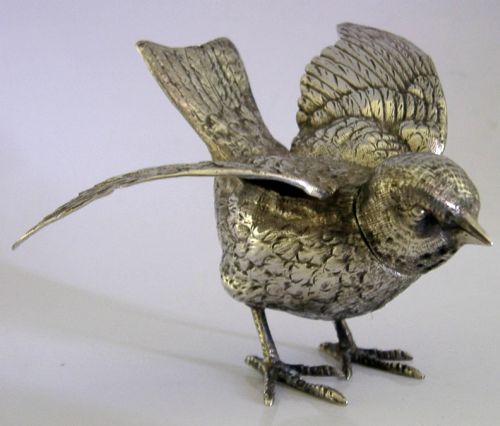
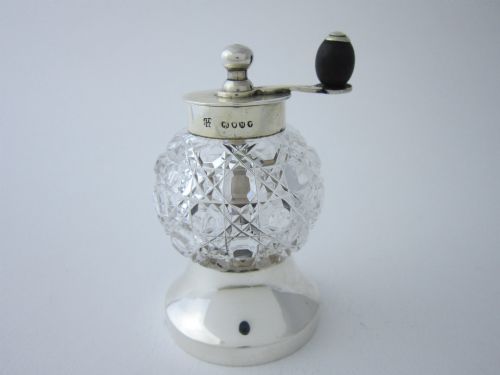
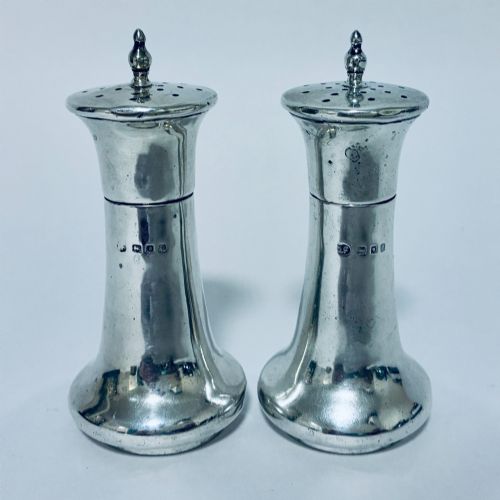
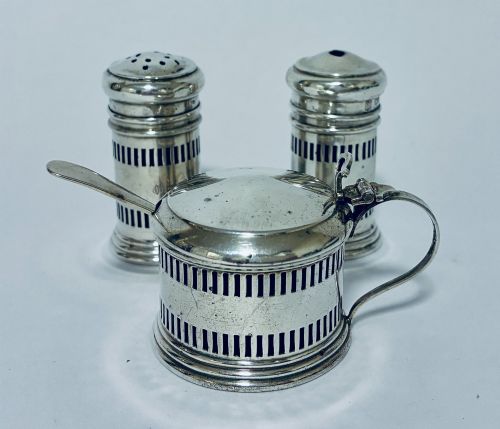
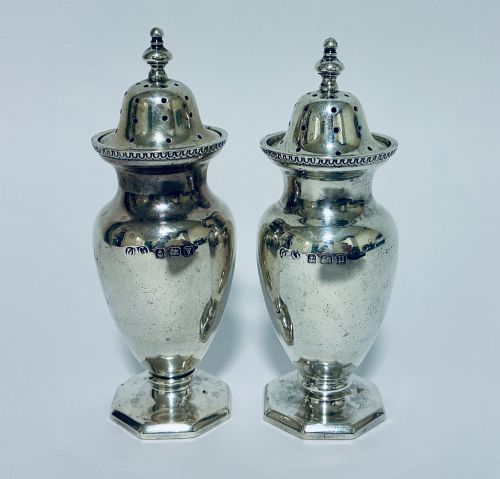
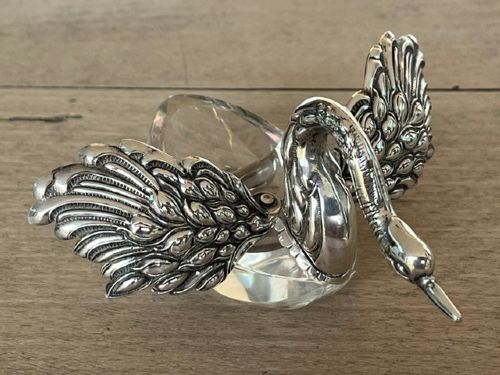
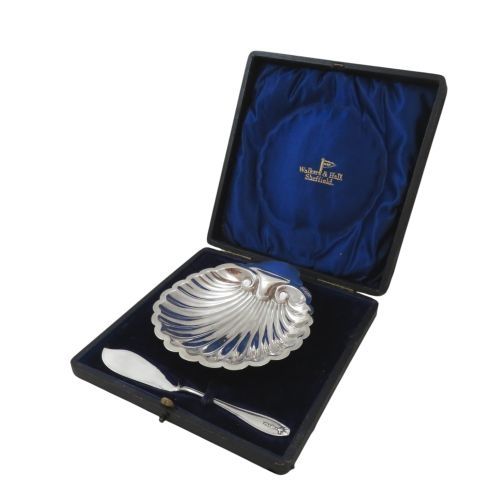
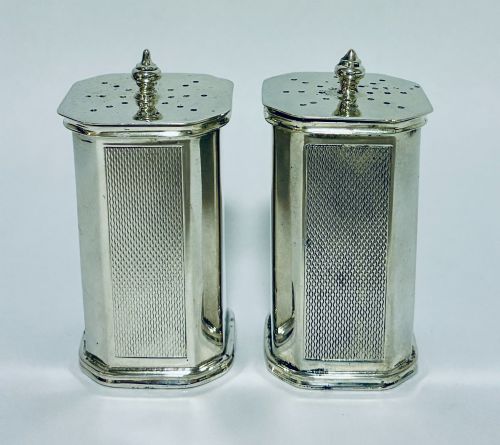
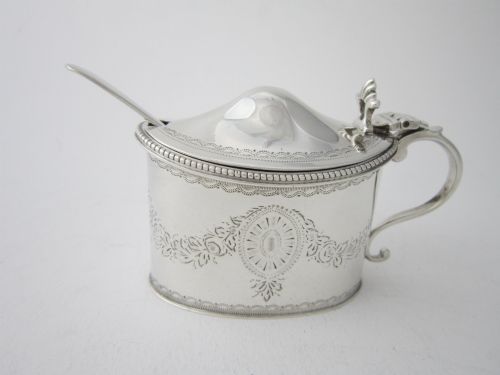
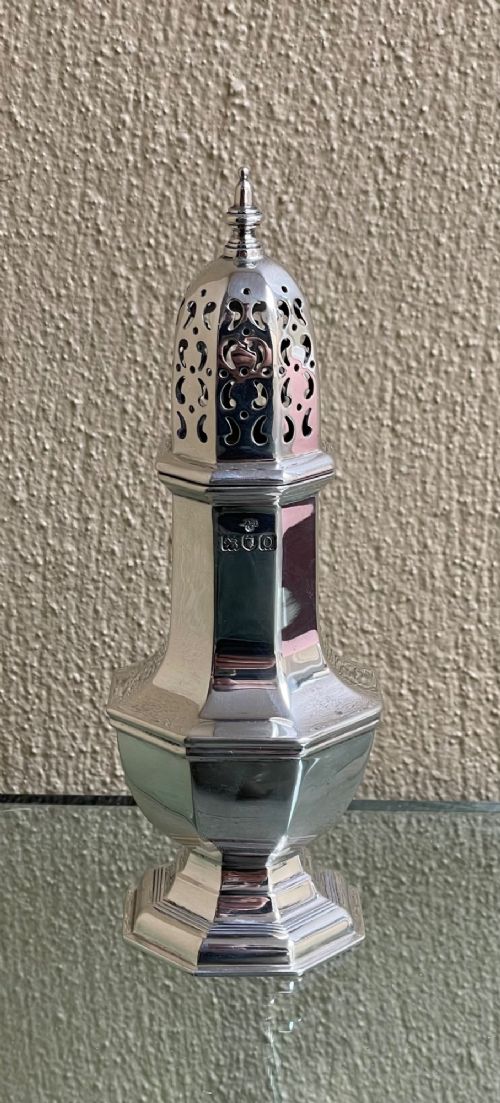
Vintage silver condiments encompass a wide array of tableware, including cruet sets, salt cellars, mustard pots, pepper mills, and sugar casters. These items serve the dining table by holding seasonings and preserves within silver mounts or stands.
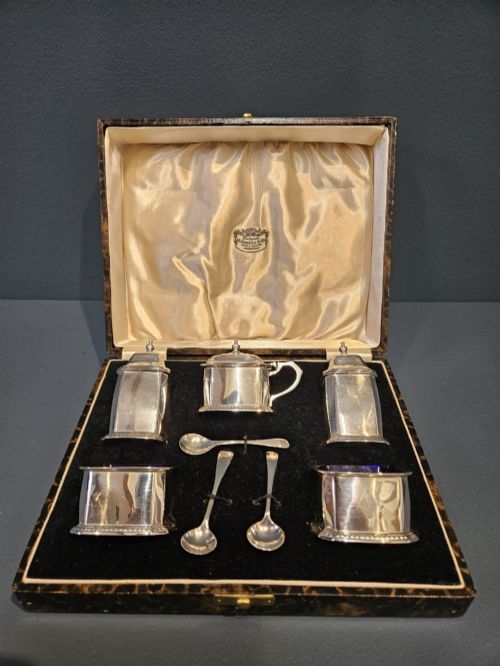
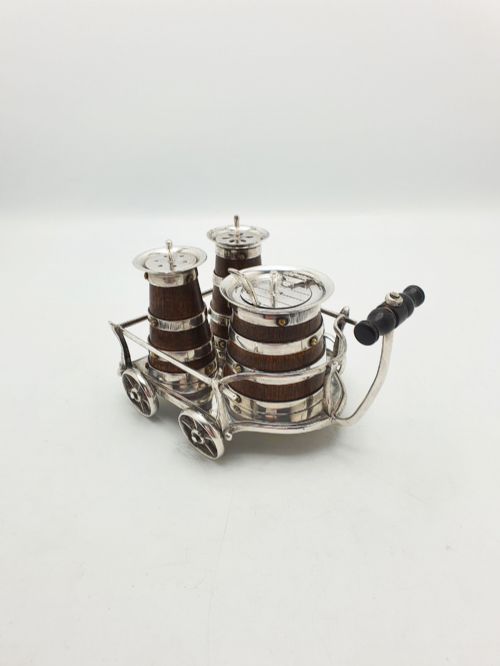
Cruet sets appear in multi-piece configurations, often pairing bottles and jars with a fitted silver plated or sterling silver stand. Single salt cellars and pepper pots also emerge frequently across the selection.
The objects span multiple decades of manufacture, reaching from the nineteenth-century Victorian era through Edwardian productions and into mid-century twentieth-century design.
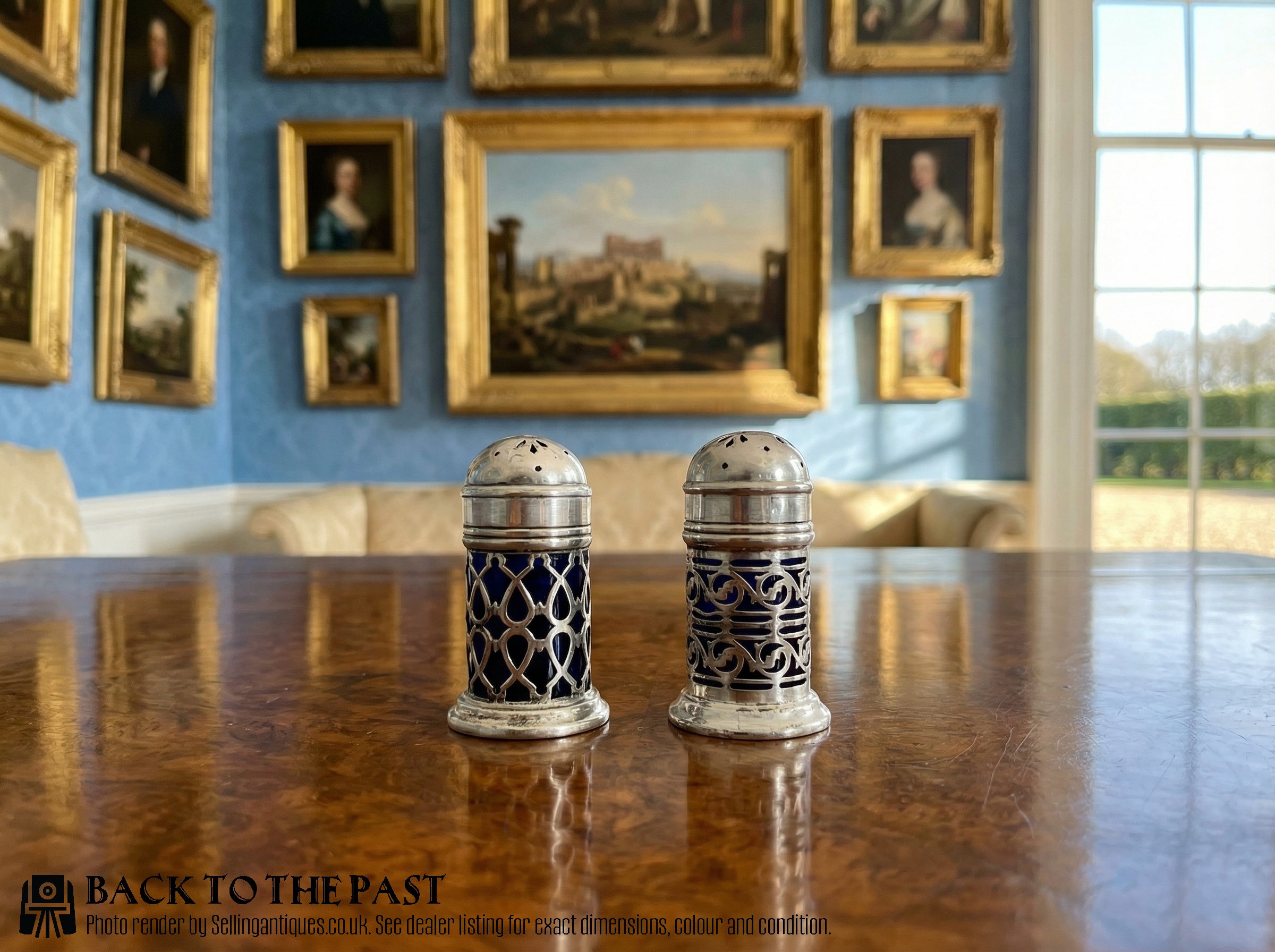
Materials and construction methods
Makers combined sterling silver and silver plate with cut glass, crystal, cobalt glass, and cranberry glass liners. Wood and velvet also support specific cased sets and fitted bases.
Smiths utilised piercing, chasing, and mounting techniques to shape the metal housings, while glass was blown and cut to fit snug interiors.
Period styles span Victorian, Edwardian, George V, and Art Deco eras.
Distinctions in standard and execution
Quality rests on the crispness of chased ornament, the weight of the silver component, and the integrity of any fitted glass liners.
Matching sets with intact original glass and clear hallmarks command greater attention than mismatched replacements or heavily worn plating.
Barnards·Josiah Williams & Co·Hukin and Heath
The Vintage Silver Condiments Glossary
- Cruet set
- A matched group of bottles or containers holding condiments, fitted to a stand or frame for table service.
- Salt cellar
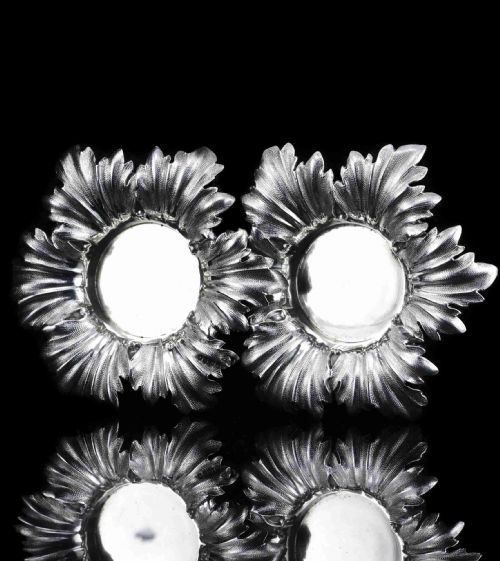
- A small open bowl or dish used to hold salt on the dining table, often paired with a miniature spoon.
- Mustard pot
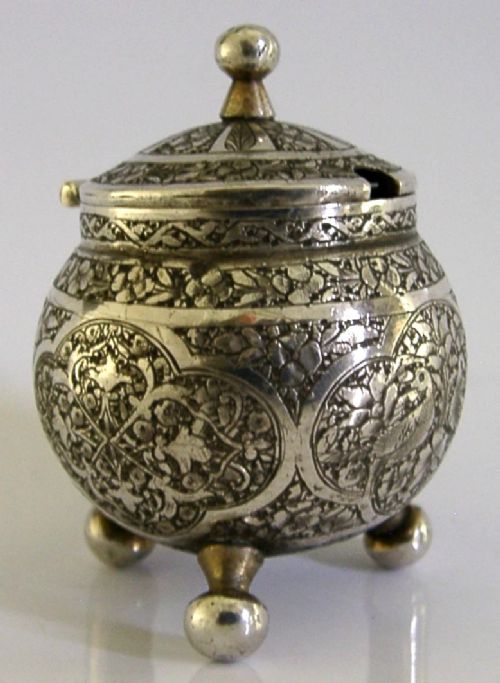
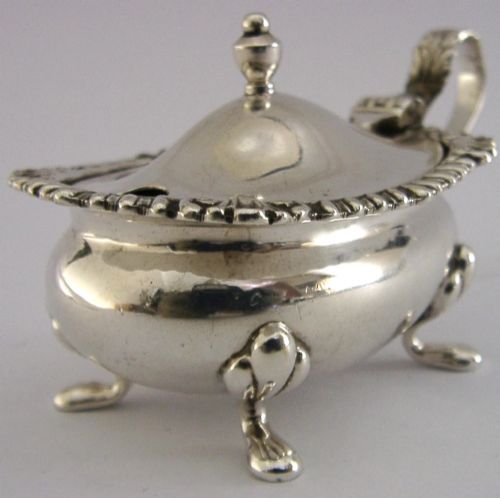
- A small covered jar designed to hold prepared mustard, frequently including a blue glass liner and matching spoon.
- Sugar caster
- A tall shaker with a pierced dome top used for sprinkling sugar over food.
- Hallmark
- An official stamp applied to precious metals indicating the standard of purity, the assay office, and the date letter.
Vintage Silver Condiments: Frequently Asked Questions
What is a cruet set?
A cruet set is a collection of bottles, jars, or shakers held together in a frame for holding condiments at the dining table.
These sets typically include containers for oil, vinegar, salt, pepper, and mustard.
How do I clean antique silver condiments?
Silver condiments require gentle cleaning with a specialised cloth or polish designed for precious metals to avoid removing thin plating.
Glass liners should be removed and washed separately in warm soapy water.
Are glass liners original?
Original glass liners fit snugly inside the silver mounts and match the colour and cut appropriate to the period of manufacture.
Replacements often show slight variations in thickness or glass tone.
How were salt cellars used?
Before the invention of free-flowing table salt, open salt cellars sat on the table for guests to pinch or spoon salt onto their plates.
These open bowls often feature coloured glass liners to protect the silver from corrosive salt.