

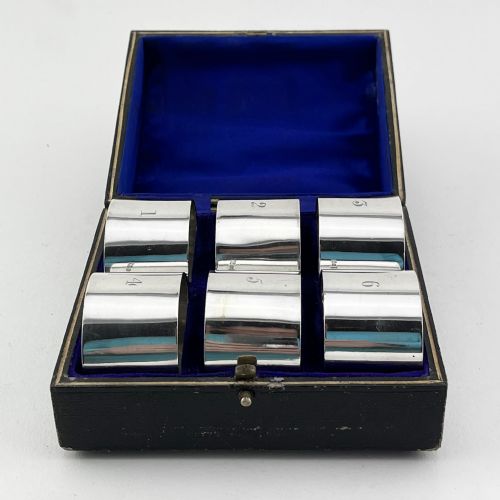


Edwardian Dining Tableware
These edwardian dining tableware pieces bring refined silver and cut glass directly to the table.
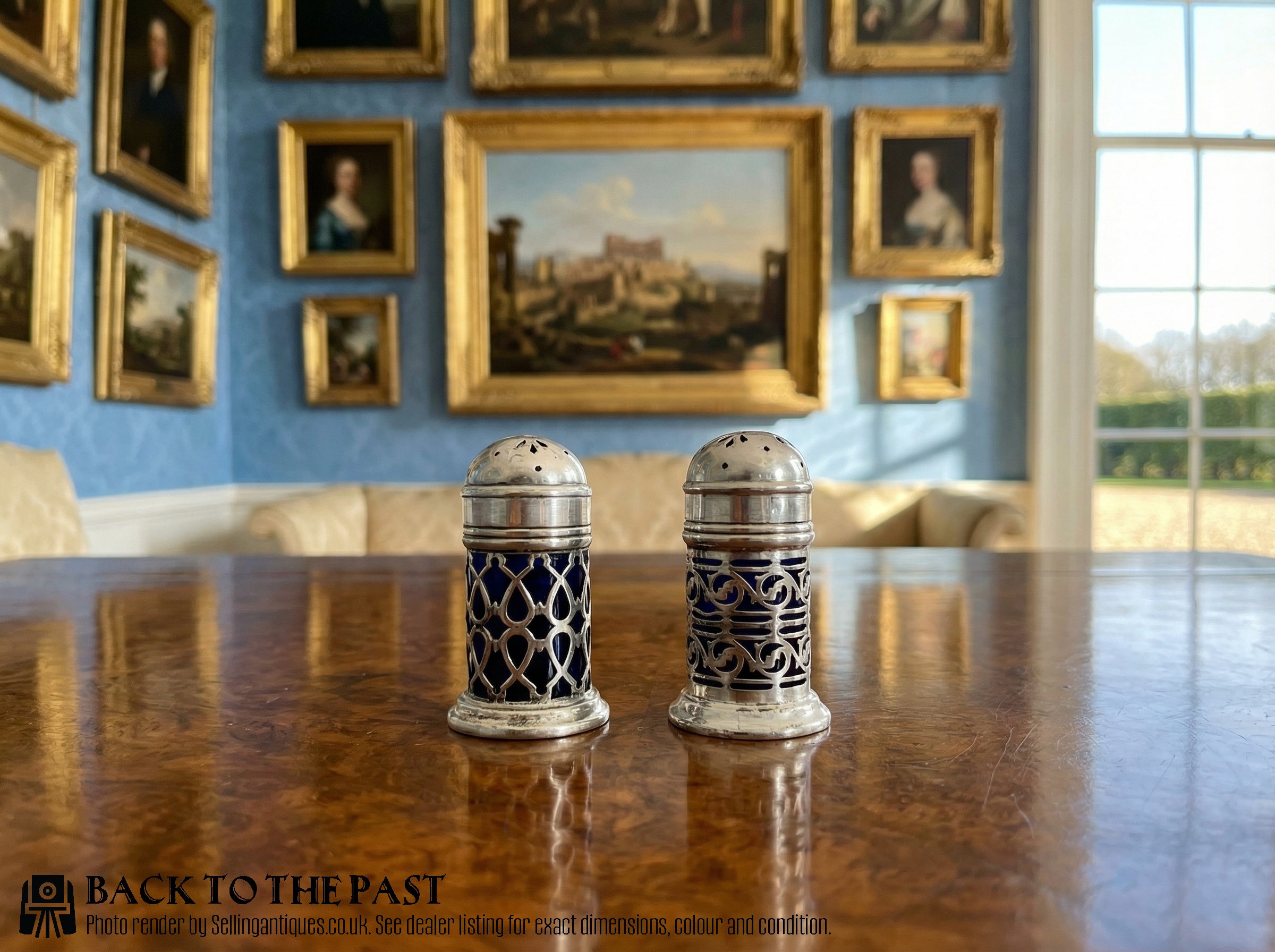
Edwardian Dining Tableware
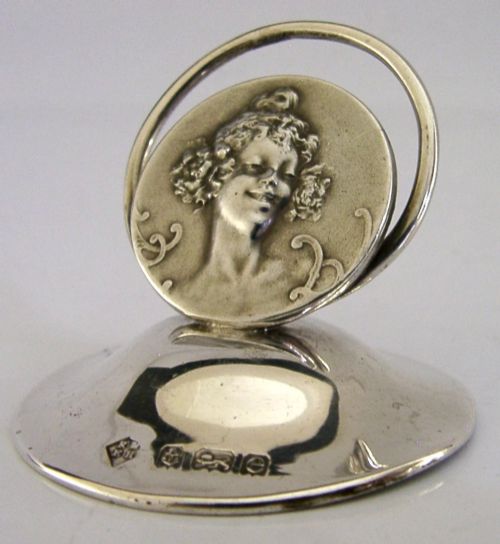
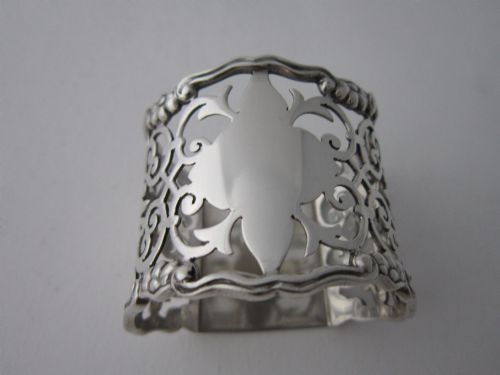
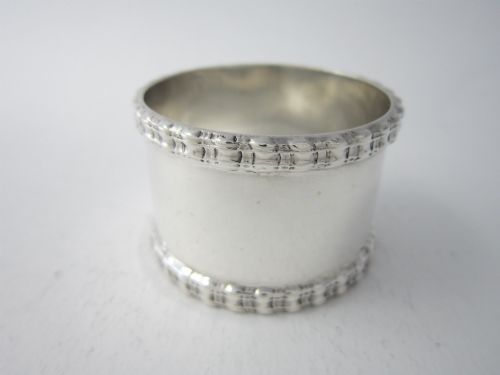
When you search for edwardian dining tableware, you encounter the silver, plate and glassware that dressed dining tables during the early twentieth century. These pieces include napkin rings, menu holders, cruet sets and knife rests used to organise formal meals.
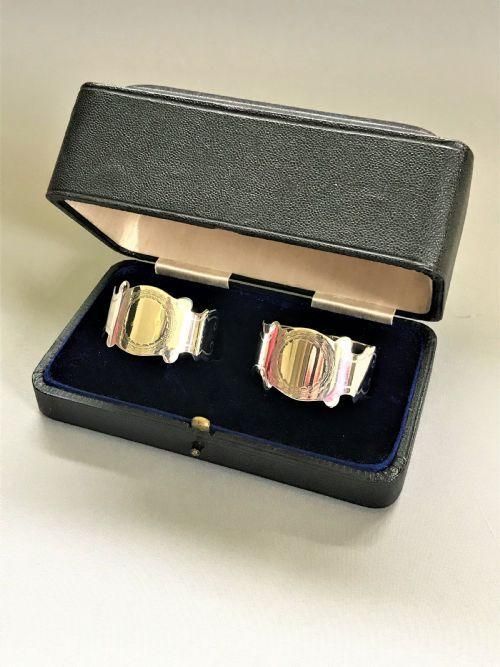
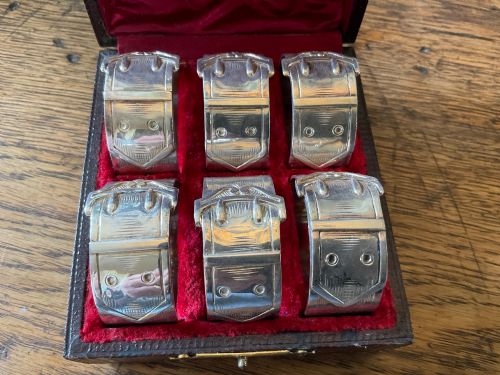
You are most likely to meet sterling silver and silver-plated examples shaped in classic Edwardian, Arts and Crafts and Art Nouveau styles. Many survive in fitted presentation cases lined with silk, velvet or leatherette.
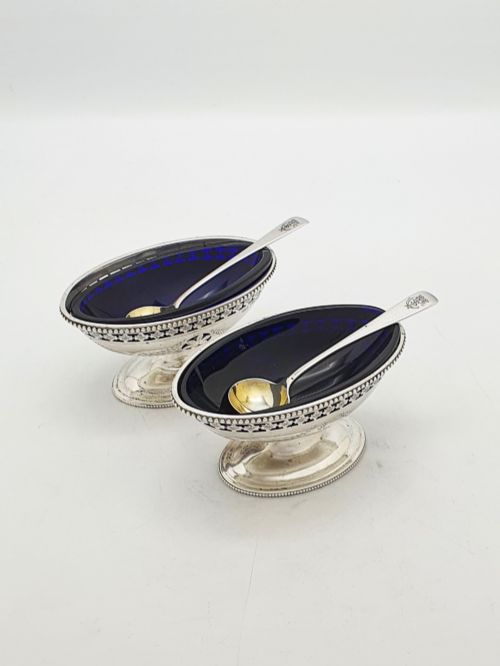
The objects span practical serving vessels and small decorative table accessories produced around the reigns of Edward VII and George V. Some items incorporate cut glass bodies, cobalt glass liners or mother of pearl details.
Materials and Construction
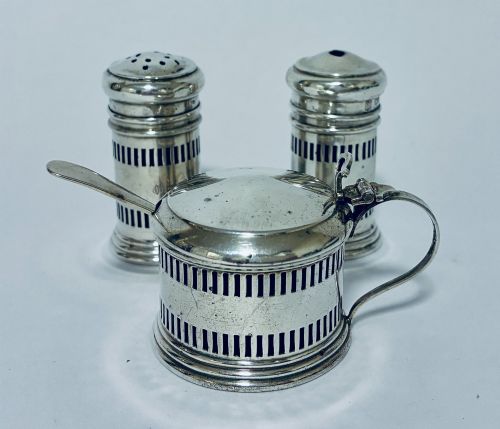
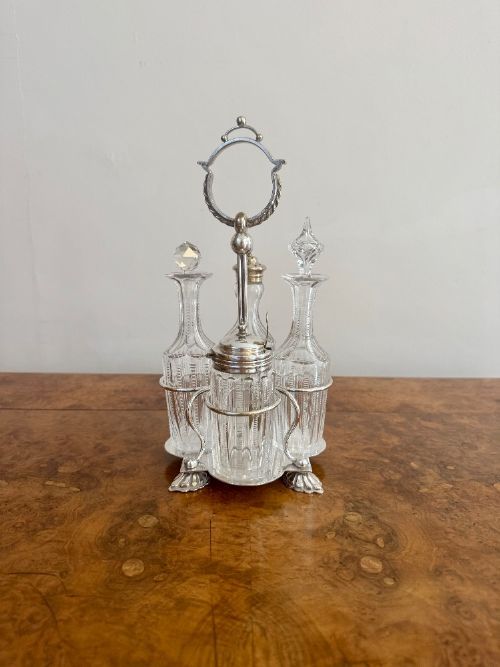
Silversmiths shaped sterling silver and silver plate through stamping, casting and piercing to create cruet sets, napkin clips and toast racks. The metalwork often displays crisp chased ornamentation, floral motifs or geometric borders.
Glass components such as cruet bottles and salt cellars were shaped through heavy cutting and moulding to catch the light on the dining table. Fitted containers relied on wooden carcases covered in leatherette and lined with silk or velvet to cushion the silver.
Listings feature sterling silver and silver-plated edwardian dining tableware alongside cut glass cruet sets and mother of pearl knife rests.
Assessment of Quality
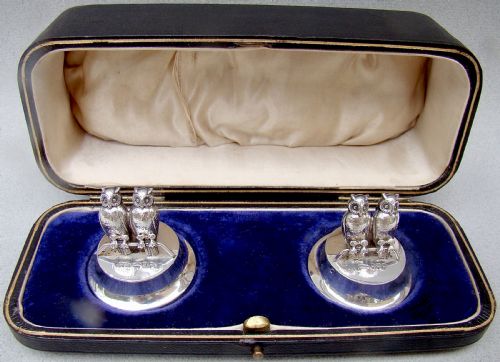
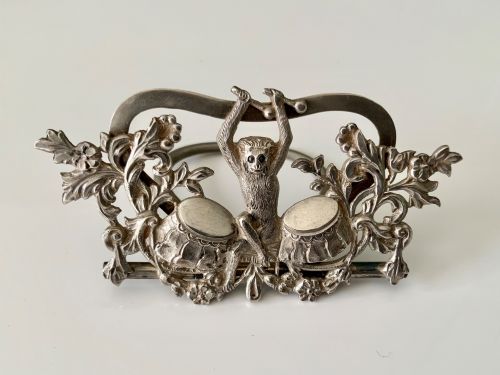
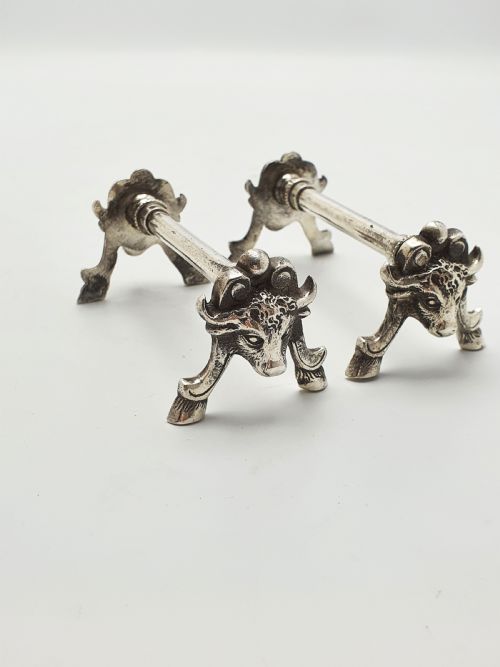
The standard of edwardian dining tableware depends on the thickness of the silver gauge and the crispness of any applied cast ornament. Pieces modelled as figural subjects, such as owls or monkeys, rely on sculptural precision for their appeal.
Original presentation boxes lined with silk or velvet preserve the contents and distinguish items intended for formal gifting. The integration of cobalt glass liners and cut glass elements adds structural complexity to cruet sets and salt cellars.
Levi & Salaman·C.T. Burrows & Sons·Mappin & Webb·Liberty & Co
The Edwardian Dining Tableware Glossary
- Cruet set
- A matched collection of bottles or containers for holding condiments such as vinegar, oil, salt and pepper upon the dining table.
- Knife rest
- A small horizontal support designed to keep the blade of a carving or dining knife elevated above the table cloth between courses.
- Menu holder
- A small upright display stand used to hold printed menu cards for guests at formal dinner parties.
- Sterling silver
- An alloy consisting of pure silver and other metals, traditionally regulated to a standard fineness for durability.
- Silver plate
- A base metal foundation coated with a thin layer of silver through electroplating or older fusion methods.
Edwardian Dining Tableware: Frequently Asked Questions
What is included in edwardian dining tableware?
This category encompasses small silver and glass accessories used during formal dining. Items range from napkin rings and menu holders to cruet sets and knife rests.
Many pieces were manufactured in matched sets and housed in fitted presentation boxes. Materials commonly include sterling silver, silver plate and cut glass.
How were napkin rings used?
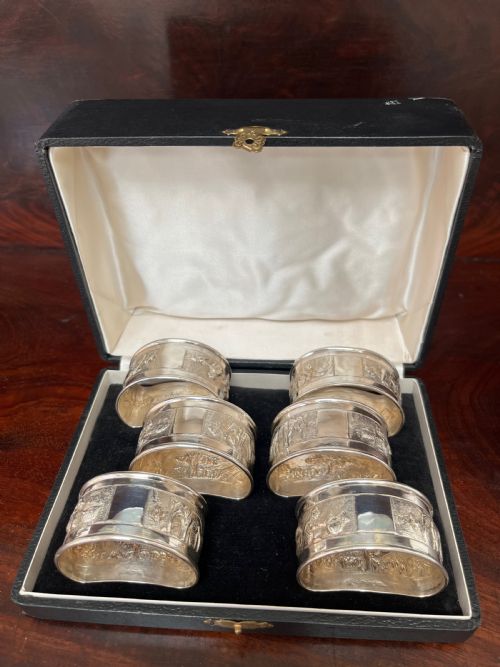
Napkin rings identified household members or dinner guests during extended stays when household linens were reused across multiple meals. Each person retained their designated ring between settings.
They were often marked with monograms or presented in cased sets of six.
How do I care for silver table items?
Sterling silver and silver plate require gentle cleaning with non-abrasive polishes to maintain their shine. Avoid harsh chemical dips that strip away patination and fine detail.
Store pieces in dry conditions, and keep lined presentation boxes away from direct sunlight to protect the silk and velvet.
How can I date these pieces?
Hallmarks stamped onto sterling silver items provide precise assay office locations, date letters and maker's marks. These stamps allow you to trace the year of manufacture.
Stylistic indicators such as Art Nouveau curves or Edwardian neoclassical motifs also help determine the era of production.