


Victorian Pepper Pots
These Victorian pepper pots bring character and fine metalwork to the dining table, offering a glimpse into nineteenth-century domestic life.

Victorian Pepper Pots
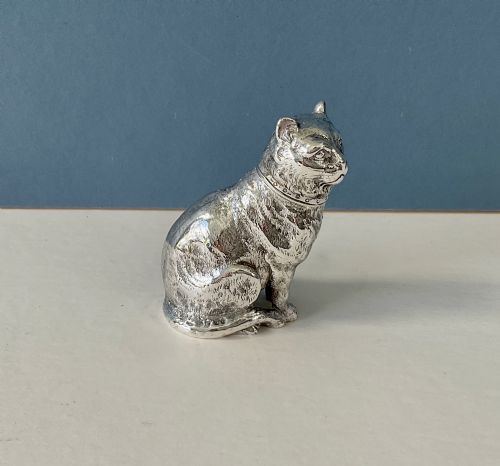
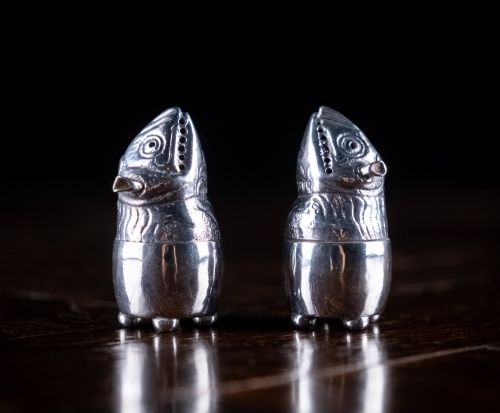
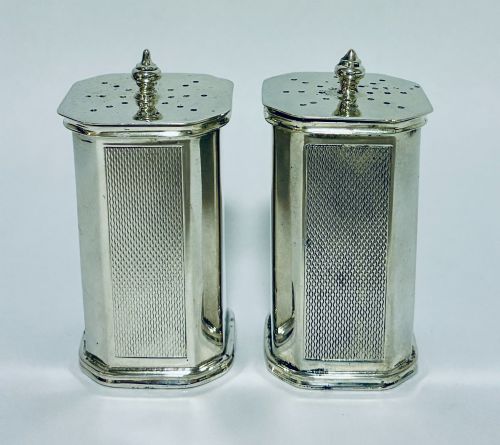
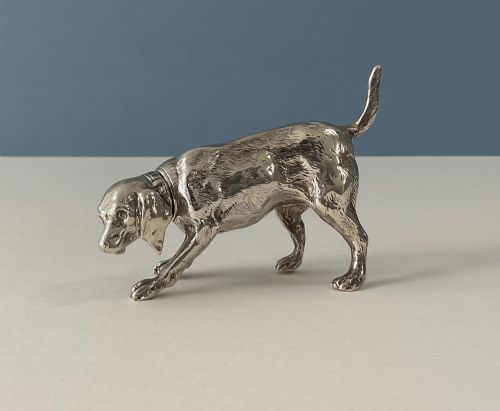
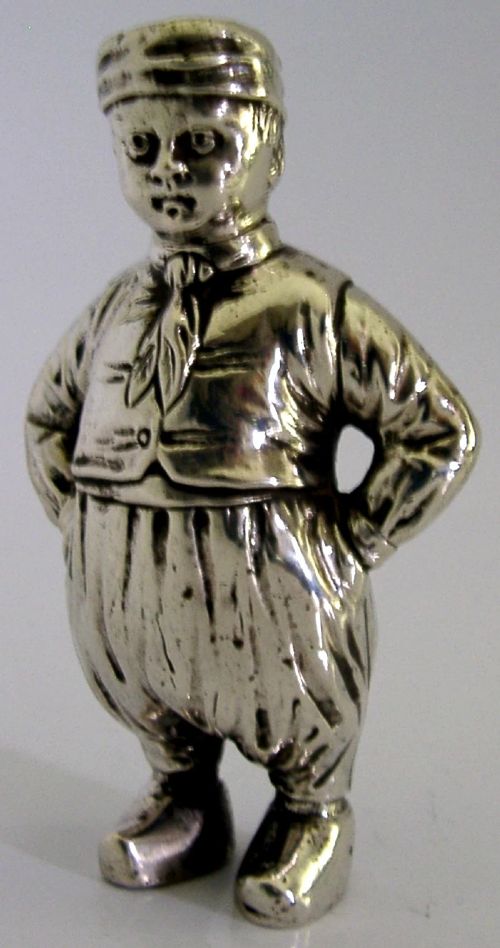
Victorian pepper pots include everything from standard sterling silver casters to elaborate novelty pieces shaped as animals and figures. When searching for victorian pepper pots, buyers encounter functional tableware alongside whimsical designs that doubled as table conversation pieces.
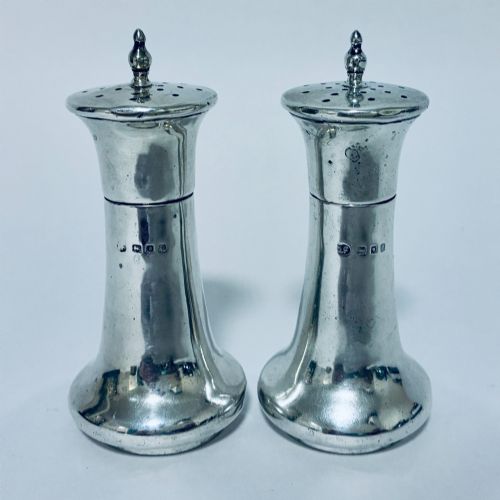
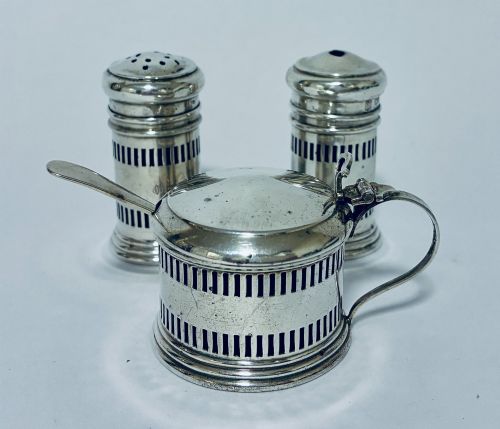
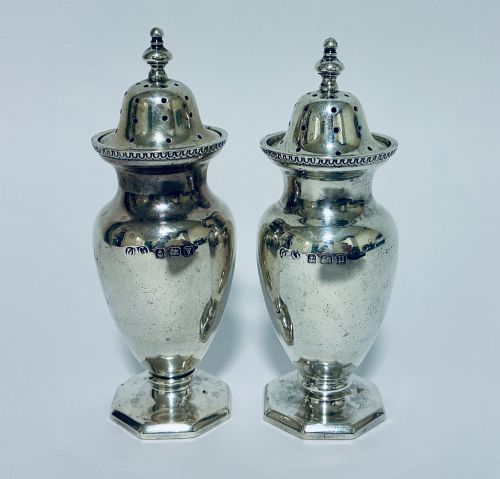
The most common examples on this page date from the nineteenth century through the Edwardian period, often appearing as matched pairs or part of larger cruet sets. These items range from simple glass and silver plate vessels to finely cast sterling silver birds and domestic creatures.
Materials and construction
Makers utilised sterling silver and silver plate alongside cut glass, oak, and pewter to construct these condiment vessels. Metal components were frequently cast into detailed animal forms or spun and chased for conventional cruet bottles.
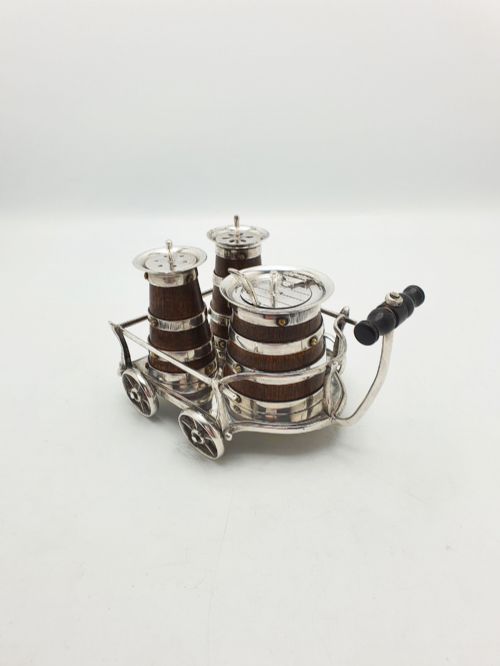
Interior elements and mounts relied on secure threading and pierced tops designed to dispense ground spice evenly. Combined materials such as oak barrels with silver-plated hardware demonstrate the mixed media approach common to the period.
Victorian diners enjoyed shaking seasoning from the heads of silver owls, dogs, cats, frogs, and even Mr Punch's dog Toby.
Judging quality
Quality rests primarily on the crispness of the casting in novelty figures and the weight of the silver used in standard pots. Finer examples retain sharp detail in feathers, fur, and facial expressions without softening from over-cleaning or wear.
Maker marks and clear hallmarks also elevate a piece, distinguishing mass-produced items from workshop outputs. The structural integrity of pierced lids and the preservation of original plating or glass inserts further separate standard examples from superior ones.
Frederick Brasted·Mappin Brothers·Charles Stuart Harris·Sampson Mordan·Mappin and Webb
The Victorian Pepper Pots Glossary
- Pepperette
- A small shaker or caster specifically designed for holding and dispensing ground pepper at the dining table. This term appears frequently in historical descriptions alongside pepper pot.
- Cruet set
- A matched assembly of glass bottles or metal pots held within a frame for condiments like oil, vinegar, salt, and pepper. These sets formed an essential part of nineteenth-century tablescape organisation.
- Sterling silver
- A silver alloy containing 92.5 percent pure silver by mass, widely utilised by British silversmiths for durable tableware. Items made to this standard typically bear standard assay office hallmarks.
- Silver plate
- A base metal substrate coated with a thin layer of silver through electroplating or older techniques. This method allowed manufacturers to produce elaborate tableware at a lower cost than solid silver.
- Novelty pepper
- A condiment container fashioned into a playful or unusual shape, such as an animal, human figure, or inanimate object. These items reflect Victorian taste for whimsical and entertaining dining accessories.
Victorian Pepper Pots: Frequently Asked Questions
How do I clean antique silver pepper pots?
Use a soft cloth and a gentle, non-abrasive silver polish formulated for antiques to preserve the surface detail. Avoid harsh scrubbing that can wear down hallmarks or thin plating.
Take care around pierced shaker tops where cleaning residue can become trapped inside the vessel. Rinse gently with warm water and dry thoroughly after polishing.
Were these pots used daily?
Most silver and plated condiment containers served regular dining duties in prosperous nineteenth-century households. Wealthy families utilised matching cruet sets for every meal to serve guests.
Novelty items often served a dual purpose as decorative ornaments and functional dinner table accessories. Their survival in good condition suggests many were treated as prized possessions.
How can I date my pepper pot?
Examine the piece for stamped assay office marks, maker initials, and date letters that indicate the exact year of manufacture. British sterling silver legally required these hallmarks for quality assurance.
Stylistic cues like the presence of Edwardian motifs or Victorian aesthetic movement designs provide a reliable secondary method for narrowing down the production period.
Can I still use them for dining?
Silver and glass condiment containers remain fully functional for modern table use if the interior is clean and free from corrosion. Ensure any historic residue is completely removed before filling with fresh spices.
Take care when handling delicate antique mechanisms, such as threaded tops or hinged lids, to prevent accidental damage during everyday use.