




Small Regency Wall Mirror
A small regency wall mirror brings crisp neoclassical elegance and bright reflected light into a compact interior space.
Small Regency Wall Mirror
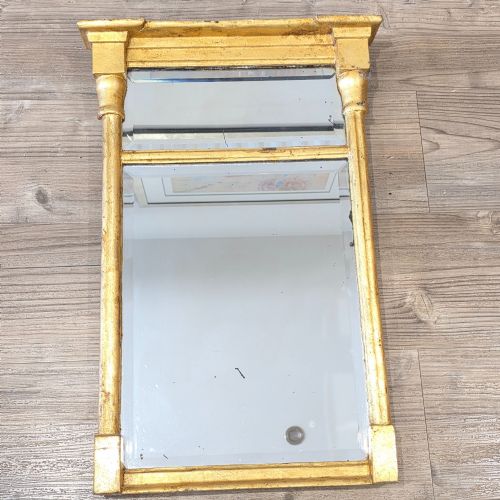
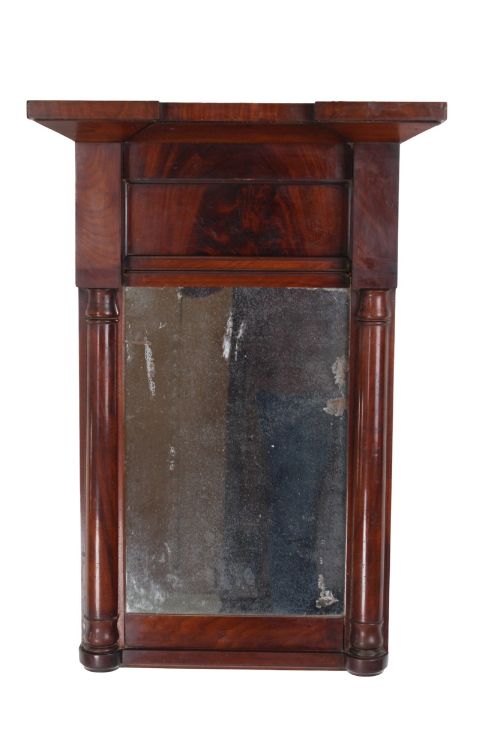
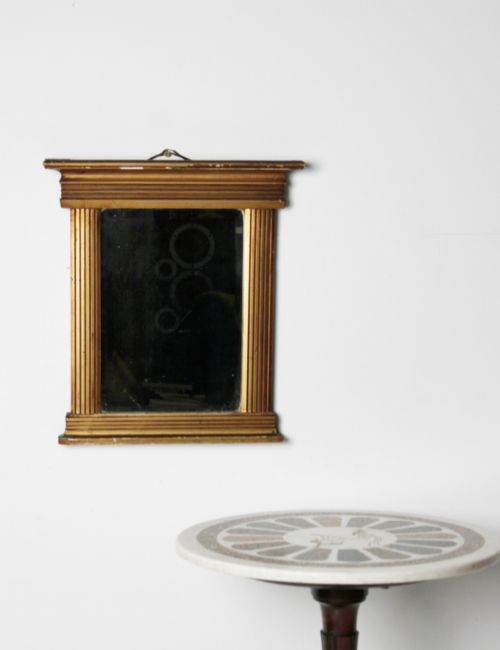
A small regency wall mirror encompasses compact circular convex frames, rectangular pier mirrors, and delicate oval wall hangings. These pieces primarily date from the nineteenth century, including the Regency era alongside later Victorian revivals.
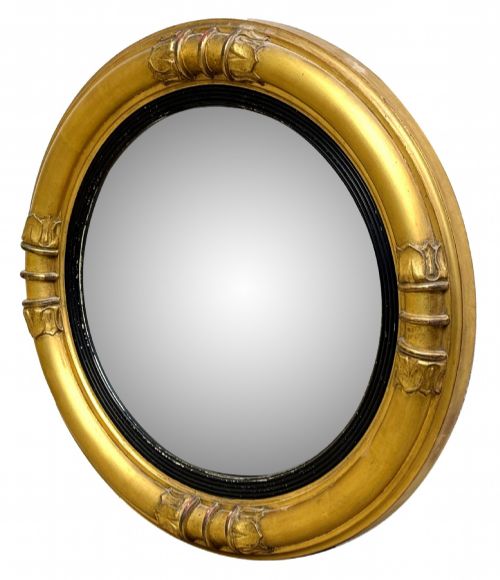
Buyers will most frequently encounter giltwood circular convex mirrors and small rectangular pier mirrors across these listings. They serve both practical reflective purposes and decorative architectural functions in hallway or parlour settings.
The forms draw heavily on neoclassical design principles, featuring balanced proportions, reeded details, and carved decoration. Regional workshops and later revival makers adapted these classic proportions to suit various domestic scales.
Materials and construction
Construction relies upon traditional timber frames fashioned from mahogany, walnut, or dense wood substrates. Artisans frequently applied gesso over these wooden carcasses to build up crisp decorative mouldings and relief details.
Surfaces received rich decorative treatments including gold leaf gilding, ebonised finishes, and japanning. Convex mirror plates were hand-blown to create curved glass that captured wide panoramic reflections of the room.
Convex mirrors were historically placed in drawing rooms so servants could monitor guests discreetly from across the space.
Judging quality and craftsmanship
Quality reveals itself in the crispness of the hand-carved decoration and the depth of the original gilding. Finer examples display meticulous joinery and well-preserved gesso mouldings that retain their original sharp contours.
The character of the glass plate heavily influences the overall standard of the mirror. Early curved plates with natural minor distortions demonstrate authentic period manufacture compared to later flat replacements.
The Small Regency Wall Mirror Glossary
- Convex mirror
- A circular mirror with an outward-curving spherical glass plate. This form produces a wide-angle reflection of the entire interior space.
- Giltwood
- Timber that has been coated with a thin layer of gold leaf over a prepared gesso ground. This technique creates a luminous metallic finish.
- Gesso
- A plaster-like mixture applied to wood frames to provide a smooth surface for gilding and carving. It allows artisans to shape intricate relief ornamentation.
- Pier mirror
- A tall, narrow mirror designed to hang on the wall space between windows. These pieces often feature rectilinear wooden frames with subtle reeding.
- Japanning
- A European imitation of East Asian lacquerwork applied to wooden furniture and frames. The technique involves layered varnishes finished with decorative motifs.
Small Regency Wall Mirror: Frequently Asked Questions
Where should I hang a small convex mirror?
These mirrors work exceptionally well in hallways, above smaller mantelpieces, or as focal points within narrow wall spaces. Their optical properties naturally draw light into darker corners of a room.
Ensure the hanging height allows viewers to see a reflection comfortably from a standing position. Secure fixings are essential due to the solid weight of traditional timber and gesso frames.
How do I distinguish a Regency mirror from a Victorian revival?
Examine the construction methods, backboards, and secondary woods used within the frame assembly. Regency pieces typically date from the early nineteenth century, whilst Victorian revivals often date from later decades.
Tool marks, screw types, and the composition of the gesso ground offer further clues regarding age. Subtle differences in gilding techniques also help separate original Regency production from nineteenth-century revival work.
Why are convex mirrors sometimes called sorcerer's mirrors?
The curved glass surface bends light to project a miniature, fish-eye reflection of the surrounding interior. This unusual optical effect led historical writers to associate the mirrors with divination.
Superstitious folklore suggested the distorted perspective could reveal unseen spirits or protect households from misfortune. Today, the nickname simply highlights the unique aesthetic appeal of the curved plate.
How do I care for antique giltwood frames?
Maintain the surface by gently dusting with a soft, dry brush to prevent the accumulation of grit. Avoid using liquid cleaners, polishes, or damp cloths, which can damage delicate gold leaf and gesso.
Keep the mirrors away from direct sunlight and areas subject to high humidity or rapid temperature fluctuations. Stable indoor conditions protect both the original wooden substrate and the historical gilding.