




Vintage Wooden Pier Mirror
A vintage wooden pier mirror brings vertical elegance and reflected light into a room, spanning periods from the Georgian era through to the Edwardian years.
Vintage Wooden Pier Mirror
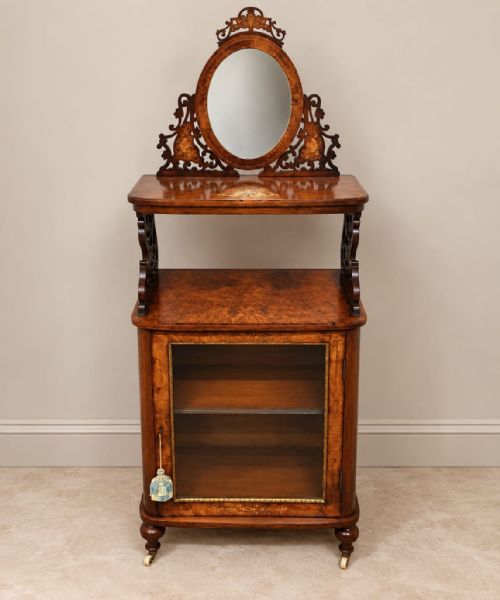
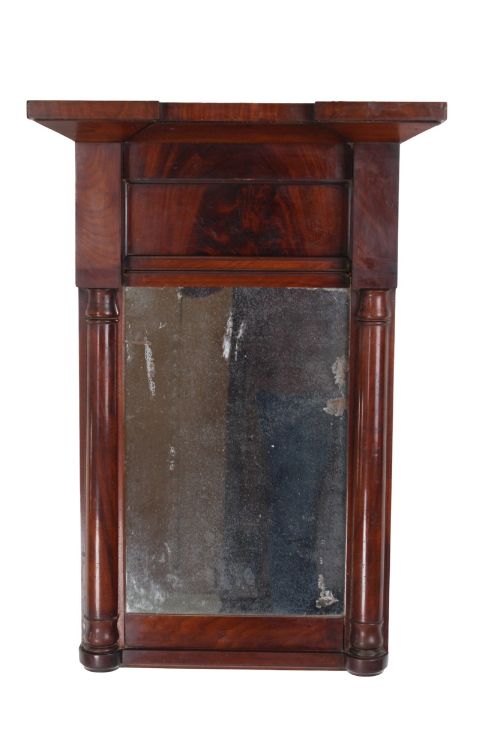
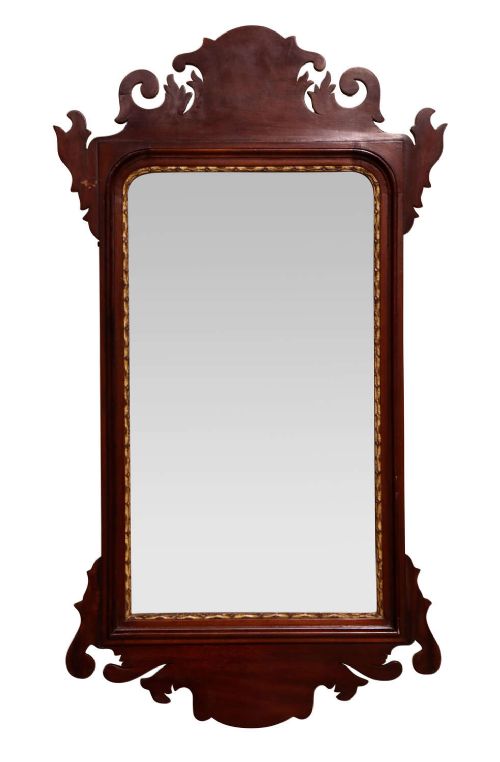
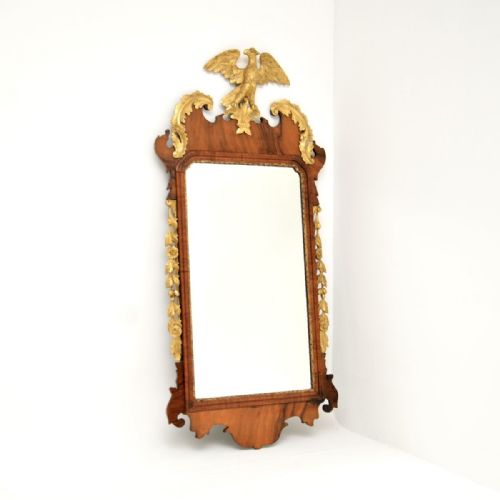
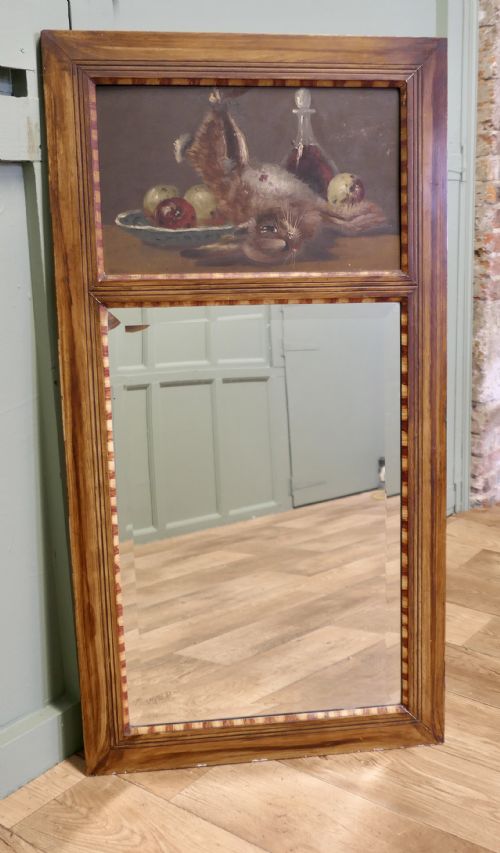
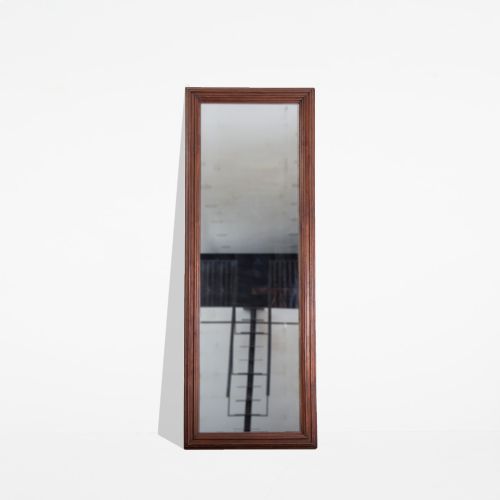
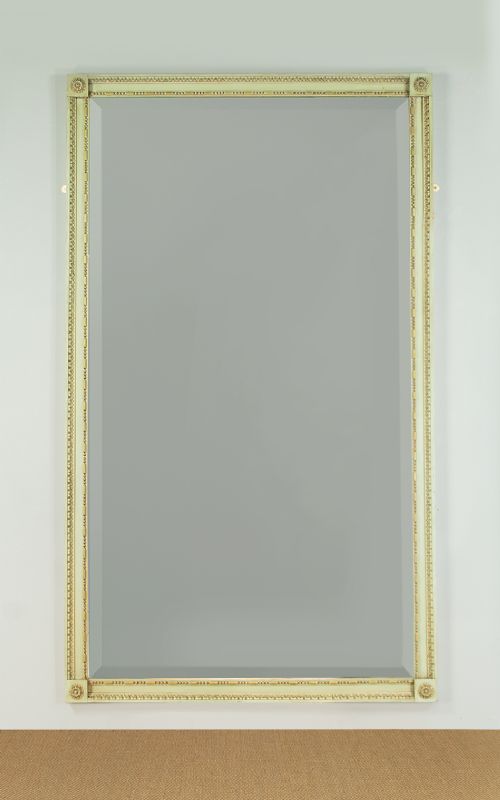
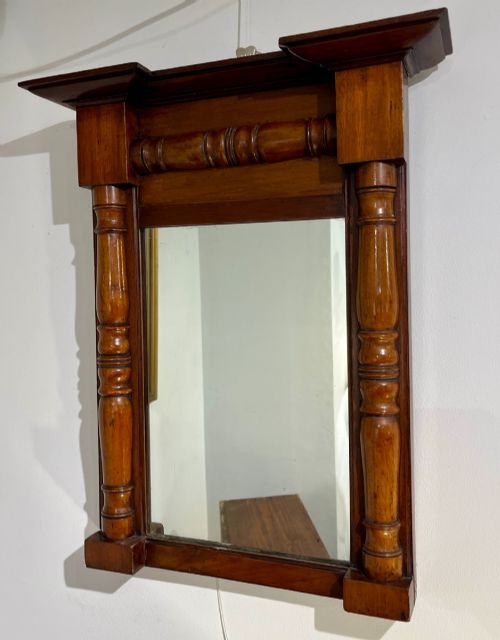
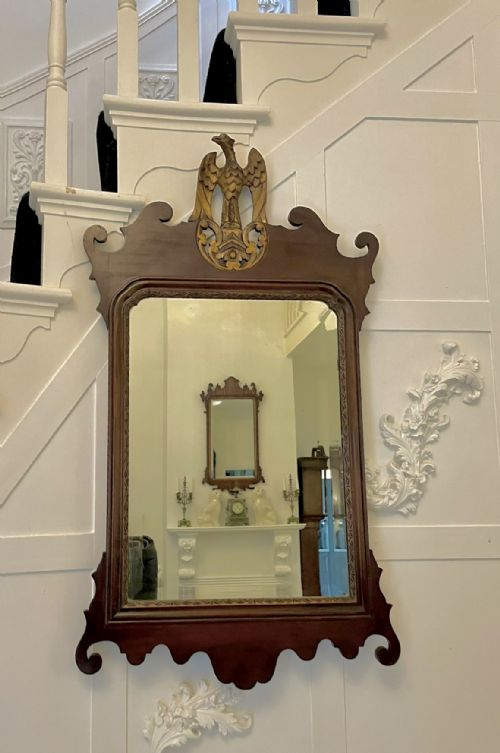
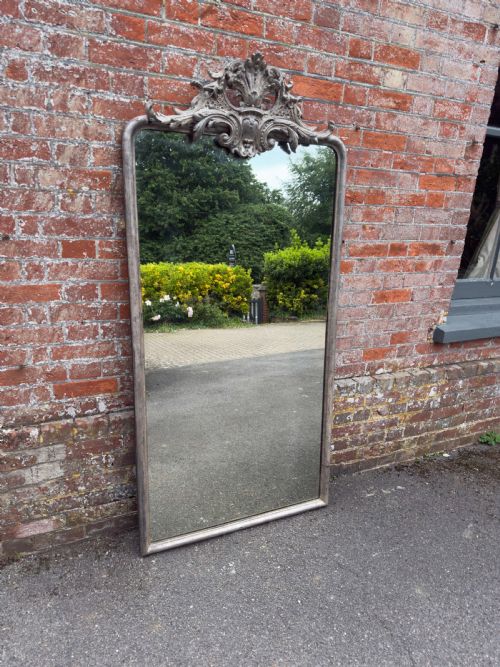
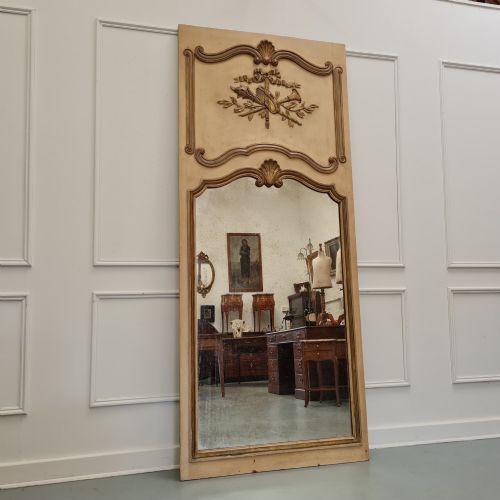
A vintage wooden pier mirror is typically designed to hang on the narrow wall space between windows, known as the pier. These pieces appear in forms ranging from tall Regency and Victorian frames to French trumeaus and Georgian fretwork designs.
The selection includes tall hall mirrors, console combinations, and overmantel styles alongside traditional wall-hanging glasses. Walnut and mahogany provide the primary timber foundations across the 18th, 19th, and early 20th centuries.
How they were made
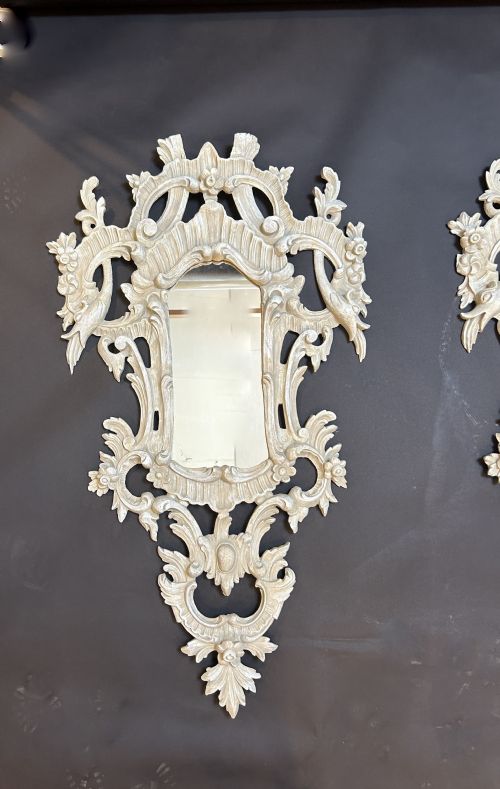
Timber frames utilise solid woods such as mahogany, walnut, maple, and oak, often shaped with fretwork, carving, or inlay. Gesso and carved wood provide the base for silvered, gilt, or painted surface treatments.
Mirror glass is set within these wooden and gesso structures, sometimes accompanied by painted panels or reverse glass prints above the main plate.
Listings feature walnut, mahogany, oak, and sycamore frames spanning the 18th, 19th, and early 20th centuries.
What varies in quality
The sophistication of the carved detail and the depth of the wood grain separate standard examples from finer work. Burr walnut veneer and intricate fretwork demand high levels of cabinet-making skill.
Original surface treatments, whether parcel gilt, silvered, or hand-painted, retain more character than later overpainting. The integrity of the original mirror glass and frame construction dictates the overall standard.
A.J Rowley
The Vintage Wooden Pier Mirror Glossary
- Pier mirror
- A tall mirror specifically proportioned to hang on the wall space between two windows. These pieces often incorporate candle sconces or sit above console tables.
- Trumeau
- A decorative wall mirror featuring a painted panel or artwork integrated into the upper section of the frame. French examples frequently employ this layout.
- Fretwork
- Openwork ornamentation cut into thin boards using a fretsaw. Georgian and Victorian makers utilised this technique for decorative frame borders.
- Gesso
- A plaster-based material applied to wood frames to provide a smooth surface for gilding or painting. It allows for intricate moulded relief work.
- Parcel gilt
- A decorative technique where only specific portions of a wood or gesso frame are covered in gold leaf. The contrasting wood or paint remains visible.
Vintage Wooden Pier Mirror: Frequently Asked Questions
Where should I hang a pier mirror?
These mirrors suit narrow wall spaces, hallways, or above low furniture such as side cabinets and console tables. Their vertical proportions draw the eye upward and brighten darker corners.
Positioning them opposite a window maximises natural light distribution within a room.
How do I identify a Georgian pier mirror?
Georgian examples often feature mahogany or walnut timbers, sometimes with parcel gilt details, fretwork silhouettes, or architectural elements. Eighteenth-century construction methods distinguish them from later revival pieces.
Looking closely at the timber grain and the joinery helps confirm the period.
What is a trumeau mirror?
A trumeau mirror combines a vertical looking glass with an upper panel containing a painting, carving, or reverse glass print. Originating in French interior design, they served as permanent architectural wall decorations.
French country and chateau styles frequently utilise this format.
How do I care for antique mirror glass?
Keep the glass dry and avoid harsh chemical cleaners that can damage the silver backing or the surrounding wood frame. A soft, dry microfiber cloth removes dust safely.
Protecting the piece from direct sunlight and damp environments preserves both the timber and the original plate.