




Regency Decorative Mirror
A regency decorative mirror brings undeniable presence to a room, offering both historical depth and functional light through its distinctive frame and polished glass.
Regency Decorative Mirror
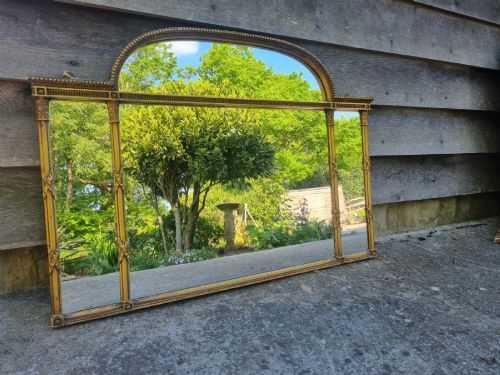
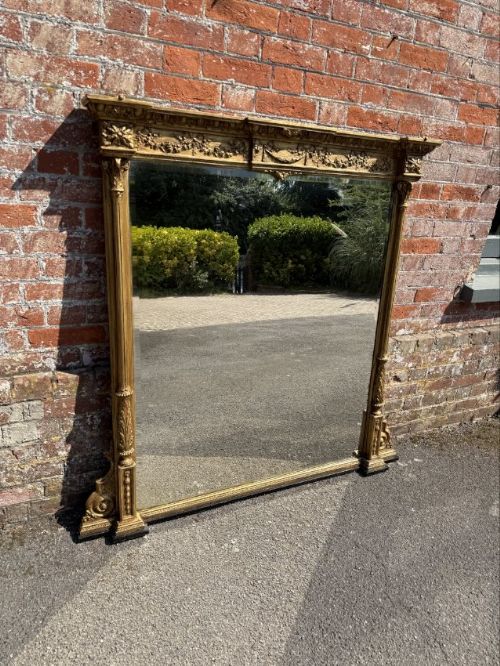
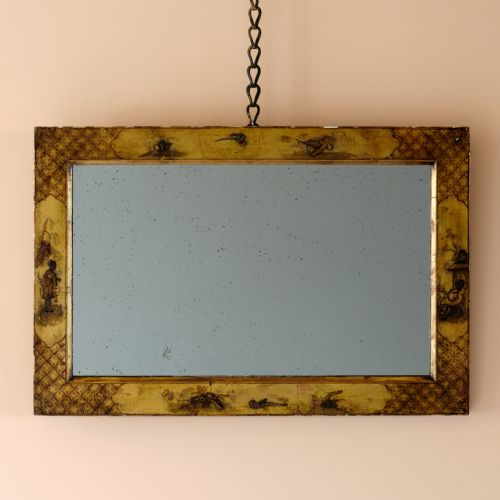
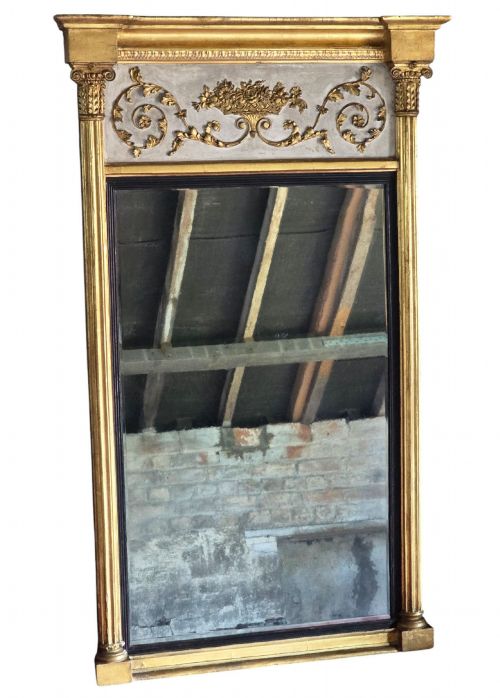
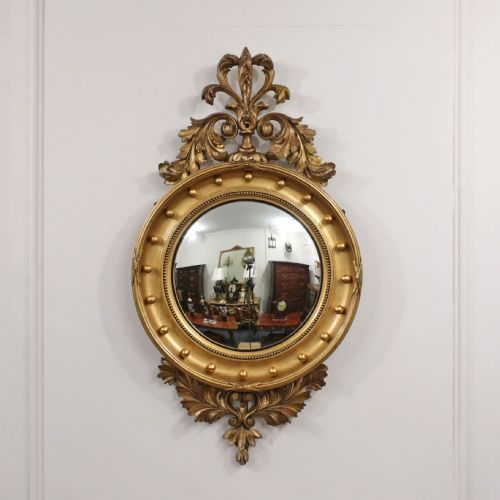
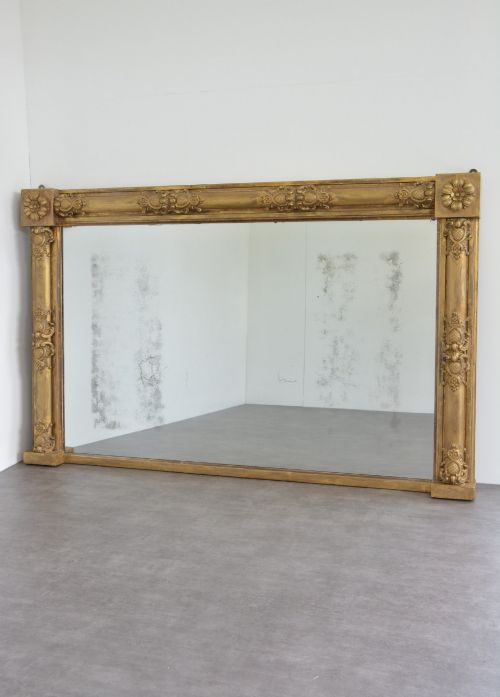
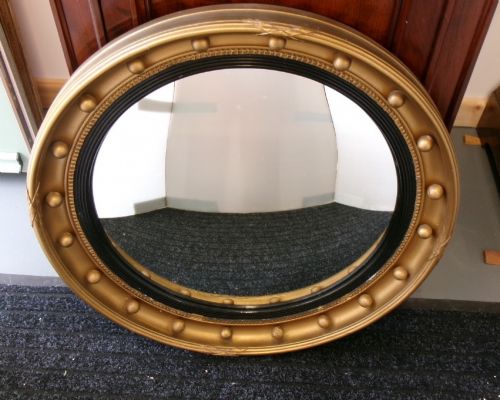
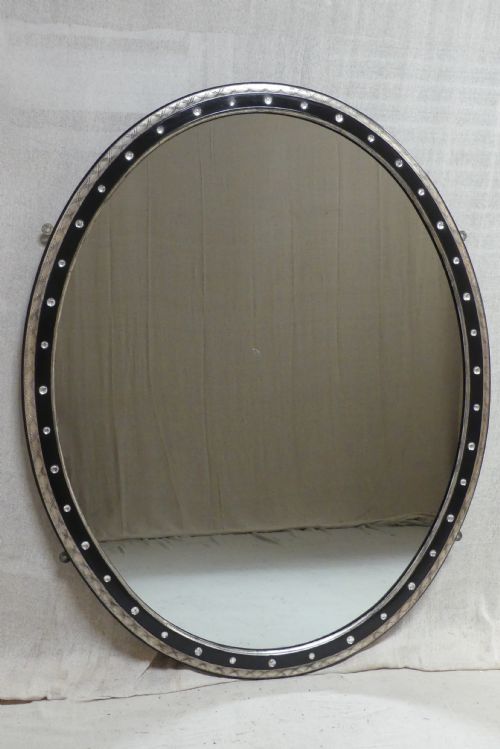
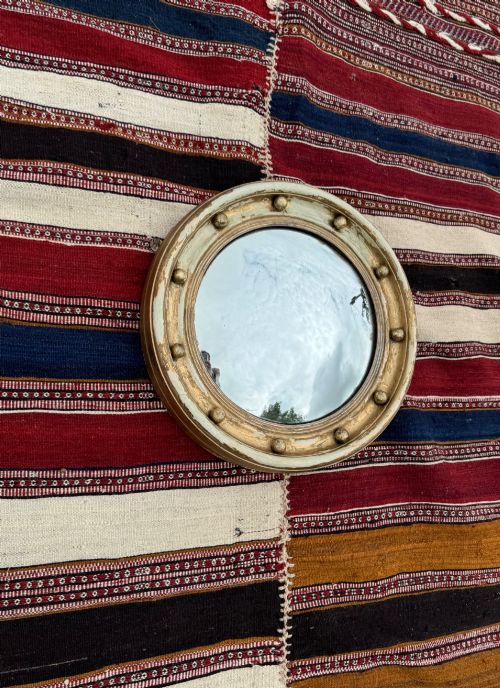
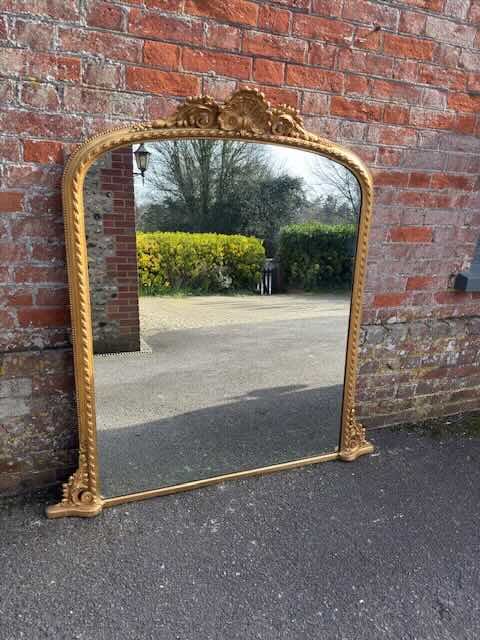
When searching for a regency decorative mirror, buyers encounter a variety of forms designed to reflect light and anchor a room's interior scheme. The most frequent pieces on this page include substantial overmantle mirrors meant for placement above a fireplace, alongside circular convex and pier mirrors.
The materials and styles span the genuine Regency period through to later Victorian revivals and the turn of the twentieth century. Pieces range from large giltwood wall installations with carved architectural details to smaller walnut, mahogany, and ebonised frames.
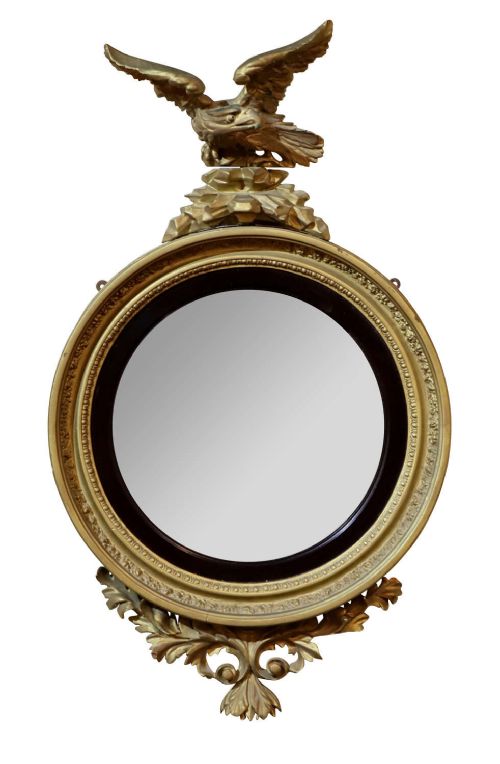
Originating primarily from nineteenth-century English workshops, these mirrors vary from grand statement pieces with eagle surmounts to simpler painted or parcel gilt household looking glasses.
How They Were Made
Frames are constructed from wood such as mahogany, walnut, or pine, which was often coated in gesso before being gilded with gold leaf or painted. Carved wooden elements, rope twists, and applied composition ornament provide the textural relief characteristic of the period.
Mirror glass was silvered and cut to fit specific plate configurations, sometimes resulting in foxed or distressed surfaces over time. Ebonised slips and gilded wood mouldings complete the construction of the frame around the reflective plate.
Materials documented across the available pieces include giltwood, gesso, ebonised wood, mahogany, walnut, and composition ornament.
What Varies in Quality
The degree of crispness in the carved wood and gesso ornamentation distinguishes standard production from finer examples. Sharp relief work and well-preserved gilding indicate superior craftsmanship during the manufacturing process.
The integrity of the original mirror glass and the stability of the timber frame dictate the overall preservation state. Pieces retaining their original backing boards and undisturbed silvering hold a different tier of historical interest.
The Regency Decorative Mirror Glossary
- Giltwood
- Wood that has been coated with a thin layer of gold leaf. This finish gives the frame its bright, reflective metallic sheen.
- Gesso
- A plaster mixture applied to wood frames to create a smooth surface for gilding or carving. It allows for intricate relief details.
- Convex glass
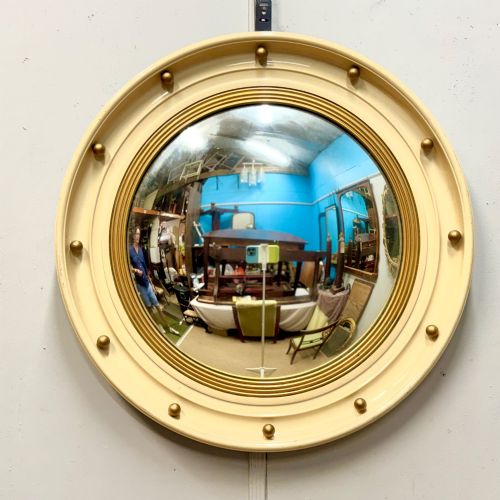
- Curved mirror glass that provides a wide-angle, distortion-heavy reflection of the room. These are often found in circular frames.
- Overmantle mirror
- A large horizontal mirror designed specifically to hang above a mantelpiece. They frequently feature multi-plate glass or decorative friezes.
- Pier mirror
- A tall, narrow mirror designed to hang on the wall space between windows. They often coordinate with console tables placed below them.
- Foxed glass
- Mirror plate showing dark spots or a cloudy patina caused by age and oxidation. This chemical change alters the reflectivity of the glass.
Regency Decorative Mirror: Frequently Asked Questions
Where should I hang an overmantle mirror?
These large mirrors traditionally sit directly above a fireplace mantel to anchor the hearth and reflect light across the room.
They also work effectively above low sideboards or large consoles in a dining room or hallway.
What is a convex mirror used for?
Convex mirrors, sometimes called butler or sorcerer mirrors, provide a wide-angle view of an entire interior space.
Historically placed in reception rooms or butler stations, they allowed staff to monitor activity across a room at a glance.
How do I date a nineteenth-century mirror?
Dating relies on examining the construction materials, backboards, frame style, and the manufacturing method of the glass plate.
Comparing the decorative motifs, such as neoclassical details or rope twists, against known period styles helps narrow down the decade.
Are these mirrors heavy to hang?
Due to their solid wood construction, thick gesso layers, and heavy glass plates, many nineteenth-century frames carry substantial weight.
Secure wall fixings and professional installation into structural wall studs are necessary to support the load safely.