
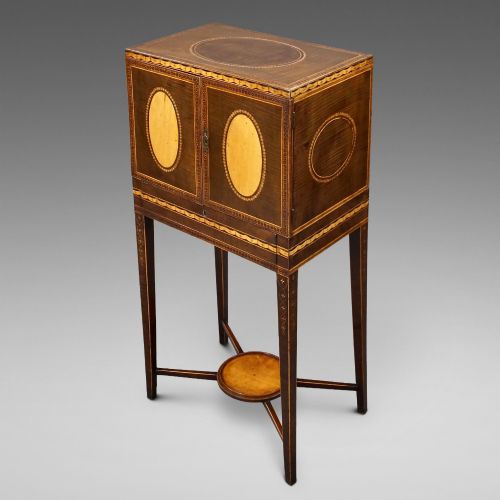
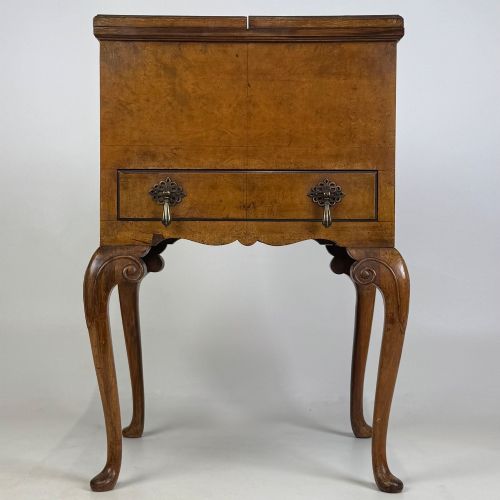
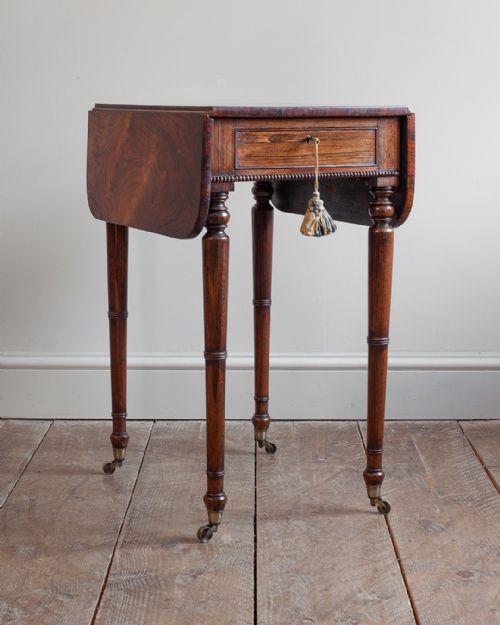
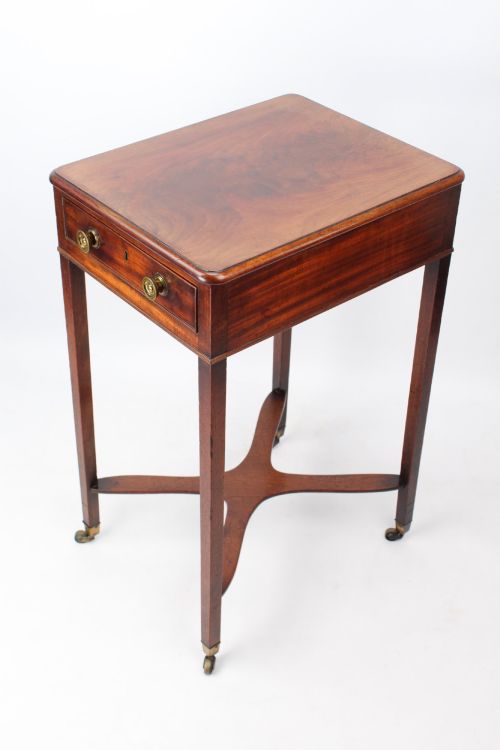
Small Work Table
A small antique work table provides a compact surface and fitted storage, serving as a practical writing or sewing station.
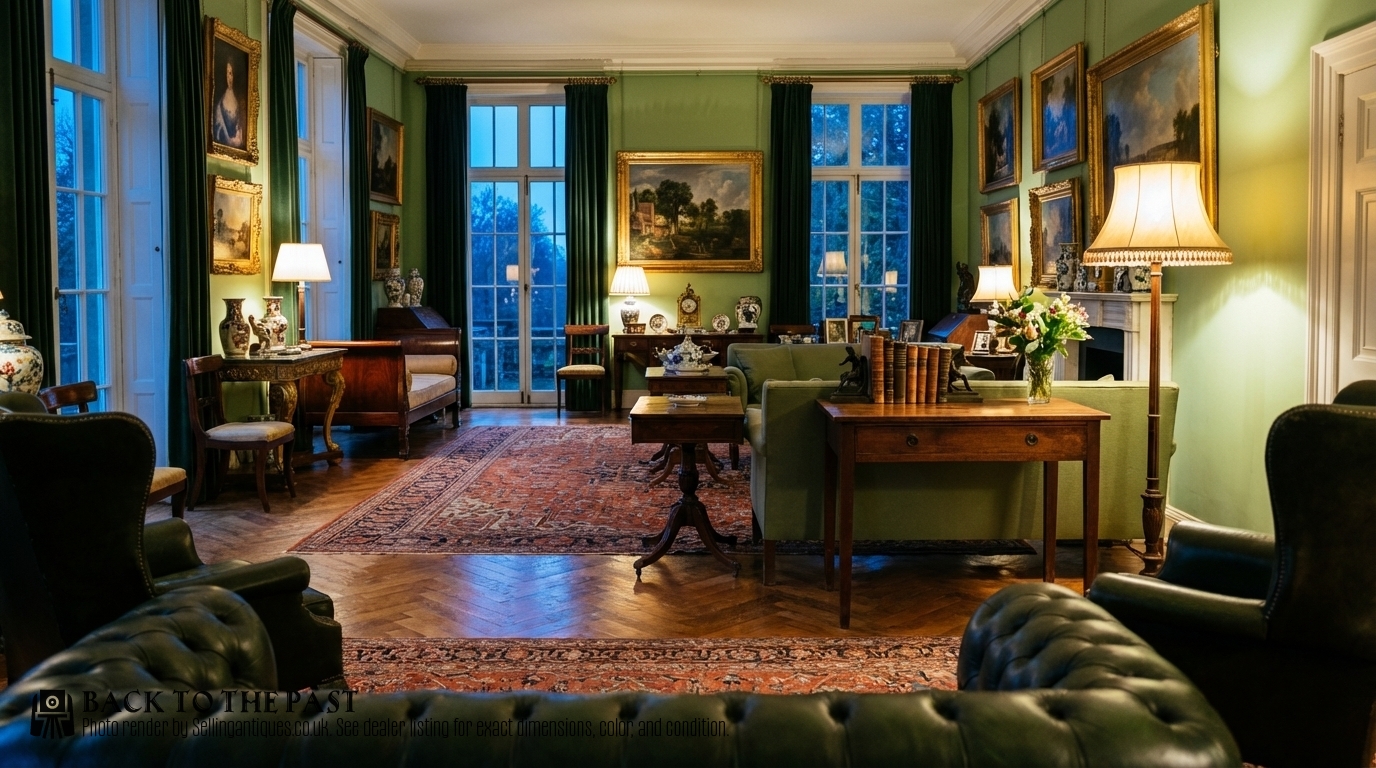
Small Work Table
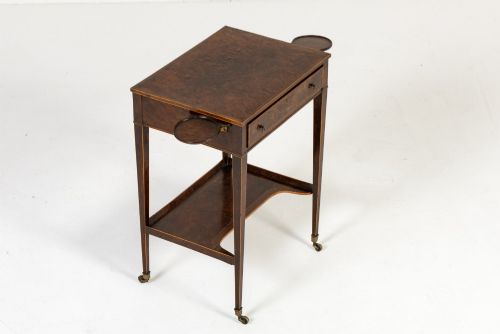
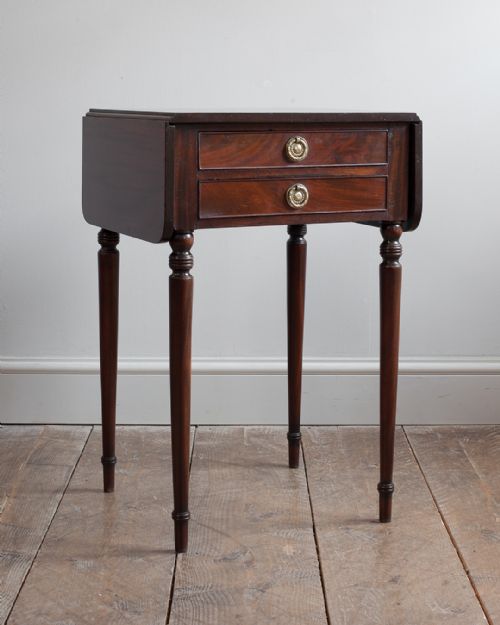
A small antique work table is a versatile domestic piece designed for needlework, writing, and small household tasks. These items appear most frequently in mahogany, rosewood, and satinwood, spanning the Georgian, Regency, and Victorian periods.
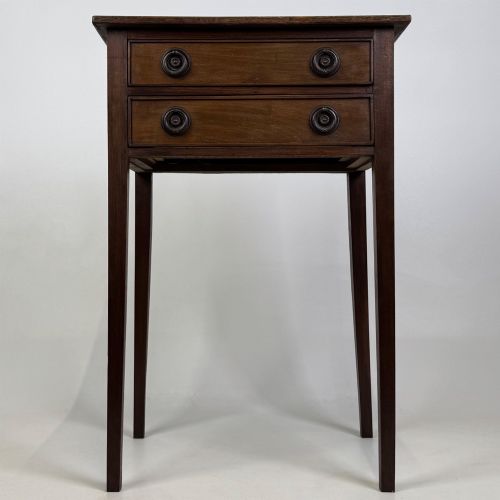
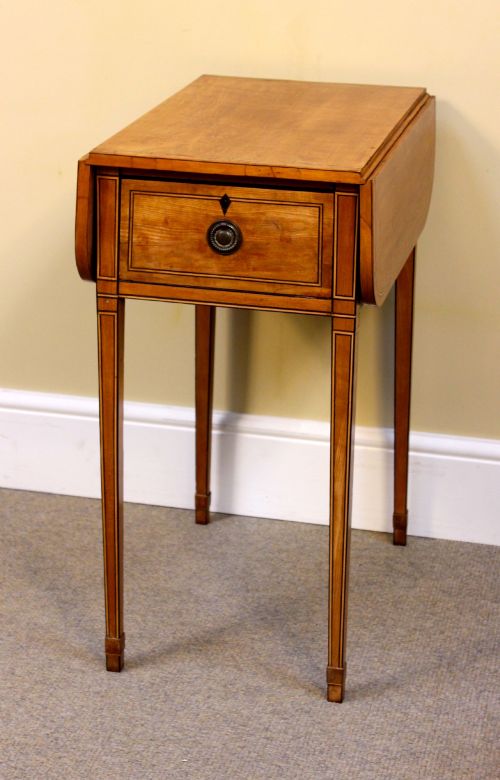
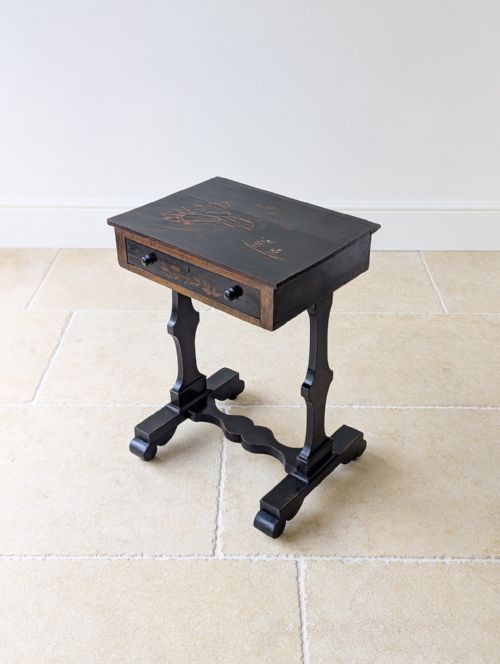
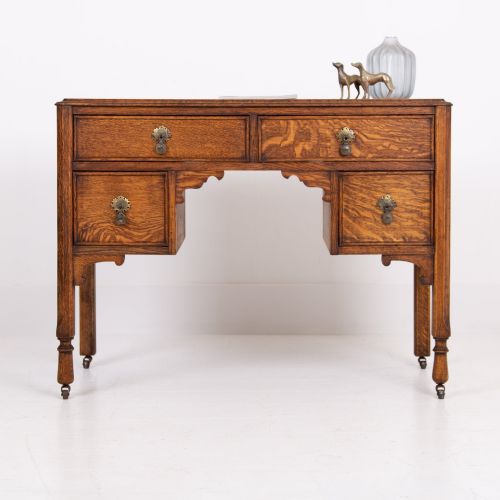
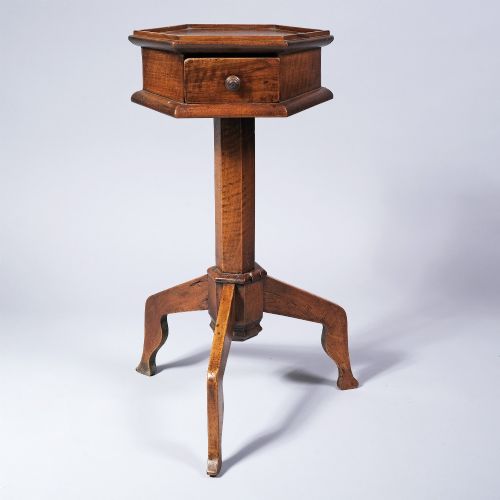
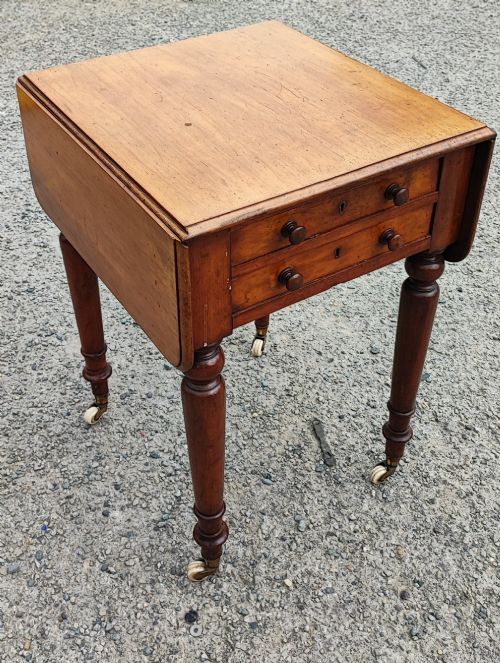
Buyers encounter numerous variations on this page, ranging from drop-flap sewing tables with fitted interiors to compact side tables and writing desks. Examples surface from the eighteenth century through the Edwardian era, reflecting changing domestic habits over generations.
Materials and construction
Cabinet makers built these pieces using solid timbers and decorative veneers such as satinwood, burr walnut, and rosewood, often accented with boxwood stringing and brass fittings. Drop leaves, drawers, and fitted interiors required precise joinery to ensure stability in daily use.
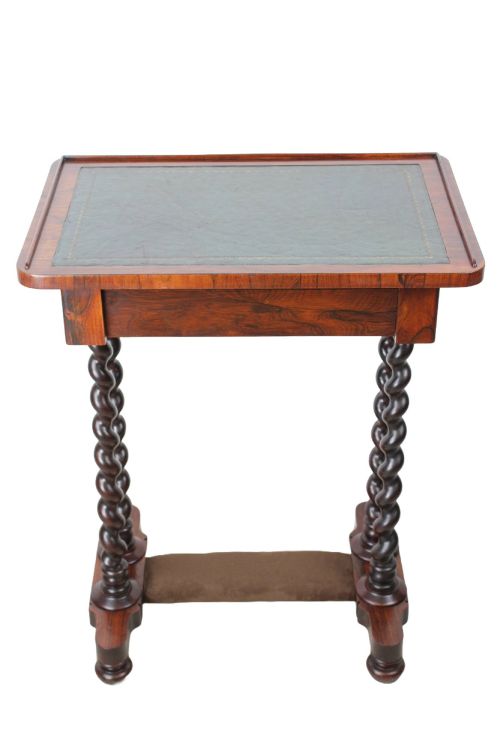
Surfaces frequently incorporate inset leather panels, turned legs, or inlaid motifs, whilst secondary woods like pine and oak appear in structural framing and drawer linings.
Listings feature woods spanning mahogany, satinwood, rosewood, oak, boxwood, and fabric.
Judging execution and timber
Quality rests upon the selection of timber figures, the crispness of inlaid details, and the smoothness of operating drawers and drop-flaps. Finer specimens display thoughtful proportions, well-figured veneers, and original brass hardware.
Lesser pieces rely on simpler construction methods and plainer secondary woods, with less attention given to interior compartment detailing and decorative banding.
The Small Work Table Glossary
- Drop-flap
- A table featuring hinged leaves on one or two sides that fold down to save space or lift to extend the surface area.
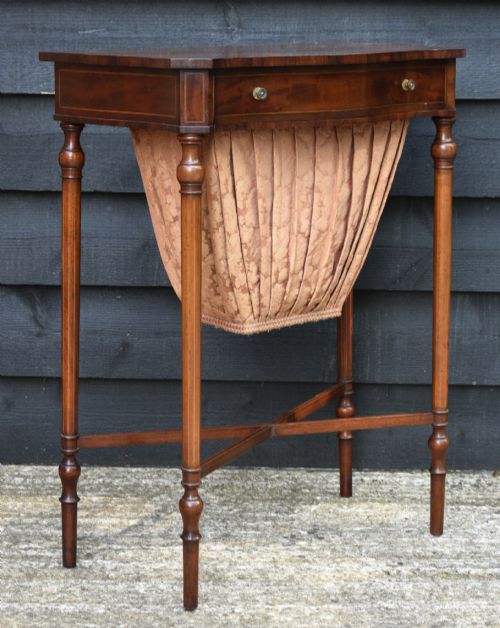
- Sewing table
- A specialised small table equipped with drawers, compartments, or a fabric bag underneath for storing needlework supplies.
- Satinwood
- A lustrous, yellowish timber prized by eighteenth and nineteenth-century cabinet makers for veneering and inlay work.
- Cheveret
- A small portable writing table or stand fitted with drawers and a bookshelf superstructure on top.
- Pembroke
- A table design featuring folding leaves supported by hinged brackets or swinging legs.
Small Work Table: Frequently Asked Questions
What was a work table used for?
These tables served as designated stations for women to manage correspondence, keep accounts, and practice needlework. The fitted interiors and compartments kept small tools, threads, and stationery organised.
Over time, their convenient proportions allowed them to transition easily into general use as bedside tables, lamp stands, or occasional desks in smaller reception rooms.
How do I date a work table?
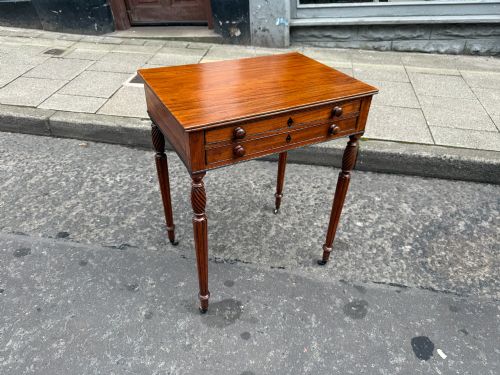
Dating relies on observing the combination of timber choices, leg styles, and structural assembly methods. Georgian and Regency pieces often showcase figured mahogany or satinwood with tapered or ring-turned legs.
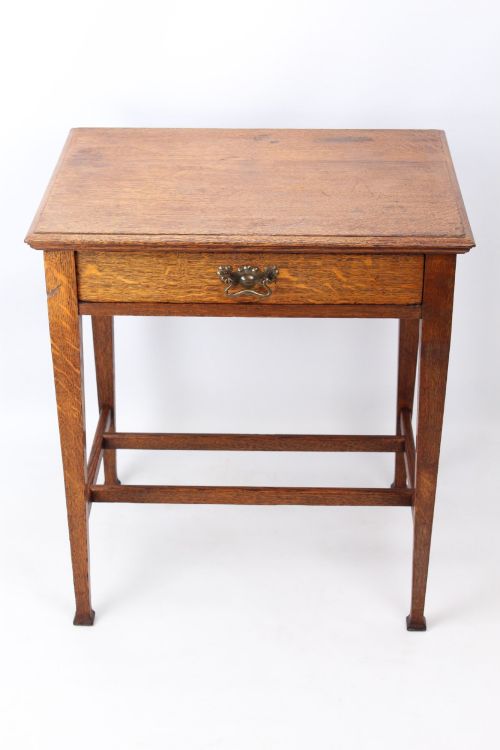
Victorian and Edwardian examples introduce heavier proportions, burr veneers, and alternate woods like birch or oak, while cabinet construction details inside the drawers help confirm the era.
Where should I place a small work table?
The compact footprint makes these pieces ideal for hallways, beside armchairs, or tucked into tight corners where standard furniture will not fit. Their finished backs and sides often allow them to stand freestanding in a room.
They function well as bedside stands or beside a sofa, providing a surface for lighting alongside accessible storage within the drawers.
How do I care for antique wood surfaces?
Maintain timber surfaces by dusting regularly with a soft, dry cloth and avoiding placement near direct heat sources or strong sunlight. These precautions prevent the wood and delicate veneers from drying out or splitting.
Occasional application of appropriate wax polish helps nourish the grain and preserve the historic finish without building up excessive residue.