
Antique Lacquered Side Table
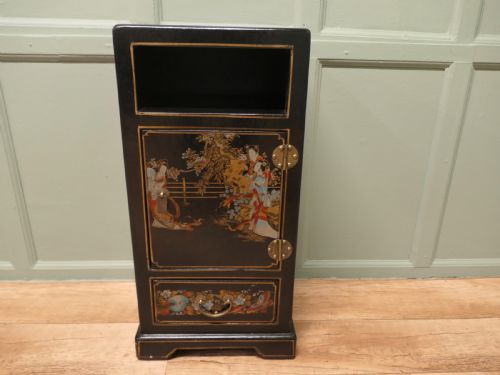
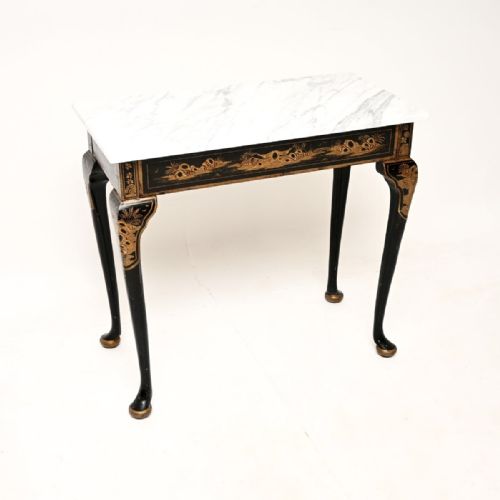
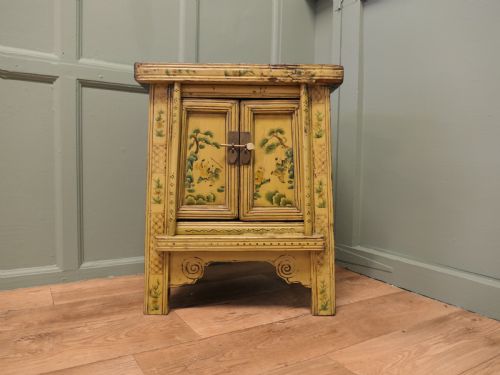
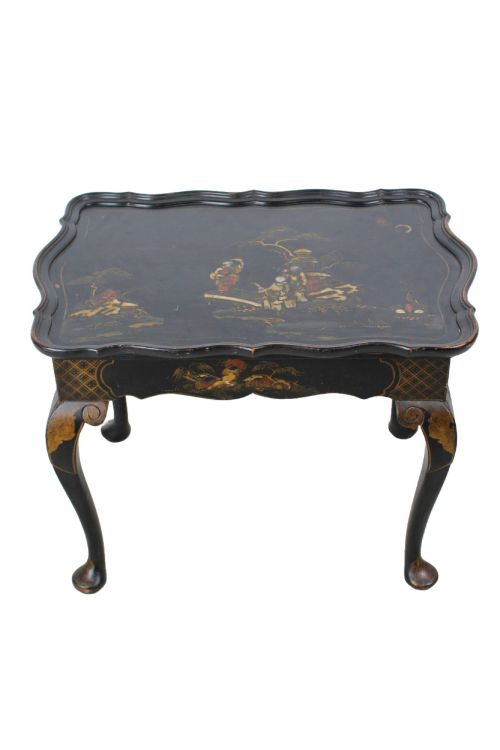
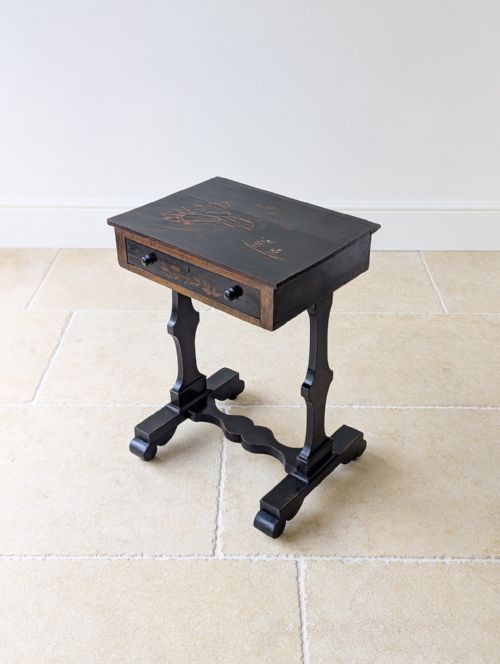
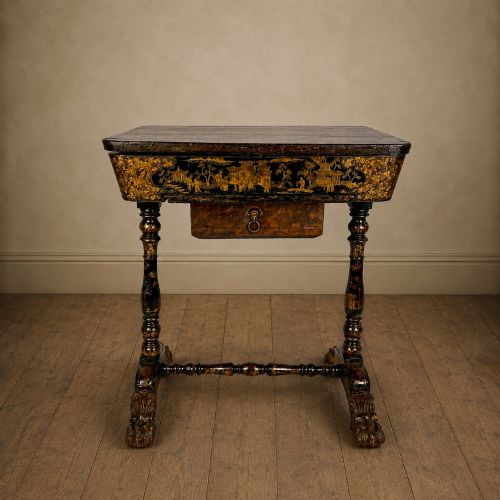
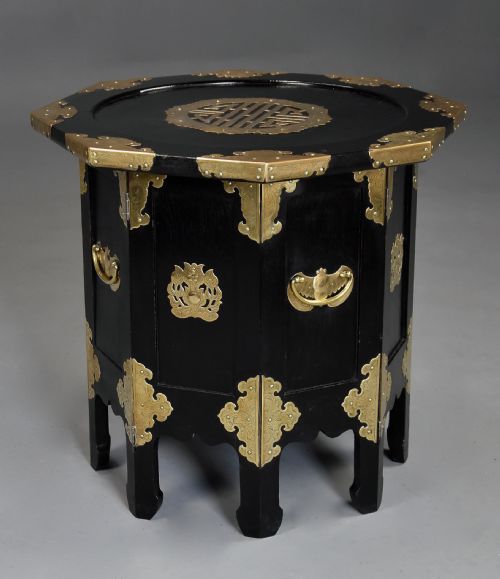
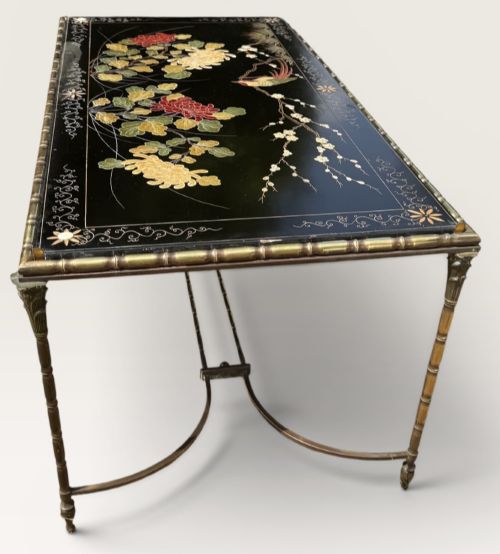
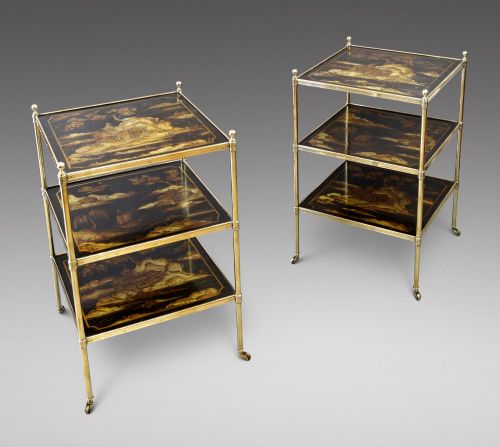
These pieces bring painted figures, gilt landscapes and dark surfaces into a room as an antique lacquered side table.
Antique Lacquered Side Table
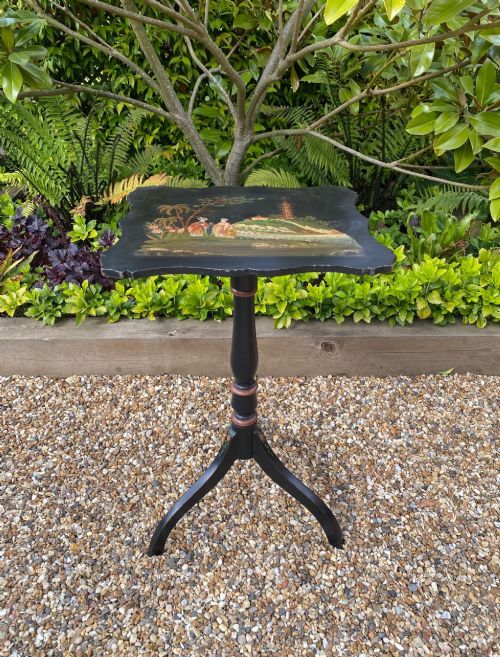
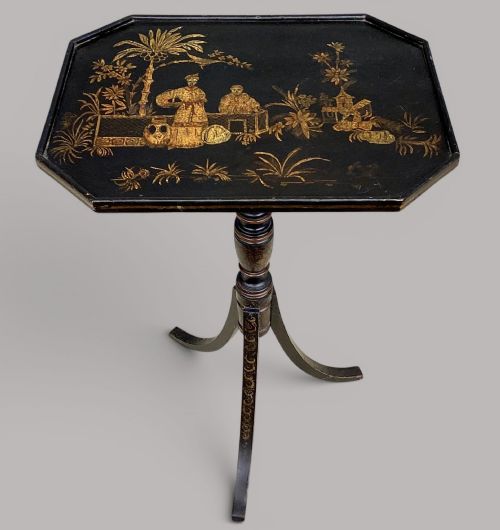
An antique lacquered side table serves as a compact surface finished with glossy coatings, spanning tripod tea tables, occasional stands and tray tables. When searching this phrase, a buyer meets examples that range from nineteenth-century English chinoiserie to twentieth-century black or red interpretations.
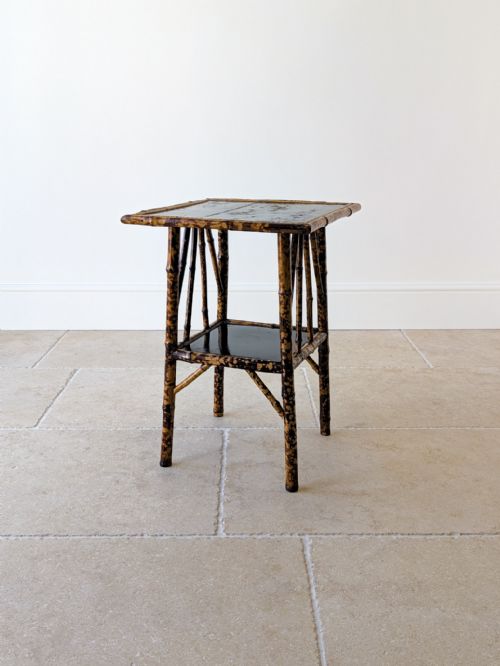
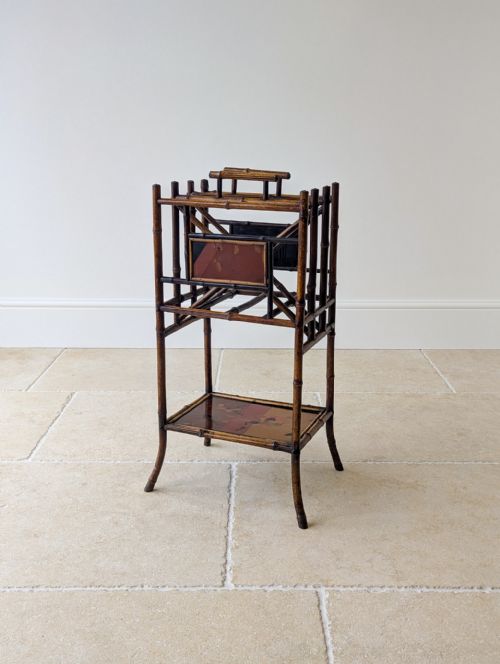
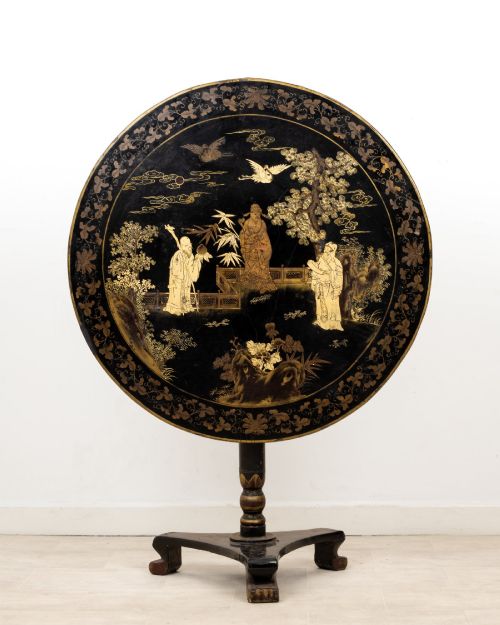
The form appears in several distinct shapes across the inventory, including tilt-top wine tables, nests of tables, and bamboo-framed occasional pieces. Many incorporate decorative motifs drawn from East Asian traditions, executed in European workshops during the Victorian and Regency periods.
Makers adapted traditional lacquer techniques for smaller items meant to sit beside a chair or hold a lamp. These pieces often feature painted scenes in gold and colour against dark ebonised or cream grounds.
Materials and construction
Makers built these tables using timber carcases of wood, elm, or papier-mâché, which were then primed for finishing. Surface decoration relied upon layers of lacquer, paint, and gold leaf applied by hand.
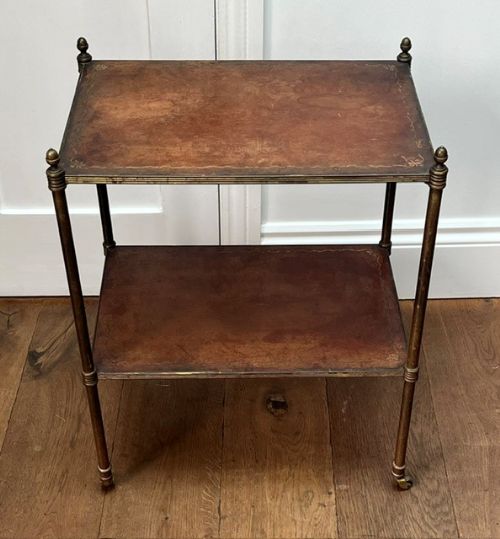
Many specimens incorporate metal elements such as brass mounts, wirework, or hardware to accent the wooden frames. Japanning and painted ink work provided the pictorial depth seen on the tops of these surfaces.
Several listings include carved wood lacquer elephants alongside conventional tables and stands.
Judging quality
Quality rests upon the crispness of the painted detail and the depth of the finished surface. Finer examples display intricate hand-drawn gilt motifs rather than printed transfers or shallow stencil work.
The integrity of the structural joinery beneath the lacquer layer distinguishes better specimens from ordinary ones. Well-made tables retain stable legs and secure joints despite decades of use as functional furniture.
The Antique Lacquered Side Table Glossary
- Chinoiserie
- European decorative style reflecting Chinese artistic traditions, popular in furniture decoration. It relies on motifs of figures, pavilions and landscapes rendered in gold and paint.
- Japanning
- European imitation of East Asian lacquerwork, created using layers of varnish and heat-curing. This technique produced a hard, dark, glossy surface suitable for ornamentation.
- Papier-mâché
- Composite material made from paper pulp mixed with glue and pressed into moulds. Makers used it to form lightweight table tops and trays before lacquering them.
- Tripod table
- Small table supported by a central pillar resting on three spreading feet. Many examples feature a tilt-top mechanism allowing the surface to fold vertical when not in use.
Antique Lacquered Side Table: Frequently Asked Questions
Were these tables made in Europe or Asia?
The inventory includes pieces made in both regions during the nineteenth and early twentieth centuries. European makers produced extensive interpretations using local woods and japanning techniques.
Other examples originated as Chinese export goods or utilised imported elements mounted locally. Each piece reflects the cross-cultural exchange popular during the Regency and Victorian eras.
Can I use a lacquered table daily?
These tables function well for holding lamps, books or drinks when treated with reasonable care. Using coasters protects the historic finish from rings and moisture.
Placement away from direct sunlight and heat sources prevents the lacquer from drying or cracking over time. Gentle everyday use preserves both the structure and the painted decoration.
What periods do these tables represent?
The selection spans from the late eighteenth century through the Regency, Victorian, and Edwardian eras up to the 1930s. Victorian interpretations often feature bamboo or ebonised wood alongside traditional chinoiserie.
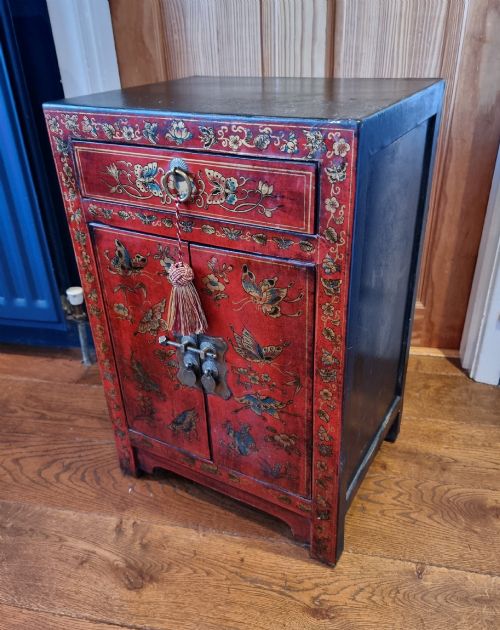
Early twentieth-century pieces frequently adopt red or black colourways in older styles. Each era applied distinct decorative touches while maintaining the compact side table format.