

Black Ebonised Side Table
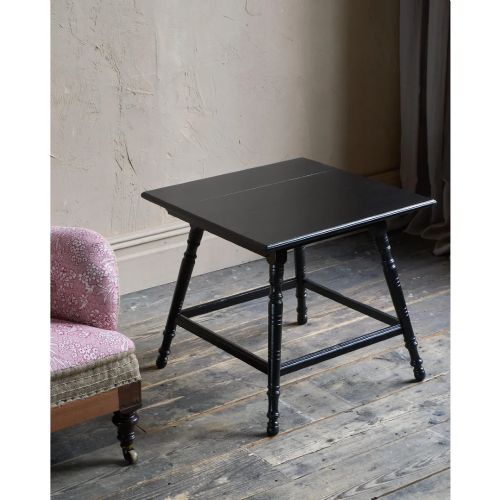
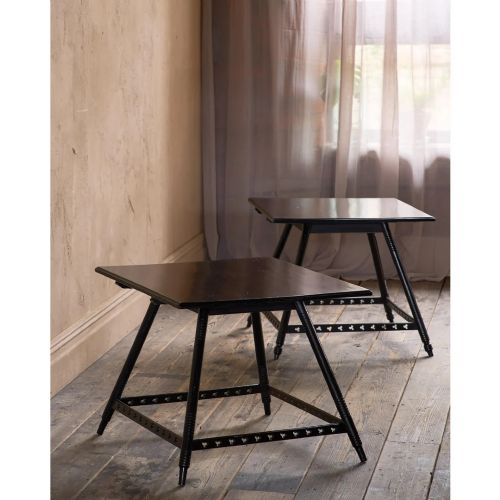
A black ebonised side table provides a dark, striking surface that anchors a room, drawing on Victorian, Regency, and Aesthetic tastes.
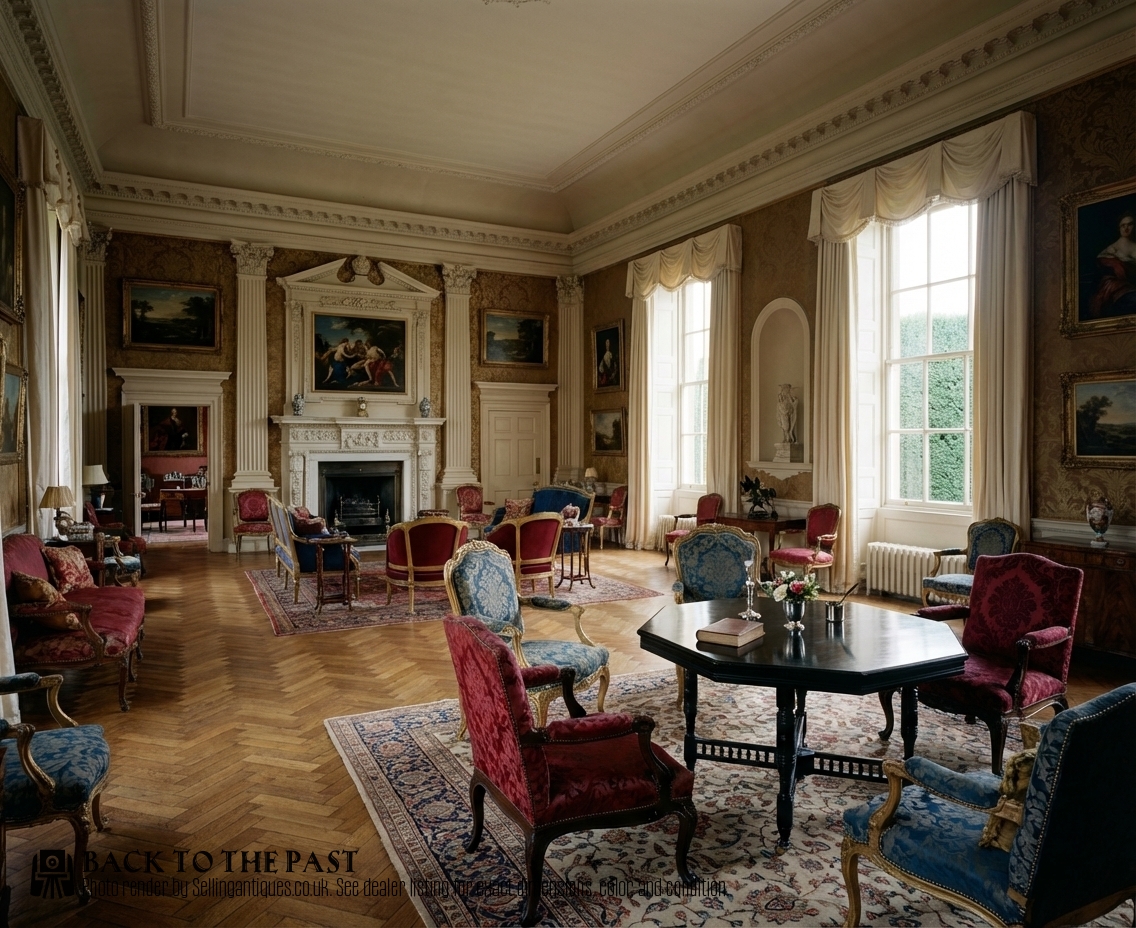
Black Ebonised Side Table
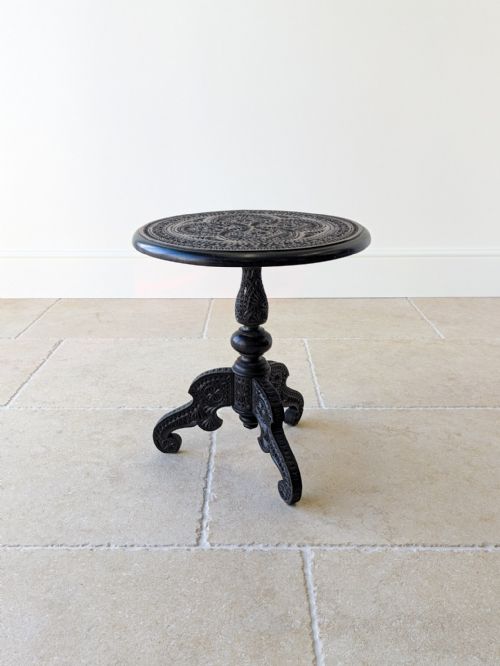
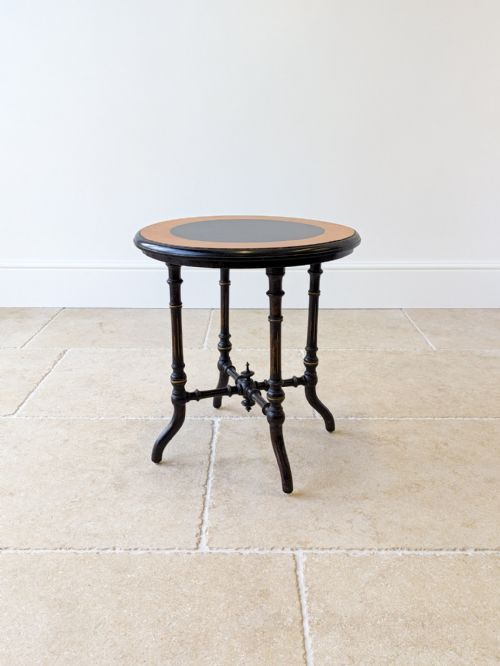
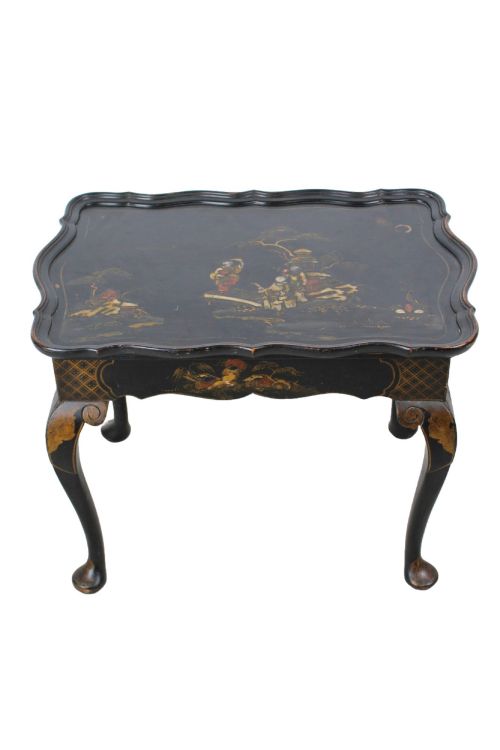
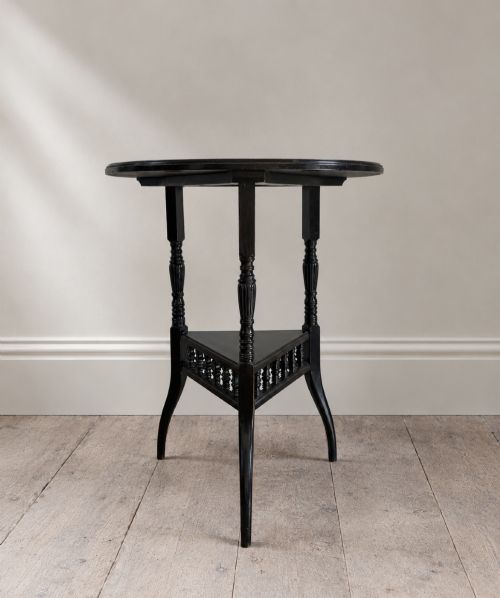
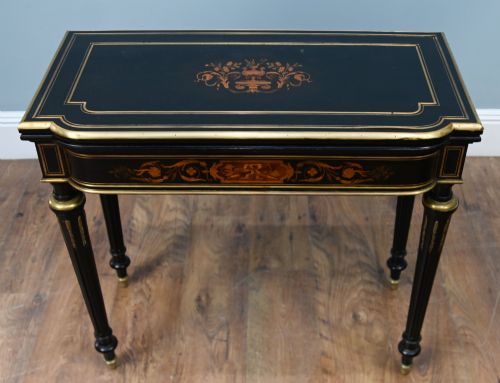
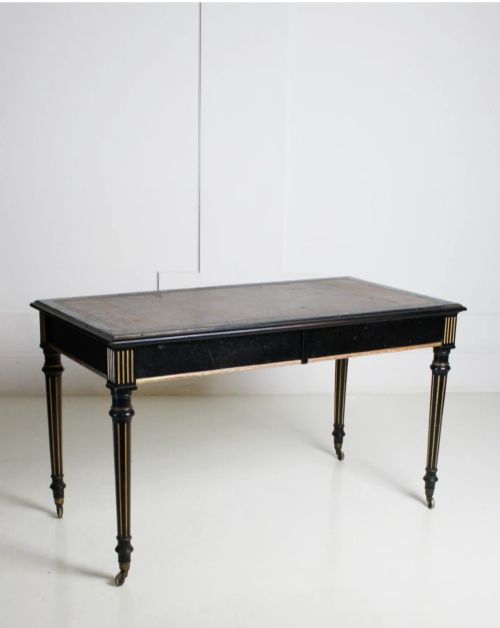
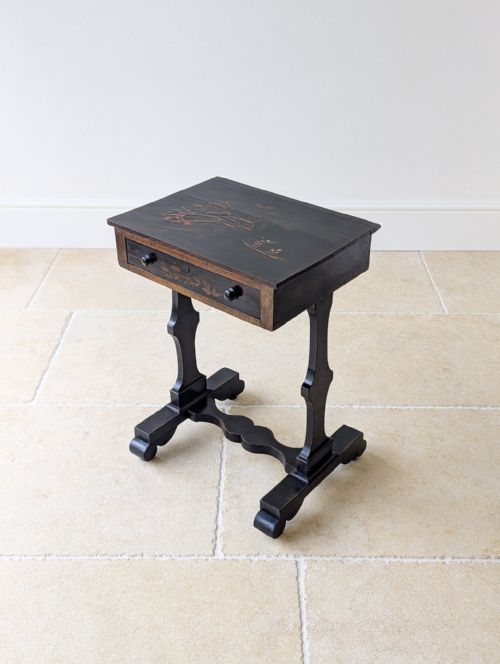
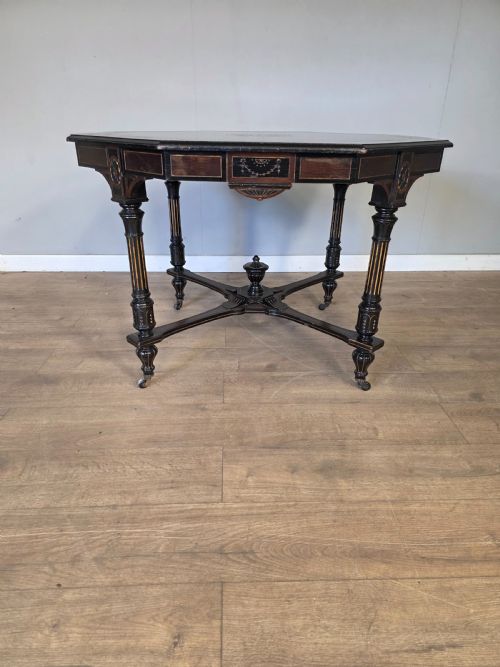
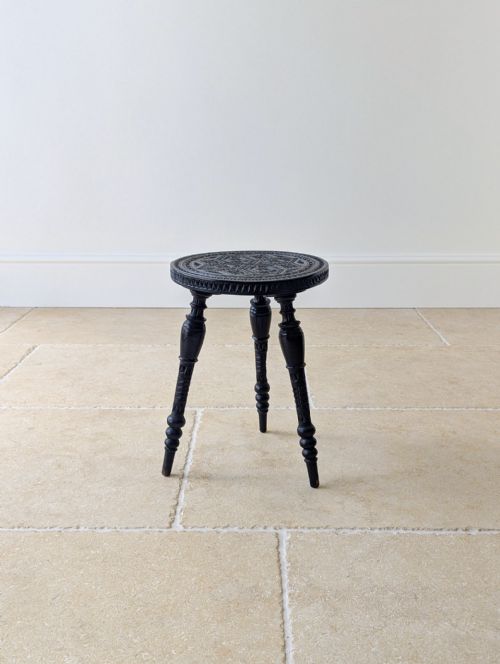
A black ebonised side table appears in several distinct forms across the nineteenth and early twentieth centuries, ranging from simple occasional tables to elaborate console and centre tables. The Victorian and Aesthetic Movement periods dominate the selection, bringing dark finishes and geometric or Japanned decorations into domestic spaces.
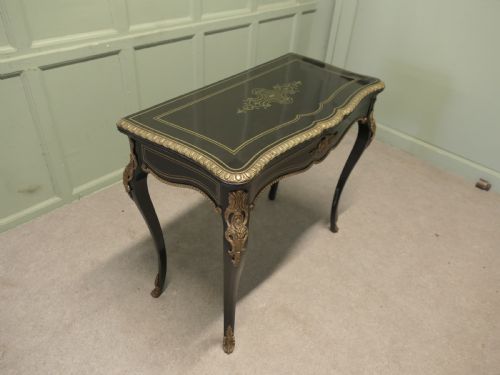
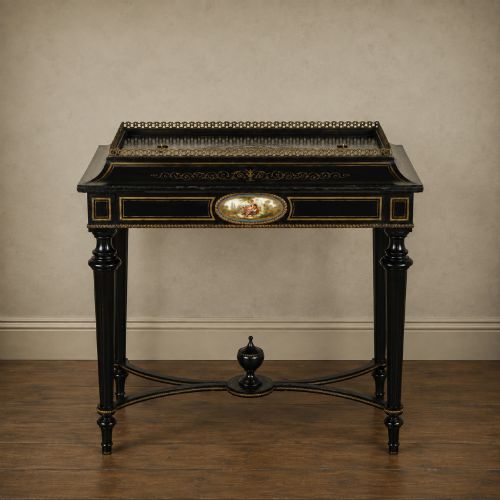
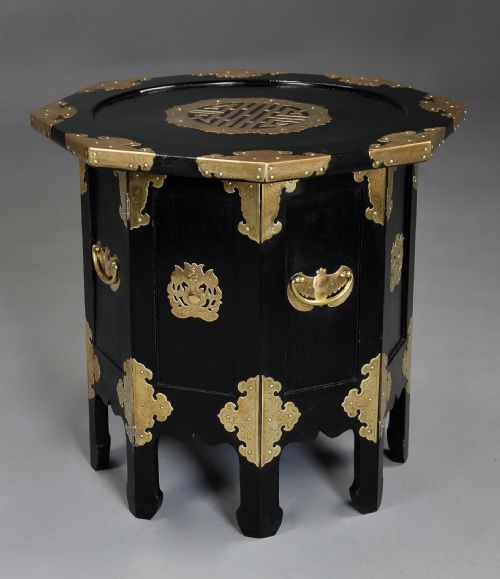
Makers often drew upon diverse stylistic influences, producing pieces that reflect French Napoleon III designs, Anglo-Indian craftsmanship, or English Arts and Crafts ideals. Buyers encounter versatile formats such as tray top coffee tables, writing desks, and tiered stands alongside standard side tables.
Materials and Construction
Wood serves as the primary substrate, frequently comprising hardwood or mahogany treated with an ebonising finish to imitate costly ebony. Artisans applied black paint, japanning, or lacquer to achieve this dark surface, sometimes combining it with contrasting inlay.
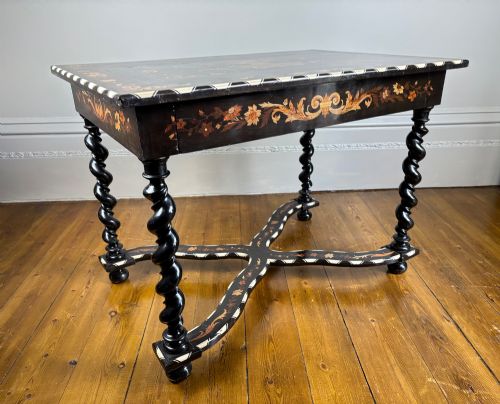
Brass, gilt, and bone inlay frequently accent these pieces, adding metallic brightness or intricate patterning to the dark wooden framework. Chip-carving and painted porcelain plaques appear on specific Victorian and French examples to enhance the decorative scheme.
Black Ebonised Side Table Retail Price Guide 2026
Typical asking prices for black ebonised side table among the pieces listed under this phrase on Sellingantiques today, from the lower quarter to the upper quarter. They describe what is for sale here now, not the wider market.
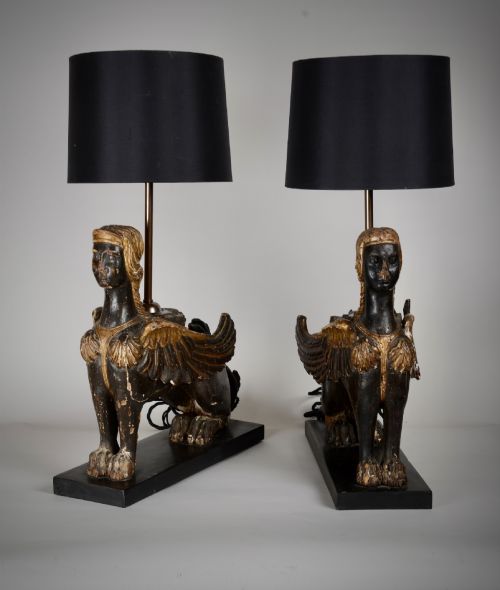
Elephants and sphinxes occasionally support the tops, proving that nineteenth-century artisans enjoyed a dramatic beast of burden.
Distinctions in Standard
The sophistication of the surface finish and the precision of decorative inlays separate standard examples from superior pieces. Hand-carved details, bone marquetry, and integrated brass work indicate a higher level of workshop execution.
The integrity of the ebonised coating and the structural stability of the joints dictate the long-term character of the furniture. Pieces retaining original painted highlights or period ceramic plaques hold greater design interest.
Hindley and Sons·Liberty of London
The Black Ebonised Side Table Glossary
- Ebonised
- Wood stained or painted black to simulate the appearance of solid ebony. This technique gained widespread popularity during the Victorian era for furniture and decorative objects.
- Aesthetic Movement
- A late nineteenth-century design style emphasising visual beauty over narrative content. Pieces in this manner often feature ebonised surfaces and orientalising motifs.
- Japanning
- European imitation of traditional Japanese and Chinese lacquering techniques. It involves applying layers of varnish and varnish-like coatings, often decorated with gold designs.
- Console Table
- A table designed to stand against a wall, frequently supported by fixed brackets or decorative legs. These pieces often serve decorative hallway functions.
- Marquetry
- Inlay work wherein pieces of contrasting materials such as wood, bone, or ivory are fitted into a veneer to form geometric or pictorial designs.
Black Ebonised Side Table: Frequently Asked Questions
Where should I place a side table?
These tables suit hallways, living rooms, and bedchambers where a compact surface is required. Their dark finishes allow them to contrast effectively against lighter walls.
Position them beside seating or against empty wall spaces to display lamps, small objects, or books.
How do I identify an Aesthetic Movement piece?
Aesthetic Movement tables typically display clean structural lines, ebonised wood finishes, and motifs influenced by Japanese art. They often date from the late nineteenth century.
Look for geometric forms, ebonised hardwood, and subtle brass or gilt highlights rather than heavy Victorian ornamentation.
What is the difference between a centre table and a side table?
Centre tables are traditionally finished on all sides to stand freely in the middle of a room. Side tables are generally designed to sit flush against a wall or beside furniture.
Both forms share similar ebonised wooden construction and decorative treatments across the nineteenth-century selections.
How do I care for ebonised wood surfaces?
Maintain ebonised finishes by dusting regularly with a soft, dry cloth. Avoid exposure to direct sunlight and moisture to protect the dark stain.
Apply occasional appropriate wax polish if the surface shows dryness, testing any product on an inconspicuous area first.