



Rustic Oak Side Desk
A rustic oak side desk brings the honest grain of centuries past into a modern workspace.
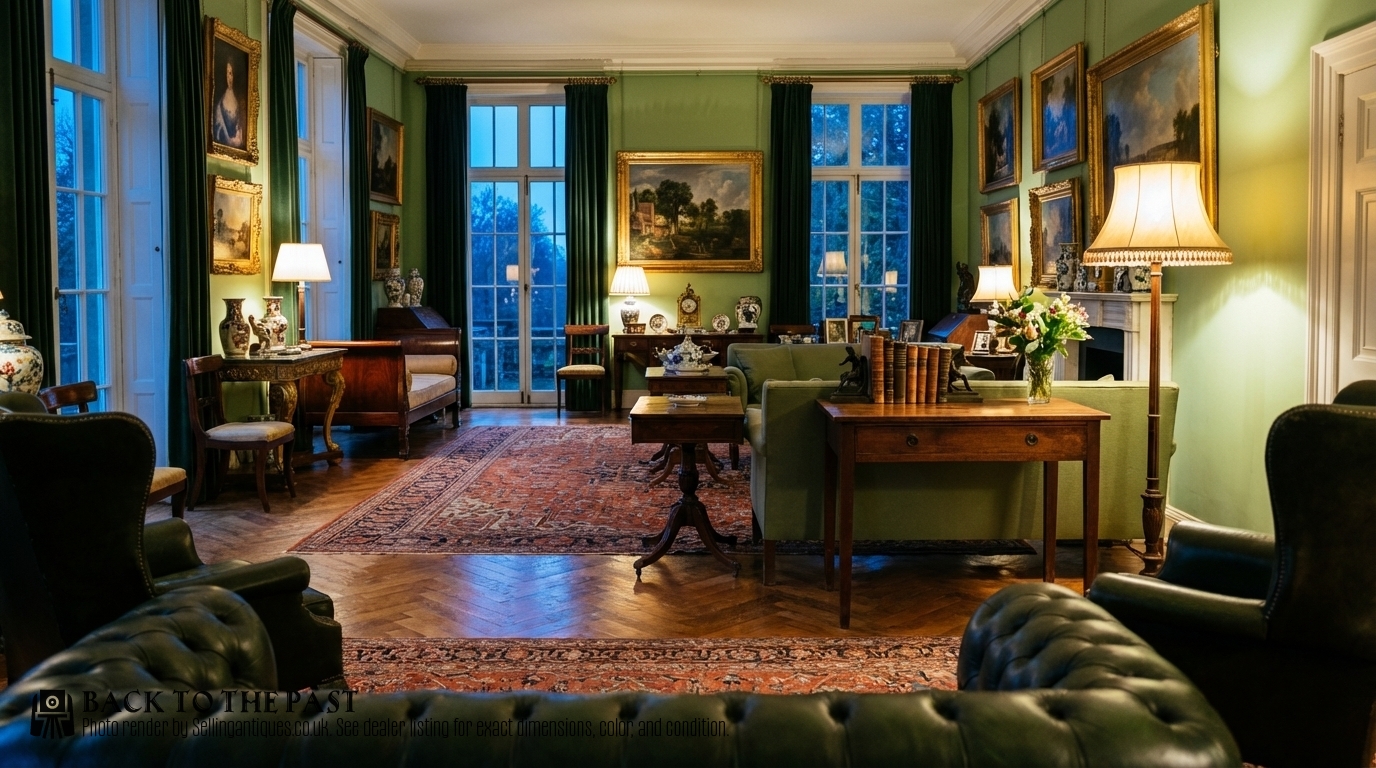
Rustic Oak Side Desk
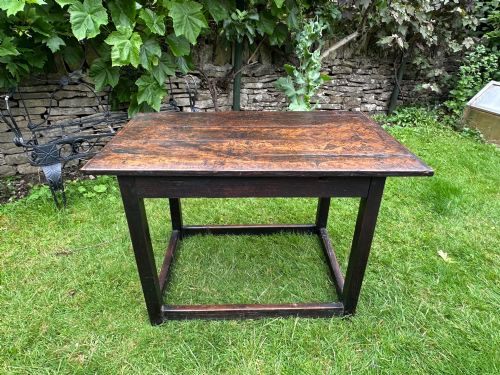
A rustic oak side desk draws on the sturdy traditions of farmhouse, tavern and writing tables made across the seventeenth, eighteenth and nineteenth centuries. These pieces serve practical workspace needs while displaying the rich, tactile character of solid timber.
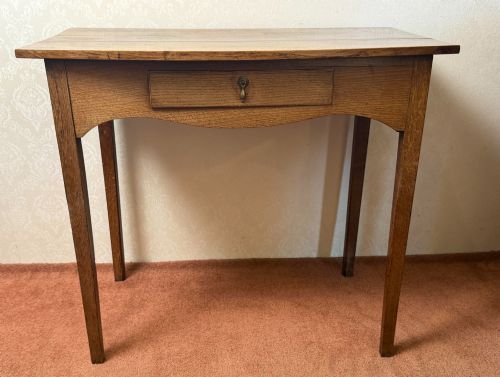
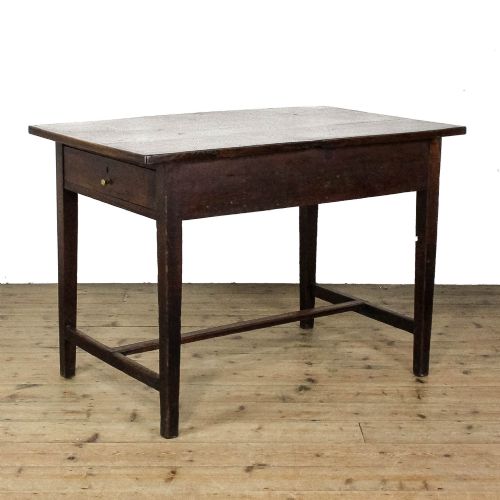
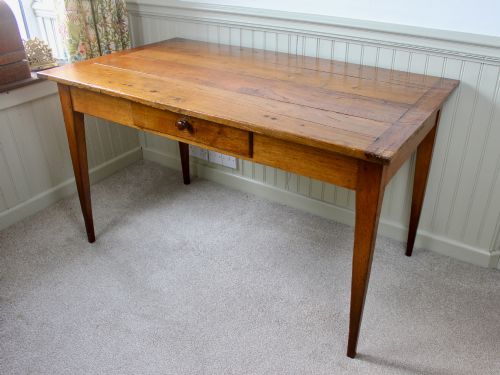
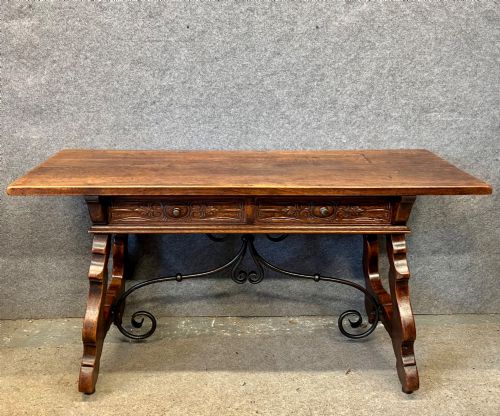
The versions most commonly met on this page span the Georgian, Victorian and Edwardian eras, often taking the form of side tables, writing tables or serving tables fitted with drawers. They combine domestic utility with regional English, Welsh, French and Spanish vernacular styles.
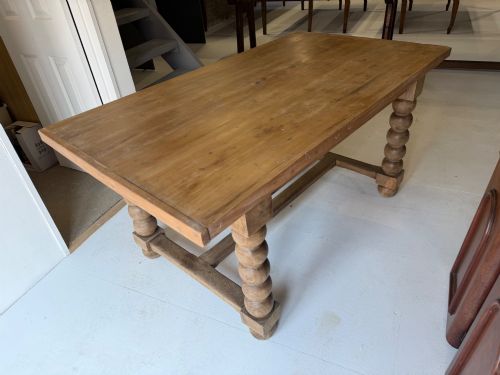
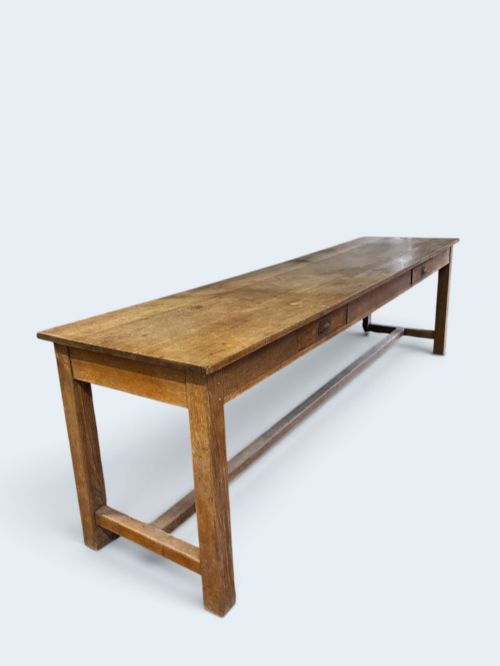
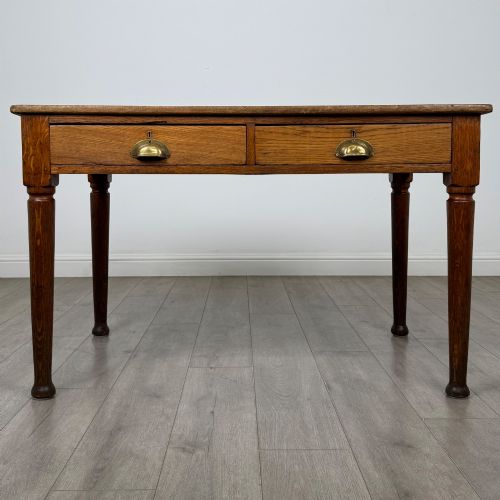
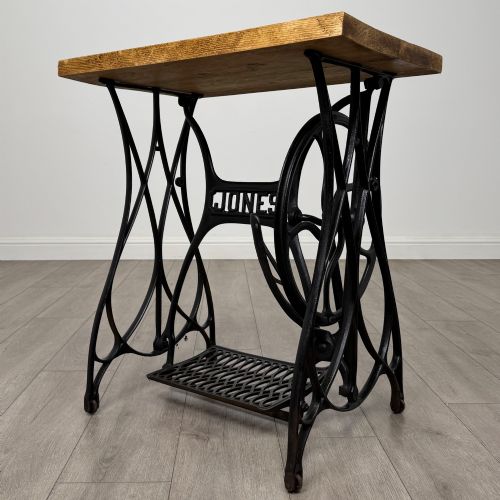
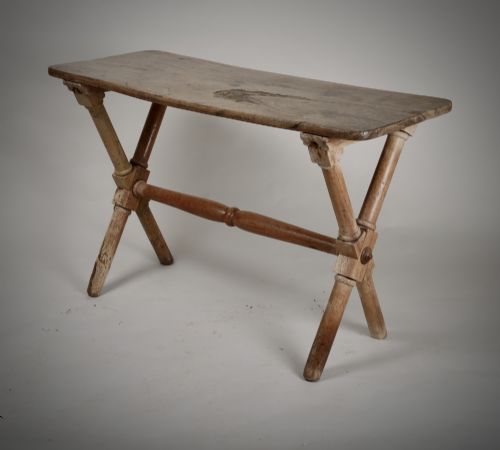
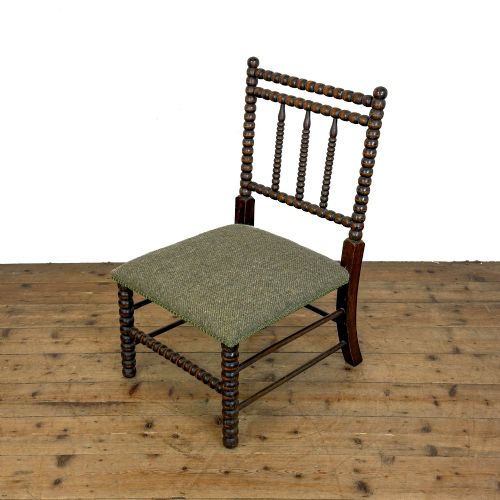
The forms range from plank-top boards supported by plain legs to pieces with turned bobbin details or multiple drawers. Each item reflects the utilitarian needs of past workshops, kitchens and studies.
Judging quality in early desks and tables
Quality rests in the integrity of the timber selection and the retention of original structural elements like plank tops and drawer construction. Tables featuring uncompromised timber thickness and honest period repairs hold greater authenticity.
The refinement of leg turnings, such as bobbin details or tapered supports, separates standard utilitarian pieces from more deliberate regional designs. The depth of the natural patina and the tightness of historical joints further indicate the level of craftsmanship.
Listings feature oak alongside elm, pine, and beech across centuries ranging from the 17th century through the Edwardian era.
The Rustic Oak Side Desk Glossary
- Plank top
- A table top constructed from wide, solid boards of timber joined side by side. This method is common in early country furniture where single wide planks were prized.
- Bobbin leg
- A turned furniture leg shaped to resemble a series of rounded wooden bobbins or spools stacked vertically. This decorative turning appears frequently on seventeenth and nineteenth-century pieces.
- Refectory
- A long, narrow table style traditionally used in communal dining halls. In domestic settings, these sturdy pieces often double as large serving surfaces or desks.
- Vernacular
- Furniture designed and built by local craftsmen using regional materials and traditional styles rather than following high-fashion metropolitan trends. These items prioritise everyday function and local character.
- Patina
- The deep sheen and surface colour developed on wood over decades or centuries through handling, waxing, and exposure to light. A rich patina indicates age and regular use.
Rustic Oak Side Desk: Frequently Asked Questions
How do I date an old oak table?
Dating relies on examining the construction methods, tool marks left on the underside, and the type of timber preparation used in the frame. Hand-cut joints and the presence of secondary woods provide strong chronological clues.
Changes in leg turning styles, from early bobbin motifs to later Georgian tapered legs, also help narrow down the manufacturing period alongside the overall wear patterns on the wood.
Can I use an antique side table as a desk?
Many period side tables, writing tables, and serving tables share proportions and knee clearance suitable for daily writing tasks. Selecting a model fitted with drawers provides convenient storage for modern stationery.
Ensuring the working height matches your chair is the primary consideration when adapting these historic utilitarian surfaces for modern office use.
What is the difference between regional styles?
Regional styles reflect the specific local tool traditions and timber availability of areas such as Wales, France, Spain, and English country districts. Welsh and English pieces often feature heavy oak planking, while continental examples may utilise bleached finishes or trestle supports.
These geographical variations give each table distinct proportions, edge profiles, and framing techniques characteristic of its origin.
How should I care for a solid oak surface?
Maintain the wood by applying natural beeswax periodically to nourish the dry grain and preserve the historic surface sheen. Avoid placing timber pieces near direct heat sources or in areas with fluctuating humidity to prevent splitting.
Cleaning should be done with a soft, dry cloth rather than harsh modern chemical polishes that can strip the accumulated patina.