

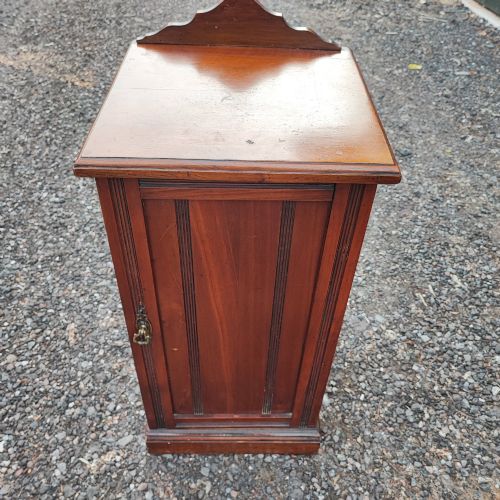
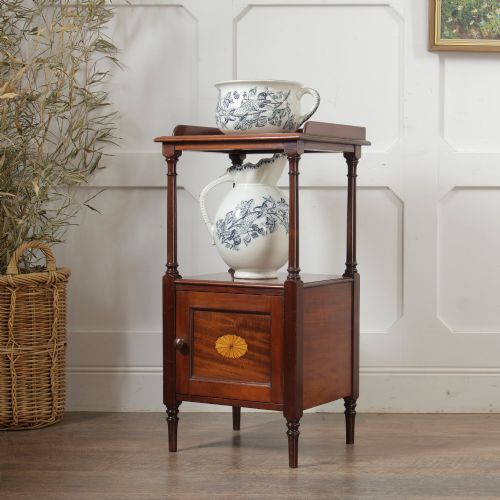
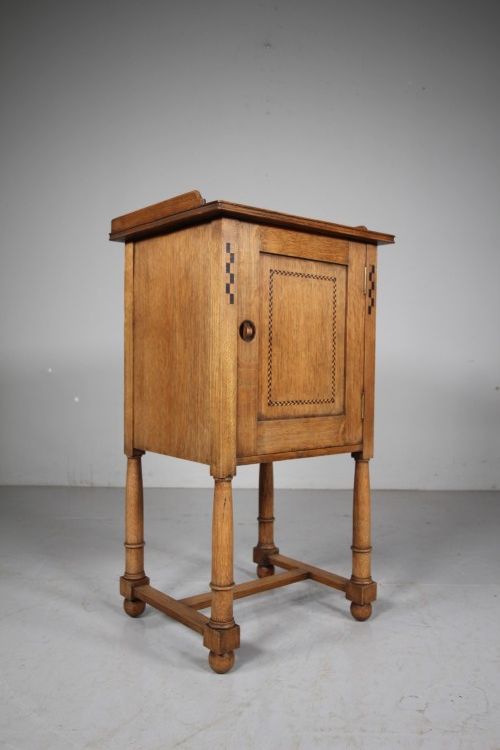
Single Door Bedside Table
A single door bedside table is a practical piece for holding nighttime essentials, usually taking the form of a compact cupboard.
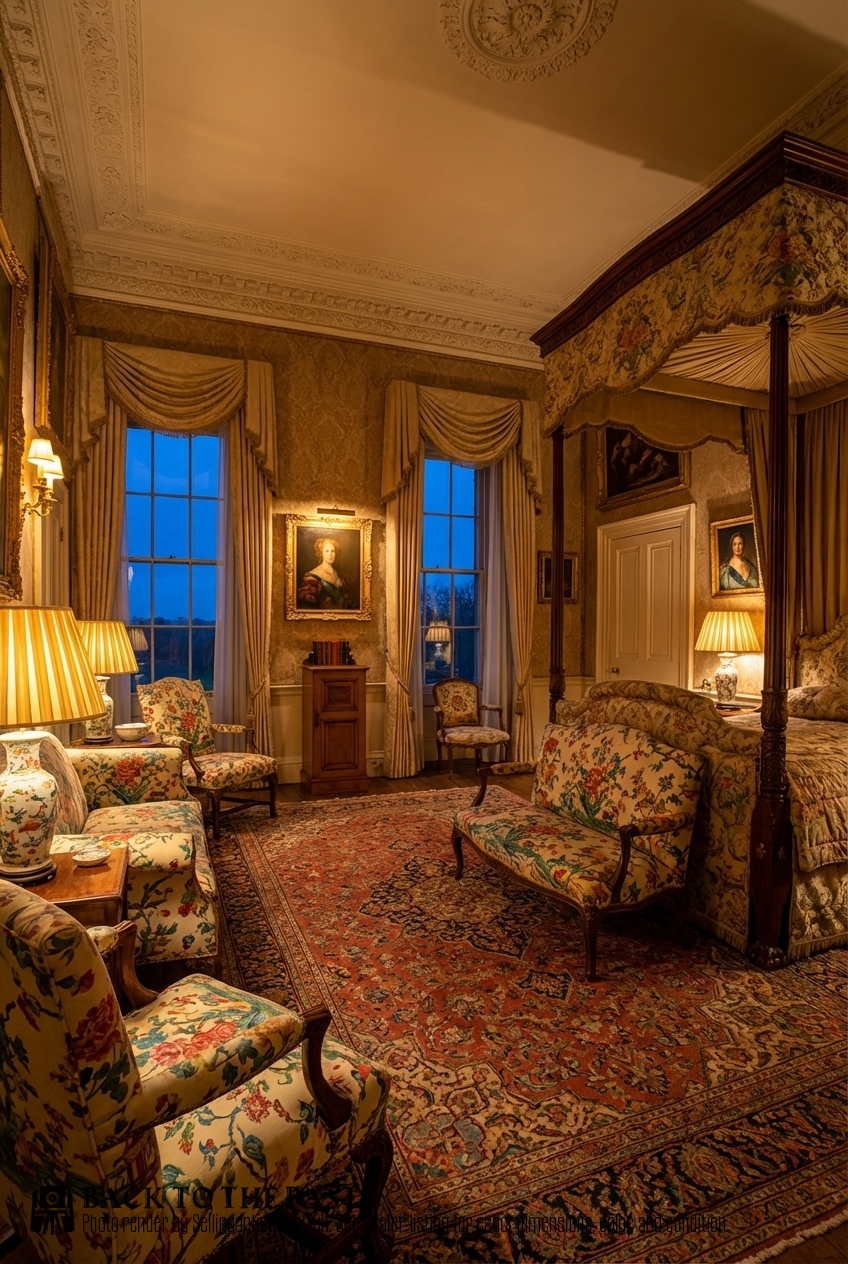
Single Door Bedside Table
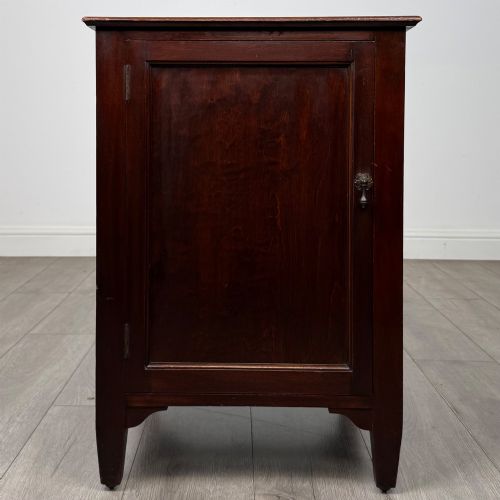
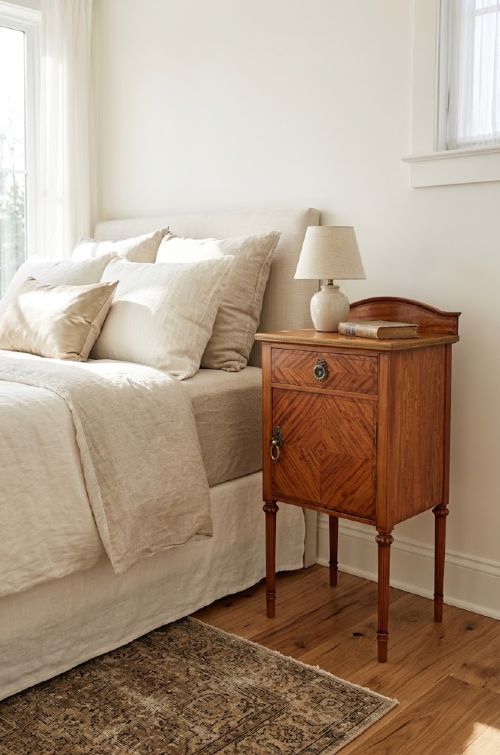
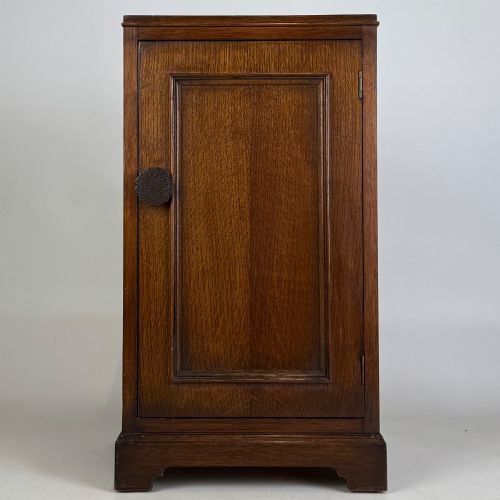
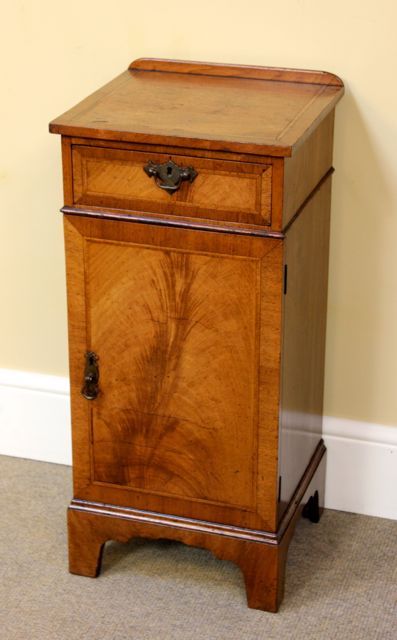
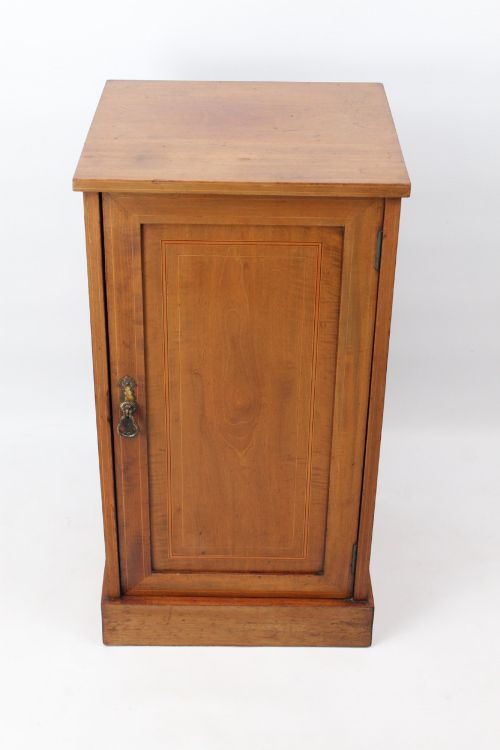
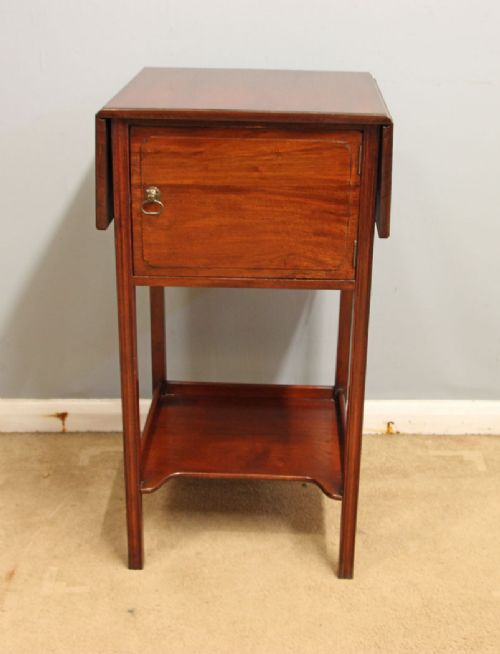
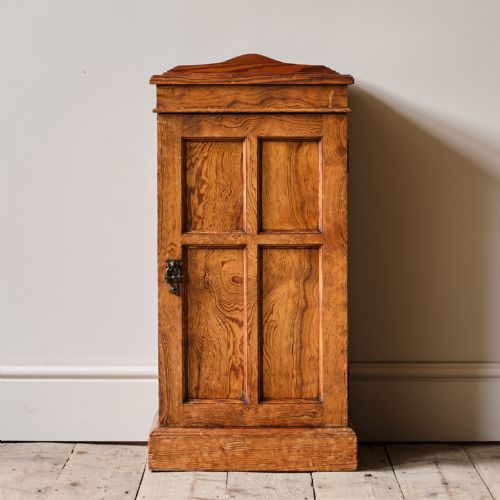
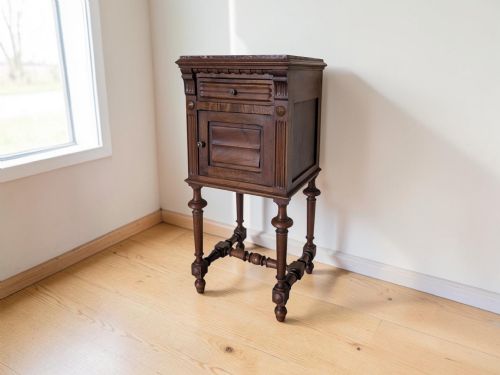
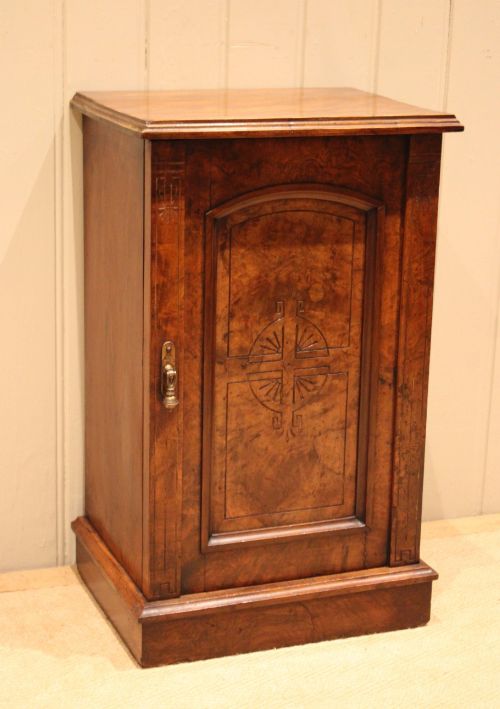
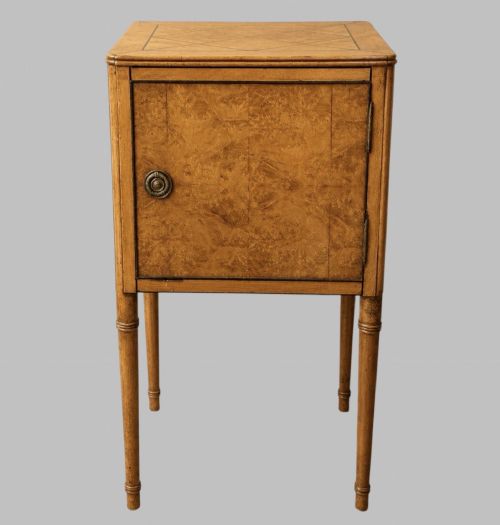
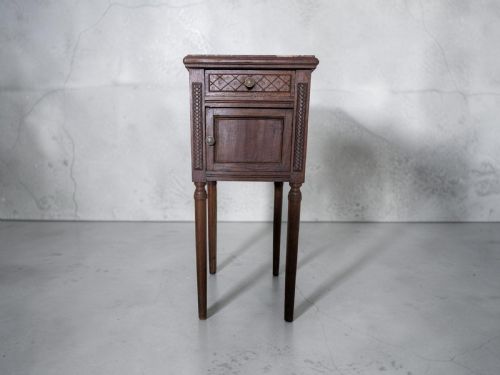
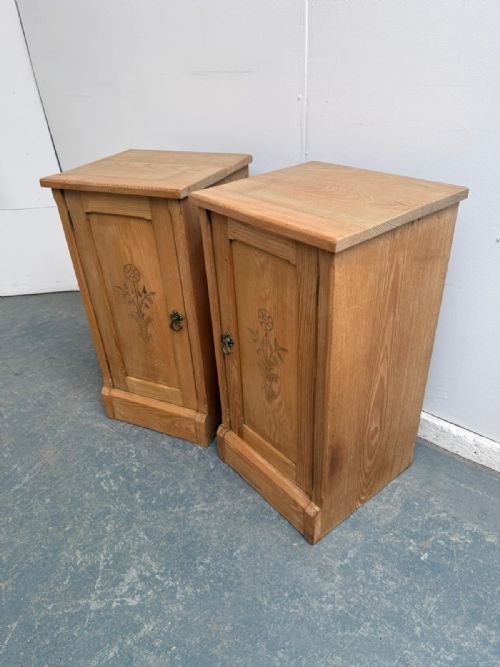
A single door bedside table offers enclosed storage beside the bed, often styled as a pot cupboard or nightstand. These pieces range from Georgian and Regency prototypes to Victorian and Edwardian examples, appearing frequently alongside Arts and Crafts and 1930s designs.
The primary forms on this page are bedside cabinets and cupboards enclosed by a single door, occasionally featuring an internal shelf or an upper drawer. Mahogany and walnut dominate the selection, alongside oak, pine, and satinwood variants.
How they were made
Cabinet makers utilised dense hardwoods like mahogany and walnut, frequently selecting figured burr veneers for the primary door panels. Softer timbers such as pine and oak served for internal construction and simpler country pieces.
Surface treatments rely on traditional wax finishes to highlight the natural grain of the wood, complemented by brass handles or turned wooden knobs. Inlaid stringing in satinwood or exotic hardwoods adds decorative contrast to Edwardian and Regency versions.
Listings span the 18th century through the 1930s, featuring periods such as Georgian, Regency, Victorian, Edwardian, and Art Deco.
What varies in quality
The distinction between standard production and top tier work rests on timber selection and cabinetmaking execution. Finer pieces display carefully matched burr walnut or mahogany veneers, dovetailed drawer construction, and robust panelled doors that hang true.
Maker attribution elevates certain examples, particularly pieces bearing stamps from prominent workshops or retailers. Simpler pine or stained oak items from the later periods represent more utilitarian domestic production rather than high design.
Walter Carter Harrods·Heals·Howard & Sons·Holland & Sons
The Single Door Bedside Table Glossary
- Pot cupboard
- A small enclosed bedside cabinet originally designed to house a chamber pot. These pieces usually feature a single door and a flat top.
- Nightstand
- An alternative term for a small bedside table or cabinet. It describes any low piece intended to stand beside a bed.
- Burr walnut
- A highly figured wood veneer taken from the wart or growth on a walnut tree. It creates complex, swirling patterns on cabinet doors.
- Aesthetic Movement
- A late 19th-century design style focusing on visual beauty rather than narrative meaning. Furniture from this movement often shows simplified forms and contrasting woods.
- Satinwood
- A durable, yellowish timber imported from the tropics. It is often utilised for fine stringing or as a primary veneer in Edwardian pieces.
Single Door Bedside Table: Frequently Asked Questions
What is the difference between a pot cupboard and a bedside table?
A pot cupboard historically contained an interior shelf specifically sized to hold a chamber pot behind its single door. Modern usage often treats pot cupboards and bedside tables as interchangeable terms for small bedroom storage.
Traditional pot cupboards tend to be slightly taller and fully enclosed, whereas some open bedside tables incorporate shelves rather than doors.
How do I identify a Victorian bedside cabinet?
Victorian examples frequently utilise solid mahogany or burr walnut veneers, often displaying dark, rich tones and substantial brass or wooden door pulls. They date from the mid to late 19th century and generally feature sturdy, functional proportions.
Look for hand-dovetailed drawer construction inside and traditional timber backing panels to confirm the period.
Are these tables suitable for modern beds?
Most antique bedside cabinets stand at heights suited to traditional lower beds, so checking your mattress height against the table is essential. Their compact single door design makes them ideal for smaller bedrooms needing concealed storage.
Placing a glass top on the wooden surface protects the polish from nighttime condensation.
What woods were commonly used?
Mahogany and walnut are the dominant timbers across the selection, appearing in both solid form and decorative veneers. Oak, pine, satinwood, and ash also feature in specific Edwardian, Georgian, and Arts and Crafts pieces.
Figured burr walnut was particularly favoured for decorative door panels during the Victorian era.