

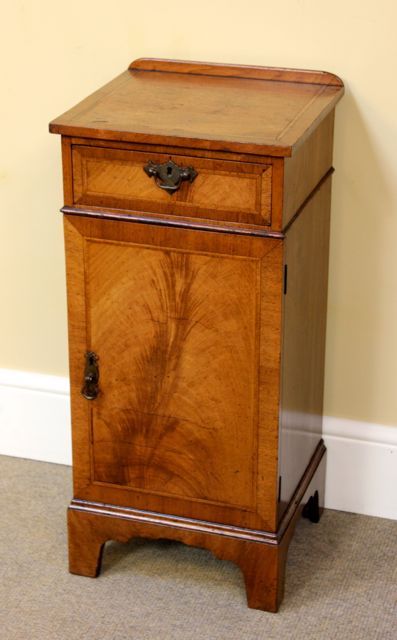
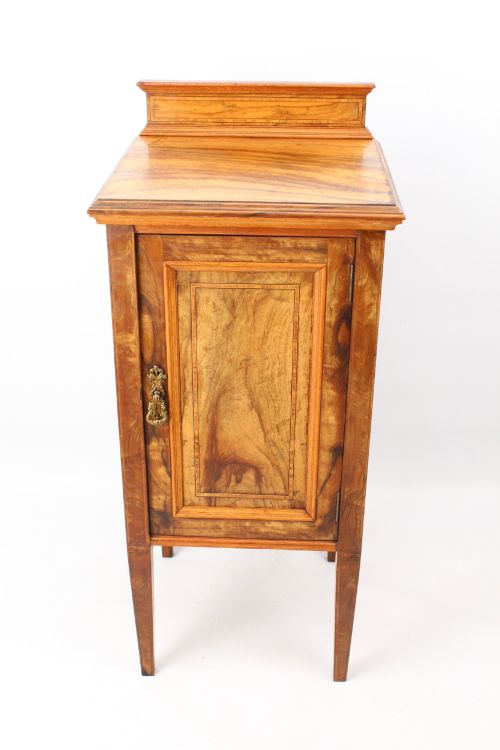
Edwardian Bedroom Cabinet
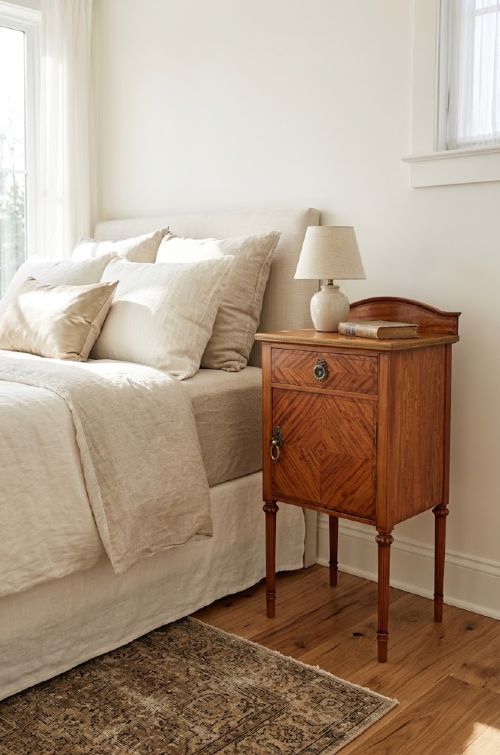
An edwardian bedroom cabinet brings timeless proportion and useful storage to a sleeping space, spanning bedside cupboards, tallboys, and compact wardrobes.

Edwardian Bedroom Cabinet
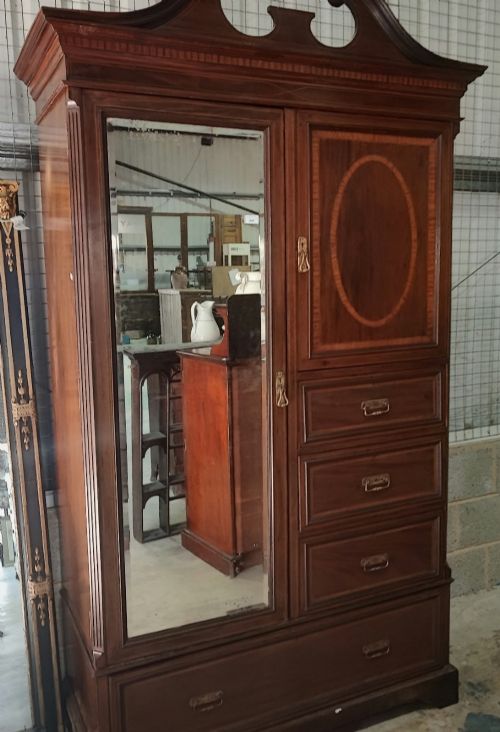
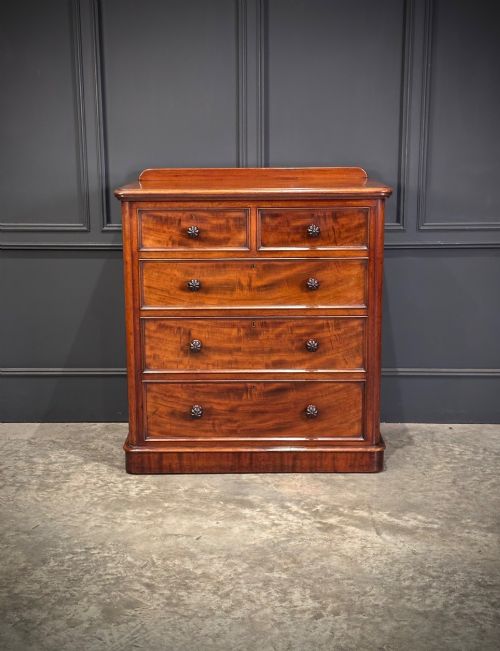
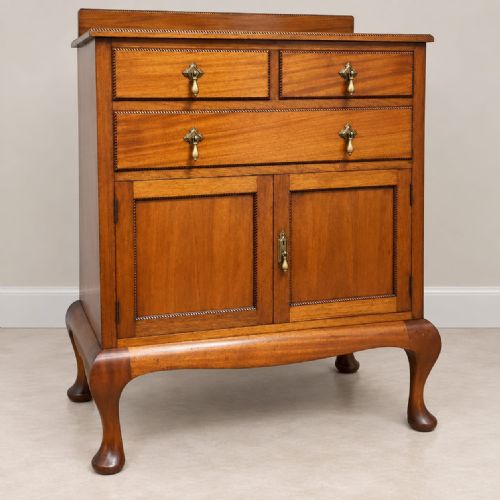
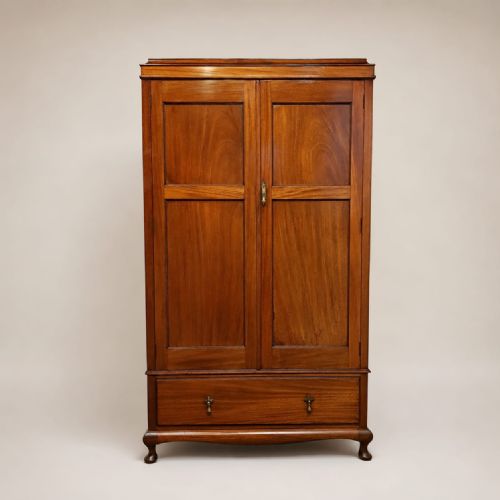
When searching for an edwardian bedroom cabinet, buyers encounter a diverse selection of furniture designed for early twentieth-century domestic life. These items range from compact bedside tables and nightstands to larger chests of drawers, washstands, and substantial wardrobes.
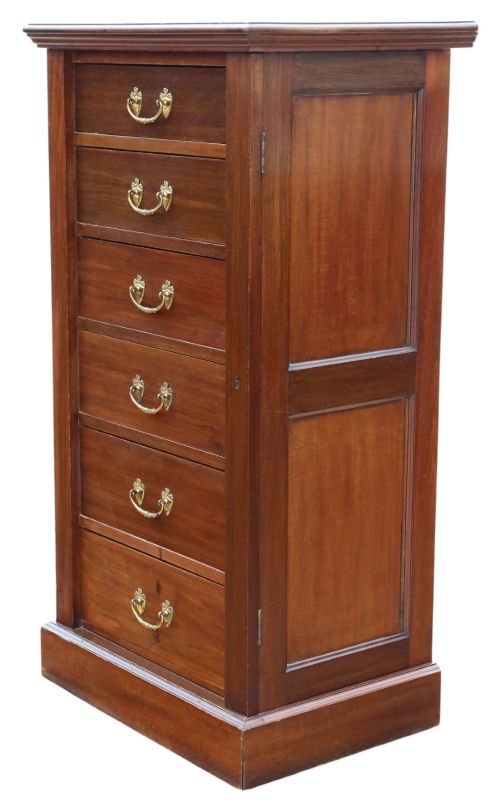
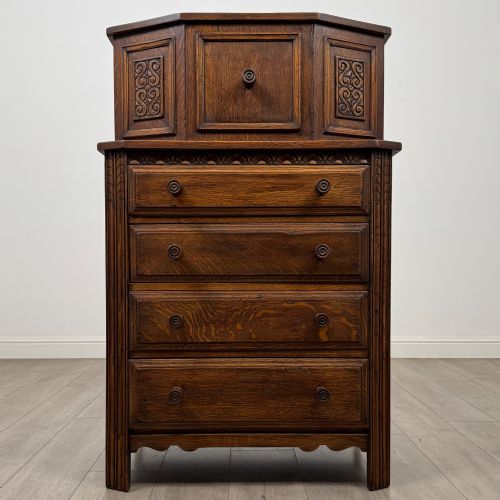
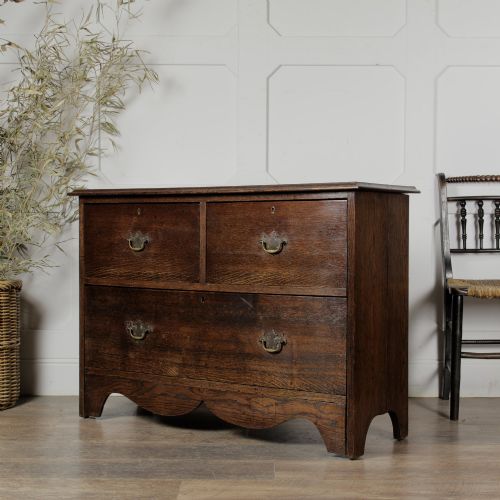
The most frequent pieces met on this page belong to the Edwardian period itself or close adjacent decades, taking forms such as the Wellington chest, tallboy, and bedside cabinet. They served specific functions in the bedroom, providing concealed storage for garments, washing equipment, and personal belongings.
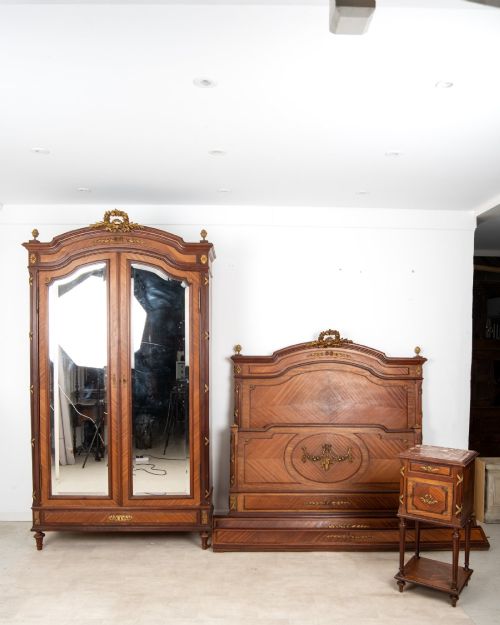
Makers and retailers of the era, including prominent firms, produced these cabinets in varying scales to suit both modest rooms and grand residences. Surviving examples demonstrate how homeowners integrated matching or complementary pieces into unified bedroom suites.
How they were made
Cabinet makers utilised a foundation of solid timbers such as mahogany, oak, and walnut, frequently applying fine veneers of satinwood or burr walnut to visible surfaces. These woods were chosen for their durability and figured grain patterns, which added decorative appeal to functional items.
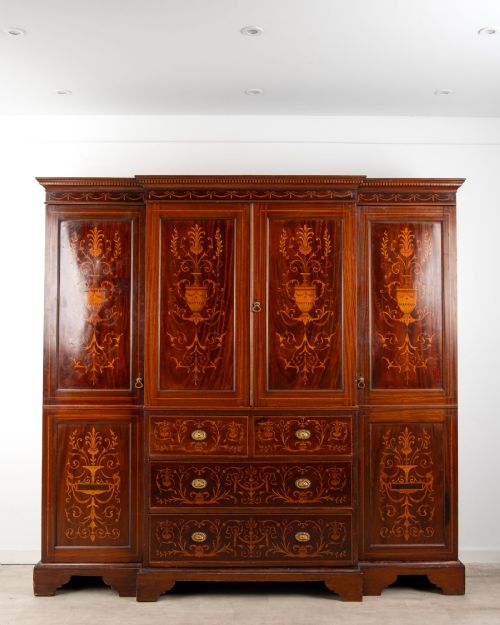
Construction techniques included dovetailed drawer joints and panelled doors, sometimes enhanced with inlaid stringing, painted panels, or carved details in styles ranging from Sheraton Revival to Art Nouveau. Brass handles, key escutcheons, and occasional mirrored glass completed the hardware and fittings.
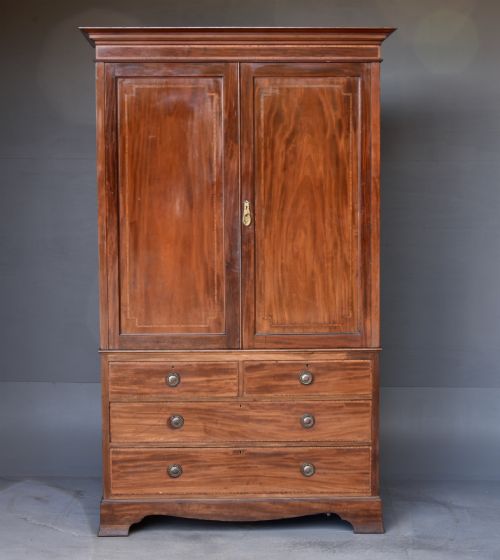
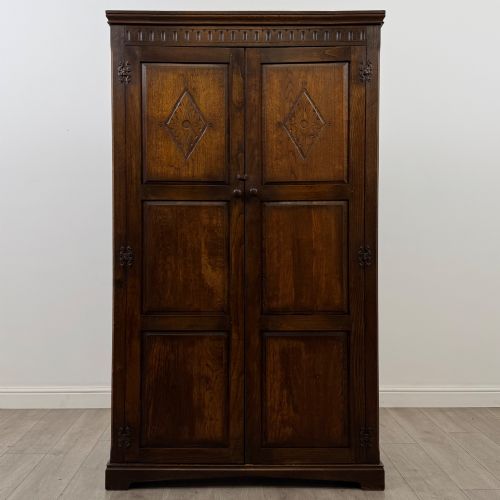
Listings feature bedside cabinets, tallboys, and wardrobes built from mahogany, oak, walnut, and satinwood across Edwardian and Victorian periods.
What varies in quality
The distinction between standard commercial pieces and finer workshops lies in the selection of timber veneers and the precision of decorative inlays. Superior examples display carefully matched grain patterns and crisp carving rather than simpler stamped or applied ornaments.
Structural integrity depends on the weight of the timber used for drawer linings and carcases, alongside the original condition of brass hardware and locking mechanisms. Pieces that retain their fitted interiors and matching keys demonstrate greater original craftsmanship.
maples & co·Edwards and Roberts·harrods·Waring & Gillows
The Edwardian Bedroom Cabinet Glossary
- Compactum
- A large wardrobe or cabinet combining hanging space with internal drawers, shelves, and shoe racks. This multi-purpose design maximised storage efficiency in period bedrooms.
- Wellington chest
- A tall, narrow chest of drawers secured by a hinged locking side bar that fastens with a key. It typically holds six or seven graduated drawers.
- Tallboy
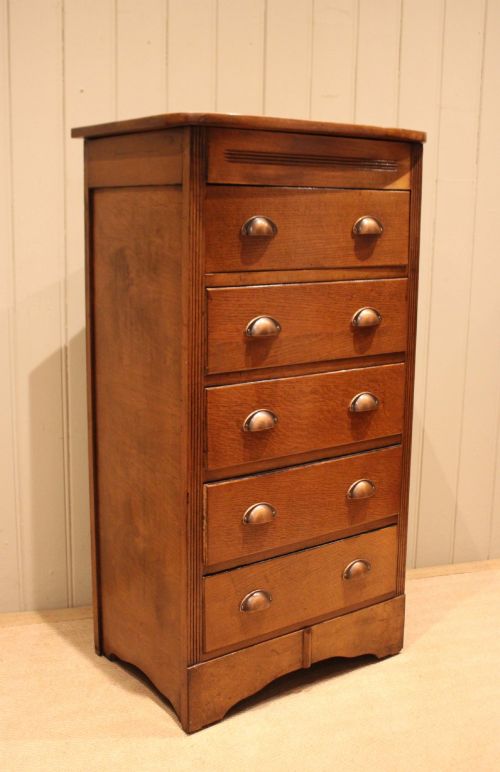
- A tall chest of drawers standing upon a base section or built as a single high unit. These pieces offered substantial vertical storage capacity for smaller floor footprints.
- Washstand
- A dedicated bedroom table fitted with a marble or wooden top designed to hold a basin and jug. Some versions included tiled splashbacks and lower shelf storage.
- Satinwood
- A pale, lustrous timber imported from tropical regions, prized for its golden sheen and smooth texture. It appeared frequently as a fine veneer on high-end Edwardian furniture.
Edwardian Bedroom Cabinet: Frequently Asked Questions
What is an Edwardian bedroom cabinet?
An Edwardian bedroom cabinet is a piece of furniture made around the early twentieth century, designed for domestic storage in sleeping quarters. These items include bedside cupboards, tallboys, and compact wardrobes.
They reflect the domestic habits and interior tastes of the Edwardian era, utilising traditional cabinet-making woods and decorative revivals.
How do I tell Edwardian from Victorian furniture?
Edwardian furniture generally exhibits lighter proportions, brighter wood tones, and simpler neoclassical or revivalist decoration compared to heavier Victorian styles. Makers often favored satinwood, inlaid stringing, and satin finishes.
Victorian pieces tend to feature darker solid timbers, heavier carving, and more imposing structural forms. However, the crossover period around the turn of the century shares traits from both eras.
Where were these cabinets used?
These cabinets served specific functions in bedrooms, dressing rooms, and guest quarters for storing clothing, washing apparatus, and night-time necessities. Smaller tables sat beside the bed for lamps and personal items.
Larger wardrobes and tallboys stood against bedroom walls as part of matched suites or standalone storage solutions.
How do I care for antique wood furniture?
Antique cabinets require placement away from direct sunlight and heat sources to prevent timber from drying out or veneers from lifting. Regular dusting with a soft, dry cloth preserves the polished surface.
Occasional application of appropriate wax feeding maintains the moisture and natural lustre of woods like mahogany, walnut, and oak.