



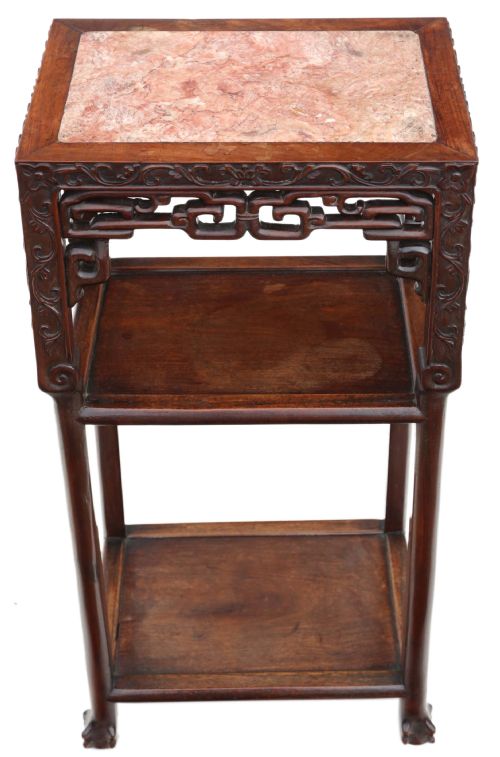
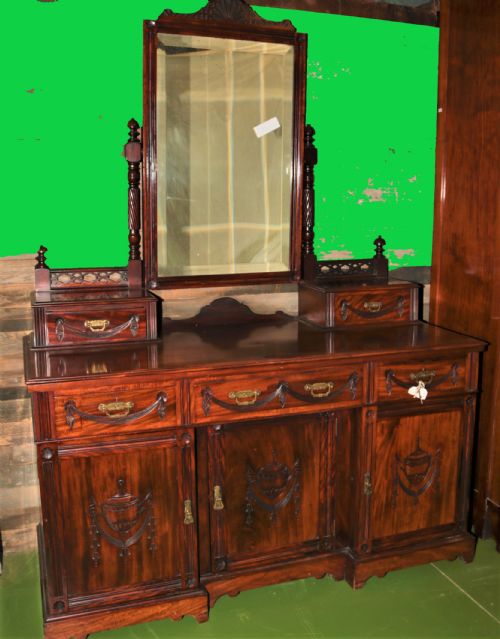
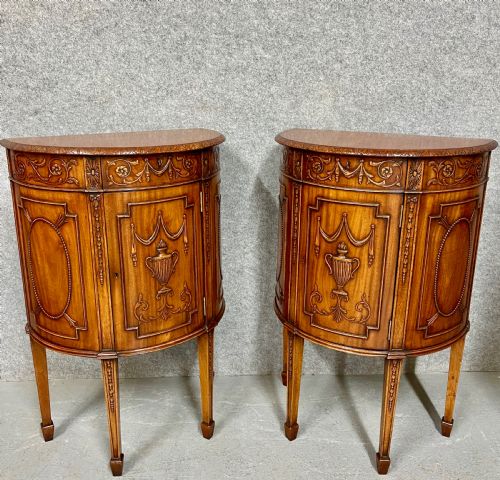

Carved Urn Cabinet
These carved urn cabinet examples bring substantial form and historic craft to any room, offering versatile display space rooted in centuries of woodworking tradition.
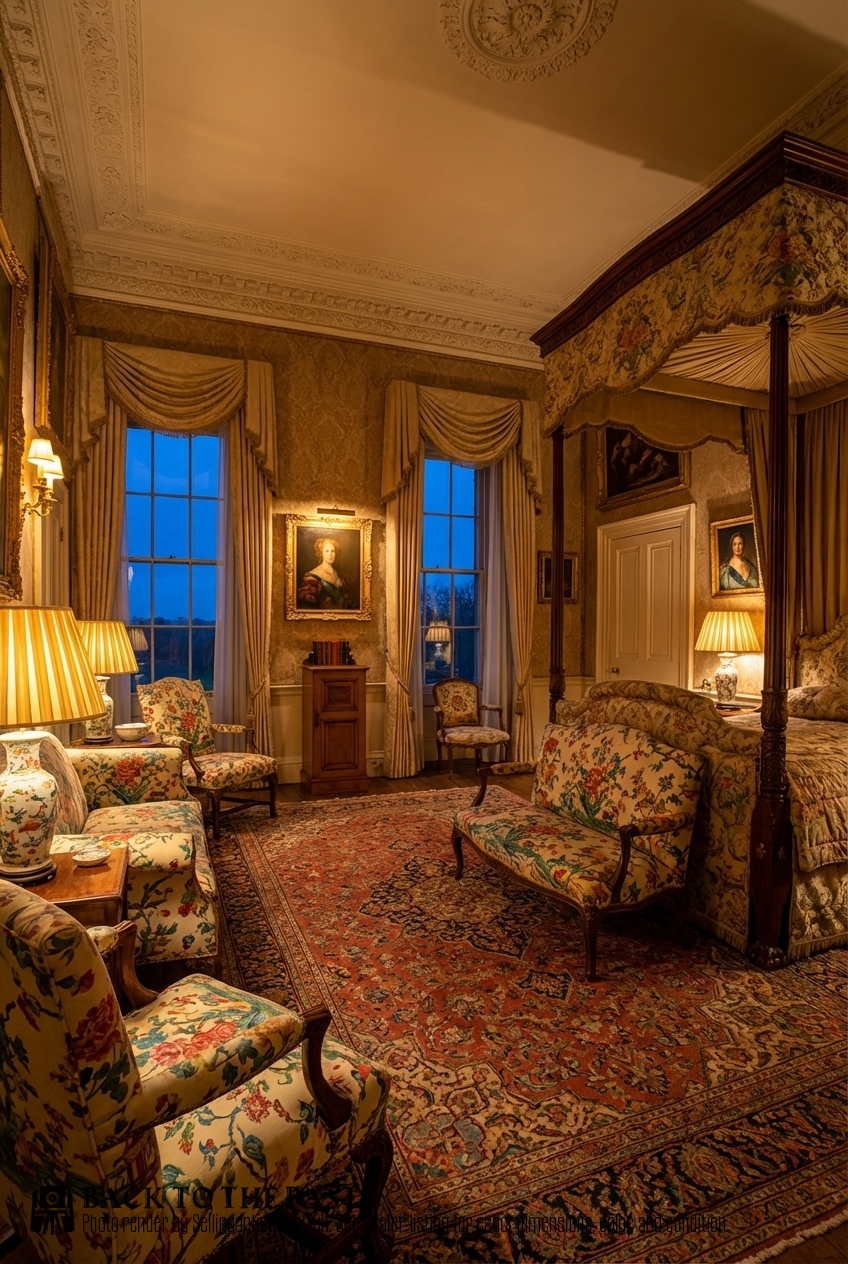
Carved Urn Cabinet
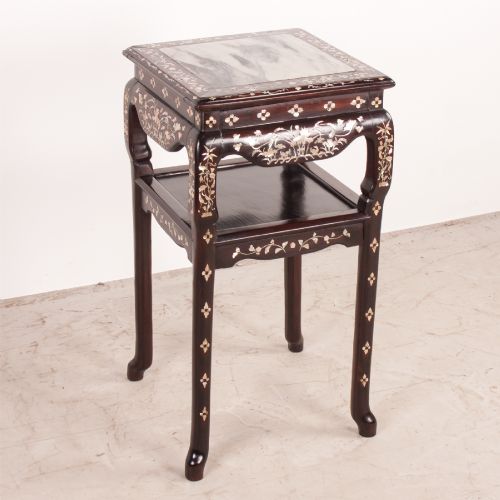
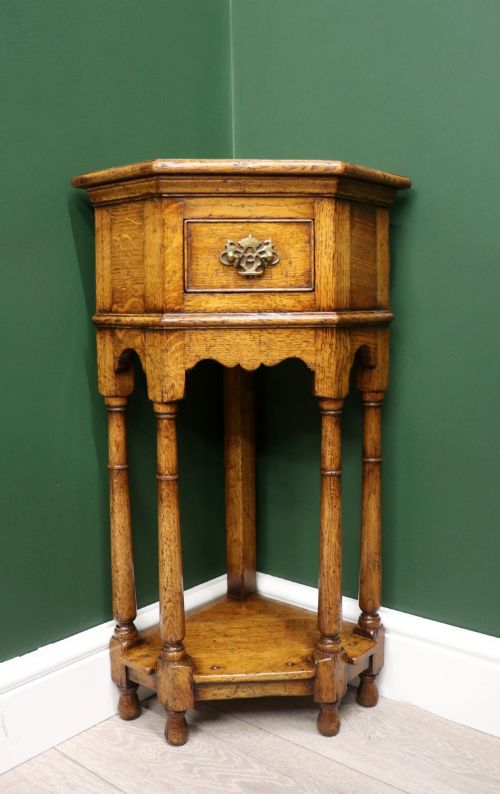
A carved urn cabinet represents a fusion of functional storage and classical display surface, drawing on forms seen across diverse periods and regional workshops. These pieces frequently manifest as pedestals, stands, and bedside units intended to elevate decorative vessels or plants.
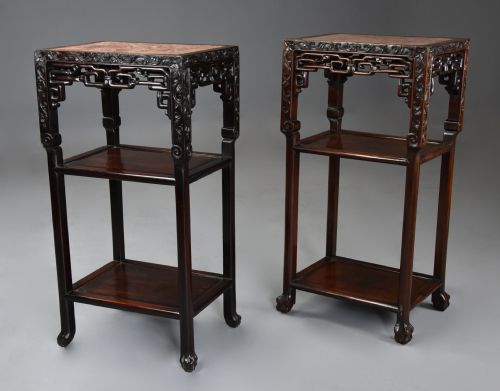
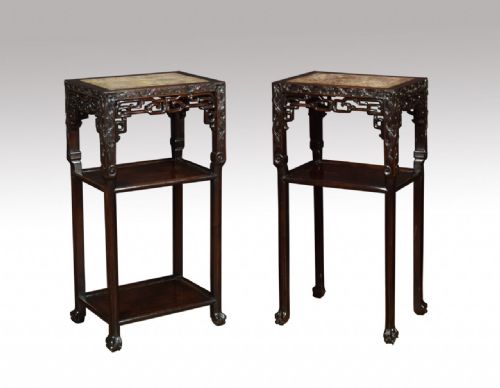
The selections on this page span centuries of design, encompassing Victorian timbers, French provincial chestnut, and Chinese hardwood productions. Buyers encounter everything from tall bedside units to low occasional tables, reflecting varied domestic utilities.
Origins range from English country workshops to Qing Dynasty studios and Italian Baroque salons. This geographic breadth ensures that each example brings distinct regional carving motifs and timber selections into the modern interior.
How they were made
Construction relies heavily on dense timbers such as mahogany, rosewood, oak, walnut, and chestnut, selected for structural integrity and grain figure. Artisans joined these hardwoods using traditional joinery methods suited to supporting heavy stone tops or vessels.
Surface ornamentation incorporates intricate hand carving, ebonising, and contrasting inlays of mother of pearl or brass. Marble inserts frequently provide durable, heat-resistant top surfaces designed to display urns and plants safely.
Metal elements such as pewter cisterns and brass mounts appear on specialised forms like lavabos. These integrated hardware components required specialised metalworking alongside the primary cabinetmaking.
The available furniture includes diverse forms such as bedside cabinets, occasional tables, architectural salvage, and plant stands.
What varies in quality
The distinction between standard domestic utility pieces and exceptional works lies in the depth and precision of the hand carving. Crisp execution of floral, classical, or oriental motifs indicates superior workshop execution.
Material selection significantly impacts the standing of an object, with figured hardwoods and unblemished inset marble slabs commanding greater attention. The preservation of original surface treatments and integrated hardware further elevates the stature of a piece.
Proportion and structural balance separate ambitious studio pieces from simpler provincial outputs. Harmonious scale ensures that pedestals and stands fulfil both their decorative mandate and their physical function.
The Carved Urn Cabinet Glossary
- Lavabo cabinet
- A specialised washing or vessel stand incorporating a basin and cistern, often lined with pewter. These units originate from European provincial traditions.
- Hongmu
- A traditional Chinese term for dense, heavy hardwoods utilised in fine furniture production. It translates literally to red wood.
- Demi-lune
- A half-moon shape used for tables and cabinets designed to stand flush against a wall. This profile saves floor space while providing a display surface.
- Ebonisation
- A chemical or pigment treatment applied to cheaper timbers to imitate the dark, dense appearance of ebony. It is common in late nineteenth-century Asian and European furniture.
- Inlay
- A decorative technique where contrasting materials such as mother of pearl or lighter woods are embedded into recesses within the primary surface.
Carved Urn Cabinet: Frequently Asked Questions
What is a carved urn cabinet used for?
These pieces function primarily as elevated display surfaces for decorative urns, vases, and large indoor plants. Many variants also incorporate enclosed storage compartments or open tiers for household items.
Their sturdy construction allows them to support heavy stone or ceramic objects safely while adding architectural presence to hallways, living rooms, and bedrooms.
How do I identify the period of these cabinets?
Dating relies on examining the timber species, construction methods, and stylistic motifs present in the carving. Victorian and nineteenth-century pieces often feature heavier Victorian proportions or Chinese Qing dynasty influences.
Cross-referencing the specific hardware, such as pewter basins or brass mounts, helps narrow down the regional workshop and era of production.
Can these cabinets support heavy items?
Many examples are specifically engineered with robust hardwood frames and inset marble tops to bear substantial weight. This makes them ideal for heavy ceramic planters and ornamental metal urns.
Checking the stability of the joints and the thickness of the supporting pedestal ensures the piece can safely hold your chosen display objects.
How do I care for antique hardwood furniture?
Maintain the timber by keeping pieces away from direct heat sources and sudden humidity fluctuations to prevent wood splitting. Regular dusting with a soft, dry cloth preserves the finish without abrasive chemical cleaners.
Marble tops benefit from prompt wiping of liquid spills to avoid staining porous stone surfaces over time.