



Royal Worcester Blush
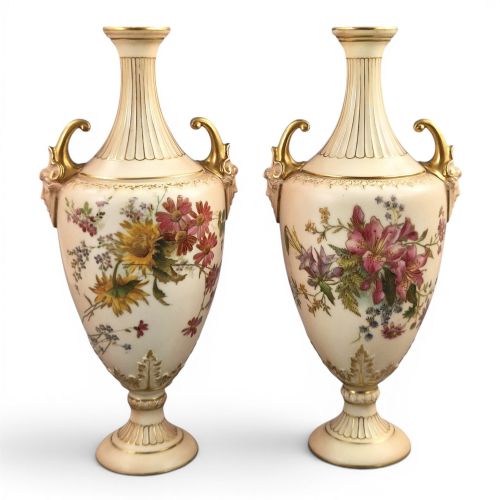
Royal Worcester blush porcelain captures late Victorian and Edwardian taste through delicate tinted grounds and hand-painted floral decoration.
Royal Worcester Blush
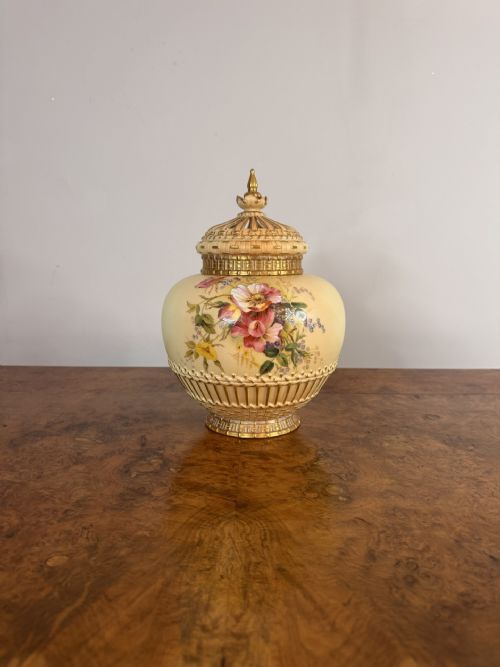
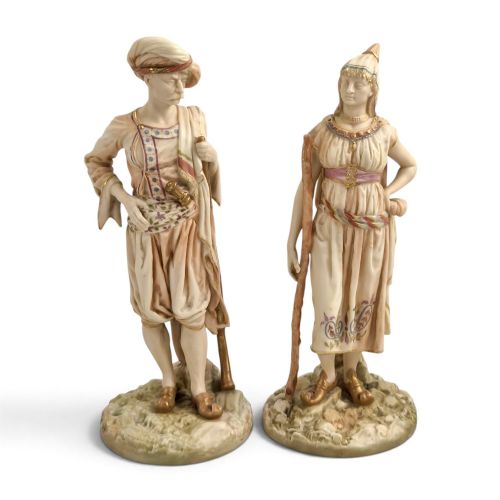
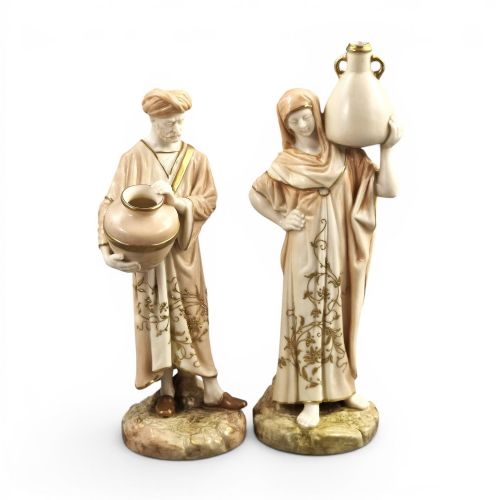
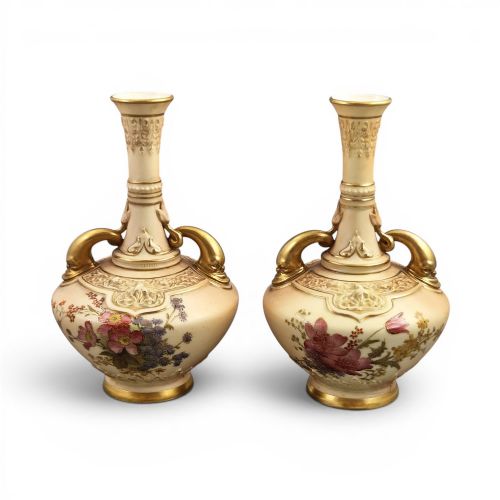
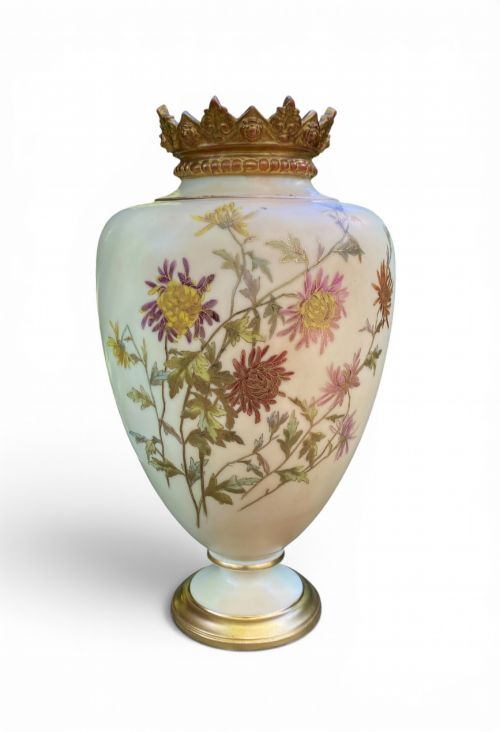
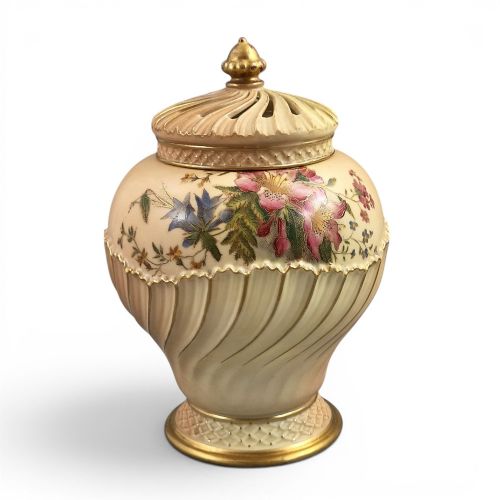
Collectors seeking royal worcester blush encounter a diverse range of decorative ceramic forms spanning the late nineteenth century into the Edwardian era. Vases, jugs, ewers, and pot-pourri jars dominate the selection, alongside figural groups and tea wares.
The aesthetic bridges several nineteenth-century revival styles, incorporating classical, oriental, and aesthetic movement motifs onto standard factory shapes. Pieces often carry specific pattern numbers or date marks that help establish their exact period of manufacture.
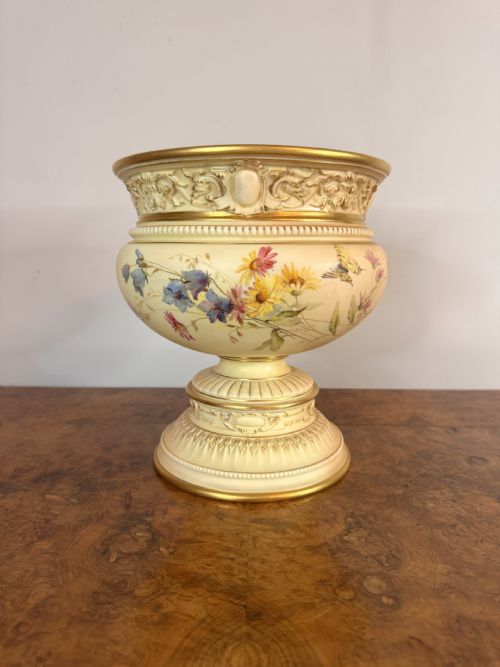
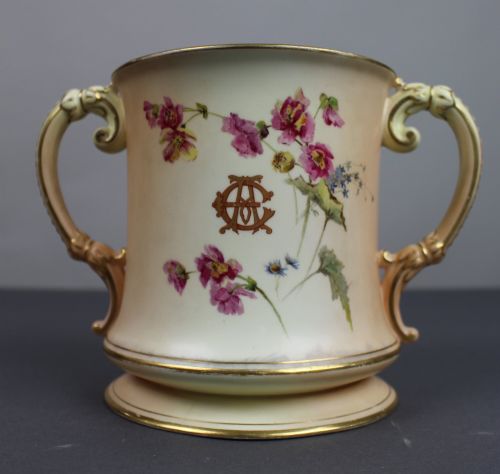
Vessels typically display soft peach and ivory tinted grounds, frequently accented with gilding and enamel highlights. These items reflect the high output of the Worcester factory during periods spanning from the eighteen-eighties into the nineteen-twenties.
How they were made
Potters shaped the ceramic bodies from fine porcelain and earthenware before applying the signature ivory-toned ground glaze. This matte or semi-matte surface provided the ideal absorbent base for subsequent hand-painted decoration.
Artists painted floral sprays, birds, and figures directly onto the tinted glaze using delicate enamel colours. Artisans then applied gold leaf and gilding by hand to handles, rims, and borders before final kiln firing.
Royal Worcester Blush Retail Price Guide 2026
Typical asking prices for royal worcester blush among the pieces listed under this phrase on Sellingantiques today, from the lower quarter to the upper quarter. They describe what is for sale here now, not the wider market.
Listings feature porcelain forms spanning the Victorian, Edwardian, and nineteen-thirties periods, utilising traditional enamel and gilding techniques.
What varies in quality
The distinction between standard factory output and premier pieces often rests on the identity of the decorator or modeller. Hand-painted designs by known artists command greater attention than generic floral decoration.
Complexity of form and sculptural detail also drive variation, with pierced handles, figural mounts, and elaborate gilding representing higher ambition. Preservation of the delicate surface enamel and gold leaf remains central to the evaluation of any piece.
James Hadley·Charles Baldwyn·W Hale
The Royal Worcester Blush Glossary
- Blush ivory
- A soft, creamy-pink ceramic glaze developed by the Worcester factory during the late nineteenth century. It served as the background for hand-painted floral and figural designs.
- Ewer
- A large jug with a wide spout and elaborate handle, historically used for water but produced primarily as a decorative ornament in these series. These vessels often feature classical revival shapes.
- Pot-pourri jar
- A covered ceramic vessel pierced to allow scented dried plant materials to fragrance a room. Many examples include inner lids and decorative finials.
- Tusk jug
- A specific pitcher design with a handle modelled to resemble an elephant tusk. The body typically displays the standard ivory tinted ground with gilt accents.
- Enamel
- Opaque glass-based pigment applied to the ceramic surface for hand-painted details. It vitrifies during a low-temperature firing to bond permanently with the glaze.
Royal Worcester Blush: Frequently Asked Questions
What is blush ivory porcelain?
Blush ivory refers to the characteristic tinted porcelain ground developed at the Worcester factory during the late Victorian period. The soft pink and cream tones created a matte surface designed specifically for hand-painted floral motifs.
This finish became a defining house style, appearing across hundreds of ornamental vase, ewer, and jug shapes over several decades.
How do I date these pieces?
The factory used a systematic system of standard purple and brown printed codes beneath the glaze, including dots, letters, and crescent shapes. These marks identify the exact year of production from the nineteenth and twentieth centuries.
Stylistic cues such as aesthetic movement shapes or Edwardian pattern numbers also assist in narrowing down the manufacturing period.
Were these items used or displayed?
Most ornamental forms like ewers, pot-pourri jars, and figural groups were created strictly for display in wealthy Victorian and Edwardian drawing rooms. Tea wares and service items, however, saw actual domestic use alongside cabinet display.
Preservation levels vary depending on whether a piece spent its history protected in a cabinet or placed openly on a mantelpiece.
Who painted these ceramics?
The factory employed a large workforce of trained ceramic artists and specialists who painted botanical studies, birds, and figures by hand. Prominent designers like James Hadley and Charles Baldwyn created specific models and painted signature subjects.
Many standard production pieces feature anonymous factory decoration executed to a consistently high professional standard.