


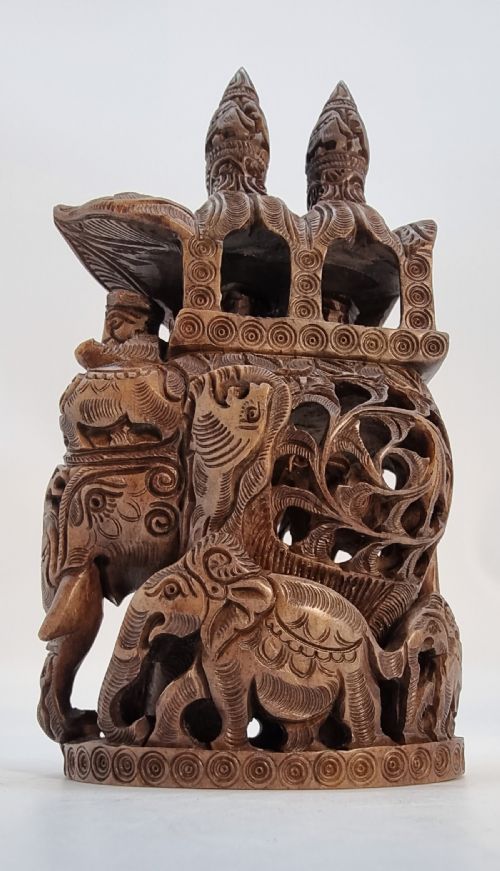


Antique Indian Figure
An antique indian figure brings centuries of craftsmanship into a room, spanning cast bronzes of Hindu deities and hand-carved hardwood animals from the nineteenth century.
Antique Indian Figure
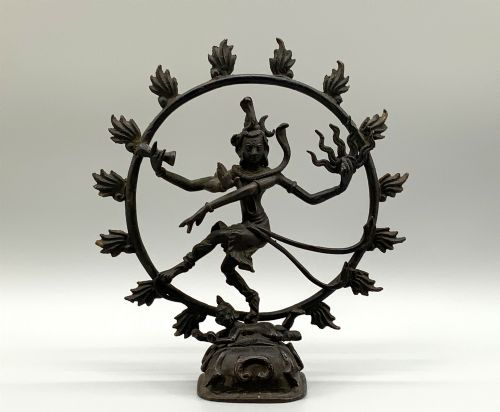
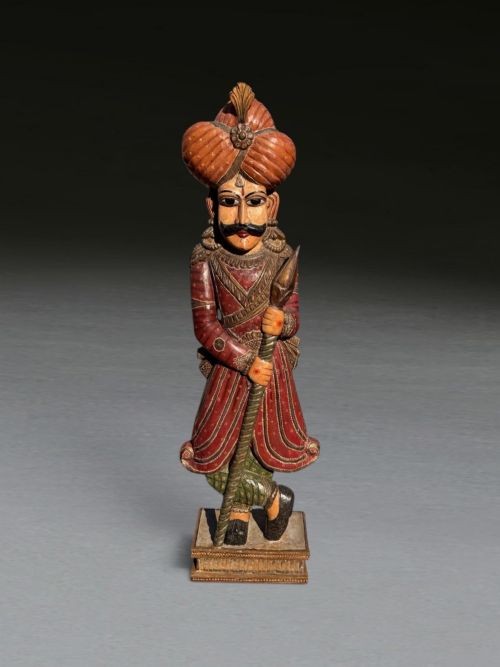
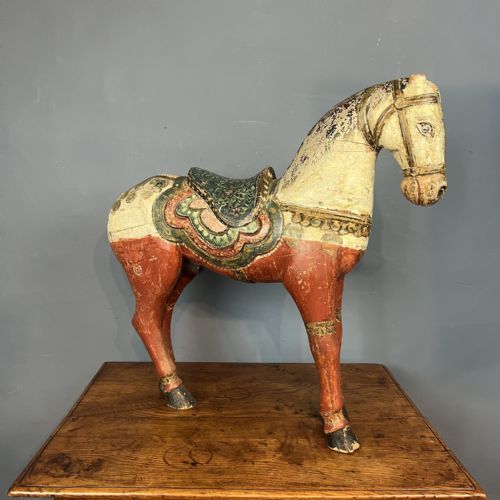
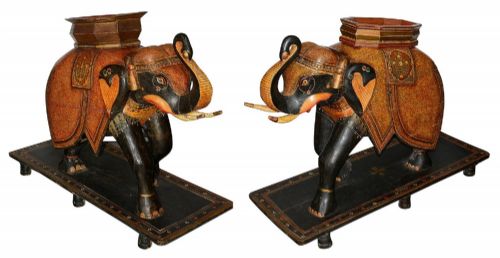
When you search for an antique indian figure, you encounter a diverse range of objects originating from the subcontinent, spanning centuries of artistic tradition. The selection includes cast bronze Hindu deities such as Shiva Nataraja and Ganesh, alongside carved wooden elephants, horses, and human subjects produced during the Raj period.
Most examples you meet on this page date from the nineteenth century, including works in bronze, teak, ebony, and painted wood. Alongside traditional religious sculptures and processional animals, the category accommodates utilitarian items like bookends and presentation trophies sharing the same stylistic roots.
Materials and construction methods
Bronzes are typically produced using the lost-wax casting technique, allowing for intricate detail in the depiction of deities and riders. This method results in solid metal forms that often retain traces of ritual use or patination from handling.
Wooden items rely on hand-carving techniques applied to dense timbers such as teak, ebony, and hardwood. Artisans frequently added polychrome paint, lacquer, or gesso finishes to wooden sculptures of animals and human figures, creating richly textured surfaces.
Several elephants carry riders with remarkably stern expressions, as if deeply unimpressed by the traffic.
Factors influencing quality
In wooden and stone carvings, quality is evident in the proportion of the anatomy and the depth of relief work. Pieces retaining their original polychrome pigment or lacquer without extensive modern repainting hold greater merit for collectors.
Royal Worcester·James Hadley
The Antique Indian Figure Glossary
- Lost-wax casting
- A metal-casting method where a molten metal is poured into a mould that has been created by means of a wax model. Once the wax is melted away, the metal fills the cavity to form the sculpture.
- Polychrome
- The practice of decorating architectural elements, sculpture, or pottery in a variety of colours. On these pieces, it refers to the application of multiple paint pigments over wood.
- Raj period
- The period of direct British rule on the Indian subcontinent between 1858 and 1947. Items from this era often reflect a blend of traditional local motifs and British domestic utility.
- Pation
- A gloss or sheen on materials such as bronze, wood, or stone produced by age, wear, and handling. It indicates the gradual oxidation or surface change over decades.
Antique Indian Figure: Frequently Asked Questions
What materials are used for these figures?
The pieces utilise a variety of materials depending on their origin and function. Bronze is common for religious statues, while dense timbers like teak, ebony, and hardwood appear in animal carvings and bookends.
Other examples incorporate stone, alabaster, terracotta, or porcelain, sometimes enhanced with pigment, paint, or gesso finishes.
How do I date an antique indian figure?
Dating relies on stylistic indicators, material wear, and the specific casting or carving techniques employed. Nineteenth-century pieces often display specific patination on bronze and traditional tool marks on hardwood.
Reference to colonial periods, such as the Raj era, helps narrow the production window alongside any documented provenance or stylistic motifs typical of the 1800s and early 1900s.
How were bronze Hindu deities utilised?
Bronze figures of deities like Shiva and Ganesh served as objects of devotion within household shrines or temples. They were often portable to facilitate daily rituals and offerings.
Over time, many of these metal sculptures acquired a smooth surface sheen from repeated handling during worship ceremonies.
How do I care for wooden carvings?
Wooden figures require stable environmental conditions away from direct sunlight and extreme humidity changes. Keeping them in a consistent indoor climate prevents the timber from splitting or warping.
Dusting should be performed gently with a dry, soft cloth, avoiding commercial polishes that might damage original painted or lacquered surfaces.