


Ivory Porcelain Ornament
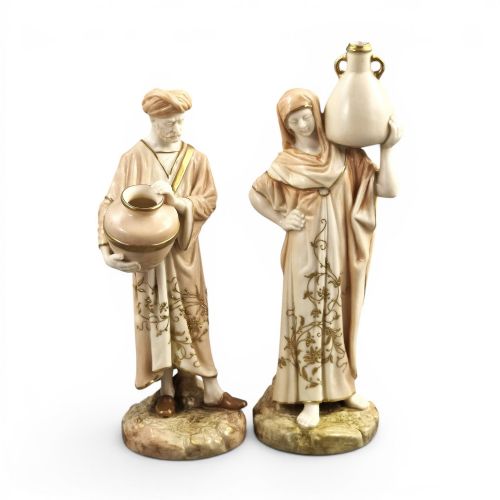
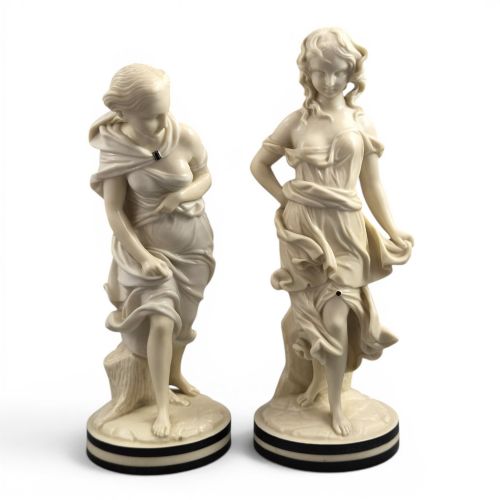
These ivory porcelain ornament pieces capture the delicate blush and sculptural grace that Victorian and Edwardian makers mastered.
Ivory Porcelain Ornament
When you search for an ivory porcelain ornament, you are looking at figurative ceramics spanning the Victorian and Edwardian eras. The listings feature figures, statuettes, and jardinieres originating from British potteries like Royal Worcester.
You will most commonly meet glazed porcelain figures depicting classical maidens, water carriers, and orientalist subjects. These pieces range from nineteenth-century sculptural works by James Hadley to later twentieth-century models.
The objects combine detailed modelling with muted ivory tones, often highlighted with gold leaf or enamel. They serve primarily as decorative mantel or cabinet pieces rather than functional wares.
Materials and methods
Makers utilised fine porcelain bodies covered with a characteristic blush ivory glaze to achieve a warm, matte surface. This specialised glaze took colour softly, allowing painters to tint cheeks and robes with subtlety.
Gilding and gold leaf were applied to borders, drapery, and bases by hand. Enamel details were then fired onto the porcelain to add contrast to the neutral ivory tones.
Victorian modellers occasionally added tiny lizards onto tree stumps just to test the limits of fine ceramic detail.
Judging the work
Quality rests entirely on the crispness of the moulding and the delicacy of the hand-painting. Superior examples retain fine facial expressions and precise details in the hair and drapery without blurriness in the glaze.
The application of the blush ivory ground and gilding sets the better pieces apart from standard production. Softer, more naturalistic flesh tones and careful placement of gold leaf indicate superior craftsmanship.
Royal Worcester·James Hadley·Royal Dux·Kerr and Binns
The Ivory Porcelain Ornament Glossary
- Blush ivory glaze
- A warm, cream-coloured ceramic finish developed in the nineteenth century to mimic natural ivory. It provides a soft ground for subtle hand-tinting.
- Parian ware
- A fine-grained, unglazed porcelain resembling white marble, often used for nineteenth-century sculptural figures. It takes its name from Parian marble.
- Jardiniere
- A large ornamental pot or stand intended for holding plants or flowers. These ceramic vessels often feature sculptural figures applied to the sides.
- Enamel
- A decorative vitreous composition fused to the surface of porcelain by firing. It adds durable colour accents to robes and decorative borders.
Ivory Porcelain Ornament: Frequently Asked Questions
What is blush ivory porcelain?
Blush ivory is a specialised ceramic glaze introduced during the Victorian period that creates a warm, creamy background resembling elephant ivory.
Potters used this finish to give figures and jardinieres a soft, matte appearance that accepted delicate hand-painting on cheeks and drapery.
How do I date these figures?
Dating relies on maker marks stamped or painted on the underside, which changed systematically through the Victorian and Edwardian periods.
Stylistic cues such as classical drapery or orientalist themes also help narrow down the decade of production.
Where were these ornaments displayed?
These decorative pieces were designed for display on mantelpieces, side tables, and within glass-fronted cabinets in middle and upper-class homes.
Larger jardinieres and figure pairs were often placed on pedestals or prominent surfaces in Victorian drawing rooms.
Are these figures glazed or matte?
Most pieces feature a characteristic soft matte or satin glaze known as blush ivory, which avoids the high gloss of traditional table ceramics.
Selected areas like hair, eyes, or gilding received gloss treatments to create contrast against the warm ivory body.