


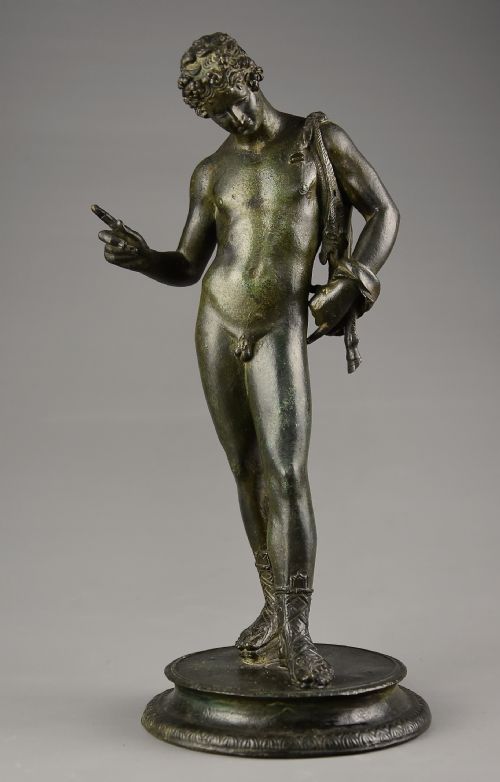


Late Victorian Figurine
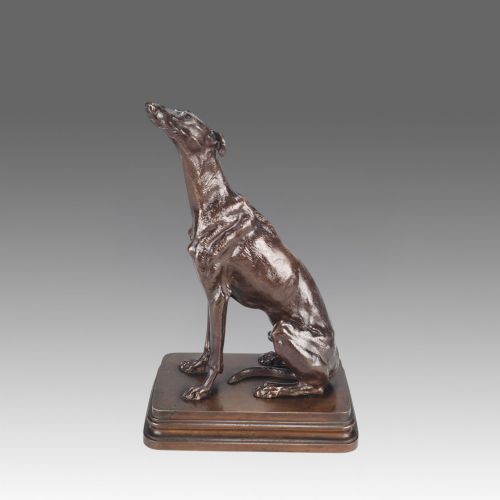
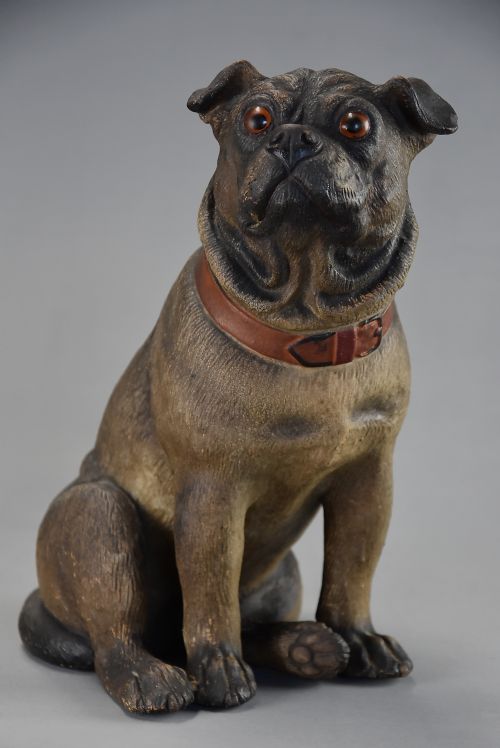
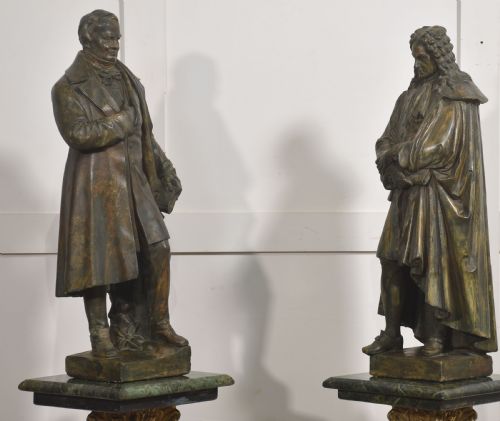
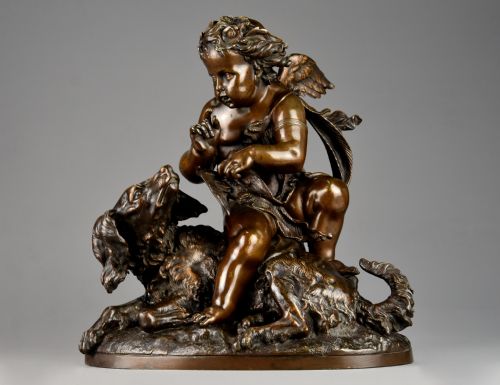
When you search for late victorian figurine, you uncover small sculptures in bronze, porcelain, and terracotta capturing the tastes of the late nineteenth century.
Late Victorian Figurine
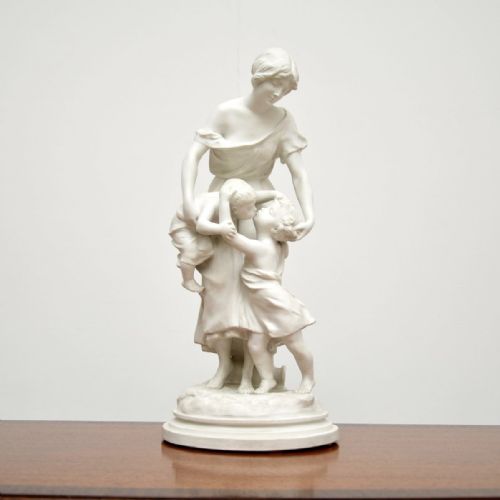
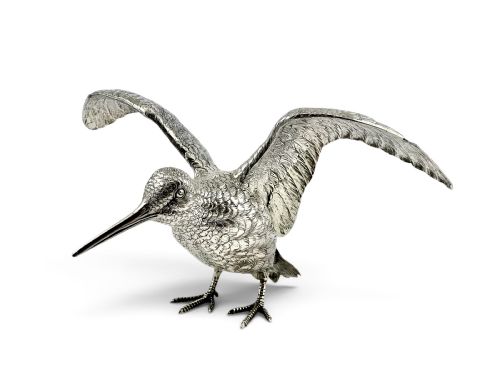
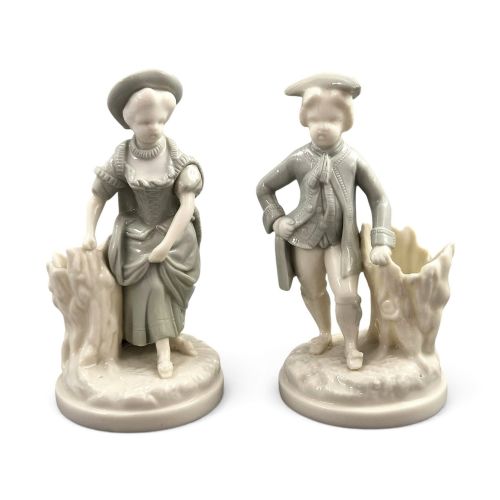
A late victorian figurine encompasses sculptural works produced during the closing decades of the nineteenth century, spanning classical subjects, animal studies, and decorative figures. The pieces on this page bring together British porcelain works, continental bronzes, and terracotta studies originating from major European workshops.
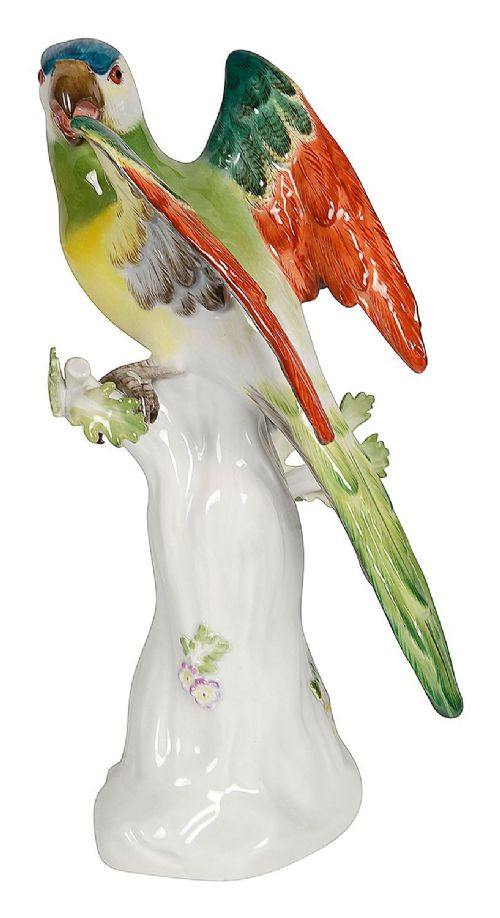
Buyers will encounter items ranging from Royal Worcester figures and Meissen parrots to French animalier bronzes and parian ware studies. These objects reflect the diverse manufacturing output of the period, combining domestic ornamentation with naturalistic and allegorical subjects.
Materials and construction methods
Makers utilised cast bronze with patination, alongside unglazed bisque porcelain known as parian ware, to achieve fine detail in human and animal forms. Terracotta and majolica pottery also appear frequently, shaped through moulding and hand-finishing before receiving glazes or colour layers.
Metal sculptures often relied on the lost-wax casting method for bronze figures mounted on marble bases, while ceramic works combined slip-casting with painted enamel highlights and gold leaf accents.
Listings span bronze, porcelain, enamel, terracotta, bisque porcelain, glaze, gold leaf, and marble across the nineteenth century.
Factors determining quality
Scale and complexity also influence the standing of an object, with multi-figure groups and larger-scale terracotta busts demonstrating greater technical ambition than simpler single-form shelf ornaments.
Alfred Dubucand·Jules Moigniez·James Hadley·Alfred Grevin·Sir Thomas Brock·Arthur Waagen·Carl Kauba
The Late Victorian Figurine Glossary
- Animalier
- A nineteenth-century artistic genre focusing on the realistic depiction of animals, particularly dogs, horses, and wild beasts in motion or repose.
- Parian ware
- A type of fine-grained, unglazed porcelain resembling white marble, developed in Britain during the nineteenth century for classical and figurative sculptures.
- Patination
- The surface colour or sheen applied to bronze through chemical means or natural ageing, creating distinct dark green, brown, or black tones.
- Terracotta
- A porous, brownish-red earthenware clay that is fired and used unglazed or painted for busts, figures, and decorative architectural ornaments.
Late Victorian Figurine: Frequently Asked Questions
What materials were used for these figures?
Makers worked primarily in bronze, porcelain, terracotta, and parian ware, sometimes adding enamel, gold leaf, or marble bases.
These varied materials allowed workshops to produce everything from durable metal animal studies to delicate ceramic portrait figures.
How can I tell the period of a figurine?
Stylistic clues such as naturalistic animalier subjects, aesthetic movement influences, and classical neoclassical forms help place pieces in the late nineteenth century.
Many ceramic works also bear factory ciphers, registration numbers, or date marks stamped into the base.
Where were these pieces manufactured?
Production centred across Britain and continental Europe, with notable contributions from English potteries, French bronze foundries, and German porcelain works.
Items often reflected international tastes, incorporating themes from the Grand Tour alongside domestic Victorian subjects.
How should I care for bronze and porcelain?
Dust bronze gently with a soft cloth and avoid chemical polishes that can strip the original patination from the metal.
Porcelain and terracotta pieces require careful handling away from direct moisture to protect painted enamels and unglazed surfaces.