



Blush Ivory China
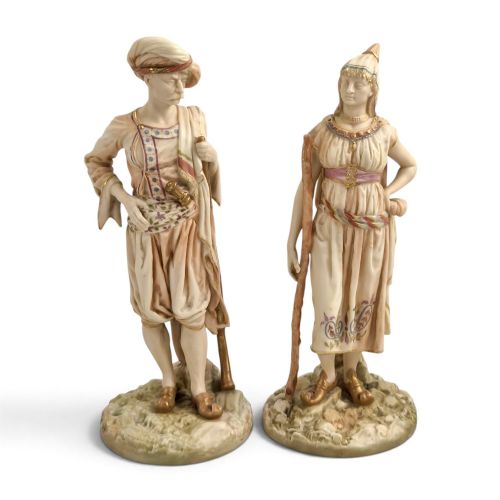
Blush ivory china comprises delicate ceramics featuring characteristic soft cream tones, prized by collectors for their subtle painted floral motifs and refined porcelain bodies.
Blush Ivory China
When buyers search for blush ivory china, they encounter decorative and functional ceramics produced primarily during the Victorian and Edwardian periods. These objects display a distinctive pale, creamy ground that mimics ivory rather than traditional brilliant white porcelain.
The selection on this page centres on items originating from factories such as Royal Worcester and Doulton Burslem. Forms range from domestic teacup sets and coffee pots to large decorative vases, urns, jugs, and loving cups.
Makers utilised this specific finish to create soft backgrounds for hand-painted botanical and figural subjects. Collectors most frequently meet pieces dating from the late nineteenth century through to the 1920s.
How blush ivory china was made
Potters shaped these objects using porcelain and earthenware bodies before applying specialised tinted glazes to achieve the signature creamy surface. Artisans then painted floral sprays, birds, or figures directly onto the unglazed or matte surface by hand.
Gilding and gold leaf highlights were frequently added to rims, handles, and borders to provide contrast against the soft ivory background. Enamel colours were fired onto the ceramic body to ensure durability of the delicate botanical details.
Blush Ivory China Retail Price Guide 2026
Typical asking prices for blush ivory china among the pieces listed under this phrase on Sellingantiques today, from the lower quarter to the upper quarter. They describe what is for sale here now, not the wider market.
Current listings feature porcelain and earthenware forms spanning the Victorian era through the Edwardian period and the 1920s.
What varies in quality
The distinction between standard production items and exceptional pieces lies in the complexity of the hand-painted decoration and the identity of the artist. Items featuring named decorators or intricate figural work command greater attention than simple floral patterns.
The crispness of the moulded details and the application of gilding also determine the overall standard of a piece. Finer examples retain bright, unrubbed gold leaf and delicate enamel work without fading or blurring across the ceramic surface.
Royal Worcester·Doulton Burslem·James Hadley·James Stinton·E Raby
The Blush Ivory China Glossary
- Blush ivory
- A soft, creamy ceramic glaze developed to imitate the warm tone of elephant ivory. This finish served as a matte background for painted decoration.
- Gilding
- The application of gold leaf or gold paint to ceramic surfaces. It highlights handles, rims, and borders on teacups and vases.
- Enamel
- Opaque glass-like coloured substances fused to the ceramic body during firing. Artists used enamels to paint permanent botanical and figural scenes.
- Earthenware
- Porous pottery fired at lower temperatures than porcelain. It forms the body of some larger utilitarian wash sets.
- Aesthetic Movement
- A late nineteenth-century design style emphasising visual beauty over narrative function. This aesthetic heavily influenced the floral decoration found on these ceramics.
Blush Ivory China: Frequently Asked Questions
What is blush ivory china?
Blush ivory china refers to ceramic items finished with a soft, matte cream glaze designed to resemble ivory. It was widely used as a canvas for hand-painted flowers and figures.
The style became particularly popular during the late Victorian and Edwardian eras, produced by prominent British potteries.
Who made blush ivory china?
The most notable manufacturer of blush ivory ceramics was Royal Worcester, alongside factories like Doulton Burslem. Individual artists often signed or marked their painted work on the base.
Pieces from these makers span teacups, vases, and large decorative table items from the nineteenth and early twentieth centuries.
How do I date blush ivory china?
Dating relies on manufacturer date codes stamped or painted on the underside of the ceramic body. Stylistic details and registration numbers also help narrow down the production year.
Victorian and Edwardian examples typically feature specific printed factory ciphers that changed annually.
How should I clean blush ivory china?
Clean these delicate ceramics gently using lukewarm water and a mild, non-abrasive detergent. Avoid harsh scrubbing, particularly around areas with raised gilding or hand-painted enamel details.
Hand washing is essential to preserve the matte finish and prevent damage to the historic surface decoration.