


James Hadley Figure
A james hadley figure brings tactile nineteenth-century character to a room through meticulous modelling and distinctive porcelain decoration.
James Hadley Figure
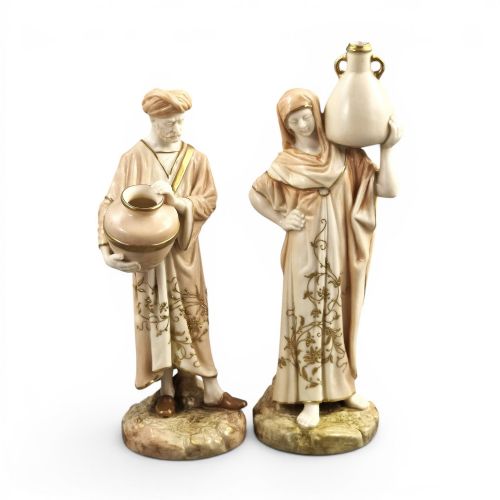
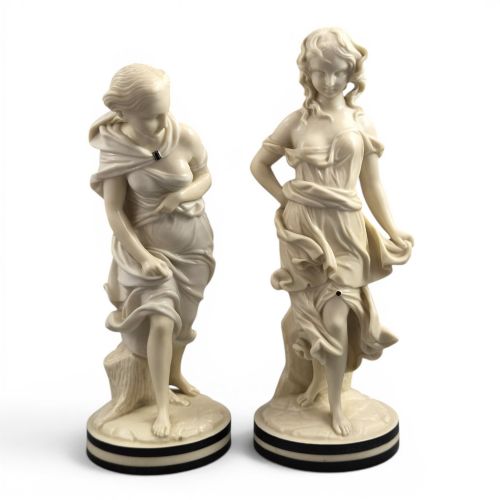
A james hadley figure represents the pinnacle of late-Victorian and Edwardian ceramic artistry, typically produced during the modeller's tenure with the famed Worcester manufactory. Collectors encounter diverse subjects ranging from classical maidens and allegorical wind figures to orientalist water carriers and character studies of regional figures.
The objects span candlesticks, candelabra, and standalone figurines displaying styles from Victorian Orientalism and the Aesthetic Movement to Classical Revival. The most frequent encounters on this page include detailed figures of musicians, water carriers, and historical or international character studies bearing Hadley's distinct touch.
Materials and Techniques
The pieces rely primarily on fine porcelain and specialised bodies such as Parian ware, which mimics carved marble through its unglazed matte surface. Manufacturers utilised delicate hand-painting, rich enamel work, and judicious applications of gold leaf, gilding, and gilt highlights to accentuate costume details and textures.
A defining technical achievement visible in these works is the blush ivory glaze, a creamy, subtle ground developed at Worcester that took colour gently and provided a soft backdrop for polychrome enamel details. Patent metallic finishes also appear on select orientalist subjects, adding a bronze-like sheen to metallic accessories and garments.
Among the global travellers and historical figures modelled by Hadley, a cheerful Irishman named Paddy stands ready to brighten the shelf.
Factors That Separate Examples
Quality in a james hadley figure rests primarily on the crispness of the original modelling and the ambition of the subject matter. Complex multi-figure groups, intricate orientalist subjects with elaborate props, and large-scale candelabra demonstrate superior sculptural execution compared to simpler single-figure iterations.
The success of the hand-painting and the preservation of delicate enamel and gold leaf accents also define the upper tier of works. Examples retaining their original factory gilding without excessive rubbing or restoration hold a distinct advantage for collectors seeking pristine historical condition.
Royal Worcester
The James Hadley Figure Glossary
- Parian ware
- A fine-grained, unglazed porcelain developed to resemble carved white marble. It captures subtle muscle tone and drapery folds exceptionally well.
- Blush ivory glaze
- A proprietary creamy ceramic ground introduced at Worcester that absorbs soft pastel tints and provides a warm foundation for floral and scenic painting.
- Patent metallic
- A specialised finish creating a bronze or metal-like appearance on porcelain surfaces. It frequently appears on accessories within orientalist figural groups.
- Candelabra
- Branched lighting fixtures designed to hold multiple tapers. Hadley examples integrate figural sculpture directly into the support structure.
James Hadley Figure: Frequently Asked Questions
What periods do James Hadley figures come from?
The pieces span the Victorian and Edwardian eras, with production dates recorded from the eighteen-sixties through the early nineteen-hundreds. Most examples date from the late nineteenth century during the height of the modeller's association with Worcester.
Dates often appear as impressed or painted registry marks on the undersides, helping collectors pinpoint the exact year of manufacture.
How do I identify a James Hadley piece?
Look for the characteristic Worcester factory marks combined with Hadley signatures or recognizable model numbers. His work is distinguished by lifelike facial expressions, naturalistic drapery, and sophisticated handling of the blush ivory glaze.
Subjects often include ethnographic studies, classical allegories, and character figures with specific pattern numbers recorded in factory ledgers.
Where should I display these porcelain figures?
These pieces suit enclosed cabinets, mantelpieces, or dedicated display tables where adequate lighting reveals their fine modelling and enamel work. Stable placement away from heavy foot traffic protects delicate elements like outstretched hands and candlesticks.
Pairing matching candelabra on a sideboard or mantel creates a balanced period arrangement.
How should I clean my porcelain figure?
Remove dust gently using a soft, dry artist's brush rather than liquid cleaners or abrasive cloths. Moisture can damage delicate hand-painted enamels and historic gilding.
Regular, careful dusting prevents grime accumulation without risking the fragile surfaces of the glaze.