
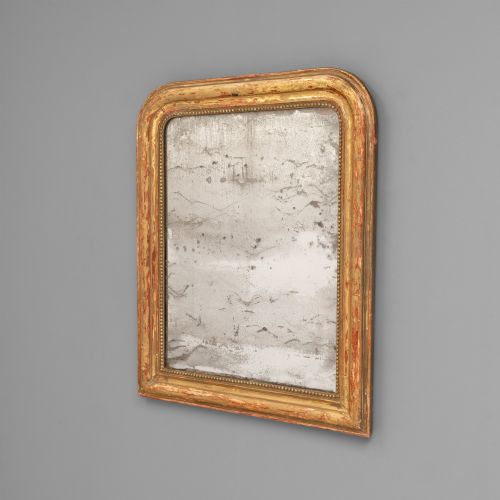
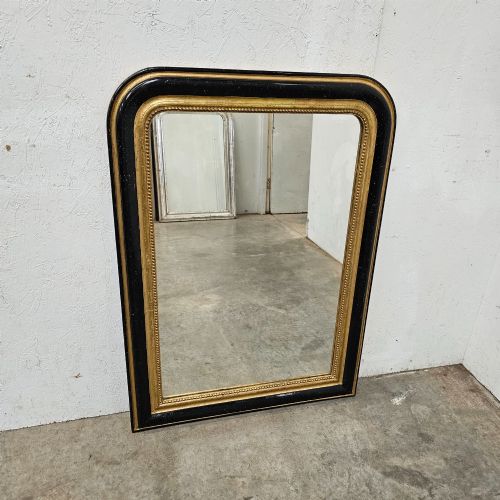

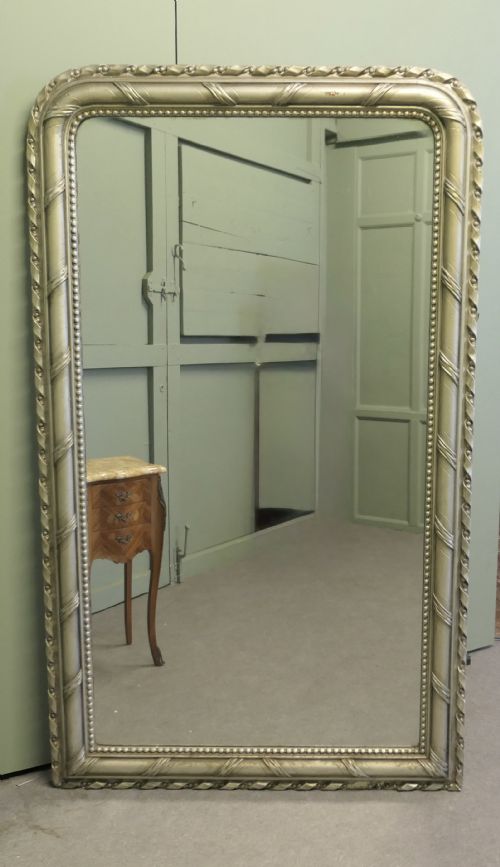

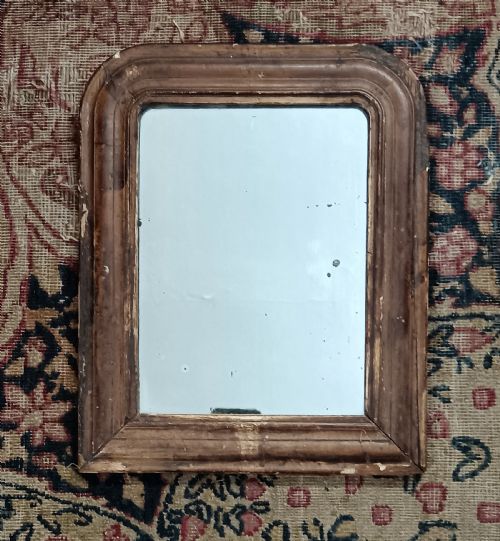


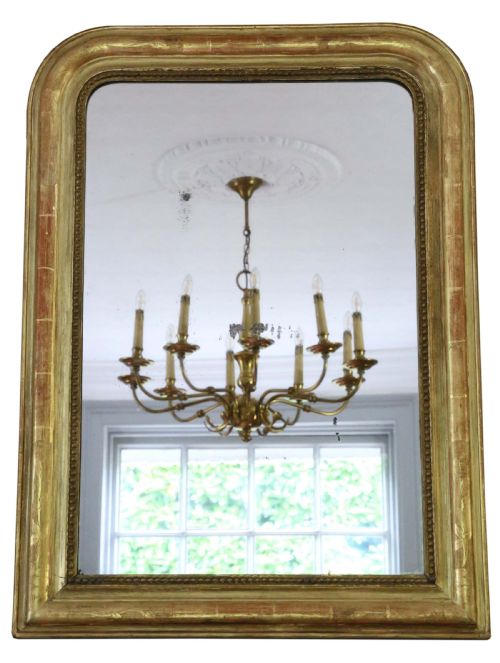


Rounded Corner Wall Mirror
These rounded corner wall mirror examples combine French Louis Philippe and Victorian styles, offering reflective depth for period interiors.
Rounded Corner Wall Mirror
A rounded corner wall mirror brings together nineteenth-century French and Victorian design, frequently taking the form of a tall overmantel or an arched wall hanging piece. These items dominate the selection, spanning periods from eighteen-fifty to nineteen-forty with distinct architectural proportions.
Buyers encounter substantial wall mirrors and petite arched examples alike, framed in gilded or painted wood. The forms draw heavily on Louis Philippe and French Chateau traditions, offering straightforward geometry alongside softened upper corners.
How they were made
Carved wood provides the structural core for these frames, often enhanced with applied gesso to build up decorative mouldings. Artisans then applied silver leaf, gold leaf, or standard gilt finishes to achieve the desired metallic lustre.
Glass plates are set within these wooden and gesso structures, occasionally accompanied by burr walnut veneers in Victorian examples. Paint finishes also appear across the nineteenth-century selection, sealing the timber frames.
Listings feature pieces spanning the nineteenth century up to nineteen-forty, utilising materials such as gesso, giltwood, and burr walnut.
What varies in quality
The refinement of the carved wood and the application of gold leaf or silver leaf distinguish finer examples from standard production. Superior execution shows in the crispness of the arched top and the harmonious proportions of the frame.
The choice of primary material also marks differentiation, as burr walnut framing or heavy carved gesso indicates substantial workshop input. Scale influences distinction too, moving from petite formats to massive overmantel pieces.
The Rounded Corner Wall Mirror Glossary
- Louis Philippe
- A mid-nineteenth-century French style characterised by understated elegance, simple lines, and characteristic rounded upper corners on mirrors.
- Overmantel mirror
- A large wall mirror specifically proportioned to hang above a fireplace mantelpiece.
- Gesso
- A plaster-like mixture applied to wood frames to create a smooth surface for gilding or painting.
- Giltwood
- Timber that has been coated with gold leaf or gold paint to give a metallic finish.
- Burr walnut
- A figured wood veneer prized by Victorian cabinet makers for its rich, swirling grain patterns.
Rounded Corner Wall Mirror: Frequently Asked Questions
How do I hang a heavy overmantel mirror?
These large nineteenth-century frames require secure wall anchors fixed directly into masonry or substantial timber studs.
Given the combined weight of the wood, gesso, and glass, professional installation ensures the piece remains safely supported.
Where should I place a French mirror?
Louis Philippe mirrors work effectively above fireplaces, console tables, or hung opposite windows to amplify natural light.
Their vertical proportions help draw the eye upward, making smaller rooms appear more expansive.
What defines a Louis Philippe frame?
The style is easily recognised by its subtle arched top and softened upper corners, eschewing excessive ornamentation for clean lines.
This restraint allows the gilt or silver leaf finish to remain the primary visual focus.
How do I clean an antique glass plate?
Use a soft microfibre cloth and a mild glass cleaner sprayed onto the cloth rather than directly onto the antique surface.
Take care near the edges where silvering may have degraded over the decades.