


Vintage Floor Standing Mirror
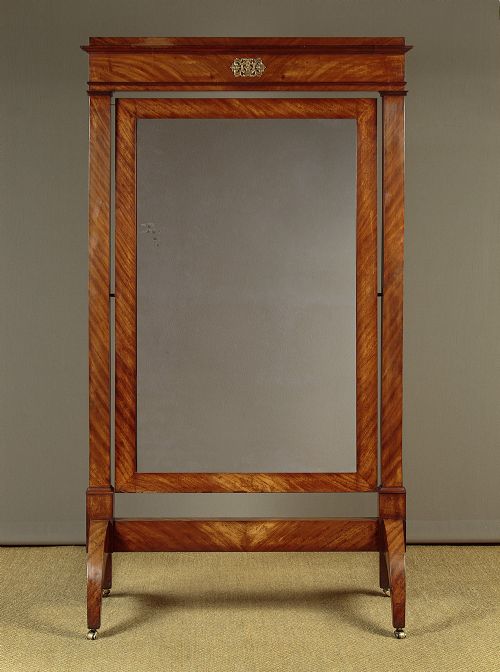
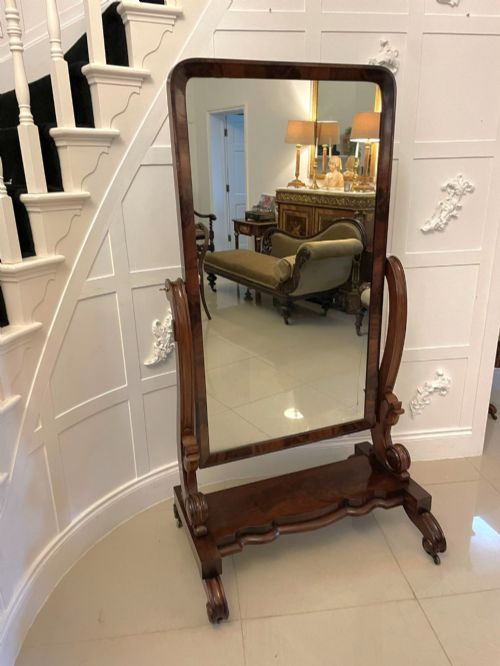
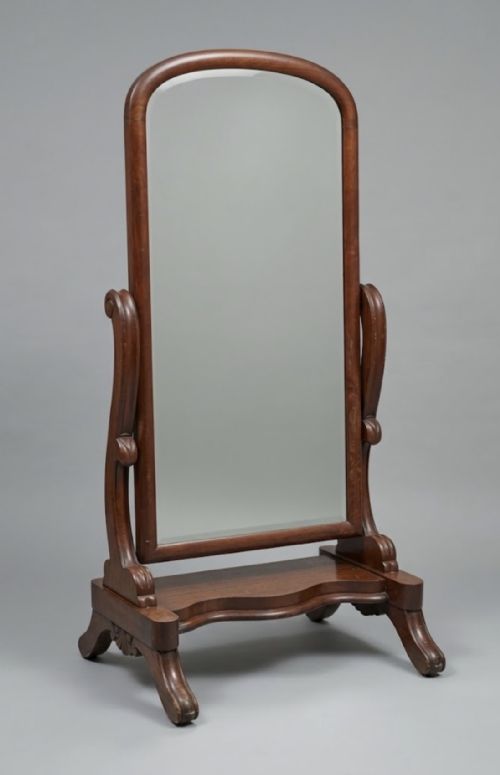
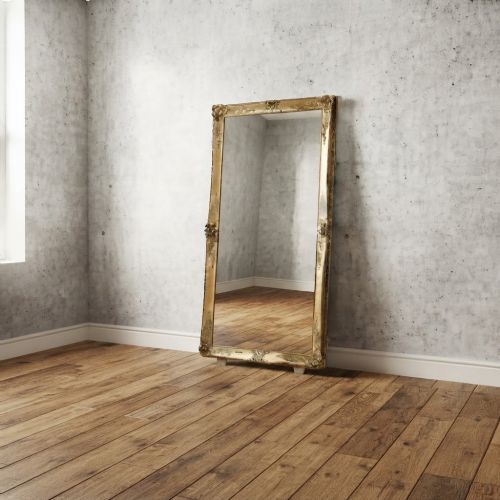
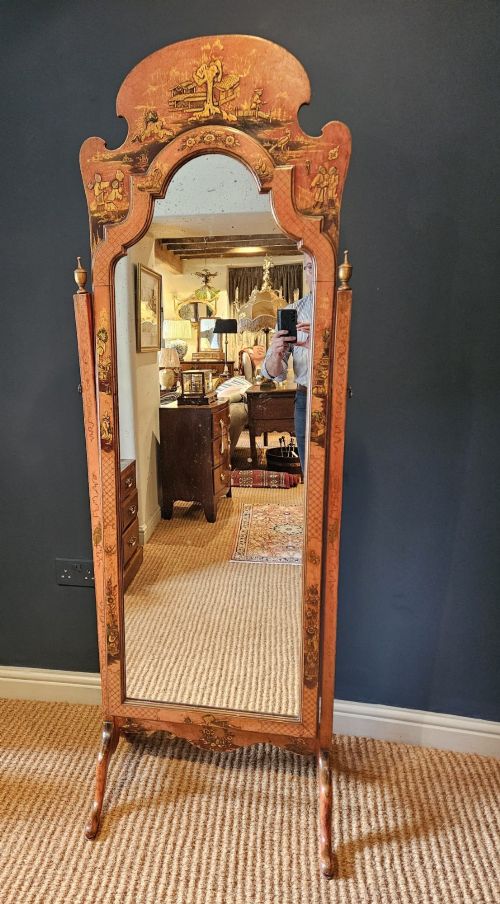
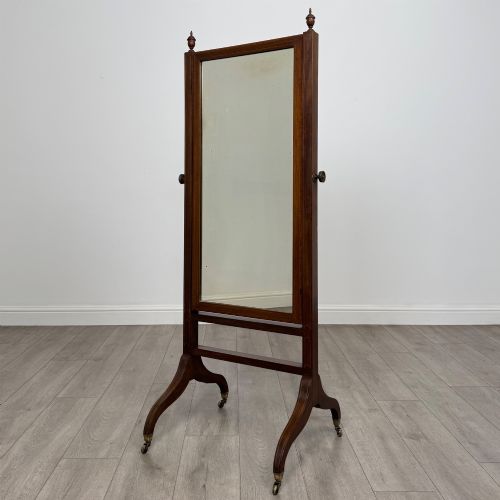
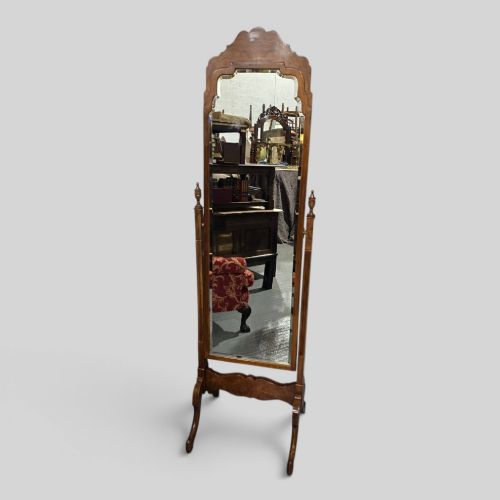
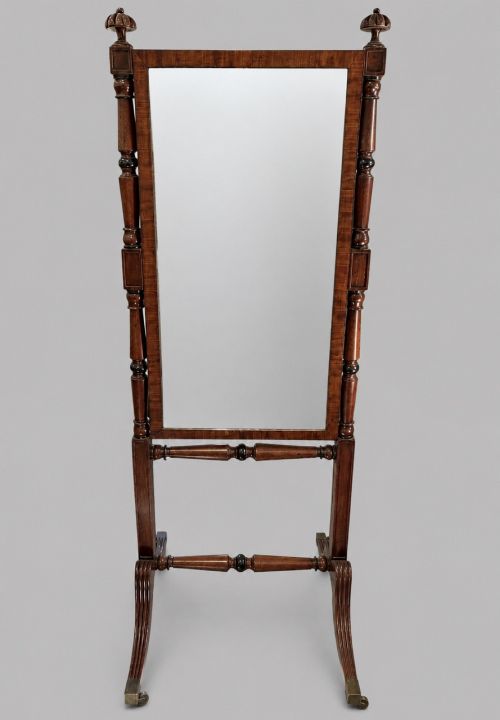
These vintage floor standing mirror pieces combine reflective glass with timber and metal to give full length views in any room.
Identifying these pieces
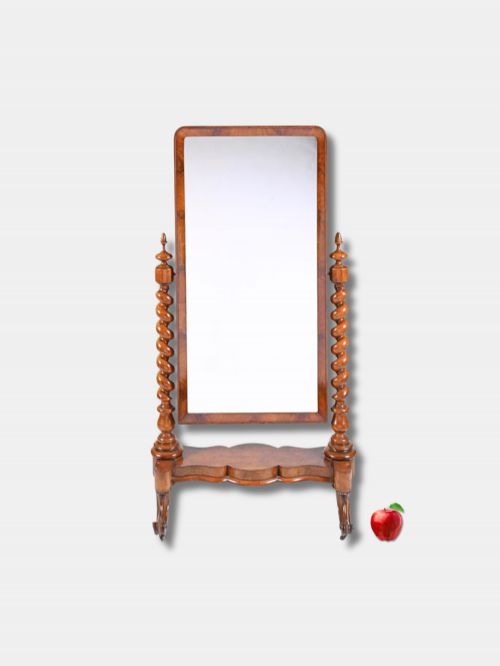
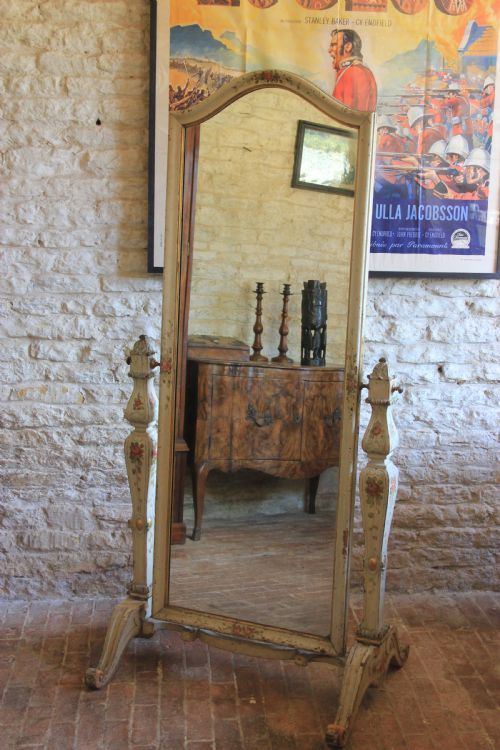
A vintage floor standing mirror serves as a large reflective surface supported independently on the floor, often tilting or leaning. When buyers search for a vintage floor standing mirror, they encounter items designed to show a full figure reflection.
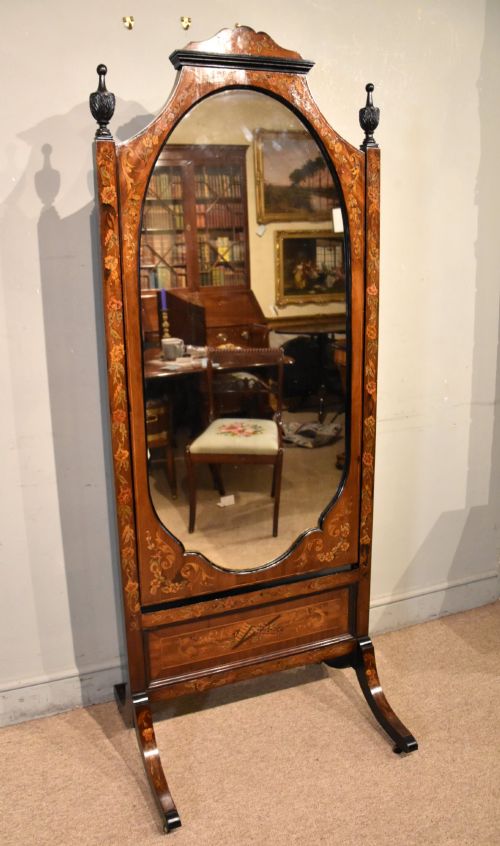
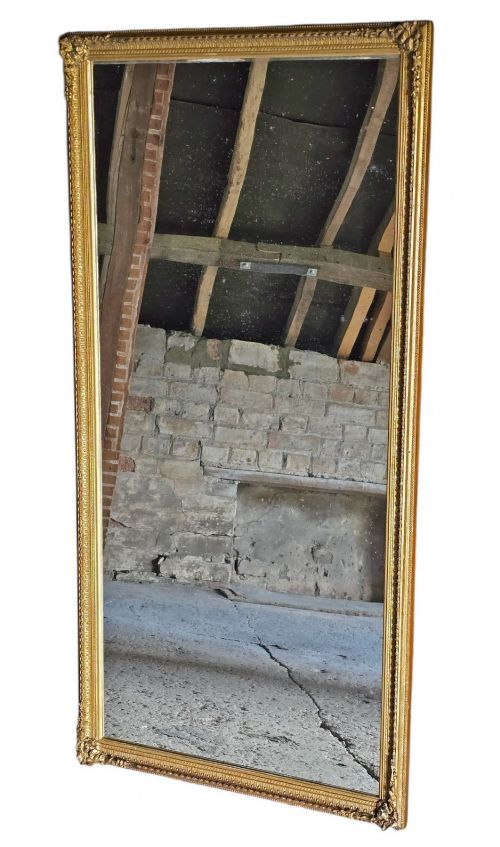
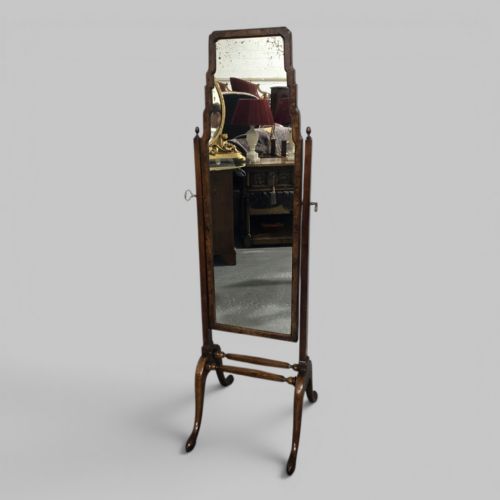
The selections span several distinct periods including the eighteenth century, nineteenth century, and the nineteen twenties. Forms vary between pivoted cheval mirrors and large leaner frames positioned directly against a wall.
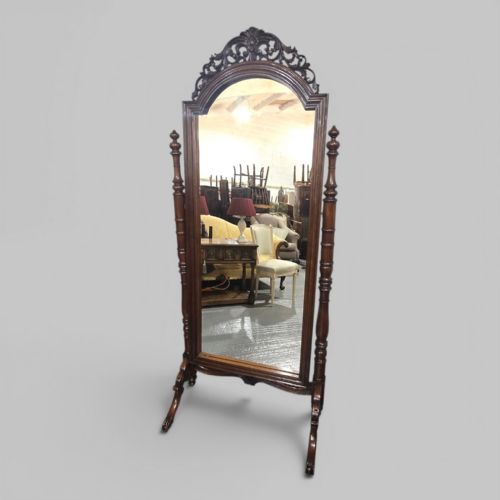
Origin details point heavily towards French and Victorian aesthetics, encompassing Louis XVI, Louis Philippe, Art Deco, and French Chateau styles. Mahogany frames and carved wood structures dominate the inventory.
Cheval mirrors feature a central plate suspended within a freestanding wooden frame supported by four feet. Leaner mirrors rely on their heavy timber construction to rest securely at an angle.
Materials and construction
Makers construct the main framework using dense timbers such as mahogany and general wood, paired with decorative applications of gesso, plaster, and giltwood. Carved wood details define the ornate French and Victorian examples.
Reflective surfaces utilise traditional glass, occasionally incorporating mercury silvering for the older nineteenth century plates. Brass components frequently form the pivots and hardware that allow cheval mirrors to tilt.
Retail Price Guide 2026
Typical UK retail prices for vintage floor standing mirror, calculated from the Sellingantiques database of over a million retail prices indexed since 2003. This retail price guide relies exclusively on Sellingantiques data; no external sources or auction records are used, so the figures do not describe the wider market.
French Chateau and Louis Philippe styles appear alongside Victorian designs and nineteen twenties black framed mirrors.
Judging the standard
Quality rests in the depth of the wood carving and the crispness of the gesso application on the frame. Finer pieces display hand carved floral or architectural motifs rather than cast resin substitutes.
The clarity and age of the glass plate dictate the upper tier of examples, particularly where original mercury silvering survives intact. Sturdiness of the supporting frame and the smooth action of brass swivel pivots complete the assessment.
The Vintage Floor Standing Mirror Glossary
- Cheval mirror
- A freestanding mirror suspended on vertical pivots within a wooden frame, allowing the glass to tilt. This design gained immense popularity during the Georgian and Victorian eras for bedroom dressing.
- Mercury silvering
- An older method of backing mirror glass using a tin and mercury amalgam before safer chemical silvering processes took over. It produces a mottled, dark reflective quality cherished by collectors.
- Leaner mirror
- A large tall mirror designed to rest directly against a wall without wall fixings. These heavy frames rely on their own weight and base proportions for stability.
- Gesso
- A plaster mixture applied to wood frames to create a smooth surface for gilding or painting. Artisans carve fine details directly into this layered material.
Frequently Asked Questions
How do I secure a heavy floor mirror?
Most floor standing mirrors rely on their substantial weight or frame design to remain stable on flat surfaces. Leaner mirrors lean safely against vertical walls when positioned correctly.
For added security, concealed brackets can anchor the top of the frame to the wall studs without altering the vintage appearance.
What is the difference between cheval and leaner mirrors?
A cheval mirror operates on a central pivot supported by a dedicated frame with its own feet. This allows the user to tilt the glass angle freely.
Leaner mirrors lack a supporting stand and rest directly against a wall at a fixed angle, usually offering a wider viewing surface.
How can I date an antique floor mirror?
Dating relies on examining the timber species, joinery methods, and the backboards of the frame. Mahogany and heavy oak point towards specific nineteenth century periods.
The type of glass and silvering method also provide clear clues to the manufacturing decade.
Can these mirrors be used in bathrooms?
Placing these antique pieces in high humidity environments risks damaging the timber frames and the historic silvering on the glass. Excessive moisture softens old gesso and causes wood to warp.
Dry rooms such as bedrooms, hallways, and living spaces provide the ideal environment for preservation.