

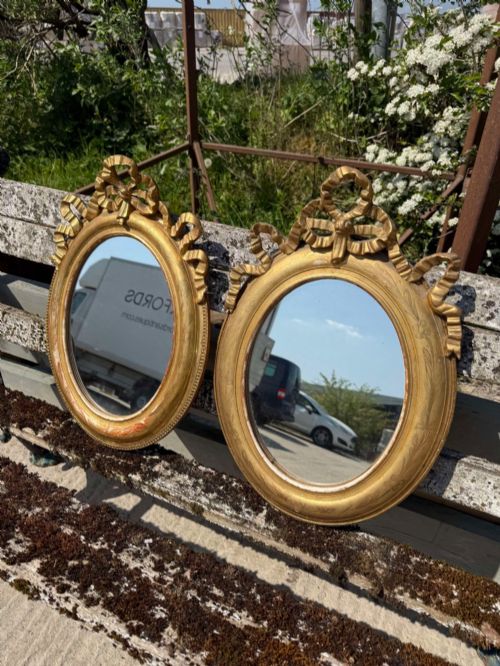
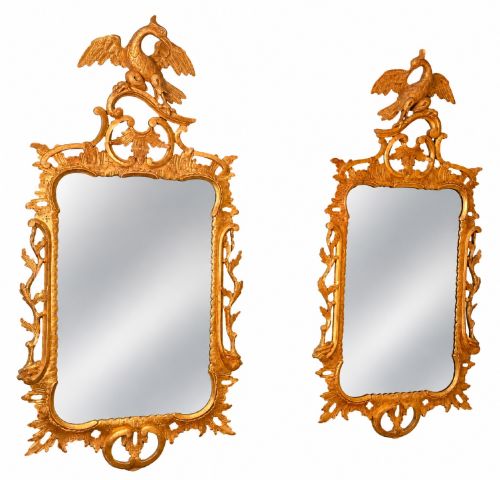
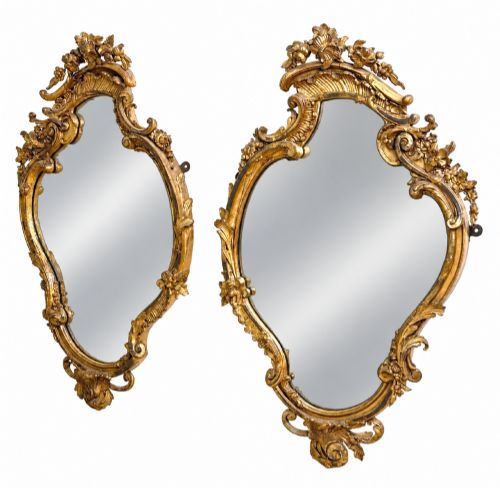
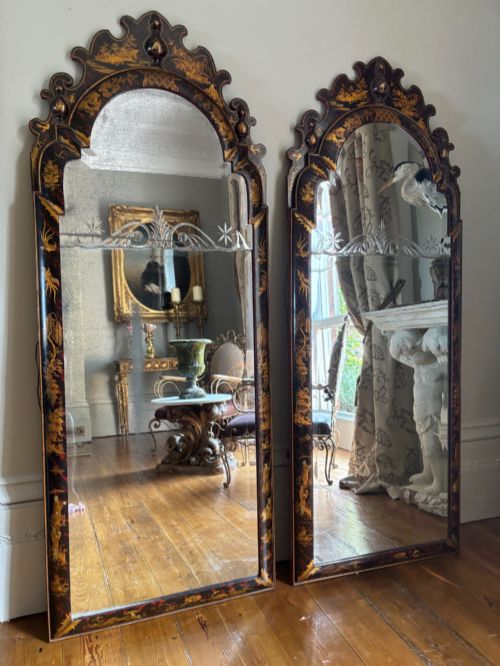
Antique Gilded Mirror Pair
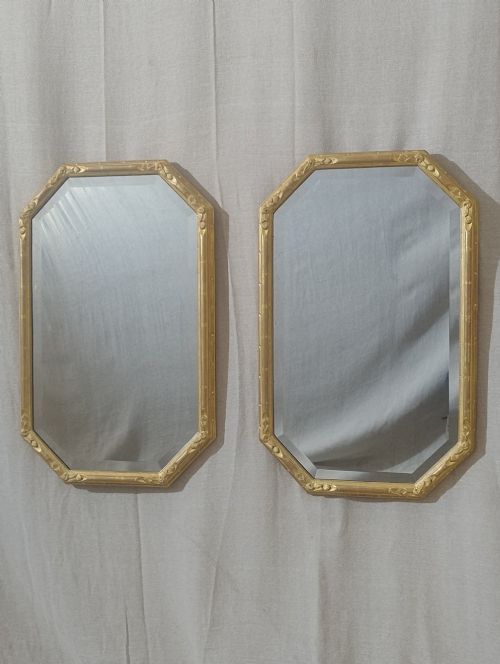
An antique gilded mirror pair brings balanced symmetry and reflected light to a room, spanning styles from Regency to Rococo Revival.
Antique Gilded Mirror Pair
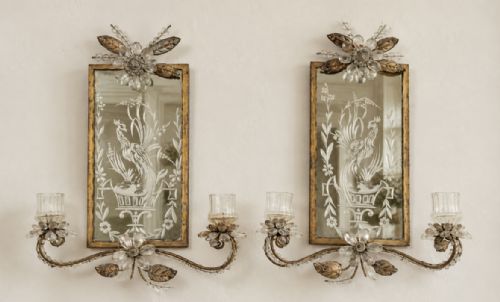
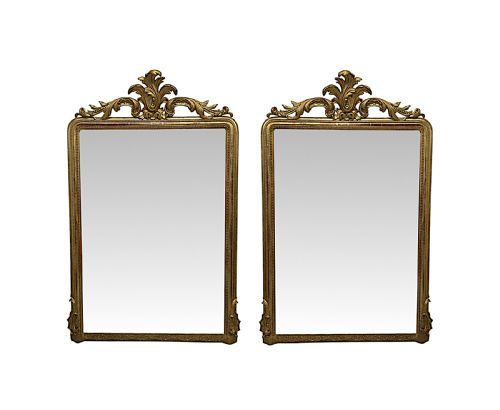
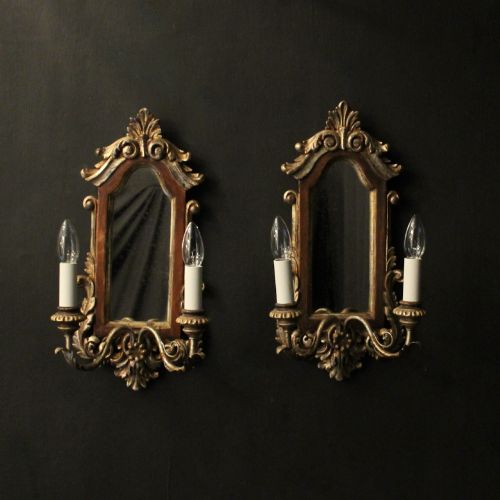
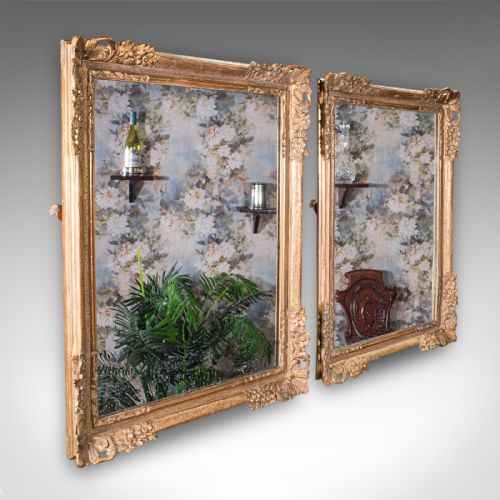
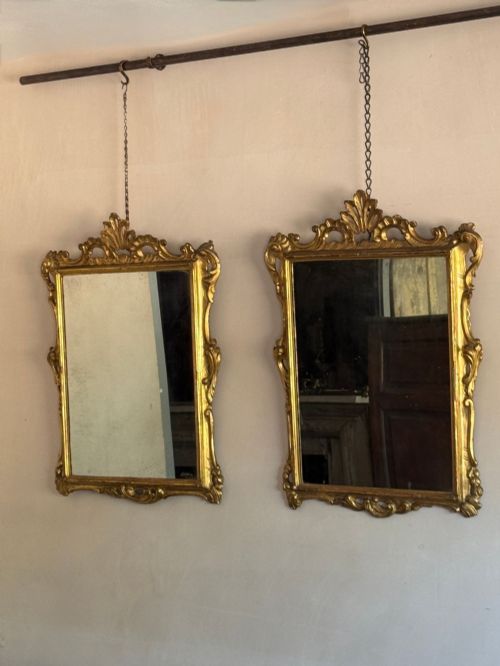
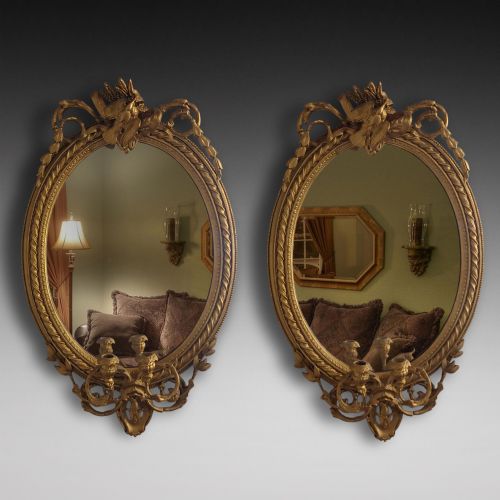
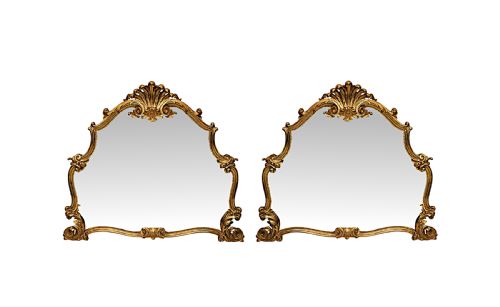
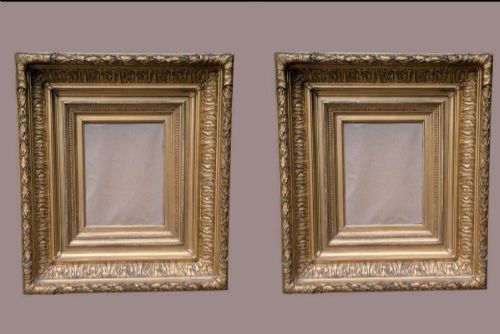
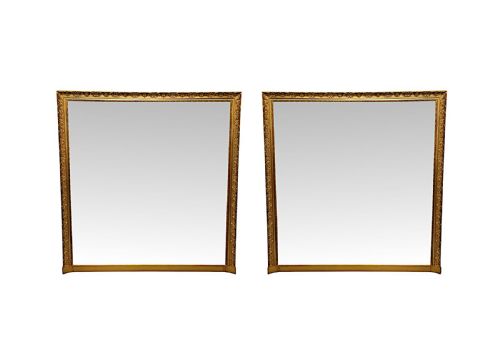
An antique gilded mirror pair consists of twin matching looking glasses designed to hang together, bringing balance to a room. When searching for an antique gilded mirror pair, buyers encounter formats ranging from grand pier glasses and overmantel designs to smaller girandoles and oval wall frames.
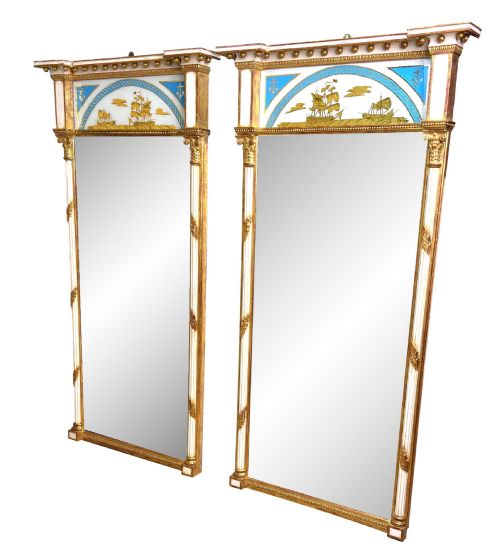
The pieces appearing on this page stretch across multiple centuries and stylistic revivals, including Victorian, Regency, and 18th century Venetian or Italian Baroque work. These matching sets typically served to flank a fireplace, window, or piece of furniture in formal drawing rooms and parlours.
Makers and workshops across England, France, and Italy produced these dual looking glasses for symmetrical interior schemes. Surviving examples demonstrate how paired frames were utilised to maximise light distribution in period properties.
How they were made
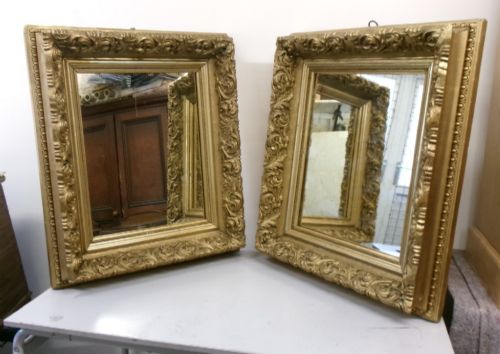
Makers constructed the structural frames of an antique gilded mirror pair from timbers such as pine or hardwood, applying layers of gesso to build up intricate surface ornamentation. Artisans then carved details like vine leaves, scrolls, and classical motifs directly into the prepared ground.
Guilders applied thin sheets of gold leaf or gilt paint over the prepared surfaces, often burnishing specific areas to create contrasting matte and bright finishes. Water gilding provided a particularly reflective and durable sheen on higher-end frames, whilst composition moulding allowed for repetitive ornamental details on later Victorian and Edwardian pieces.
Mirror glass of the period was set into the rabbet from the rear, secured with wooden backing boards that often show age-appropriate shrinkage and hand-cut fixings.
Antique Gilded Mirror Pair Retail Price Guide 2026
Typical asking prices for gilded mirror pair among the pieces listed under this phrase on Sellingantiques today, from the lower quarter to the upper quarter. They describe what is for sale here now, not the wider market.
The listings span the 18th century, Regency, Victorian, and Edwardian periods, utilising materials including giltwood, gesso, composition, and brass.
What varies in quality
The distinction between ordinary and exceptional examples rests in the crispness of the hand-carving and the depth of the gesso relief. Superior frames display sharp, undercut foliage and ornamentation rather than soft, moulded composition details that lack definition.
Originality of the gilding surface and the mirror plate dictates the standing of a piece within its period. High-quality pairs retain their original water gilding with minimal overpainting, paired with period mirror glass showing natural foxing rather than modern replacements.
The Antique Gilded Mirror Pair Glossary
- Giltwood
- Timber that has been decorated with gold leaf or gold powder. This material forms the primary structure of finer antique looking glasses.
- Gesso
- A plaster mixture applied to wooden frames as a base for gilding. Artisans carved intricate details directly into this smooth layer.
- Girandole
- A decorative wall mirror featuring attached candle sconces. These fixtures multiplied the reflected light in candlelit rooms.
- Pier glass
- A tall mirror designed specifically for placement on the wall space between windows. They frequently matched console tables placed below.
- Overmantel
- A wide mirror intended to hang directly above a fireplace mantelpiece. These pieces often anchor the decorative scheme of a formal reception room.
Antique Gilded Mirror Pair: Frequently Asked Questions
How do I hang heavy giltwood pairs safely?
Heavy frames require sturdy wall anchors fixed directly into masonry or solid studs. Professional mirror hangers utilise split battens or heavy-duty D-rings distributed evenly across the timber backing to support the combined weight.
Ensuring the hanging wire or chain is correctly rated prevents undue stress on the antique structure. Position the pair at a height where the centre of the glass aligns with eye level for optimal visual balance.
Can I clean antique mirror glass?
Clean mirror glass gently using a soft microfiber cloth and a mild, ammonia-free glass cleaner applied to the cloth rather than directly onto the surface. Avoid spraying liquid near the edges where it can seep behind the silvering and cause accelerated deterioration.
Take care not to let cleaning solutions touch the surrounding giltwood frame, as moisture damages delicate gold leaf and gesso. Regular dusting with a dry, soft brush keeps the carved details clear of debris.
How do I tell Regency from Victorian pairs?
Regency mirrors typically display restrained Neoclassical influences, featuring clean architectural lines, reeded columns, and ball-accented cornices. The carving is precise and draws heavily on ancient Greek and Roman motifs.
Victorian and Rococo Revival examples embrace exuberant, asymmetrical curves, naturalistic foliage like vine leaves, and heavy scrollwork. The decorative elements on Victorian frames are often cast in composition material rather than hand-carved.
Where should I place a mirror pair?
A mirror pair works best when hung symmetrically on either side of a fireplace, doorway, or large piece of furniture. This placement creates a sense of expanded space and bounces natural light across the room.
Positioning the pair opposite a window maximises illumination during daylight hours. Ensure the surrounding wall is free from excessive dampness to protect the wooden substrates and historic gilding.