



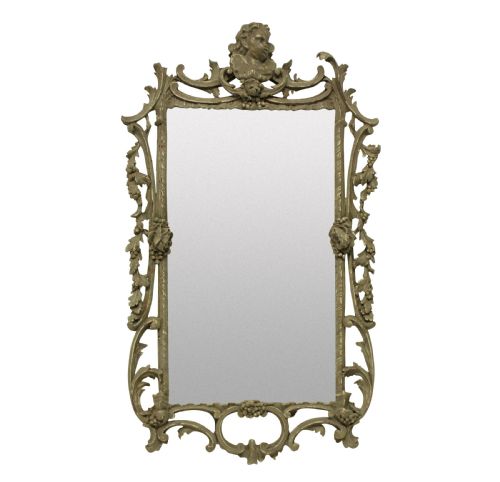
English Giltwood Pier Mirrors
English giltwood pier mirrors bring striking reflection and gilded warmth to a room, designed to hang between windows.
English Giltwood Pier Mirrors
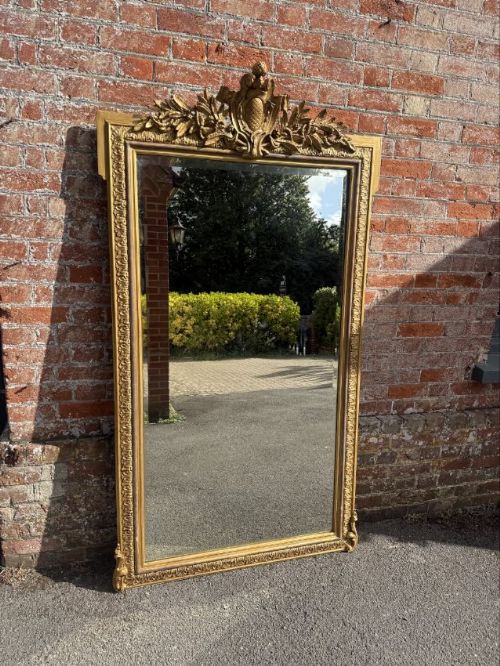
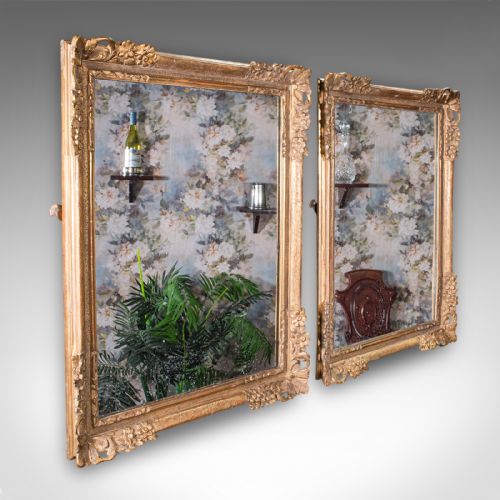
English giltwood pier mirrors sit between architectural windows on a wall, often above console tables, reflecting natural light deeper into a room. These pieces emerge from periods such as the Georgian, Regency, and Victorian eras, carrying distinct decorative vocabularies from Neoclassical to Rococo styles.
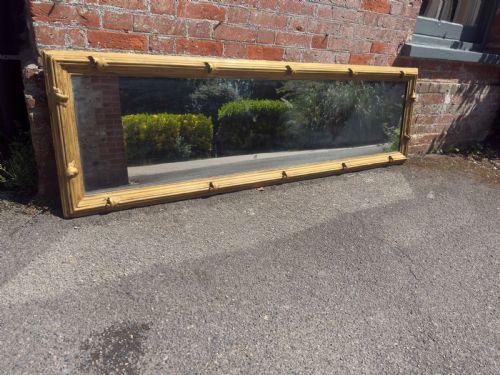
The versions met most frequently on this page span the Regency and nineteenth century, appearing as large-scale wall mirrors, shaped top glasses, and console combinations. Their wooden frames are coated in gesso and finished with gold leaf or gilding, anchoring them firmly in formal domestic interiors of the past.
How they were made
Makers constructed these frames from carved wood, applying layers of gesso to build up intricate relief ornaments before the gilding process. Gold leaf was meticulously laid over the prepared surfaces to achieve a luminous metallic sheen.
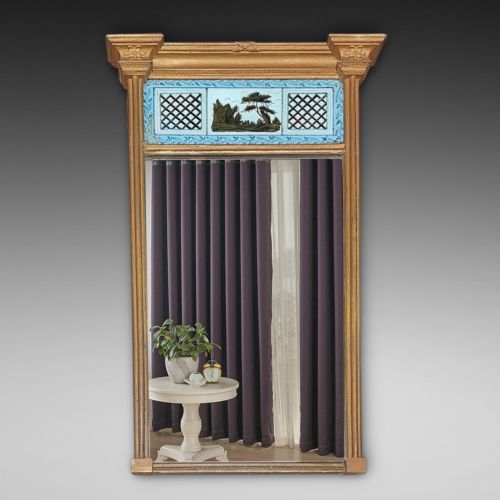
Some examples incorporate composition mouldings for detailed decoration alongside carved elements, whilst specialised glass panels like verre eglomise appear in specific Regency formats. The combination of timber carcase, gesso preparation, and gold leaf forms the fundamental construction method across the periods.
English Giltwood Pier Mirrors Retail Price Guide 2026
Typical asking prices for english giltwood pier mirrors among the pieces listed under this phrase on Sellingantiques today, from the lower quarter to the upper quarter. They describe what is for sale here now, not the wider market.
Some Regency mirrors included tiny painted glass panels at the top, ensuring guests caught a glimpse of sky instead of their own hats.
What varies in quality
The distinction between tiers rests upon the depth and crispness of the carved detail in the wood and gesso, alongside the proportion of the architectural form. Pier mirrors with hand-carved elements display sharper relief than those relying heavily on mass-produced composition ornament.
Surface preservation also divides examples, particularly the survival of the original gold leaf and the character of the mirror glass itself. Subtlety of proportion and harmony within styles such as Adam or Chippendale Rococo elevate certain pieces above standard nineteenth-century production.
The English Giltwood Pier Mirrors Glossary
- Giltwood
- Wood covered with gold leaf or gilt finish. This surface treatment provides the bright metallic appearance characteristic of formal antique mirrors.
- Gesso
- A plaster-like mixture applied to a wooden base. Carvers use this material to create smooth grounds and intricate relief details before gilding.
- Pier Mirror
- A wall mirror designed specifically to hang on the narrow wall space between two windows. They frequently match console tables placed directly beneath them.
- Verre Eglomise
- Cold painting and gilding on the reverse of glass. This technique appears in decorative panels within upper sections of Regency pier mirrors.
- Composition
- A moulded mixture of whiting, resin, and oil pressed into shape. Makers utilised this substance for repetitive ornamental details on frames.
English Giltwood Pier Mirrors: Frequently Asked Questions
Where should I hang a pier mirror?
These mirrors suit narrow wall spaces between windows, reflecting light across the interior space. Placing them above a console table creates a traditional arrangement.
Ensure the wall construction supports the weight of carved wood and glass frames safely.
How do I identify a Regency pier mirror?
Regency examples often feature architectural lines, eglomise glass panels, and classical motifs. The proportion tends towards verticality to fit between tall windows.
Look for rosewood elements or giltwood finishes consistent with early nineteenth-century design.
What is the difference between gesso and carved wood?
Carved wood forms the structural and sculptural core of the frame, providing deep relief. Gesso is the plaster layer applied over the timber to refine the surface before gilding.
Finer pieces rely heavily on hand carving rather than moulded composition applied over gesso.
How do I clean an antique giltwood frame?
Dust gently with a dry, soft brush to protect the delicate gold leaf surface. Avoid liquid cleaners or chemical agents that damage historic gilding.
Professional restoration is recommended for any structural repairs or major surface consolidation.