


Antique Silver Wall Mirror
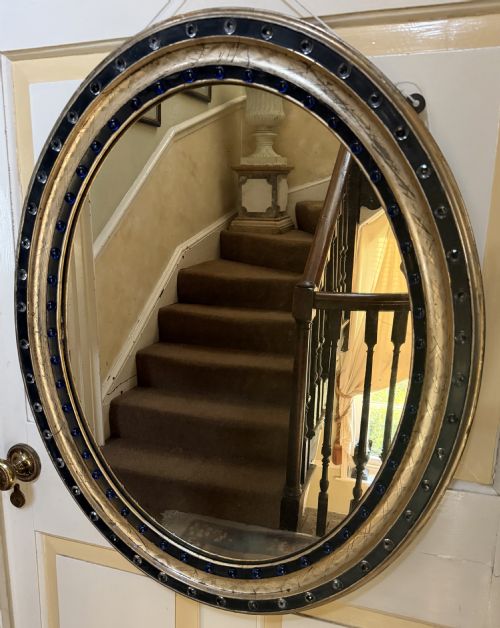
An antique silver wall mirror brings layered reflection and luminous metal finishes into a room, drawn from centuries of European and British craftsmanship.
Antique Silver Wall Mirror
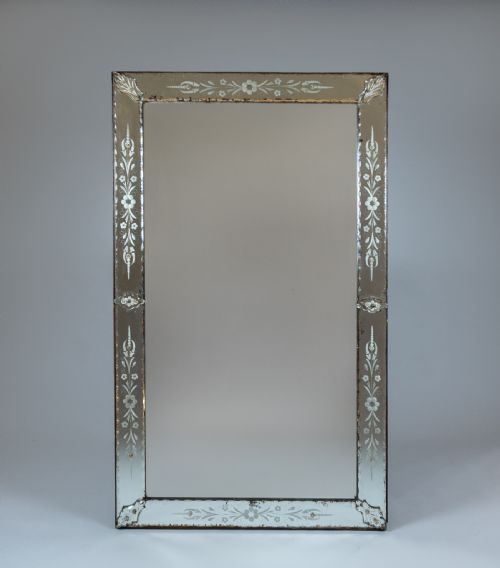
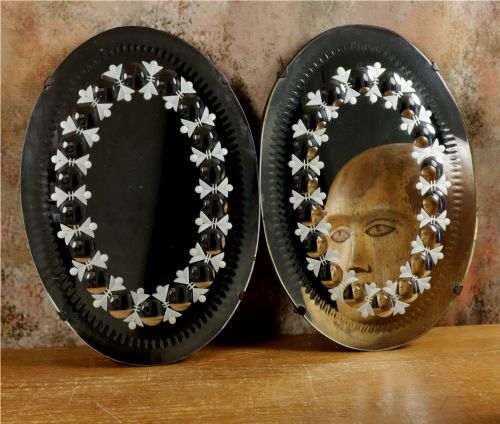
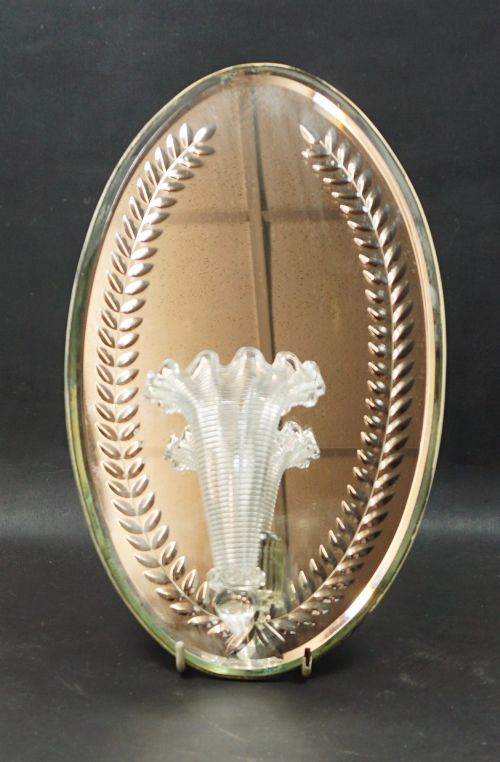
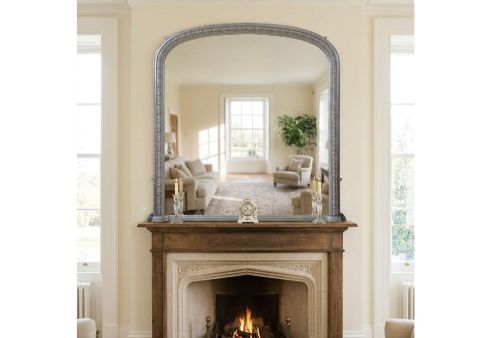
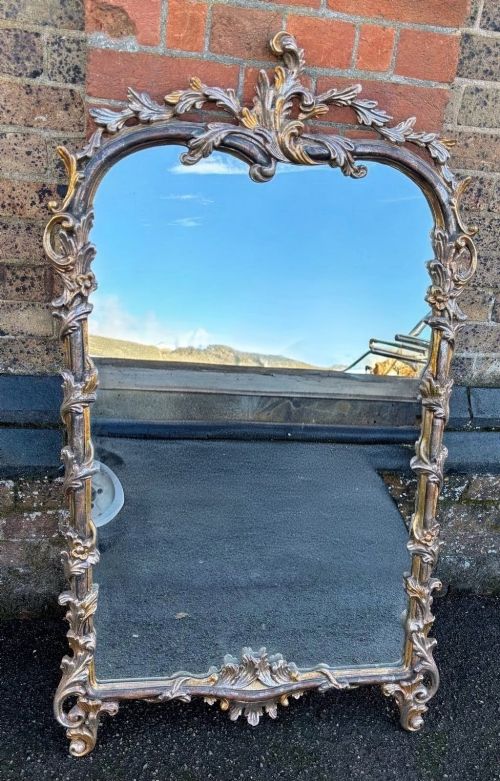
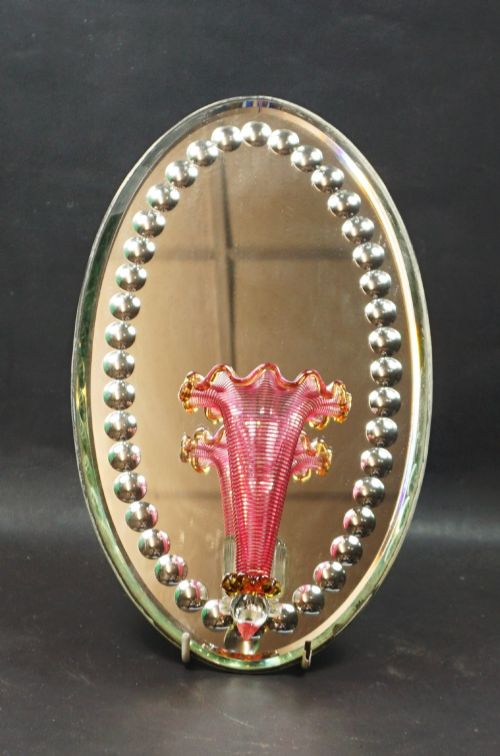
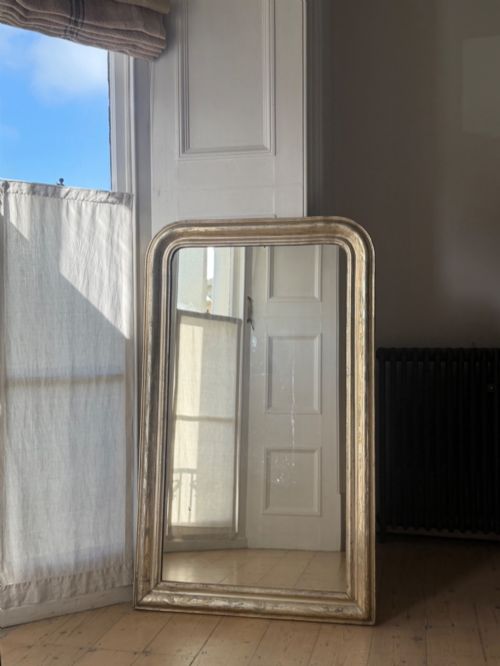
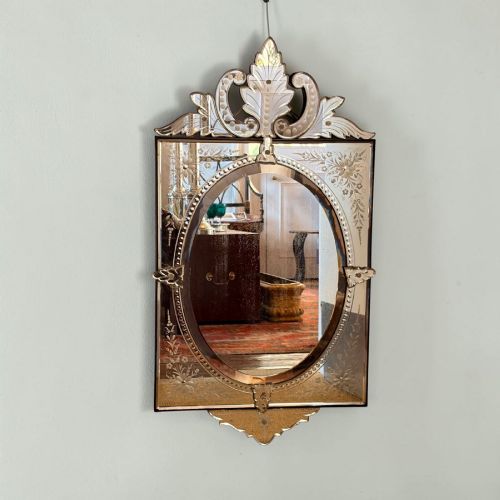
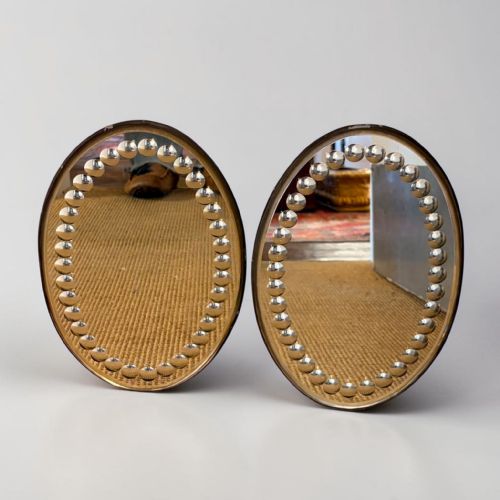
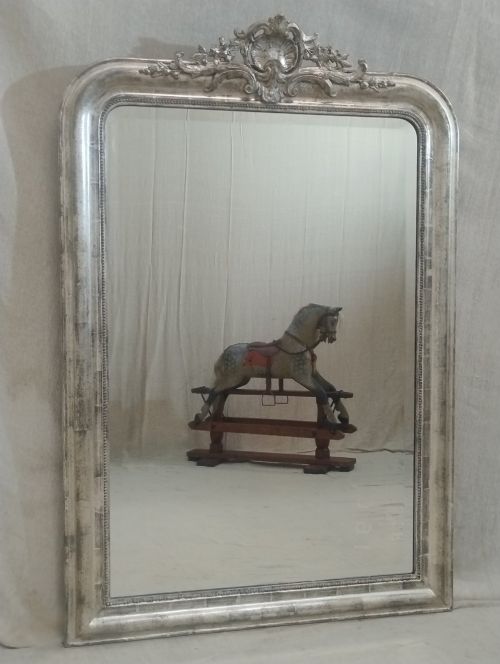
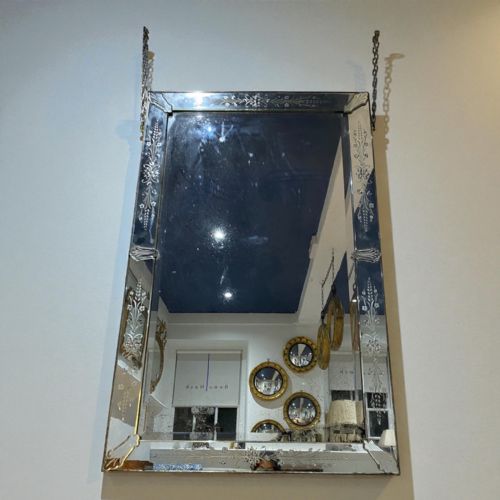
An antique silver wall mirror encompasses grand overmantels, tall Louis Philippe plates, and delicate Venetian cushion designs that span from the seventeenth century through the Victorian era and into the Art Deco period. Buyers searching this phrase meet everything from French chateau pieces to English parcel-silvered archtop overmantles and Italian glass works.
Materials and construction methods
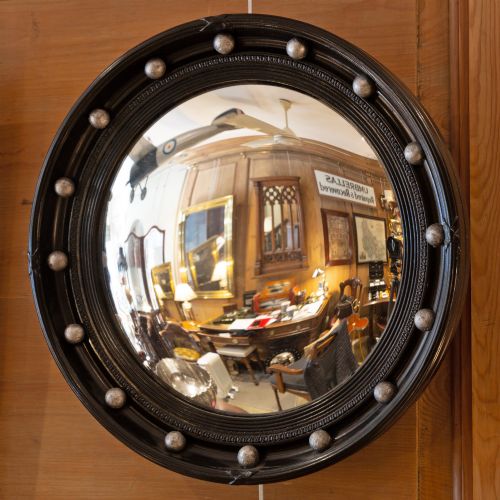
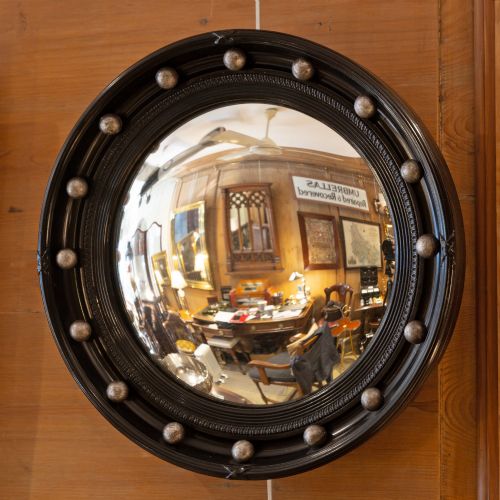
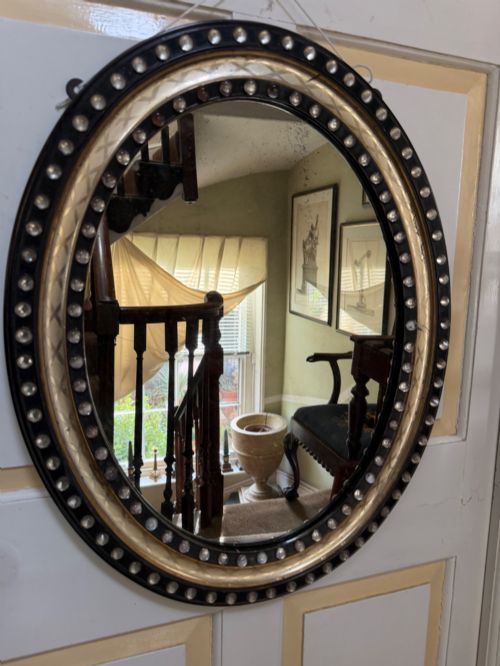
Makers built these frames primarily from carved wood and gesso, applying silver leaf, silver-gilt, or silvered paint to create reflective metallic surfaces that caught candlelight and daylight alike. Metal framing also appears in hammered brass and specialised wall hanging pieces from later decades.
Mirrored glass plates, including bevelled and etched variants, sit within these housings, often showing age-related foxing and oxidation across their reflective surfaces. Original wooden backs, fittings, and hanging hardware frequently accompany the surviving plates.
Antique Silver Wall Mirror Retail Price Guide 2026
Typical asking prices for silver wall mirror among the pieces listed under this phrase on Sellingantiques today, from the lower quarter to the upper quarter. They describe what is for sale here now, not the wider market.
Materials recorded across the inventory include silver leaf, gesso, mirrored glass, brass, and carved wood.
Distinctions in craftsmanship and preservation
The standard of carving and the depth of the gesso work separate standard production from superior pieces, particularly in how crisply foliage, scrolls, and cushion borders are executed. Hand-applied silver leaf and genuine silver-gilt surfaces age with a softer, more complex patina than flat painted alternatives.
The integrity of the original mirror glass and the retention of period fittings heavily influence the character of each piece. Frames retaining their original gilding without excessive modern intervention represent the upper end of what survives.
Gillows Of Lancaster
The Antique Silver Wall Mirror Glossary
- Overmantel mirror
- A wide horizontal mirror specifically designed to hang on the wall directly above a fireplace mantel. These pieces often feature archtop or rectangular formats scaled to match the width of the hearth below.
- Silver-gilt
- A silver or silver-plated object that has been thinly coated with gold leaf. This technique combines the cool tone of silver with the warm shimmer of gold.
- Gesso
- A plaster-like mixture applied to wood frames to create a smooth surface for gilding or painting. Intricate raised mouldings are frequently carved directly into this hardened layer.
- Foxing
- The natural age-related spots and discoloration that develop within mirrored glass over decades. This oxidation creates a mottled, darkened appearance across the reflective surface.
- Cushion mirror
- A frame style featuring a convex or sloping border that angles inward toward the central glass plate. This framing method is particularly common in Venetian wall mirrors.
Antique Silver Wall Mirror: Frequently Asked Questions
How do I hang a heavy overmantel mirror safely?
Heavy overmantel mirrors require direct attachment to wall studs using robust steel brackets or split battens rated for substantial weight.
Because these frames combine dense wood, gesso, and thick glass, professional installation ensures the weight distributes evenly without straining the original antique frame.
What is the difference between silver gilt and silvered paint?
Silver gilt involves applying actual metal leaf over a prepared gesso base, producing a deep, lustrous metallic sheen that patinas gently over time.
Silvered paint is a liquid coating applied with a brush or spray, offering a more uniform and opaque finish without the reflective depth of beaten leaf.
How should I clean antique mirror glass?
Clean antique mirror glass using a soft microfiber cloth and a minimal amount of distilled water or mild glass cleaner sprayed onto the cloth rather than the glass.
Avoid letting liquid seep behind the edges of the frame where it can damage old silvering, foil, and the wooden backing boards.
Can foxed mirror glass be restored?
Foxed mirror glass is generally left untouched by collectors who value the authentic age and historical atmosphere the spots provide.
Replacing the original plate with modern glass removes the authentic character that defines an antique wall mirror.