





Vintage Silver Gilt Mirror
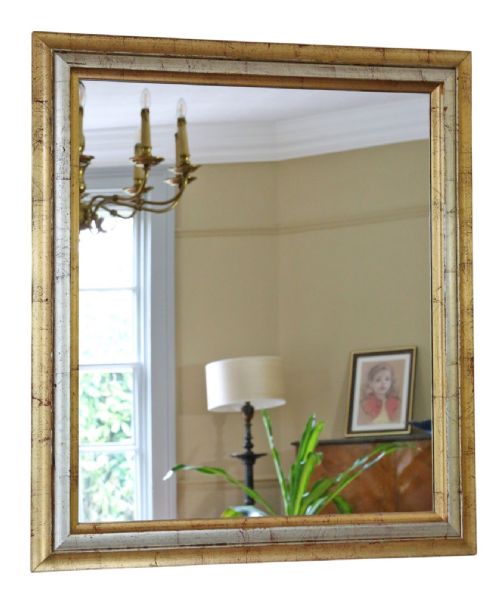
A vintage silver gilt mirror brings instant light and presence to a room, catching the eye with its metallic finish and historic charm.
Vintage Silver Gilt Mirror
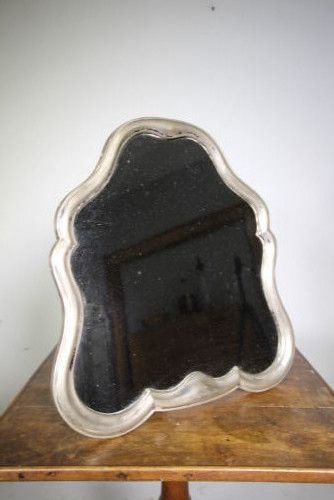
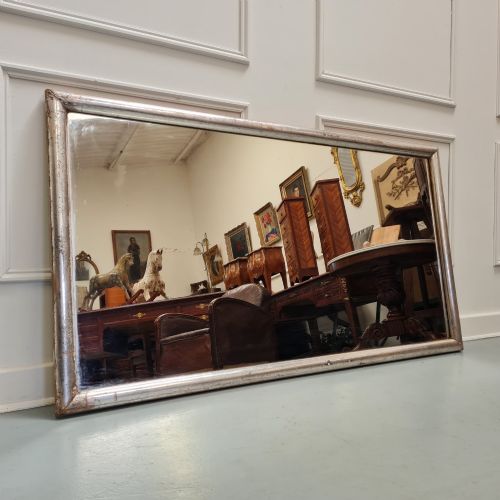
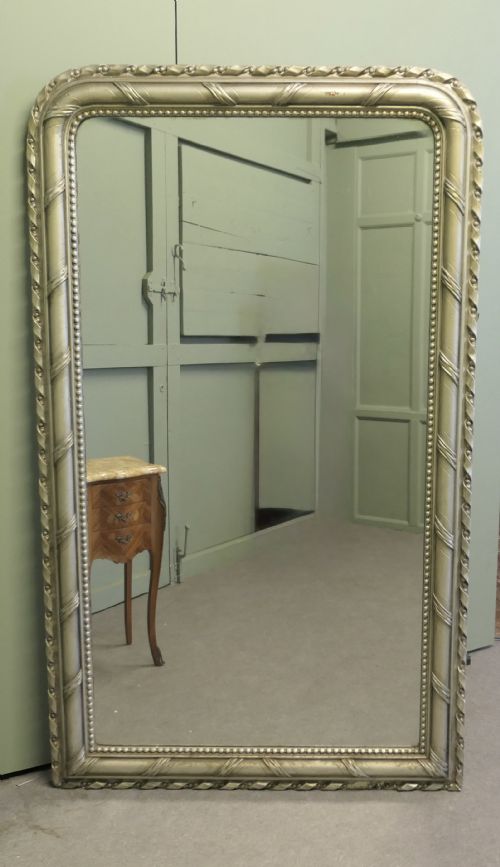
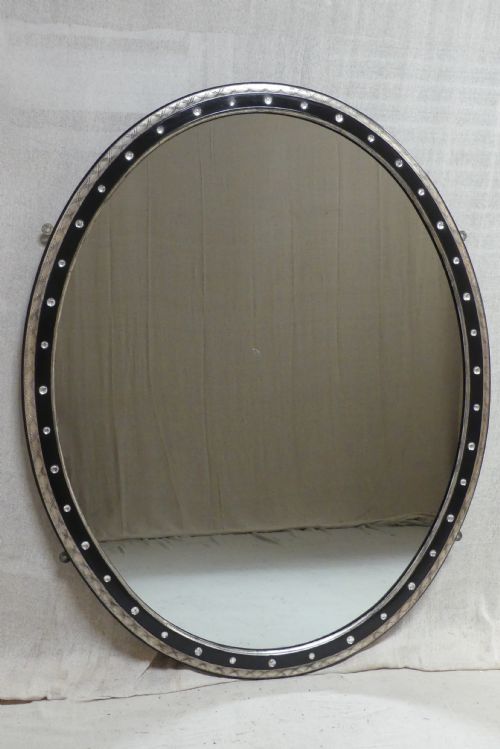
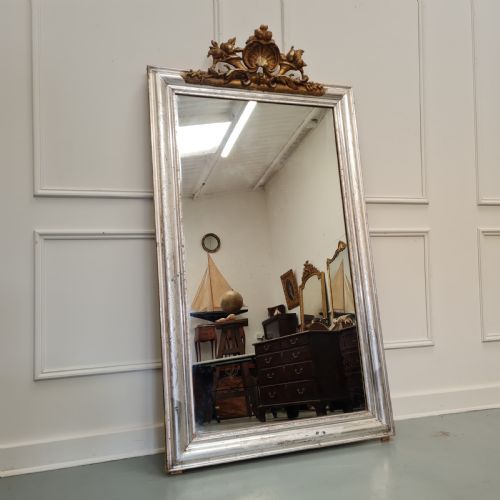
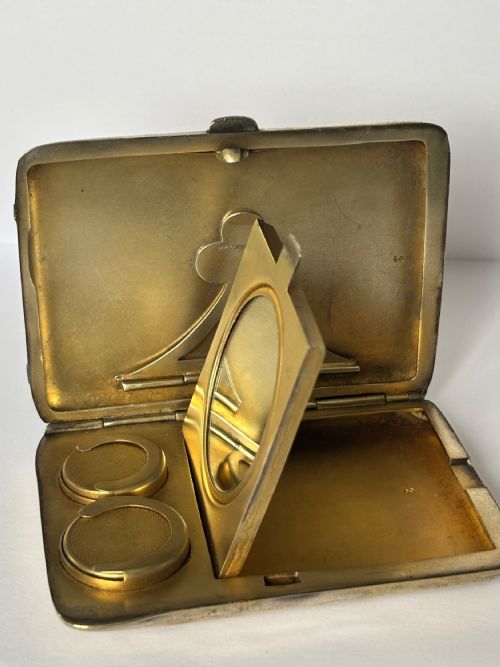
A vintage silver gilt mirror spans wall mirrors, overmantel mirrors, and smaller vanity items like compacts and lockets. The wall-hanging forms dominate the selection, often taking the shape of tall Louis Philippe designs or arched French chateau pieces from the nineteenth century.
Makers and artisans produced these works across several eras, ranging from seventeenth-century panels to twentieth-century Art Deco interpretations. Buyers encounter everything from simple nineteenth-century wall mirrors to grand architectural overmantels carved from wood and gesso.
Materials and construction methods
Makers built the structural frames primarily from wood, applying layers of gesso to create smooth surfaces for carving or moulding. Craftsmen then applied silver leaf, silver gilt, or parcel gilt to achieve the reflective metallic surface characteristic of these pieces.
Mirror glass sits within these frames, sometimes featuring bevelled edges or signs of age such as foxing. Smaller items like compacts and lockets incorporate cast engine-turned silver alongside enamel panels and miniature mirror plates.
Some nineteenth-century French mirrors spent decades reflecting Parisian salons before finding their way into modern homes.
Distinctions in quality
Quality rests upon the crispness of the hand-carved gesso details and the integrity of the original wood frames. Superior examples display deep, deliberate moulding work and well-preserved metallic leaf surfaces that catch the light evenly.
The sophistication of the design dictates distinction, separating simple utilitarian frames from ambitious architectural overmantels and pieces bearing enamel or marquetry work.
A.J Rowley·Meyle & Mayer·Houbigant
The Vintage Silver Gilt Mirror Glossary
- Silver Gilt
- Silver that has been coated with a thin layer of gold, or in many antique contexts, silver leaf applied to mimic a specific metallic sheen. This finish tarnishes differently than pure gold or silver.
- Gesso
- A plaster mixture applied to wood frames to create a smooth surface for carving and gilding. It allows for intricate relief ornamentation.
- Louis Philippe
- A nineteenth-century French style characterised by restrained curves and simple, elegant frames often topped with a gentle arch. These mirrors avoid the heavy ornamentation of earlier rococo pieces.
- Overmantel Mirror
- A large mirror designed to hang directly above a fireplace mantel. They typically feature wide proportions suited to domestic interiors.
- Parcel Gilt
- A technique where only specific portions of an object are gilded, leaving other areas of the wood, silver, or ebonised surface exposed.
Vintage Silver Gilt Mirror: Frequently Asked Questions
How do I clean a vintage silver gilt mirror?
Dust the frame gently with a soft, dry brush to protect the delicate metallic leaf and gesso layers from damage. Avoid liquid cleaners and chemical solvents entirely.
Clean the glass plate using a modest amount of glass cleaner applied to a cloth rather than sprayed directly onto the mirror, preventing moisture from seeping behind the silvering.
Where should I hang an overmantel mirror?
Mount the mirror securely above a fireplace mantelpiece to anchor the room's focal point and reflect natural light across the space. Ensure the wall fixings match the substantial weight of the wooden frame.
Alternatively, position the piece on a main living room wall opposite a window to maximise the illusion of depth and illumination.
How can I tell a nineteenth-century mirror from a modern reproduction?
Examine the backboards, fixings, and the composition of the glass plate for signs of genuine age. Older mirrors often show subtle foxing, uneven silvering, and hand-cut wooden elements.
Check the gesso and frame joints for the minor imperfections and wear patterns typical of historical handcraftsmanship rather than uniform machine production.
What is the difference between silver gilt and silvered?
Silver gilt involves the application of silver leaf or metal onto a prepared surface, sometimes warmed with a golden tone. It produces a rich, reflective warmth.
Silvered finishes rely on chemical treatments or plain silver applications to create a cooler, highly reflective mirror coating without the underlying gilding warmth.