


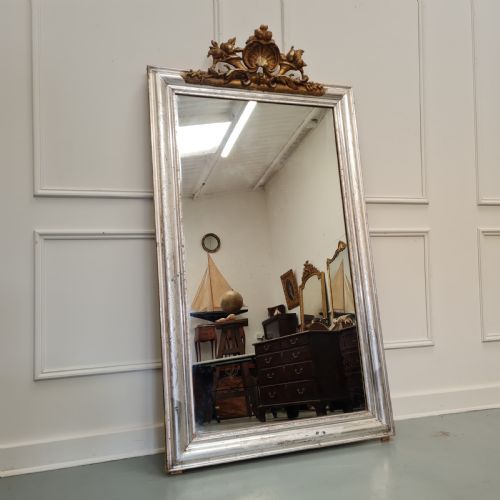


19th Century Silver Mirror
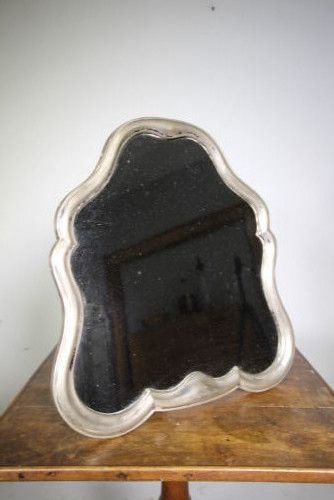
A 19th century silver mirror brings reflective depth and period craftsmanship to a room through carved wood, gesso, and reflective glass.
19th Century Silver Mirror
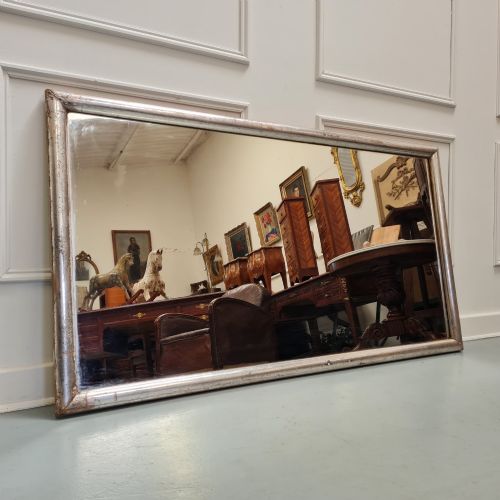
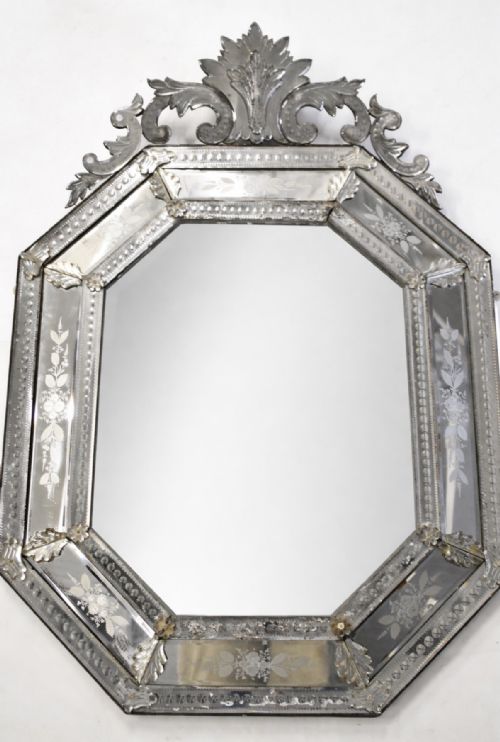
When searching for a 19th century silver mirror, buyers encounter a diverse selection of wall-hanging, overmantel, and dressing mirror forms created across Victorian Britain and continental Europe. The selection includes grand architectural overmantels designed for grand chimneys alongside ornate French chateau and Venetian pieces.
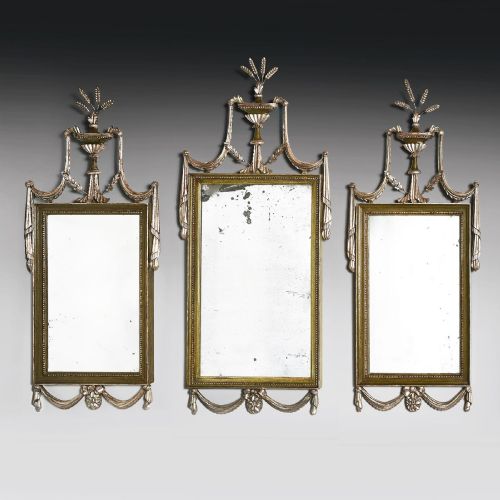
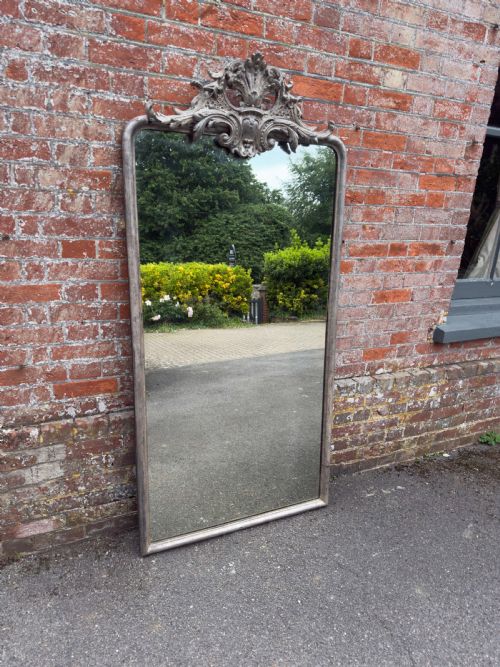
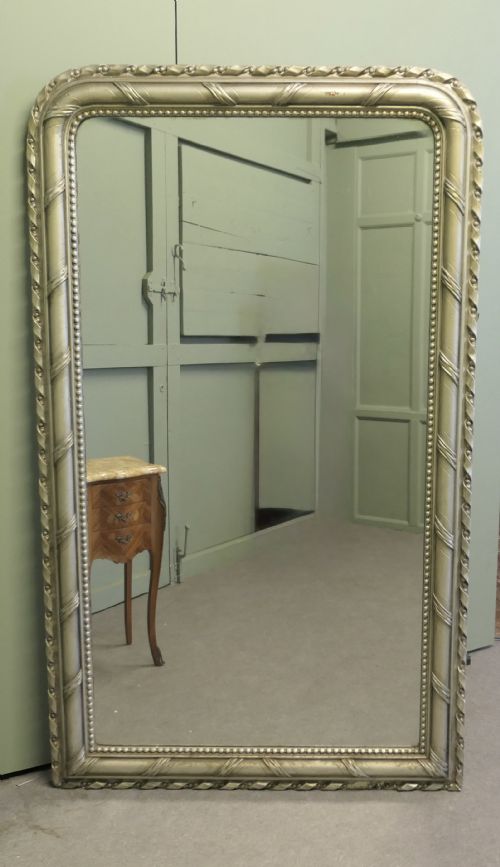
French styles heavily populate the options, featuring arched tops and carved gesso frames finished in silver leaf or silver gilt. English Victorian overmantels also feature prominently, often rendered in parcel-silvered and painted wood for domestic reception rooms.
How they were made
Frames rely heavily on a combination of carved wood and gesso, which provided a smooth, pliable base for applying silver leaf, silver gilt, or liquid silvering techniques. Artisans moulded intricate relief decorations out of gesso over wooden carcases before finishing the surfaces with metallic leaf or paint.
Mirror plates of the period were frequently set into large frames, sometimes utilising mercury backing methods earlier in the century or standard silvering processes later on. The integration of ebonised wood, parcel-silvering, and painted details added textural contrast to the reflective glass.
Some Victorian overmantels managed to sneak tiny carved cherubs into the corners of their silvered frames just to watch the room.
What varies in quality
The standard of carving and the crispness of the gesso ornamentation dictate the visual strength of the frame, where deeper, hand-modelled relief details outshine flat or mass-produced mouldings. Originality of the surface finish also plays a decisive role, as untouched silver leaf and patinated silver gilt hold more integrity than later re-paintings.
Proportion and structural balance separate ambitious architectural overmantels and cushion mirrors from simpler utility pieces. The weight and depth of the timber frame, together with the clarity and historic character of the mirror glass itself, define the upper tier of the range.
Gillows Of Lancaster·Jean Gille
The 19th Century Silver Mirror Glossary
- Gesso
- A plaster-like mixture applied to wood frames to create a smooth surface for carving and gilding. It allows artisans to shape intricate relief scrolls and floral motifs before applying silver leaf.
- Overmantel mirror
- A large horizontal mirror designed specifically to hang above a fireplace mantelpiece. These pieces frequently feature arched tops and substantial wooden frames.
- Silver gilt
- Wood or metal surfaces coated with a thin layer of silver that is subsequently gilt or treated to achieve a warm metallic tone. This finish combines the coolness of silver with golden warmth.
- Cushion mirror
- A frame type where the border slopes outward or inward in a pillow-like profile, often seen in Venetian designs. This shape maximises reflected light from multiple angles.
- Pier glass
- A tall, narrow mirror designed to hang on the wall space between two windows. They reflect additional natural light into period rooms.
19th Century Silver Mirror: Frequently Asked Questions
Where should I hang an overmantel mirror?
These large horizontal mirrors are traditionally positioned directly above a fireplace mantelpiece to anchor the room's central hearth. Their substantial scale reflects light across the entire space.
They also function effectively on main living room walls where their architectural frames can serve as a primary visual focal point.
How do I identify a French 19th century mirror?
French examples often display characteristic Louis Philippe or Rococo Revival styling with arched or shaped tops. The carved wood and gesso frames frequently utilise silver gilt or silver leaf finishes.
Craftsmanship details such as subtle distressing and fluid floral carving distinguish continental workshops from British Victorian productions.
Are these mirrors suitable for daily use?
Historic mirrors are sturdy enough for everyday domestic placement provided they are securely wall-mounted using appropriate fixings. The original glass and frames require careful handling and stable indoor environments.
Their robust wooden construction ensures they remain functional interior furnishings after more than a century of use.