


Silver Leaf Arched Mirror
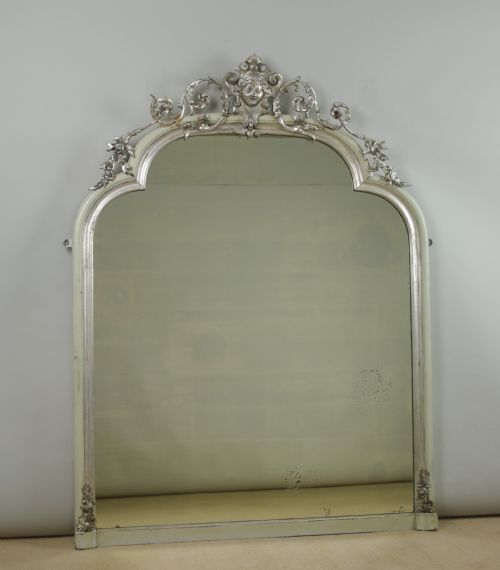
A silver leaf arched mirror brings architectural depth and reflective light to a room, drawing the eye with its graceful curved top.
Silver Leaf Arched Mirror
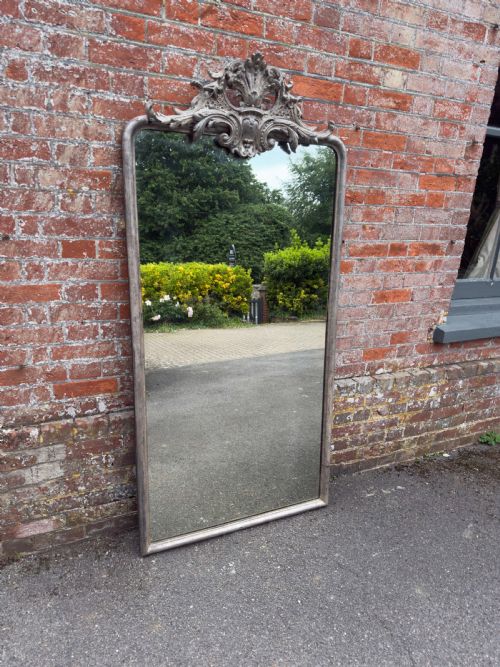
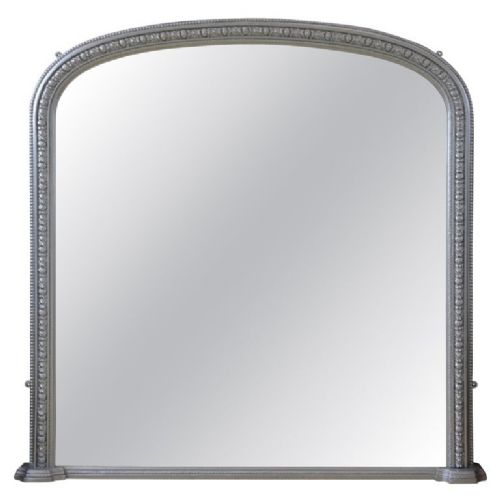
A silver leaf arched mirror is primarily represented on this page by Victorian and nineteenth century French overmantle mirrors, wall mirrors, and large decorative mirrors. These pieces often take the form of overmantle mirrors designed to sit above a fireplace, bringing considerable scale to an interior.
The styles range from English Victorian examples to French Chateau, Louis Philippe, and French Rococo Revival designs. Buyers encounter arched tops and shaped tops that define the distinctive silhouette of each piece.
How they were made
Construction relies on timber foundations such as wood and pine, which are then built up with gesso and composition materials to create ornate surface detail and relief carvings. Carved wood and gesso provide the substrate for the delicate application of silver leaf, sometimes combined with gold leaf or silvered wood.
Makers shaped the glass to fit the arched frame precisely, securing the reflective plate within the heavy wooden and composition structure. The application of silver leaf requires meticulous skill to achieve an even metallic lustre across the curved top and moulded borders.
Listings feature nineteenth century pieces spanning the victorian era and French chateau styles, utilising gesso, pine, and silver leaf.
What varies in quality
The distinction between standard and superior pieces rests on the crispness of the carved wood and gesso enrichment, where finer examples display sharp, well-defined ornament rather than soft or obscured details. The handling of the silver leaf surface also dictates overall character, with better pieces exhibiting a harmonious balance between the metallic finish and the underlying composition.
Proportion and design simplicity further separate the range, as demonstrated by examples noted for high-quality simple design. The integrity of the frame construction and the preservation of the original silvering significantly influence the visual presence of the mirror.
The Silver Leaf Arched Mirror Glossary
- Silver leaf
- Extremely thin sheets of beaten silver applied to a prepared surface of wood and gesso. It creates a bright metallic finish distinct from solid metal.
- Gesso
- A plaster-like mixture applied to wood frames to provide a smooth surface for gilding or silvering. It allows craftsmen to model intricate relief details.
- Overmantle mirror
- A large wall mirror specifically proportioned to hang above a mantelpiece or fireplace. These pieces frequently feature arched or shaped tops.
- Composition
- A mouldable mixture of whiting, resin, glue, and linseed oil pressed into decorative ornaments. It is widely used on nineteenth century frames to simulate carved wood.
- Louis Philippe
- A mid-nineteenth century French style characterised by restrained curves and simple arched frames. This aesthetic avoids excessive ornamentation in favour of balanced proportions.
Silver Leaf Arched Mirror: Frequently Asked Questions
Where should I hang a silver leaf arched mirror?
These mirrors traditionally sit above a fireplace mantelpiece where their generous scale and arched profile anchor the room. They also function effectively on principal walls in reception rooms to amplify natural light.
Because many examples are substantial in size, ensure the wall construction and fixings can support the weight of the timber and gesso frame.
How do I identify a nineteenth century French mirror?
Nineteenth century French pieces often display carved wood and gesso decoration tied to Louis Philippe or Rococo Revival styles. The arched top proportions and silvered or silver gilt finishes offer distinct visual cues.
Examining the construction methods and the ageing of the materials helps confirm the period origin.
What is the difference between silvered wood and silver leaf?
Silver leaf involves applying fine metallic sheets over a prepared gesso layer to achieve a bright, reflective finish. Silvered wood generally refers to a treatment applied directly to the timber substrate.
Both techniques produce a metallic appearance, but leafing yields a more luminous and textured surface.
How do I care for an antique silver leaf mirror?
Maintain the frame by gently dusting with a soft, dry brush to prevent accumulation in the carved gesso crevices. Avoid using liquid cleaning agents on the silver leaf surface to prevent tarnishing or lifting.
Keep the mirror away from direct sources of heat and damp environments to protect the wooden structure and reflective plate.