


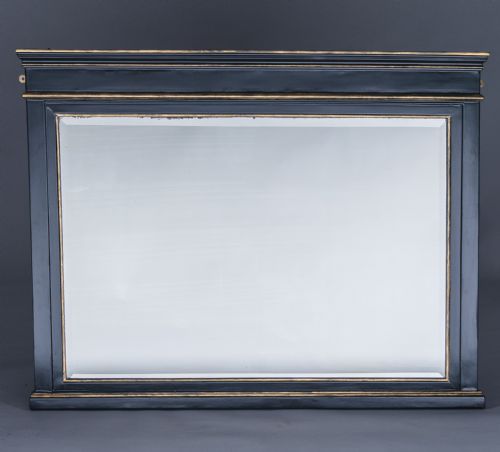
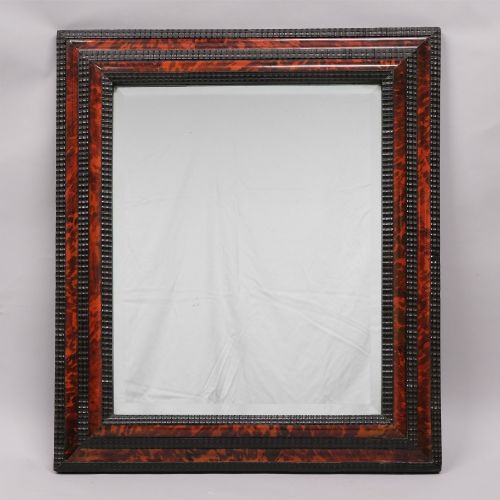


Victorian Ebonised Wall Mirror
A victorian ebonised wall mirror brings dark, striking contrast and distinct nineteenth-century character to an interior.
Victorian Ebonised Wall Mirror
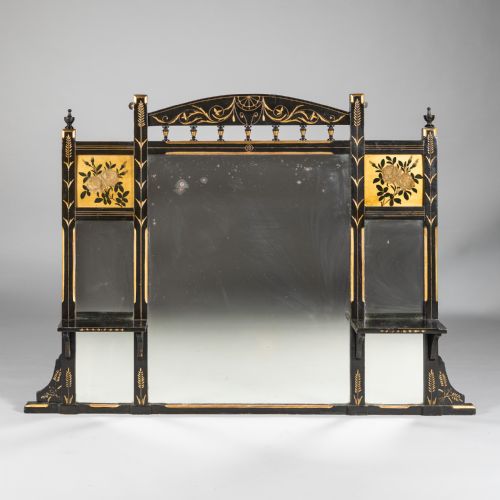
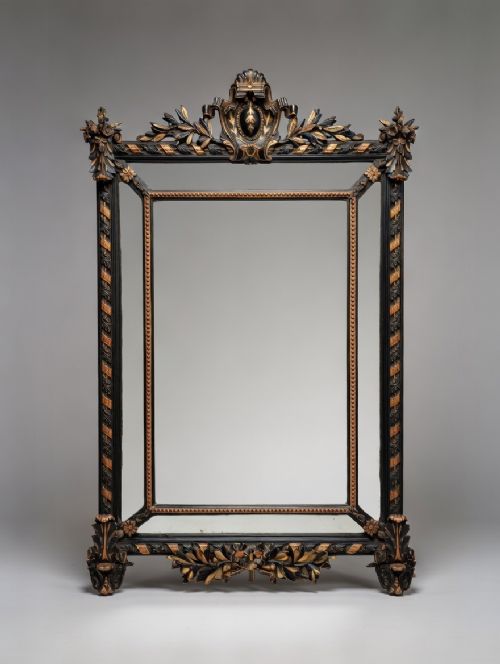
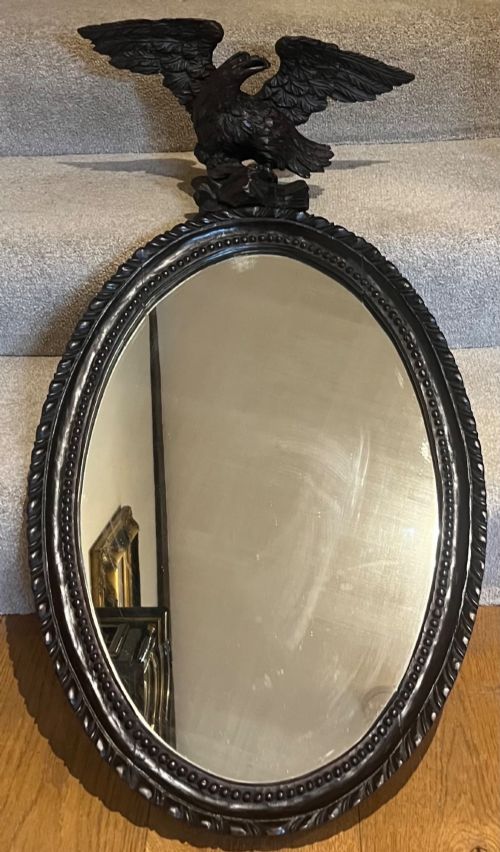
A victorian ebonised wall mirror typically combines a dark, blackened wooden frame with reflective glass, frequently accented with parcel-gilt highlights. These pieces span the nineteenth century, including specific expressions from the Aesthetic Movement, and serve both functional and decorative roles in reception rooms and halls.
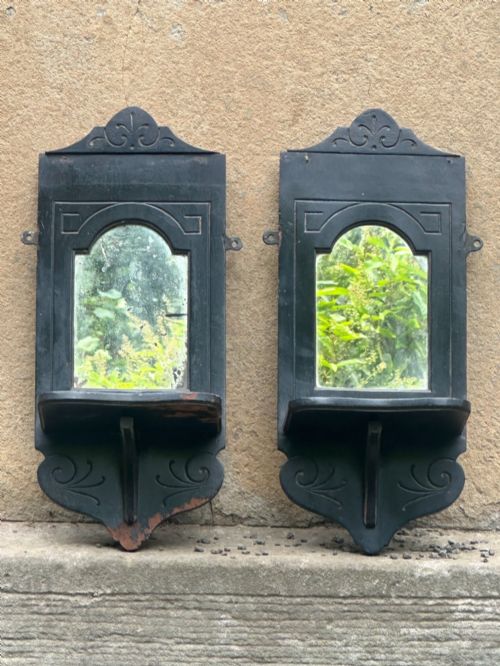
The most common form encountered in these listings is the overmantel mirror, designed to sit above a fireplace. Alongside these large mantel pieces, smaller hall mirrors and cushion frames appear, showing the versatility of ebonised finishes across different domestic scales.
Materials and construction
Carpenters formed the frames from timber, often applying gesso to build up raised decorative mouldings and carved details before painting or staining the wood to simulate ebony. Gold leaf or parcel-gilt was then laid onto specific carved elements to create a sharp contrast against the matte or polished black surface.
Mirror glass of this era was silvered and set into the rebated frames, sometimes accompanied by secondary backing boards. The integration of paint, gilding, and dark wood defines the physical substance of these nineteenth-century objects.
Victorian Ebonised Wall Mirror Retail Price Guide 2026
Typical asking prices for victorian ebonised wall mirror among the pieces listed under this phrase on Sellingantiques today, from the lower quarter to the upper quarter. They describe what is for sale here now, not the wider market.
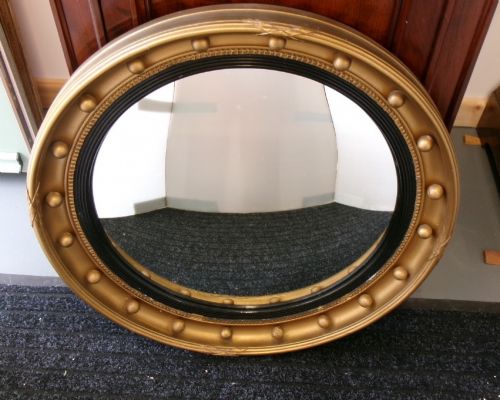
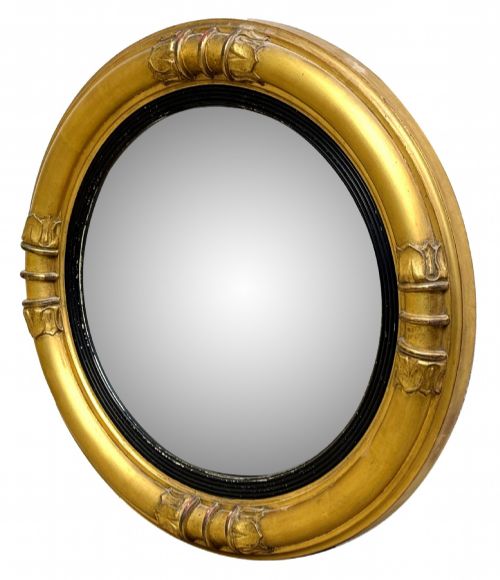
Some nineteenth-century mirrors go by the atmospheric name of sorcerers or convex porthole mirrors, originally designed to monitor entire rooms at a single glance.
Assessing quality in ebonised mirrors
Quality rests in the crispness of the carved gesso decoration and the depth of the ebonised finish. Superior examples show deliberate restraint or precise ornamentation, particularly within Aesthetic Movement pieces where gilt highlights catch the light effectively.
The integrity of the original mirror plate and the joinery of the heavy frames distinguish higher-grade pieces. Heavier overmantels require robust internal construction to support substantial glass panels safely over time.
The Victorian Ebonised Wall Mirror Glossary
- Ebonised
- Wood treated with stain, paint, or chemical processes to imitate costly ebony. This dark finish became popular during the nineteenth century for furniture and mirror frames.
- Parcel-gilt
- Partially gilded woodwork where gold leaf is applied only to raised details or specific sections. It provides a bright contrast against ebonised or painted surfaces.
- Gesso
- A plaster-like mixture applied to wood frames to create a smooth surface for gilding or carving. It allows for intricate relief ornamentation.
- Overmantel
- A large mirror designed to hang specifically on the wall above a fireplace mantelpiece. These pieces often dominate the room due to their scale.
- Aesthetic Movement
- A late nineteenth-century design style emphasising visual beauty over narrative content. Pieces from this movement often feature ebonised surfaces with gilt detailing.
Victorian Ebonised Wall Mirror: Frequently Asked Questions
Where should I hang a large overmantel mirror?
These large mirrors traditionally sit directly above a fireplace mantelpiece to reflect light and anchor the room's proportions. They also function effectively on main reception room walls opposite windows.
Ensure the wall construction and fixings can support the considerable weight of timber, gesso, and thick nineteenth-century glass.
How do I clean ebonised wood and mirror glass?
Dust the ebonised frame gently with a dry, soft cloth to protect the dark finish. Avoid harsh chemical cleaners that might strip the paint or stain.
Use a minimal amount of glass cleaner applied to a cloth rather than directly onto the glass, preventing moisture from seeping behind the antique mirror plate.
What is the difference between an overmantel and a hall mirror?
Overmantel mirrors are generally wide and large, engineered to span the horizontal space above a fireplace. They command significant visual attention in a main room.
Hall mirrors are typically taller and narrower, designed for vertical spaces in entranceways where visitors checked their appearance.
How can I tell if the mirror plate is original?
Original nineteenth-century mirror plates frequently display minor foxing, tiny dark spots, or subtle distortions within the glass reflection. Modern replacement glass tends to be uniformly clear and flat.
Examining the back of the frame can also reveal whether the original backing boards and securing pins remain intact.