





Black Gilded Fireplace Mirror
A black gilded fireplace mirror commands attention above a hearth, combining dark ebonised timber with luminous gold leaf to anchor a room.
Black Gilded Fireplace Mirror
A black gilded fireplace mirror is typically a large overmantel or wall glass designed to sit directly above a chimneypiece. These pieces span the nineteenth century, including Regency and Victorian periods, with aesthetic movement and neoclassical influences appearing across the selection.
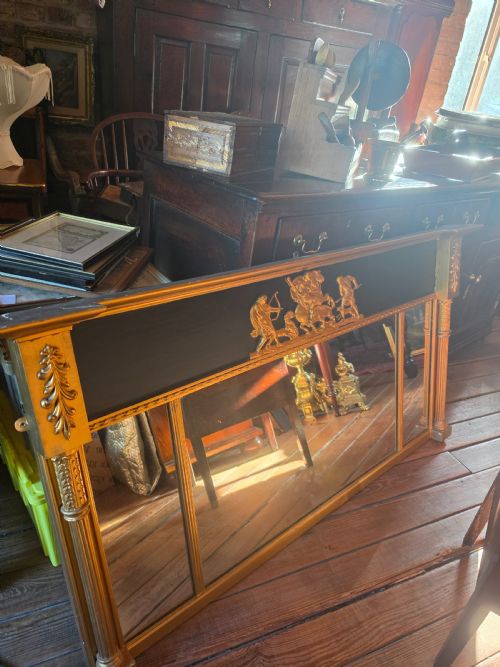
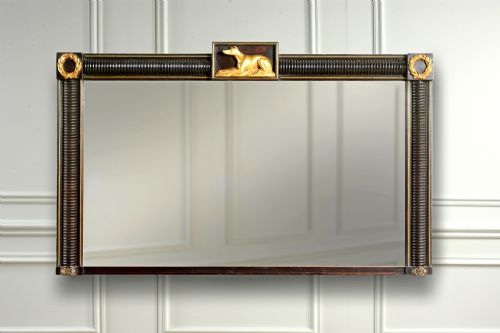
The form is dominated by substantial overmantel mirrors featuring rectangular or arch top formats. Many examples combine deep ebonised wood surfaces with parcel-gilt details, creating a striking contrast between dark finishes and bright metallic highlights.
How they were made
Constructed primarily from carved wood and gesso, these frames rely on traditional moulding and plasterwork to achieve their ornate decoration. Artisans applied thin sheets of gold leaf or gilt paint over prepared gesso layers to create the distinctive metallic sections.
The dark sections utilise ebonised wood or specialised black paint to achieve a dense, light-absorbing finish that contrasts sharply with the reflective glass plates and gold ornamentation.
Black Gilded Fireplace Mirror Retail Price Guide 2026
Typical asking prices for black gilded fireplace mirror among the pieces listed under this phrase on Sellingantiques today, from the lower quarter to the upper quarter. They describe what is for sale here now, not the wider market.
Materials recorded across these mirrors include ebonised wood, gesso, gold leaf, and mirror glass.
What varies in quality
Quality depends heavily on the crispness of the carved wood and gesso relief work, where deeply incised decoration and hand-modelled details elevate a piece above simpler moulded versions. The depth and handling of the gilding, whether genuine gold leaf or paint, dictate the richness of the surface.
The integrity of the ebonisation and the clarity of the original mirror glass further distinguish finer examples from standard production. Substantial scale and unusual decorative elements, such as figurative carvings, separate the more ambitious workshop pieces from everyday items.
The Black Gilded Fireplace Mirror Glossary
- Ebonised wood
- Timber treated with stain, dye, or polish to imitate expensive ebony. This dark finish provides a severe, elegant contrast to gilded highlights.
- Gesso
- A plaster mixture applied to wood frames to create a smooth surface for gilding and carving. Skilled application allows for sharp, detailed relief ornamentation.
- Overmantel mirror
- A large mirror specifically proportioned to hang on the wall above a fireplace mantel. These pieces were often manufactured to match the architectural scale of principal reception rooms.
- Parcel-gilt
- A decorative technique where only specific portions of an object are gilded, leaving other areas, such as ebonised wood, exposed. This creates a two-tone visual effect.
- Giltwood
- Wood that has been coated with gold leaf or gold powder. It forms the luminous decorative framework characteristic of period mirrors.
Black Gilded Fireplace Mirror: Frequently Asked Questions
Where should a fireplace mirror hang?
These mirrors are traditionally positioned centrally above a fireplace mantelpiece to reflect light and fill the vertical wall space. Their substantial proportions allow them to anchor the room's primary focal point.
They also function effectively on large expanse walls in reception rooms where the reflection can visually expand the interior space and distribute natural light.
How do I date a black gilded mirror?
Dating relies on stylistic clues, construction methods, and materials combined within the frame. Pieces from the Regency period often display classical restraint, while Victorian examples tend toward heavier architectural forms and ornate carved gesso.
Later nineteenth-century pieces may incorporate aesthetic movement motifs or specific ebonisation techniques typical of the eighteen-eighties and nineties.
Are these mirrors suitable for daily use?
These antique mirrors remain entirely functional for everyday domestic use, provided they are securely mounted to structural wall studs. Their sturdy wood and gesso construction handles standard interior environments well.
Care should be taken to protect the original glass plates and delicate gilded surfaces from moisture and harsh cleaning chemicals during routine maintenance.
What styles are common in these mirrors?
The selection encompasses Regency, Victorian, neoclassical, and aesthetic movement designs. These styles range from restrained classical mouldings to elaborate, heavily carved architectural frames.
Arch top and rectangular formats predominate, frequently combining black ebonised finishes with parcel-gilt highlights.